Is It Worth Buying an OBD2 Scanner? Practical Benefits, Costs, and When to Invest
You want to know if an OBD2 scanner is worth buying, and the short answer is yes for many people and no for some. If you like saving time, spotting problems early, and avoiding simple trips to a mechanic, an OBD2 scanner will likely pay for itself. I’ll show what these tools do, what they cost, and when buying one makes sense.
If you only use a shop for repairs and never troubleshoot, you might skip buying. But if you do your own maintenance, help friends with their cars, or want faster answers when the check engine light comes on, an OBD2 scanner gives clear, fast info that puts control in your hands.
Key Takeaways
- A scanner helps you find and understand trouble codes fast.
- Prices vary, so pick one that matches your needs and budget.
- Owning a scanner fits DIYers and anyone who wants quicker, cheaper fixes.
Key Functions of OBD2 Scanners
I focus on what the scanner actually does for diagnosing, monitoring, and checking emissions. Each tool reads codes, shows live sensor values, and reports emissions-related data so you can decide repairs or tests.
Diagnostic Trouble Code Reading
I use an OBD2 scanner to read trouble codes stored by the car’s computer (ECU). The scanner displays generic P0xxx codes and many manufacturer-specific codes. I can see the code number, a short text description, and sometimes freeze-frame data that shows sensor values when the fault occurred.
I can clear codes after repairs, but clearing hides stored freeze-frame and readiness data until the car completes drive cycles. Some advanced scanners let me view pending codes and perform code-specific tests. A quality scanner saves time by pointing me to the subsystem—ignition, fuel, or transmission—so I avoid guessing.
Live Data Monitoring
I watch live sensor data in real time with the scanner. It shows values such as engine RPM, coolant temperature, fuel trim, throttle position, and oxygen sensor voltage. I can graph these values to spot trends like a slow-rising coolant temp or fluctuating fuel trims.
I use live data during a test drive or with the engine idling to confirm repairs. Fast-sampling scanners reveal brief spikes or drops that slow tools miss. Some apps let me record sessions and export CSV files for later review or to share with a mechanic.
Emissions Testing Capabilities
I check emissions readiness monitors to see if the car is ready for a smog test. The scanner lists which monitors have completed and which are pending, such as catalytic converter, oxygen sensors, and EVAP system checks. This helps avoid a failed test caused by incomplete drive cycles.
I can also read live data tied to emissions, such as O2 sensor responses and fuel trims, to diagnose high tailpipe readings. Certain OBD2 tools report emission-related trouble codes and can verify whether repairs fixed the emissions fault before going to the test station.
Cost Considerations and Value
I look at price, long-term savings, and whether a scanner works with my cars. Those three things decide if buying makes sense for me.
Initial Purchase Price
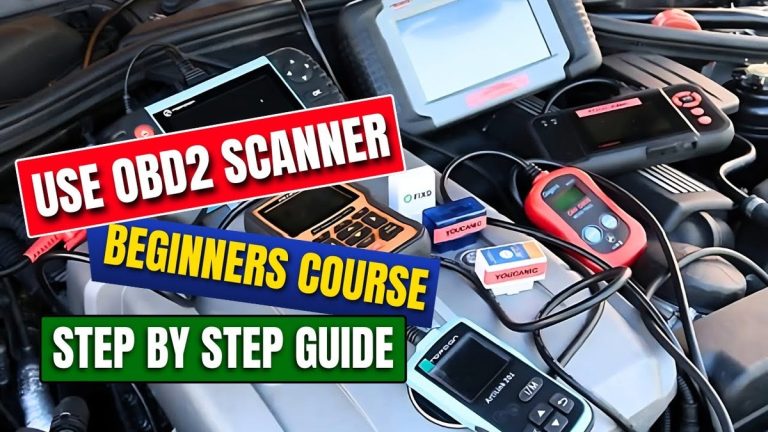
I compare basic Bluetooth adapters, handheld code readers, and professional tools. A simple Bluetooth OBD2 adapter can cost $10–$40. Handheld code readers with a screen and basic live data run about $40–$150. Professional-grade scanners with advanced features and manufacturer-specific functions start at $300 and go into the thousands.
I weigh features against cost. If I only want to read and clear codes, a $20 adapter usually does the job. If I need ABS, airbag, or transmission diagnostics, I budget for a mid-range or higher tool. Warranty length, software update policies, and included accessories also affect value.
Long-Term Savings
I track how often the scanner prevents unnecessary shop trips or costly repairs. Finding a loose gas cap or a simple sensor fault early can save me $100–$500 on diagnostic and repair bills. Over several years, a $50 tool that saves one or two shop visits often pays for itself.
I also factor in time saved. Reading codes at home lets me decide whether a repair needs a mechanic now or can wait. Higher-end tools add value if I maintain multiple cars or do frequent repairs. For occasional use, a cheap adapter or app-based scanner usually delivers the best return.
Device Compatibility
I check vehicle coverage, protocol support, and phone or PC compatibility before buying. Most OBD2 tools support CAN, ISO, and other common protocols for cars made after 1996 in the U.S., but specialty functions require model-specific support.
I verify app support and OS requirements for Bluetooth or Wi‑Fi adapters. Some scanners need a desktop program or subscription to unlock advanced tests. I confirm connector type and physical fit, too, since tight dashboards or aftermarket panels can block access. Compatibility problems quickly erase any savings from a low purchase price.
Benefits for Different Types of Vehicle Owners
I explain how an OBD2 scanner helps two main user groups. Each group gets practical, clear examples of time, money, and diagnostic value.
DIY Enthusiasts
I use an OBD2 scanner to diagnose problems before I start work. It tells me exact trouble codes (like P0302 for a misfire in cylinder 2), so I avoid swapping parts blindly. That saves me money on needless parts and hours of frustration.
I watch live data (RPM, fuel trim, O2 sensor voltage) while I test repairs. That lets me confirm a fix immediately, rather than guessing. Portables or Bluetooth adapters work well for home use and pair with phone apps I already own.
If I plan upgrades or tune the engine, I can log data and compare before/after results. Basic scanners cost under $50, while mid-range units give freeze-frame data and graphing for about $100–$300. I pick a tool that matches my skills and the tasks I do.
Professional Technicians
I rely on advanced OBD2 scanners for fast, accurate diagnostics in a shop setting. Full-system scan tools read manufacturer-specific codes, reset service lights, and access modules beyond the engine, like ABS, transmission, and body control modules.
I use a scanner with bi-directional control to run active tests (cycle relays, command actuators). That saves time on bench tests and pinpoints failures that code reading alone can’t show. Data recording and waveform capture help me document complex intermittent faults for warranty or customer records.
I value updateable software and OEM-level coverage. Higher-end tools cost more, but they reduce diagnostic time per job and lower the chance of comebacks. For busy shops, that return on investment quickly becomes measurable.
Potential Limitations and Drawbacks
I’ll point out the main limits that can affect how useful an OBD2 scanner is for you: accuracy and the range of systems it reads, the time it takes to learn useful diagnostics, and the care and updates the tool needs.
Accuracy and Coverage Variability
Not all scanners read the same codes or systems. Basic code readers show generic trouble codes (P0xxx) and may miss manufacturer-specific codes or data from ABS, airbag, or transmission modules. I’ve seen cheap scanners return only a code number with no helpful description, forcing me to search online for meaning.
Higher-end or brand-specific tools can read deeper systems and live data streams like fuel trims, cam/crank timing, and cylinder balance. Still, even advanced scanners can show false positives or miss intermittent faults if the fault hasn’t set a stored code. If you depend on exact readings, choose a scanner with clear protocol support for your vehicle’s make, model, and year.
Learning Curve
An OBD2 scanner gives raw data, not always clear answers. I often had to learn code definitions, freeze-frame data, and how to interpret sensor graphs. That requires time and some mechanical knowledge.
Simple plug-and-play apps can explain codes, but they sometimes give generic repair suggestions. To fix problems reliably, I had to cross-check live data, compare known-good values, and follow diagnostic procedures. Expect to spend a few hours learning the tool and more time when diagnosing tricky, intermittent issues.
Tool Maintenance
Scanners need updates and basic care. Vehicle manufacturers add new codes and protocols each year, so firmware and app updates are important. I’ve had older Bluetooth adapters fail to recognize newer cars until I updated their firmware.
Hardware can also wear: connector pins, cables, and buttons degrade with heavy use. Bluetooth or Wi-Fi models depend on phone app compatibility and OS updates. If you want reliable long-term use, budget for occasional updates, possible replacement adapters, and safe storage to protect the tool’s connector and electronics.
Alternatives to Personal Ownership
I outline two practical ways to get OBD2 diagnostics without buying a scanner: pay a pro when needed, or rent/borrow tools for a short time. Both choices can save money and avoid tool clutter for drivers who rarely need deep diagnostics.
Relying on Professional Services
I use shops or mobile mechanics when I want expert interpretation and repairs. They connect advanced scanners that read manufacturer-specific codes, run live-data tests, and perform service procedures like ABS bleeding or BMS registration. This matters if the car is under warranty or the fault looks complex.
Costs vary: a basic code read can cost $20–$100, while full diagnostics with labor can run higher. I get a clear repair estimate before work starts to avoid surprises. Professionals also carry safety gear and experience to diagnose electrical or mechanical faults that a simple scanner won’t explain.
Rental Options
I rent or borrow scanners when I need hands-on diagnostics but don’t want to buy. Auto parts stores often offer free code reads at the counter, or charge a small fee. Online marketplaces and some tool-rental shops let me rent upgraded OBD2 tools—Bluetooth adapters, mid-level handhelds, or shop-grade scanners—by the day.
Renting gives temporary access to features like live data streaming, EPB or ABS functions, and printer reports. I check vehicle compatibility and rental terms first. That way, I solve a specific issue without long-term cost or storage headaches.
Frequently Asked Questions
I get asked this a lot: do you really need an OBD2 scanner?
Yes, if you want to find basic engine and emissions codes quickly. It helps me decide if a light is a simple fix, like a loose gas cap, or something that needs a shop.
Will a cheap scanner do the job?
Cheap scanners read basic trouble codes and clear lights. I warn readers that they may miss advanced or manufacturer-specific data and have flaky Bluetooth or live-data drops.
Can an OBD2 scanner save me money?
I’ve saved on diagnostic fees by checking codes before going to a shop. It doesn’t replace a mechanic for complex repairs, but it can prevent unnecessary trips and guesswork.
Do I need a brand-specific tool?
For powertrain codes, most OBD2 devices work across cars. For ABS, airbag, transmission, or body systems, I recommend a scanner with enhanced or manufacturer coverage.
What about accuracy and safety?
Scanners read what the car’s computer reports, so they’re accurate for codes and live data. I don’t recommend using advanced functions unless you understand the risks, like clearing codes without fixing problems.
Which scanner should I buy?
I suggest matching features to your skills: basic code readers for casual owners, enhanced or professional tools for DIYers and mechanics. Consider reliability, update support, and warranty when choosing.
Conclusion
I find an OBD2 scanner a useful tool for most car owners. It gives quick fault codes, helps decide if a repair needs a mechanic, and can save time and money on simple issues.
If you work on your own car or want better control over maintenance, an OBD2 scanner is a clear asset. Affordable models handle basic codes and live data, while pricier units add features for deeper diagnostics.
Not every problem will be fixed with a scanner. Some faults still need a trained technician, special tools, or parts testing. I recommend viewing the scanner as the first step in the troubleshooting process.
To pick the right tool, match features to your needs: basic code reading for casual drivers, advanced data and bi-directional control for DIY mechanics. I suggest weighing cost, ease of use, and vehicle compatibility before buying.
I keep my expectations realistic. A scanner reduces guesswork and empowers me to ask better questions at the shop, but it does not replace professional diagnosis for complex issues.