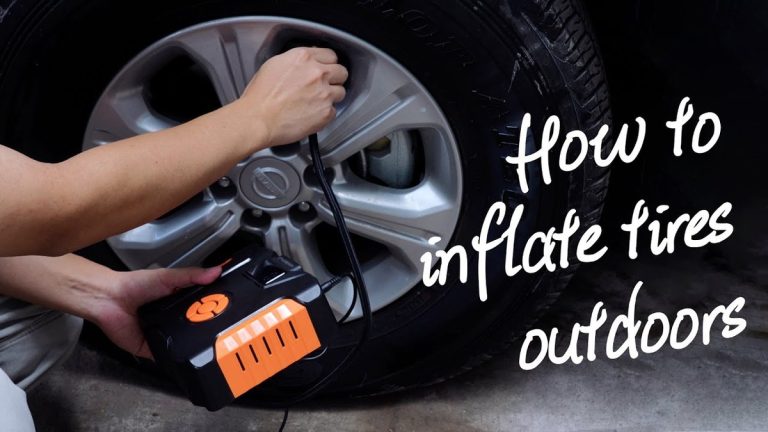
VIAIR 88P CFM: Performance And Specifications
The VIAIR 88P delivers 1.47 CFM at 0 PSI, making it a practical 12-volt compressor for many cars, SUVs, trucks, and off-road vehicles. Its performance suits tires up to 33 inches when you connect it directly to the vehicle battery.
With 1.47 CFM of airflow, the VIAIR 88P offers dependable tire inflation for everyday vehicles and moderate off-road use. We’ll examine its airflow, design, controls, setup, safety needs, and limits so you can decide whether it fits your vehicle.
Key Takeaways
- The compressor delivers 1.47 CFM at 0 PSI.
- It supports tires up to 33 inches.
- Battery clamps provide power for reliable operation.
Airflow And Performance Specifications
The VIAIR 88P delivers useful airflow for roadside tire repairs and routine inflation. Its real-world performance depends on tire size, starting pressure, power connection, and how long we run the compressor.
CFM Ratings Explained
The standard VIAIR 88P is commonly rated at 1.47 CFM at 0 PSI, while some updated versions list 1.97 CFM at 0 PSI. These figures show free-air delivery, not the airflow available while the compressor builds tire pressure.
As pressure rises, measured airflow usually drops. The 88P reaches up to 120 PSI, but that maximum does not mean it fills a tire at the same speed throughout the cycle. We should treat the CFM rating as a comparison point rather than a guaranteed inflation rate.
The compressor uses a 12-volt battery connection and includes a long air hose and power leads. It suits cars, SUVs, light trucks, and off-road vehicles with tires up to about 33 inches, provided we use the correct pressure and follow the duty-cycle limits.
Inflation Speed Expectations
VIAIR states that the 88P can inflate a typical passenger tire from low pressure to 30 PSI in about two to three minutes under suitable conditions. Larger truck, SUV, trailer, or off-road tires require more time because they hold more air.
We should connect the clamps directly to the vehicle battery, start the engine, and check pressure with the built-in gauge. Low battery voltage, a long extension, cold temperatures, or a severely underinflated tire can slow the process.
The compressor has a limited continuous operating period, commonly listed at about 25 minutes. We should stop before reaching that limit and allow the unit to cool, especially when inflating several large tires.
Compressor Design And Key Features
The VIAIR 88P uses a compact, oil-less design with a gearless direct-drive motor and permanently lubricated bearings. Its 120 PSI maximum rating, built-in pressure gauge, and 16-foot air hose support practical roadside tire inflation.
Power Source And Duty Cycle
We connect the 88P directly to a vehicle battery with its 12-volt battery clamps. This setup avoids the lower power available from many accessory sockets, but it requires access to the battery and proper attention to polarity. We should run the vehicle’s engine during use to reduce battery drain.
The compressor delivers about 1.47 CFM at 0 PSI, while some updated versions list up to 1.97 CFM at 0 PSI. Actual airflow decreases as tire pressure rises. The unit suits tires up to about 33 inches, though larger tires may take longer to fill.
Its duty cycle allows about 25 minutes of continuous operation, depending on the specific model and operating conditions. We should stop the compressor before that limit, let it cool, and avoid covering the motor or placing it on hot surfaces.
Included Hose And Accessories
The 88P includes a 16-foot air hose, which gives us useful reach around most cars, SUVs, and light trucks. Its solid brass screw-on chuck attaches directly to a tire valve and helps maintain a secure connection during inflation.
A built-in 120 PSI analog gauge lets us monitor pressure at the compressor. We should verify the final pressure with a separate tire gauge because readings can vary while air flows.
The kit also includes three inflation tips for items such as sports balls and air cushions. Battery clamps include a 20-amp inline fuse, and the unit has an LED power indicator or work light, depending on the version. We should keep the hose, clamps, and tips clean and dry during storage.
Compatible Tires And Vehicles
We can use the VIAIR 88P for most passenger vehicles and for light off-road use. Its 12-volt design, battery clamps, 16-foot air hose, and stated support for tires up to 33 inches make it more suitable for cars, SUVs, pickups, and similar vehicles than for heavy commercial equipment.
Passenger Cars And SUVs
We can use the 88P to inflate tires on sedans, hatchbacks, wagons, crossovers, and most SUVs. Its battery-clamp connection draws power directly from the vehicle battery, so it does not depend on a cabin power socket. The 16-foot hose also helps us reach all four wheels without moving the compressor.
The built-in pressure gauge lets us check tire pressure while inflating. On the standard 88P, we should monitor the gauge and switch the unit off manually when the tire reaches the vehicle maker’s recommended pressure. The digital EVC 88P adds a preset-pressure function and automatic shutoff, which can make routine inflation easier.
Light Trucks And Off-Road Applications
The 88P can handle many light-truck, pickup, and off-road tires up to 33 inches in diameter. We can connect its heavy-duty clamps to the battery and use the long hose to reach tires mounted on larger vehicles. This setup suits roadside pressure corrections, camping trips, and basic trail use.
Tire size affects inflation time, and larger tires usually require more time than passenger-car tires. We should run the vehicle engine during use to support the electrical system and follow the compressor’s duty-cycle and cooling instructions. The 88P is intended for light vehicles, not heavy-duty truck tires or continuous commercial operation.
Setup And Operating Instructions
We connect the VIAIR 88P to a suitable 12-volt power source, secure the vehicle, and check the tire valve before starting. We then monitor pressure during inflation and stop the compressor before removing the hose or changing connections.
Connecting To The Battery
Park on a level surface, set the parking brake, and turn the vehicle off. Remove the valve cap and attach the compressor’s air hose firmly to the tire valve. A tight connection helps prevent air loss and gives a more accurate pressure reading.
For vehicles with a compatible 12-volt accessory socket, we can use the supplied power plug. If the socket cannot provide enough current, we should connect the compressor’s red positive clamp to the battery’s positive terminal and the black negative clamp to the negative terminal. Keep the compressor on a stable surface with clear airflow around it.
Start the vehicle before switching on the compressor. This reduces the chance of draining the battery. Run the 88P in short intervals and follow the manual’s recommended duty cycle. The pump and hose can become hot, so we should avoid touching them during operation and let the unit cool before extended use.
Monitoring Tire Pressure
We should check the recommended cold tire pressure on the vehicle placard or in the owner’s manual, not on the tire sidewall. Turn on the compressor and watch the built-in pressure gauge while air enters the tire. The gauge may show pressure while the compressor runs, so we should stop the unit briefly for a steadier reading.
Inflate in short intervals, especially when making a small pressure adjustment. Compare the gauge reading with a separate tire-pressure gauge when accuracy matters. Stop at the specified pressure, switch off the compressor, and remove the hose carefully.
Replace the valve cap after checking the tire. Before driving, inspect the tire for visible damage and confirm that the hose and power leads remain clear of moving or hot vehicle parts.
Maintenance And Safety Considerations
We protect the VIAIR 88P’s performance by controlling heat, using the compressor only within its limits, and checking its condition before use. Proper storage and cleaning also help preserve the air hose, power connections, and moving parts.
Preventing Overheating
We place the compressor on a stable, open surface while it runs. We keep its cooling vents clear and avoid covering the motor or placing it on soft ground, such as grass, clothing, or carpet.
The 88P uses a permanently lubricated, maintenance-free motor, so we do not add oil. We also avoid running the unit continuously for longer than the manual allows. If the compressor becomes very hot, we switch it off, disconnect power, and let it cool before using it again.
We connect the compressor to the vehicle’s battery with the engine running, as specified for this model. We keep the power cable and air hose away from hot engine parts, sharp edges, and moving components. Before each use, we check the hose, clamps, plug, and wires for cuts, looseness, or other damage.
Storage And Cleaning
We turn off and unplug the compressor before cleaning or storing it. We wipe the housing with a dry or slightly damp cloth and keep water away from the motor, switches, plug, and battery connections.
We do not use solvents, fuel, or pressurized water. We remove dirt from the cooling vents with a soft brush or low-pressure air, taking care not to force debris into the motor.
Before storage, we let the unit cool fully and coil the hose and power cable without tight bends. We keep the 88P in a clean, dry place away from moisture, extreme heat, and direct sunlight. We inspect the battery clamps and connector before the next use, and we replace damaged parts rather than operating the compressor with exposed wires or worn fittings.
Value, Limitations, And Buying Considerations
We get useful portable performance from the VIAIR 88P because its 1.47 CFM airflow and direct battery connection support faster inflation than many small 12-volt pumps. Its value depends on tire size, inflation frequency, and whether we need extra features such as digital controls or automatic shutoff.
Strengths For Portable Inflation
The VIAIR 88P suits cars, SUVs, trucks, and off-road vehicles with tires up to about 33 inches. Its 1.47 CFM output provides practical inflation speed for roadside pressure checks, seasonal tire changes, and airing up after light off-road driving.
We connect the standard 88P directly to the vehicle battery with alligator clamps. This setup can supply more power than a compressor that uses a cabin 12-volt outlet, but it requires access to the battery and a safe connection point.
The compressor includes a 30-minute duty cycle, so we can inflate several tires if we allow cooling time when needed. We should check pressure with a separate, accurate gauge because the basic model does not provide the same digital controls as newer versions.
When A Higher-Capacity Model Is Needed
We should consider a larger compressor when we regularly inflate tires above 33 inches, service multiple vehicles, or need faster recovery after airing down. Larger VIAIR models, such as the 300P, can provide better performance for demanding truck and overland use.
The 88P also has limits during repeated, heavy operation. Its duty cycle requires cooling, and its battery-clamp connection may be less convenient than a permanently mounted system or a model with a longer hose and power leads.
Before buying, we should compare tire size, airflow, duty cycle, power connection, and control features. A digital version may suit us better if automatic shutoff and a built-in pressure display matter more than the lowest purchase price.
Frequently asked questions
What does CFM mean for the VIAIR 88P?
CFM means cubic feet per minute, or the volume of air the compressor delivers. The 88P is designed mainly for tire inflation, so its practical performance depends on tire size, pressure, and the starting pressure.
What power source does the VIAIR 88P use?
We connect it directly to a vehicle battery with the included alligator clips. The vehicle engine should run during operation to help protect the battery from excessive discharge.
Can we use the 88P for more than car tires?
Yes. We can use it for trucks, SUVs, RVs, motorcycles, bicycles, sports balls, and some inflatable items. We should check the required pressure and connector before starting.
How long can we run it?
We should follow the duty-cycle limits in the owner’s manual and allow the unit to cool when required. The compressor has a permanently lubricated, maintenance-free motor, so it does not need regular oil changes.
Does it include a pressure gauge?
Yes. The VIAIR 88P includes a built-in pressure gauge, a 16-foot air hose, a 10-foot power cord, and a carrying case. We should verify pressure with a separate gauge when precise readings matter.
Can we use it for heavy-duty air tools?
No. Its design suits tire inflation and other light inflation tasks, not continuous operation with air tools or large air tanks.
Conclusion
We can expect the VIAIR 88P to deliver about 1.47 CFM at 0 PSI, with airflow falling to roughly 1.25 CFM at 30 PSI and 0.64 CFM at 90 PSI. This makes it better suited to routine tire inflation and moderate off-road use than to fast, high-pressure work.
Its direct battery connection supports stronger performance than many cigarette-lighter inflators, but it requires access to the vehicle’s battery. The 120 PSI maximum pressure also gives us flexibility for cars, trucks, SUVs, and other inflatables.
The 88P fits our needs when we value compact size, solid airflow, and a practical portable design. We should follow its duty-cycle limits, monitor the compressor during use, and allow it to cool between extended inflation sessions.