What Size Tire Inflator Do I Need for Daily Emergency Use
For daily emergency use, most drivers should choose a compact 12V tire inflator that can reach placard pressure, has enough airflow for the tire size, and can run through at least one full top-off without overheating. If you drive larger tires or live in a cold climate, step up to a stronger model with a better duty cycle.
what size tire inflator do I need is usually answered by choosing a compact 12V unit that can reach your tire’s recommended pressure, move air fast enough for your tire size, and run long enough to finish the job without overheating. For daily emergency use, that usually means a portable inflator you can keep in the trunk, use at the roadside, and trust for one or more top-offs when pressure drops.
- Match the tire, not the hype: Use door-jamb placard pressure and tire size as your guide.
- Choose practical power: A 12V corded inflator is often the safest everyday backup.
- Check the duty cycle: The tool should handle a full top-off without overheating.
- Keep a separate gauge: Built-in gauges can be close, but a second check improves accuracy.
- Plan for safety: Roadside setup, battery condition, and cable condition matter as much as PSI.
What Size Tire Inflator Do I Need for Daily Emergency Use?
Quick answer: choose a compact 12V inflator with 150–200 PSI max, enough airflow for your tire size, and a duty cycle that can handle at least one full top-off without overheating
For most drivers, the “right size” is not about the biggest box or the highest PSI number. It is about matching the inflator to your tire needs, your power source, and how fast you want to get back on the road.
If you drive a normal passenger car or small SUV, a compact corded 12V inflator is often the best balance of cost, size, and emergency usefulness. Larger tires, frequent use, or colder climates may justify a higher-output model.
What “size” really means: PSI rating, airflow, hose length, power source, and storage footprint
Inflator “size” is really a mix of specs, not just physical dimensions. PSI rating tells you the maximum pressure the unit can reach, while airflow affects how quickly it fills a tire. Hose length and cable length matter at the roadside, and storage footprint matters if you need it to fit under a seat or in a small trunk.
For daily emergency use, a high max PSI is less important than practical output. Most car tires only need pressures around the placard value, so a tool that can reach that pressure reliably and safely matters more than a flashy peak number.
How to Match an Inflator to Your Vehicle and Driving Needs

Passenger cars, SUVs, trucks, and minivans: which tire sizes need more output
Smaller passenger-car tires generally need less air volume than larger SUV, truck, or minivan tires. That means a modest inflator can work well for compact sedans, while bigger tires often benefit from stronger airflow and a longer duty cycle.
If you are comparing options, a guide like CarValleyNJ’s best portable tire inflator roundup can help you think through output, portability, and everyday storage before you buy.
Daily commuting vs. road-trip backup vs. off-road use: how often you’ll actually need it
Daily commuters usually want a simple, dependable inflator that can handle a slow leak, seasonal pressure correction, or a low tire warning. Road-trip drivers may want faster inflation and a longer cord or hose, especially if the trunk is full.
Off-road drivers and people who air down often need more output and more heat management. In that case, a compact emergency unit may still be useful, but it may not be the only compressor you keep on hand.
Cold-weather inflation needs and why winter pressure drops change the choice
Cold weather lowers tire pressure, so winter is when many drivers discover whether their inflator is actually useful. If you live where temperatures swing hard, choose a unit that can comfortably top off all four tires without forcing long cooldown breaks.
A slower inflator can still work in winter, but it may be frustrating on larger tires. The key is to match the tool to your real seasonal needs, not just the warm-weather number printed on the box.
Power, Compatibility, and Emergency Readiness: 12V, Battery Packs, and Hybrid/EV Cautions
12V accessory socket vs. battery-clamp inflators vs. cordless battery inflators
12V accessory-socket inflators are popular because they are simple and ready when the car battery is healthy. Battery-clamp inflators connect directly to the battery and can be useful when the accessory socket is limited, but they require more caution around the battery area.
Cordless inflators are convenient and easy to store, but their runtime depends on battery capacity and charge level. If you want the most dependable emergency backup, many drivers still prefer a corded 12V unit for predictable power.
System voltage and battery chemistry basics: 12V lead-acid, AGM, lithium packs, and 48V considerations
Most everyday cars in the U.S. still use 12V systems, often with lead-acid or AGM batteries. Some newer vehicles also have additional electrical systems, and hybrid or EV designs can add complexity that changes what is safe to touch.
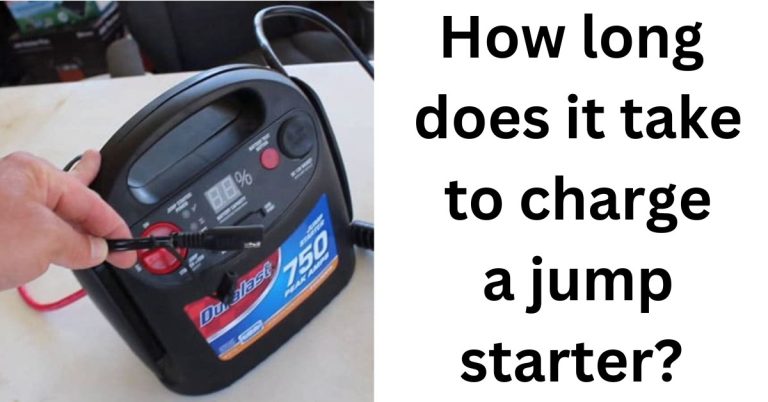
Lithium jump packs and cordless inflators are not the same as vehicle starter batteries. They have their own charging and storage rules, and the product manual should be your first reference before you connect anything.
State of charge vs. battery health: when a weak battery can still be unsafe to use
A battery can show enough charge to power a small inflator and still be unhealthy. Corrosion, age, swelling, damaged terminals, or repeated no-start events can make roadside use risky even if the lights still come on.
That is why a weak battery should not be treated as “fine enough” just because the inflator might run. If the battery looks damaged or the vehicle has repeated electrical problems, it is safer to stop and get help.
Correct connection order, damaged-battery stop conditions, and when not to jump or inflate
Always follow the product manual and vehicle instructions for connection order. If the inflator uses clamps, keep hands, cables, and loose clothing away from moving parts and hot engine components.
Hybrid and EV cautions: which inflators are appropriate and when to avoid DIY use
Many hybrids and EVs still have a 12V accessory system for low-voltage accessories, but the high-voltage system is a separate safety concern. A basic 12V tire inflator may be appropriate if it is used only as directed and away from high-voltage service points.
Do not assume every under-hood area is safe to work in. If your vehicle manual warns against DIY service in specific locations, follow that guidance and use a qualified technician when needed.
Check: Verify make, model, year, trim, voltage, ports, mounting space, and OEM requirements. Limitations: Some hybrids, EVs, and vehicles with limited accessory-socket output may need a different power approach or a manual-approved procedure.
What Tire Specs and TPMS Details Matter Before You Buy

Using the door-jamb placard and cold pressure as your baseline, not the sidewall max
Your starting point should be the tire pressure placard on the driver-side door jamb, not the sidewall maximum. The sidewall number is a tire limit, while the placard is the pressure the vehicle maker recommends for normal use.
Check pressure when the tires are cold, because driving heats the tire and can raise the reading. That simple step helps you choose an inflator that is accurate enough for everyday emergency use.
Inflator accuracy, gauge quality, and why small errors matter on low-profile or high-load tires
A small gauge error may not seem like much, but it matters when you are trying to hit the right pressure. Low-profile tires, loaded minivans, and heavier SUVs can be more sensitive to underinflation and overinflation than many drivers realize.
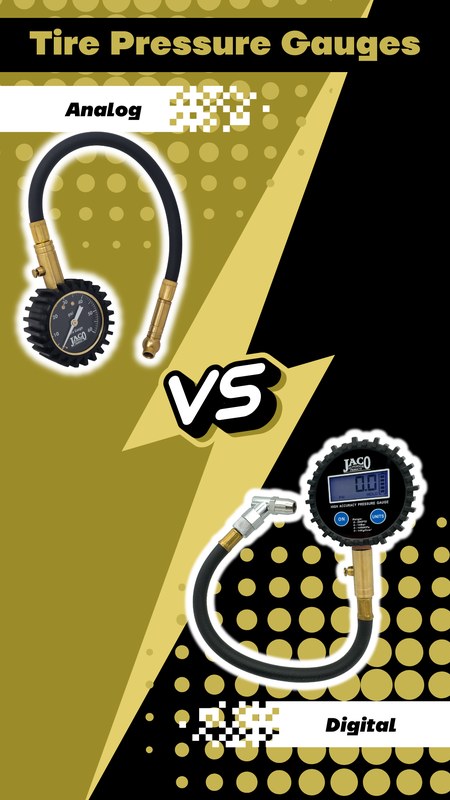
If the inflator’s built-in gauge is vague or hard to read, keep a separate tire pressure gauge in the car. That extra check can reduce guesswork and help you confirm the final pressure more confidently.
Duty cycle limits: how long the inflator can run before cooling down
Duty cycle tells you how long the inflator can run before it needs a rest. A tool that is fine for one sedan tire may struggle when asked to refill four larger tires in a row.
For daily emergency use, look for a duty cycle that can handle at least one full top-off without overheating. If the manual calls for cooldown breaks, plan around that instead of assuming the inflator can run nonstop.
TPMS relearn limits, sensor behavior, and what an inflator cannot reset or repair
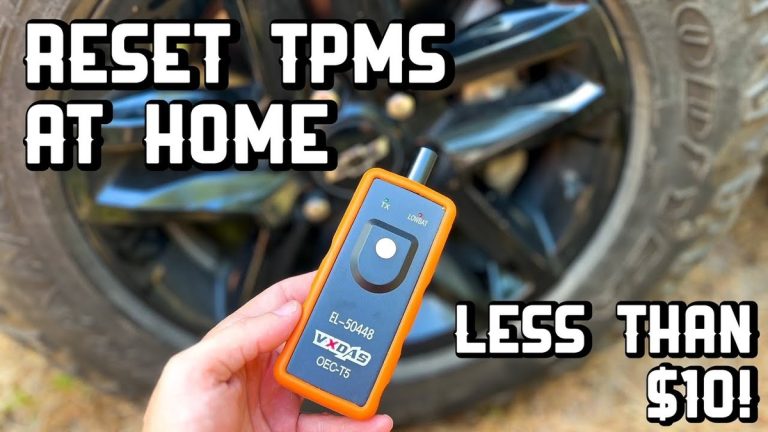
An inflator can add air, but it cannot fix a TPMS sensor, relearn a system by itself, or clear a warning that comes from another fault. Sometimes the light goes off after pressure is corrected, but not always.
If your TPMS warning stays on after proper inflation, the problem may be a sensor, valve issue, or system fault. In that case, the inflator did its job, but diagnosis still needs to happen.
Puncture location, temporary-repair limits, and when a tire needs professional repair or replacement
A compressor is not a repair tool for every puncture. If the damage is in the sidewall, the tire is badly cut, or the bead is compromised, inflation alone is not a safe fix.
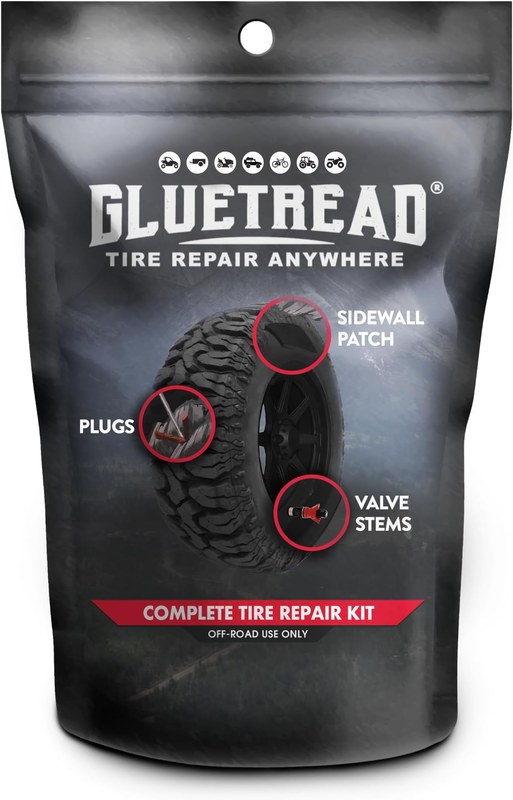
If you used a temporary sealant or plug kit, check the product instructions and get the tire inspected soon. A roadside top-off is only a bridge to proper repair, not a substitute for it.
Side-by-Side Comparison: Corded, Cordless, and Heavy-Duty Inflators
Corded 12V inflators: best for reliability, lower cost, and longer runtime
Corded 12V inflators are the most common emergency choice because they plug into the car and do not depend on a charged internal battery. They are usually easier to justify for a trunk kit because they are simpler and often less expensive.
The main trade-off is cord length, hose routing, and the need for a working vehicle power source. For many commuters, that is still an acceptable compromise.
Cordless inflators: best for convenience, but limited by battery capacity and recharge time
Cordless inflators are easy to grab and use anywhere, which is a real advantage if you do not want to manage cables at the roadside. They also tend to store neatly in smaller spaces.
The downside is battery dependence. If the pack is not charged, or if you need repeated fills, a cordless unit can run out of useful capacity at the wrong time.
Heavy-duty inflators: best for trucks, larger SUVs, and frequent use, but louder and bulkier
Heavy-duty inflators make sense when you need more airflow, more runtime, or more consistent performance on larger tires. They are often a better fit for trucks, loaded SUVs, and drivers who air up often.
They are usually louder and take up more room, so they are not the best match for every trunk. If storage space is tight, the bulk may outweigh the benefit.
Which option fits different drivers, vehicles, and storage needs in 2026
| Option | Best for | Owner consideration | Driver consideration |
|---|---|---|---|
| Corded 12V inflator | Most commuter cars and emergency top-offs | Usually lower cost and fewer battery concerns | Needs a working 12V outlet and safe cable routing |
| Cordless inflator | Quick convenience and small storage spaces | Battery charge and recharge time matter | Simple to carry, but runtime can be limited |
| Heavy-duty inflator | Large SUVs, trucks, and frequent use | More bulk and noise, but stronger output | Better for bigger tires, less ideal for tiny storage |
Roadside Safety, Storage, and Tool Completeness for Emergency Use
Safe location setup: traffic visibility, shoulder safety, hazard lights, and when to move the vehicle
Use the safest location available before you start inflating. If you can move fully off the travel lane, do it first, then turn on hazard lights and stay aware of traffic.
Do not kneel or reach into traffic lanes if you can avoid it. A few extra seconds spent setting up safely is worth far more than rushing the job.
Storage conditions: heat, cold, moisture, and how they affect hoses, seals, and batteries
Trunk heat, winter cold, and moisture can all affect inflator performance over time. Hoses can stiffen, seals can dry out, and cordless batteries can lose practical usefulness if they are stored poorly.
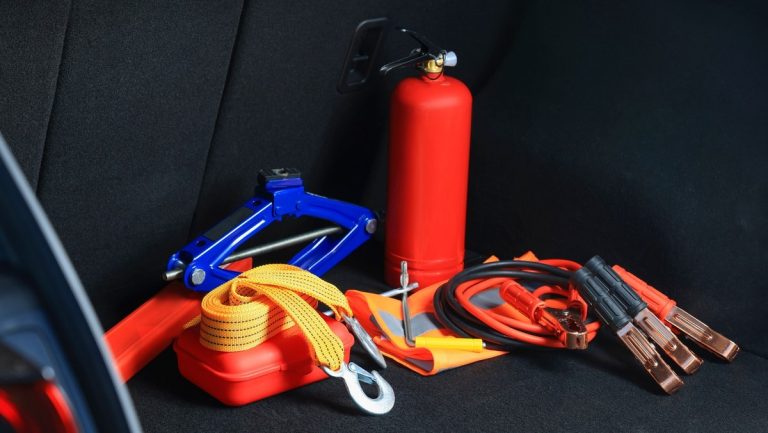
Tool completeness: nozzle adapters, fuse spares, gloves, flashlight, and pressure gauge
A good emergency inflator kit is more than the compressor itself. Add a separate pressure gauge, a flashlight, a pair of gloves, and any nozzle adapters you may need for bikes or sports gear.
Some corded models also benefit from spare fuses if the manufacturer allows them. Small extras can save a lot of frustration in a roadside moment.
Cable or pack condition checks before use: fraying, corrosion, swelling, and cracked housings
Inspect the power cord, clamp leads, battery pack, and housing before every season of use. Frayed insulation, corrosion, swelling, or cracked plastic can turn a simple inflation task into a safety problem.
Post-use inspection: heat, leaks, abnormal noise, and pressure verification after inflation
After use, let the unit cool and check the tire again with a gauge. If pressure drops quickly, there may be a leak or puncture that needs repair.
Listen for unusual noise and look for heat damage on the hose or connector. A quick post-use check helps you catch problems before the next emergency.
OBD2 and Diagnostic Features: Helpful Extras, Not a Replacement for Repair
Model-year and protocol coverage: which vehicles support OBD2 functions and which do not
Some inflators and companion tools now include OBD2 or app-based diagnostics, but that does not mean every vehicle will support every feature. Coverage depends on model year, protocol support, and the exact tool version.
If you are comparing connected tools, read the vehicle coverage list carefully. For broader scanner compatibility, CarValleyNJ’s guide to whether OBD2 scanners work on all cars is a helpful place to start.
Port location and ignition mode requirements before connecting an OBD2-enabled inflator or companion app
OBD2 ports are usually inside the cabin, but the exact location varies. Some tools need the ignition in a specific mode before they can read data, so the manual matters here too.
Never force a connector or work around a tight port by pulling on the cable. If access is awkward, use a better angle or a different tool rather than stressing the port.
Code reading and live-data limits: what you can see, what you cannot, and why that matters
OBD2 features can show trouble codes or live data, but they do not explain everything. A code may point to a symptom, not the true root cause.
That is why code reading is useful for context, but not a substitute for diagnosis. If the same warning keeps coming back, the underlying issue still needs attention.
Emissions readiness, reset limitations, and why clearing codes may not solve the underlying problem
Clearing a code does not repair the car. It may erase the warning for a while, but the problem can return if the fault is still present.
That matters for emissions readiness too, since some monitors need time and normal driving to reset. If you are unsure what a code means, it is better to record it first and clear it only when appropriate.
App permissions, firmware updates, and privacy considerations for connected devices
When diagnosis requires a professional: recurring codes, charging-system faults, TPMS faults, or battery warnings
If the same code returns, or if you see charging-system, battery, or TPMS faults, it may be time for a technician. A connected tool can help you notice the problem, but it cannot always solve it.
For drivers who want a deeper look at scanner behavior and ownership limits, CarValleyNJ’s what OBD scanners do mechanics use article explains why more data still has limits.
Product Review Criteria and Ownership Cost: How to Judge the Best Daily Emergency Inflator
Evaluation criteria: inflation speed, accuracy, duty cycle, durability, noise, portability, and ease of use
When you compare inflators, focus on the things that matter in a real emergency: how fast it adds air, how accurate the gauge is, how long it can run, and how easy it is to use at the roadside.
Noise and storage size matter too. A tool that is too loud, too bulky, or too awkward to unpack may not be the one you actually reach for when you need it.
Evidence limits: what can be verified from specs, manuals, and user reports versus what cannot
Manufacturer specs can verify max PSI, included accessories, power source, and warranty terms. Owner reports can help show common pain points, like short cords or heat buildup, but they do not prove every unit behaves the same.
Without first-hand testing evidence, the safest judgment is to rely on documentation, support terms, and consistent user patterns rather than bold performance claims.
Ideal user and vehicle match: commuter cars, family SUVs, older vehicles, and larger tires
A compact inflator is often enough for commuter cars and smaller family vehicles. Older vehicles may benefit from simpler tools with fewer app dependencies and fewer points of failure.
Larger tires and frequent use push you toward stronger airflow and better cooling. If your vehicle spends a lot of time loaded down, that extra output can be worthwhile.
Drawbacks and limitations: heat buildup, short cords, slow large-tire inflation, and battery dependence
Every inflator has trade-offs. Smaller units may heat up faster, corded units may have short reach, and cordless units may be limited by battery life.
Those limitations are not dealbreakers if they match your use case. They become a problem when the tool is too small for the tires you actually drive on.
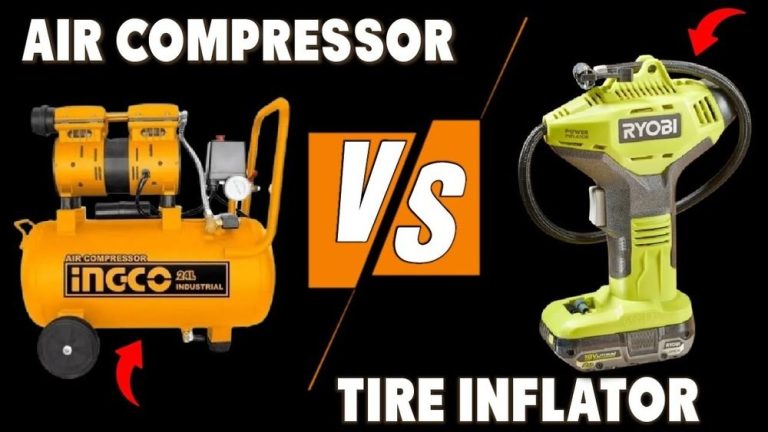
Alternatives to consider: portable jump packs with air, shop compressors, and roadside assistance
If you want one tool for multiple emergencies, a jump pack with air may be worth considering. If you have garage space, a shop compressor can be faster and more comfortable for routine top-offs.
Roadside assistance is still a smart backup for drivers who do not want to rely on self-service in unsafe weather or traffic. The best plan is often a mix of tools, not just one device.
Warranty, support, replacement parts, and total ownership cost over time
Warranty and support matter because emergency tools sit unused for long periods. If the hose cracks, the battery fails, or the gauge drifts, replacement parts and customer service can determine whether the tool stays useful.
Transparent verdict framework: when a compact inflator is enough and when to step up to a higher-output model
- Best for: Drivers who want a simple, trunk-friendly emergency inflator for commuter cars, small SUVs, and seasonal top-offs.
- Think twice if: You have large tires, need repeated fills, or want the fastest possible inflation in cold weather.
- Next step: Compare your placard pressure, power source, storage space, and duty cycle before you buy.
Frequently Asked Questions
Start with your door-jamb placard pressure and tire size. Then choose a compact inflator that can reach that pressure and run long enough to top off at least one tire without overheating.
Yes, if the battery is charged and the unit has enough runtime for your tire size. Cordless models are convenient, but corded 12V inflators are usually more dependable for repeat use.
It can only add air to the tire. If the TPMS light stays on after proper inflation, the issue may be a sensor, valve problem, or another system fault.
Verify vehicle compatibility, power source, hose length, duty cycle, gauge quality, and storage space. Also check warranty terms, included adapters, and whether the tool fits your tire size and use pattern.
Often yes, especially for larger tires or frequent inflation. A stronger unit usually handles more air volume and heat better than a small emergency-only model.
Check it every few months for hose cracks, cord damage, battery charge, and gauge function. A quick inspection helps ensure it works when you need it on the roadside.