Can a Tire Plug Kit Fix a Sidewall Puncture Safely?
No, a tire plug kit should not be used to fix a sidewall puncture safely. Sidewall damage usually means the tire needs professional inspection and often replacement.
can a tire plug kit fix a sidewall puncture is a question many drivers ask after finding a nail, screw, or cut in the tire. The short answer is no for a sidewall puncture, because the sidewall flexes too much for a plug to restore strength safely.
- Sidewall damage: A plug will not restore the tire’s structural strength.
- Safe repair zone: Small tread punctures are the only common plug-kit use case.
- Best next step: Inspect for cords, bulges, and pressure loss before driving farther.
- Emergency choice: Spare tire, roadside help, or tow is safer than a sidewall plug.
Can a Tire Plug Kit Fix a Sidewall Puncture Safely? The Short Answer for Drivers
A tire plug kit is designed for small punctures in the tread area, not the sidewall. If the damage is on the sidewall, shoulder, or near the bead, the safe move is usually to replace the tire or get a professional opinion right away.
That matters because a plug can stop air loss, but it cannot rebuild the tire’s structural cords. On a sidewall, that missing strength can turn into a blowout, especially at highway speed, with a full load, or in hot weather.
Why Sidewall Punctures Are Different From Tread Punctures

How the sidewall flexes under load and heat
The tread mostly rolls and carries the road contact patch, while the sidewall bends every time the tire rotates. That flex creates heat, and heat weakens damaged rubber and internal cords over time.
A small hole in the tread can sometimes be repaired because that area is less stressed. A sidewall puncture is different because the damage sits in the part of the tire that must bend and support the vehicle at the same time.
Why plug materials cannot restore sidewall strength
Plug material fills the hole, but it does not replace the cord layers inside the tire. Even if the leak stops, the tire may still have hidden structural damage that grows with use.
That is why a sidewall plug can look successful at first and still fail later. For that reason, most tire repair guidance treats sidewall damage as a replacement issue, not a plug-kit fix.
When a Plug Kit Is Appropriate and When It Is Not
Safe repair zone: tread area versus shoulder and sidewall
In general, the safest repair zone is the center tread area, not the shoulder or sidewall. The exact repairable area can vary by tire maker and repair standard, so the tire’s condition matters as much as the location.
If the puncture is close to the shoulder, the tire may already be in a high-flex zone. That makes a plug much less reliable than a proper internal repair or replacement.
Temporary roadside fixes versus permanent repairs
A plug kit can be a temporary roadside fix for some tread punctures when you need to get off the road safely. It is not the same thing as a permanent repair, and it should not be used to avoid a replacement when the tire is damaged beyond repair.
If you need a better overview of tire repair tools and inflation gear, our guide to how to use a portable tire inflator explains the basics of safe inflation after a temporary fix.
Professional repair thresholds and replacement triggers
Professional shops usually look at puncture size, location, tire age, visible cords, sidewall bulges, and prior driving on low pressure. If any of those point to structural damage, replacement is safer than repair.
When a tire has been driven flat or nearly flat, internal damage may exist even if the outside looks minor. That is one reason a sidewall puncture should be treated as a serious tire-safety problem, not just an air leak.
How to Inspect a Tire Before You Decide on Any Repair

Finding the puncture location and measuring damage size
Start by finding the puncture and identifying whether it is in the tread, shoulder, or sidewall. Use good light and look for cuts, bubbles, exposed cords, and any uneven tire shape.
If the damage is a cut rather than a clean puncture, measure it carefully. A long tear, a gash, or any visible cord damage is a strong sign that a plug is not the right answer.
Checking cold pressure against the door-jamb placard
Before you assume the tire is safe to keep using, check the cold tire pressure against the placard on the driver-side door jamb. That placard gives the vehicle maker’s recommended pressure for the original setup.
Low pressure can make a repair look worse than it is, but it can also hide a real problem. If the tire is far below spec, inspect for more damage before adding air and driving again.
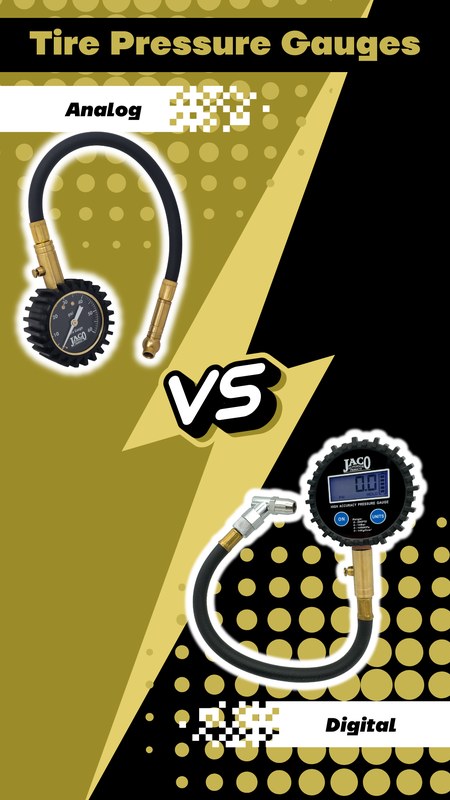
Using a reliable gauge and understanding TPMS limits
A TPMS warning is helpful, but it is not a damage detector. It tells you pressure is low or changing, not whether the tire has a sidewall tear or internal cord failure.
Use a reliable gauge to confirm pressure rather than relying only on the dash light. For battery and electrical checks that may help if you are also dealing with a dead inflator or weak roadside gear, see how to test a battery with a multimeter and our guide on how to test a battery with a battery tester.
What a Tire Plug Kit Can and Cannot Do in an Emergency
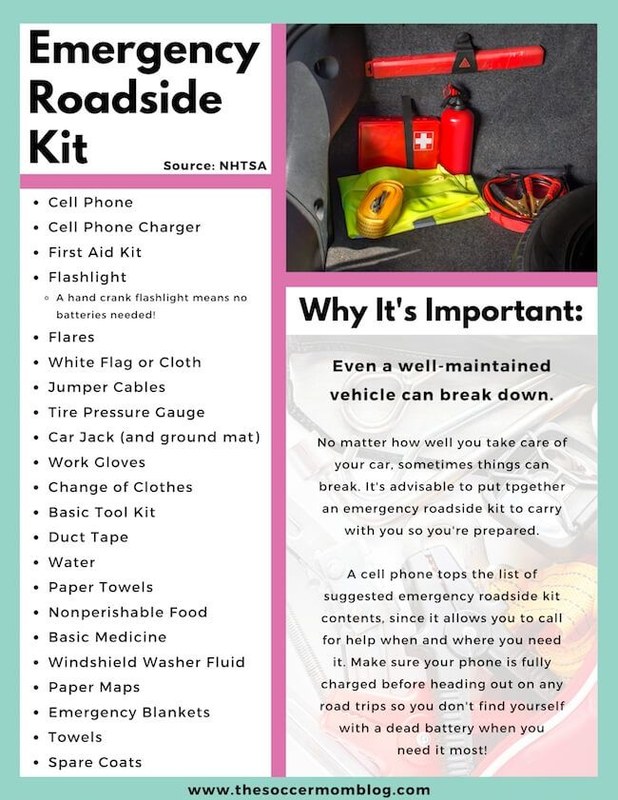
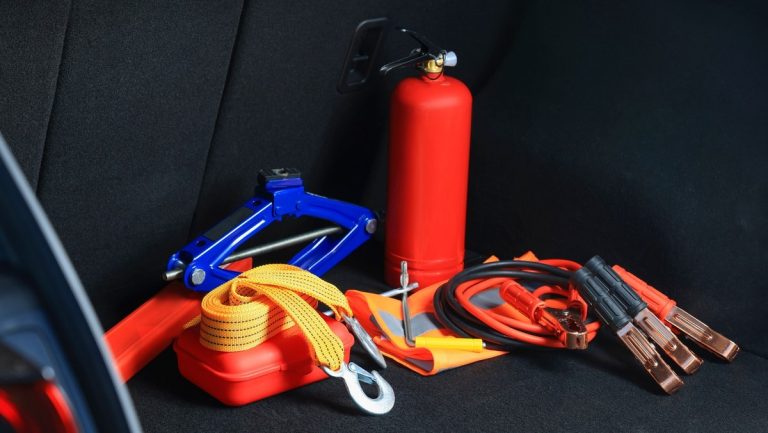
Kit components, tool completeness, and storage condition checks
A basic plug kit usually includes insertion tools, repair strings or plugs, and sometimes a reamer. Before you rely on it, make sure every part is present, clean, and not dried out, cracked, or rusted.
Storage matters too. A kit tossed around in a hot trunk or wet cargo area may be harder to use when you need it most, and damaged tools can make a roadside repair more difficult.
Inflator duty cycle, current limits, and post-use inspection
If your emergency kit includes a portable inflator, check its duty cycle and power source before you count on it. Some inflators are meant for short bursts only, and low battery or overheated components can slow inflation at the worst time.
After any emergency use, inspect the tire again at home or in a shop. A temporary plug should never be the end of the story if the tire shows sidewall damage, repeated air loss, or uneven wear.
Safe roadside setup: visibility, traffic exposure, and workspace
Roadside tire work adds traffic risk, so your setup matters as much as the repair itself. Pull fully off the travel lane, set hazard lights if appropriate, and keep yourself out of traffic whenever possible.
Step-by-Step: Temporary Tire Repair Decision Guide for 2026 Drivers
Assessing puncture location, tire age, and sidewall damage
First, confirm the puncture location. If it is on the sidewall or shoulder, stop thinking “plug” and start thinking “replacement or tow.”
Then check tire age and condition. Deep cracking, bulges, exposed cords, or repeated low-pressure driving all lower the chance that any repair will be safe.
Choosing between plug, plug-patch, spare tire, or tow
If the puncture is in the tread and small enough for a repair standard, a plug or plug-patch may be considered by a tire professional. If the damage is in the sidewall, a spare tire or tow is usually the safer path.
Use the spare only if your vehicle is equipped with one and the spare is inflated and road-ready. If not, roadside assistance may be the best option, especially when the tire is too damaged to trust for even a short drive.
When to stop immediately and call a professional
Stop right away if you see a bulge, hear a loud leak, smell burning rubber, or notice the tire has gone very soft. Those are signs that the tire may be unsafe to move any farther than necessary.
Comparison: Tire Plug Kit vs Spare Tire vs Tire Sealant vs Roadside Assistance
Repair speed, safety, cost, and compatibility side by side
| Option | Best for | Owner consideration | Driver consideration |
|---|---|---|---|
| Tire plug kit | Small tread punctures | Low cost, but limited use and not for sidewalls | Fast roadside fix, but only if the tire is repairable |
| Spare tire | Short-term mobility after a flat | Needs storage space and pressure checks | Safer than a bad repair, but may change handling |
| Tire sealant | Very short emergency mobility | Can create cleanup and sensor issues | May get you off the road, not to long-term use |
| Roadside assistance | Unsafe, uncertain, or damaged tires | May be covered by insurance or membership | Least hands-on risk near traffic |
Which option fits commuters, families, SUVs, and EVs
Commuters often want the fastest safe option, which may be a spare or roadside help if the tire is not repairable. Families usually benefit from the lowest-risk choice, especially when children are in the vehicle and the driver should avoid roadside work.
SUVs and EVs can be heavier, which increases tire load and can make damage more serious. For those vehicles, a questionable sidewall puncture deserves extra caution rather than a quick plug attempt.
Ownership cost and convenience over time
A plug kit is cheap to own, but it only helps in a narrow set of situations. A spare tire costs more in space and maintenance, while roadside assistance costs less effort at the scene but may involve a membership or service fee.
For drivers who want a broader emergency setup, a good inflator matters too. If you are comparing inflation tools, our coverage of the best portable tire inflator can help you think through convenience, storage, and emergency use.
Vehicle Compatibility and Special Cases That Change the Answer
Low-profile tires, run-flats, performance tires, and trucks
Low-profile and performance tires often have stiffer sidewalls, but that does not make sidewall punctures safe to plug. Run-flat tires also have special construction, and repair rules can differ by manufacturer and tire model.
Trucks and SUVs may carry heavier loads, which increases stress on damaged rubber. That makes the sidewall even less forgiving if the tire has already been compromised.
Hybrid and EV cautions: weight, torque, and battery-related service risks
Hybrids and EVs can place different demands on tires because of vehicle weight and instant torque. If the tire is damaged, do not assume the same repair judgment you would use on a lighter sedan.
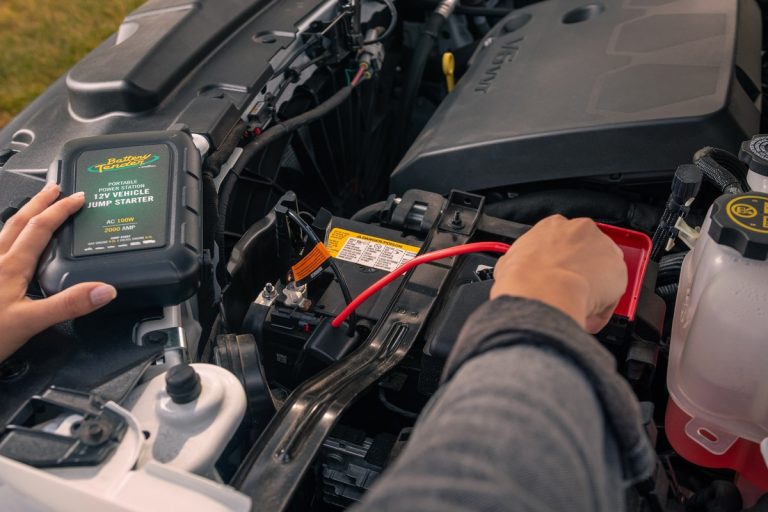
Also be careful around battery-related service concerns if the vehicle is disabled in a way that affects power systems. If you need to check a weak 12-volt battery before moving the car, use a safe diagnostic approach and follow the vehicle manual.
TPMS relearn limits and when sensor issues complicate repair
After a tire repair or replacement, some vehicles need a TPMS relearn or reset process. Others relearn automatically after driving, but the exact method depends on the vehicle.
If the sensor is damaged, missing, or reporting an error, that can complicate the repair decision. A tire with sidewall damage plus a TPMS issue should be treated as a job for a tire shop, not a quick plug in the driveway.
Legal, Insurance, and Maintenance Considerations After a Puncture
State-by-state repair practices and inspection concerns in the U.S.
U.S. repair practices can vary by state, inspection station, and shop policy. Some places are stricter about tire condition during inspection, especially when cords, sidewall cuts, or temporary repairs are involved.
Insurance, roadside coverage, and documentation for claims
If a pothole, road debris, or collision caused the puncture, document the tire damage and the scene if it is safe to do so. Photos can help if you later file a claim or ask about roadside coverage.
Insurance and membership benefits vary, so it helps to know whether towing, tire changes, or emergency roadside help are included. That can make the difference between a quick safe service call and an unnecessary risky repair attempt.
Post-repair maintenance: pressure checks, tread monitoring, and replacement timing
After any temporary repair or tire replacement, check pressure again soon and watch for slow leaks. Recheck the tire after the first drive and again over the next few days if the vehicle sits for long periods.
If the tire was repaired at all, monitor tread wear and the sidewall closely. A tire that keeps losing pressure, develops a vibration, or shows fresh damage should be replaced rather than pushed back into daily use.
- Best for: Drivers with a small puncture in the tread area who need a temporary way to reach a tire shop.
- Think twice if: The damage is on the sidewall, shoulder, or anywhere cords, bubbles, or cuts are visible.
- Next step: Check the puncture location, compare pressure to the door-jamb placard, and choose replacement or roadside help if the sidewall is involved.
Frequently Asked Questions
Usually no. Plug kits are meant for small tread punctures, while sidewall damage can weaken the tire’s structure and lead to failure.
Stop using the tire as soon as practical and inspect it closely. Replacement or towing is usually safer than trying to plug the sidewall.
Only if you must move to a safer spot, and keep the distance as short as possible. If the tire is bulging, losing air quickly, or showing cords, do not drive it.
Check the puncture location, tire pressure, visible damage, and whether cords or bubbles are present. Tread punctures may be repairable, but shoulder and sidewall damage usually are not.
Yes. TPMS can warn you about low pressure, but it does not confirm that a tire is structurally safe, so you should still inspect the tire after any repair.
Check what the kit includes, how it stores, whether the inflator can reach your tire pressure needs, and whether your vehicle has a spare or roadside coverage option.