How Long Does It Take a Portable Tire Inflator to Fill a Tire
A portable tire inflator usually takes a few minutes for a small top-off and longer for larger or nearly flat tires. Tire size, starting PSI, airflow, and duty cycle matter more than the max-PSI claim on the box.
How long does it take a portable tire inflator to fill a tire depends mostly on how low the tire is, how big it is, and how much air the inflator can actually move. For a simple top-off, many drivers are looking at a few minutes, while a nearly flat SUV or truck tire can take much longer and may push a small inflator to its duty-cycle limit.
- Typical timing: A passenger tire needing a small top-off often takes about 2 to 5 minutes.
- Biggest factor: Starting PSI and tire volume change fill time more than max PSI marketing.
- Use the right target: Inflate to the door-jamb placard pressure, not the tire sidewall number.
- Power matters: Weak 12V power, low cordless charge, or overheating can slow or stop the inflator.
- Know the limit: An inflator adds air but does not repair sidewall damage, major punctures, or TPMS.
How Long It Usually Takes a Portable Tire Inflator to Fill a Tire
Most portable inflators work fastest when they are topping off a tire that is only a little low. A tire that dropped from 35 PSI to 30 PSI is a very different job from one sitting near 10 PSI after a slow leak. That is why published “0 to 35 PSI” or “fill time” claims can be hard to compare across brands.
Typical fill times for compact cars, SUVs, pickups, and larger tires
As a rough guide, a compact car tire that needs a small top-off may take about 2 to 5 minutes with a decent portable inflator. A crossover or SUV tire often lands in the 4 to 8 minute range for a moderate refill. Pickup tires, all-terrain tires, and larger trailer tires can take longer, especially when the tire volume is much greater.
If the tire is nearly flat, those times can stretch a lot. A small cordless inflator that feels quick on a sedan may feel slow on a truck. High-pressure compact spares can also surprise people. They are small, but many require much higher PSI than standard passenger tires, so the inflator must be able to reach that pressure safely.
What changes the time most: starting PSI, target PSI, tire size, and inflator airflow
Four things matter most. First is starting pressure. Adding 5 PSI is easy compared with adding 20 PSI. Second is your target pressure from the vehicle placard. Third is tire size and internal air volume. Fourth is inflator airflow, usually described in CFM, L/min, or similar terms, though brands do not always rate airflow the same way.
Max PSI is not the same as speed. An inflator may advertise a high pressure limit but still move air slowly. That matters more on larger tires. If you want a deeper breakdown of size and output, CarValleyNJ’s guide on what size tire inflator you need is useful before you buy.
Why topping off from 28 to 35 PSI is very different from filling a nearly flat tire
Topping off from 28 to 35 PSI usually means the tire still holds its shape and the inflator is working in a normal range. Filling from very low pressure takes longer because the pump has to replace much more air, and the tire may also be losing air at the same time if there is a puncture.
That is also where heat becomes a factor. Small compressors generate heat fast, and many are designed for short bursts, not long continuous runs. So a job that sounds like “just one tire” can turn into several inflation cycles with cooling breaks in between.
How to Estimate Fill Time Before You Start
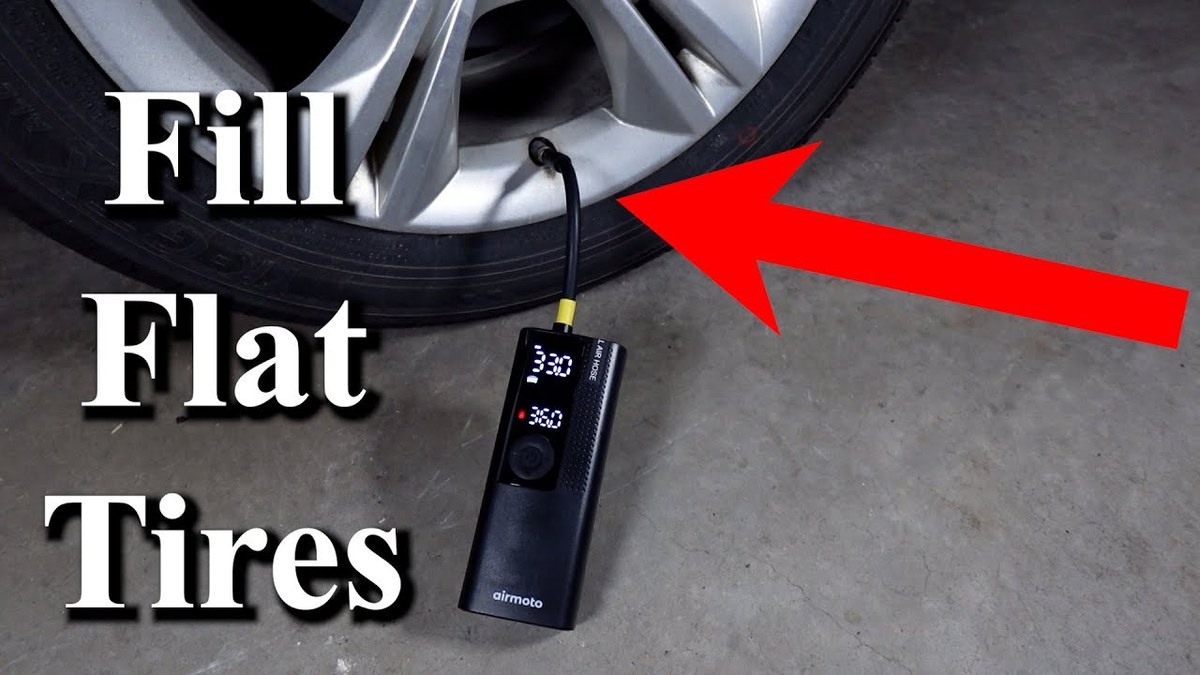
You can make a decent estimate before connecting the hose. The trick is knowing the correct target pressure, how low the tire is now, and whether your inflator is built for quick top-offs or bigger refill jobs.
Use the door-jamb placard, not the tire sidewall, for the correct cold pressure
The correct pressure for normal driving is usually on the driver-side door jamb, not on the tire sidewall. The sidewall shows the tire’s maximum rated pressure information, which is not the same as the recommended operating pressure for your vehicle.
If you are unsure how to get an accurate reading before you inflate, see CarValleyNJ’s guide on how to check tire pressure at home. A good starting reading helps you estimate time and avoid overfilling.
How cold pressure, ambient temperature, and gauge accuracy affect your estimate
Tire pressure should be checked cold whenever possible. After driving, pressure rises as the tire warms up, which can make the tire seem fuller than it really is. Ambient temperature matters too. A cold morning can lower the reading enough to trigger a warning light even when the tire has no damage.
Gauge accuracy also affects your estimate. A built-in inflator gauge may not match a separate handheld gauge exactly. Small differences are common, so if time and accuracy matter, use one reliable gauge consistently and recheck after the tire cools down.
Why inflator duty cycle can turn a 5-minute job into a 15-minute stop
Duty cycle is the amount of time an inflator can run before it needs to cool down. This is one of the most overlooked specs. A compact inflator may be able to fill the tire eventually, but not in one continuous run.
For example, an inflator might need a cooling break after several minutes of operation. If you are filling a larger tire or multiple tires, that pause can make a short roadside stop much longer. This is one reason heavier portable compressors are often a better match for trucks and larger SUVs.
- Use the door-jamb placard for the target cold pressure
- Check current PSI before you start so you can estimate fill time better
- Read the inflator’s duty-cycle limits before using it on larger tires
- Use the tire sidewall max pressure as your everyday target
- Assume max PSI means fast inflation on large-volume tires
- Ignore cooling breaks if the inflator housing gets very hot
Portable Tire Inflator Types Compared by Speed, Power, and Best Use
Not all portable inflators serve the same job. Some are best for quick commuter top-offs. Others are much better for larger tires, repeated use, or roadside emergencies where speed matters.
12-volt car inflators vs battery-powered inflators vs heavy-duty portable compressors
12-volt inflators plug into the vehicle’s power outlet or connect directly to the battery, depending on the design. They are common, affordable, and practical for glove-box or cargo-area use. Battery-powered inflators are more convenient because there is no cord to the car, but many compact models trade some speed and runtime for portability.
Heavy-duty portable compressors are usually larger and less convenient to store, but they are often the better choice for pickups, off-road tires, trailers, and repeated use. If you are deciding between categories, CarValleyNJ’s comparison of tire inflator vs air compressor for car tires can help narrow it down.
Side-by-side comparison: airflow, max PSI, run time, noise, cord length, and portability
| Option | Best for | Owner consideration | Driver consideration |
|---|---|---|---|
| Compact 12V inflator | Routine top-offs on passenger cars | Usually easier on cost and storage space | Power cord length and outlet access matter on the roadside |
| Cordless inflator | Fast grab-and-go use and garage convenience | Battery charging and spare-battery planning matter | No cord to the car, but runtime may be limited |
| Heavy-duty portable compressor | Trucks, larger tires, repeated fills | Takes more cargo space and usually costs more | Often faster, but heavier and noisier to handle |
Which option fits commuters, road-trippers, trucks, performance cars, and occasional drivers
Commuters and occasional drivers usually do fine with a good compact 12V or cordless unit, especially if they mainly need seasonal top-offs. Road-trippers may prefer a faster unit with a longer cord, brighter display, and better hose reach. Truck owners and trailer users benefit most from stronger airflow and a better duty cycle.
Performance cars and low-profile tires add another wrinkle. Access around the valve stem can be tighter, and accuracy matters more because even small pressure changes can affect ride and handling. In those cases, a better gauge and auto-stop function can be worth paying for.
Check: Verify tire size, recommended pressure, power source, outlet type, hose reach, and whether the inflator is rated for your vehicle class. Limitations: Some compact inflators are fine for passenger cars but are a poor fit for larger truck, trailer, or off-road tires.
How to Use a Portable Tire Inflator Safely and Correctly
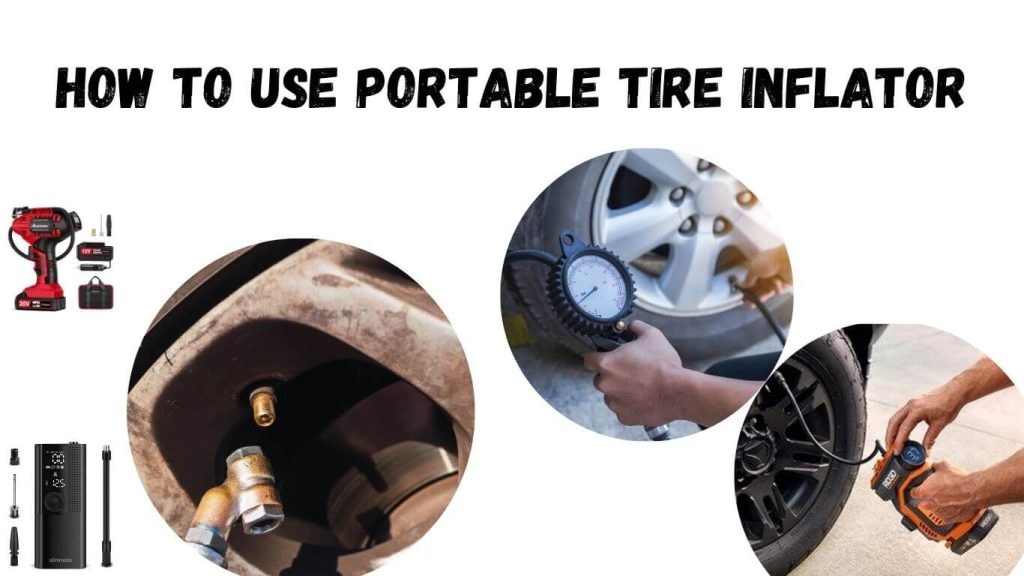
Fast inflation is not helpful if the setup is unsafe. A few simple steps can protect both the driver and the tool.
Park in a safe location, improve traffic visibility, and inspect the tire before inflating
Move as far from traffic as possible on a level surface. Turn on hazard lights and use extra visibility gear if you have it. Before adding air, inspect the tire for obvious cuts, exposed cords, sidewall bulges, or a puncture that is too severe for inflation to help.
Connection steps: valve setup, correct power connection order, and ignition mode for 12V units
Remove the valve cap, seat the hose firmly, and make sure the connection is not leaking. For 12V units, follow the product instructions for power connection order. Some models work best with the vehicle in accessory or engine-running mode, while others have specific warnings about outlet load or direct-battery clamps.
If you want a full walk-through, CarValleyNJ also has a step-by-step guide on how to use a portable tire inflator. The exact sequence can vary by tool design.
System voltage, current limits, cable condition, and why weak batteries can slow performance
A weak 12V system can reduce inflator performance. Low voltage can mean slower motor speed, less airflow, or repeated shutdowns. Damaged cables, loose plugs, or a hot power outlet can also limit current and hurt performance.
If your battery is already struggling, the inflator may work poorly or stop early. That does not always mean the inflator is bad. It can mean the vehicle power supply is the real problem.
Hybrid and EV cautions, storage conditions, and post-use inspection of the tool
Hybrids and EVs may have different accessory-power behavior than gas vehicles, so it is smart to follow the owner’s manual before relying on a 12V outlet for extended use. Avoid storing inflators where extreme heat, moisture, or physical damage can harm the hose, battery pack, or seals.
After use, let the unit cool, coil the hose carefully, and inspect the cord, connectors, and chuck. A small leak at the hose fitting can make the next fill feel much slower than it should.
What Can Slow Down or Stop an Inflator From Working Properly
When an inflator is taking too long, the cause is not always the pump itself. Power, battery condition, heat, and air leaks all matter.
Low vehicle battery state of charge vs poor battery health and how each affects output
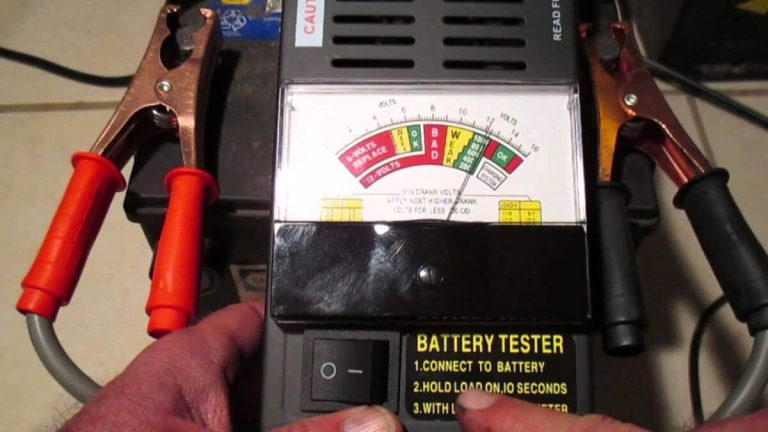
A battery with low state of charge may simply need recharging. A battery with poor health may show voltage sag under load and struggle even after charging. Both can reduce inflator output, but they are different problems. If battery condition seems questionable, basic testing can help separate low charge from a worn-out battery.
Battery chemistry basics for cordless inflators and why charge level matters more than age alone
Most cordless inflators use rechargeable lithium-based battery packs. In normal use, charge level has a more direct effect on performance than age alone. A partly depleted pack may still power the unit, but airflow and runtime can feel weaker as the pack drains, especially on larger tires.
Damaged-battery stop conditions, overheating shutdowns, blown fuses, and pressure-leak issues
Some inflators stop automatically if the battery pack overheats, the motor gets too hot, or the unit detects an electrical problem. A blown fuse can stop a 12V inflator completely. So can a leaking hose connection that prevents pressure from building.
If the inflator runs but the tire pressure barely rises, check for air escaping at the valve connection first. That simple issue causes a lot of “this inflator is too slow” complaints.
When a puncture location or sidewall damage makes inflation unsafe or pointless
If the tire has sidewall damage, a bulge, exposed cords, or a large cut, adding air may be unsafe. The same is true if the tire will not hold pressure long enough to move the vehicle safely. Sidewall punctures are especially serious because that area flexes constantly and is usually not considered safely repairable in normal service.
Portable Inflator Limits: Tire Damage, Temporary Repairs, and TPMS Reality
A portable inflator adds air. That sounds obvious, but it is important because many drivers expect it to solve problems that actually need tire repair or diagnostics.
What inflators can and cannot do for nails, tread punctures, sidewall cuts, and bead leaks
An inflator can help if the tire only needs more air or if a very slow tread-area leak is being managed long enough to reach service. It cannot repair a sidewall cut, bead leak, bent wheel issue, or major puncture. If the leak is fast, the pressure may fall almost as quickly as you add air.
Temporary-repair limits and the professional-repair thresholds drivers should not ignore
Temporary repair products and plug kits have limits. Even when a tread puncture seems minor, repairability depends on the exact location, size, and condition of the tire. If you are dealing with sidewall damage, CarValleyNJ’s article on whether a tire plug kit can fix a sidewall puncture explains why that is usually not the right fix.
Why adding air may clear a warning light, but TPMS relearn and sensor faults are different problems
If the warning came on because pressure dropped below the threshold, adding air may turn the light off after the system updates. But a persistent TPMS light can also mean a sensor fault, relearn issue, or another system problem. Inflation alone does not solve those cases.
Gauge mismatch, sealant drawbacks, and when the tire needs inspection instead of more pressure
If your inflator gauge says one thing and another gauge says something else, trust neither blindly. Recheck with a known good gauge and measure the tire cold. Sealants can be useful in some emergencies, but they can also create cleanup issues, may not fix the leak, and do not replace a proper inspection.
Compatibility Matters: Vehicle Size, Tire Type, and Pressure Range
The same inflator can feel excellent on one vehicle and frustrating on another. Tire volume and target pressure change everything.
Passenger cars, crossovers, half-ton trucks, off-road tires, trailers, and compact spares
Passenger cars and small crossovers are the easiest match for compact inflators. Half-ton trucks, off-road tires, and trailers often need more airflow and better duty cycle. Compact spares need special attention because their required pressure may be much higher than the normal road tires on the same vehicle.
Low-profile tires vs larger-volume tires and why equal PSI does not mean equal fill time
Two tires can both need to reach 35 PSI and still take very different amounts of time. A low-profile performance tire may have less internal air volume than a taller SUV tire, so it often reaches the same PSI faster. PSI alone does not tell the whole story. Tire size and air volume matter just as much.
Max-pressure labels, hose fittings, and whether one inflator can realistically serve multiple vehicles
If one household has a compact sedan, a three-row SUV, and a small trailer, one tiny inflator may not be the best all-around answer. Check hose length, fitting quality, pressure range, and whether the unit is realistically rated for the largest tire you plan to service, not just the smallest one.
Smart Inflators, OBD2 Tools, and What They Can Actually Tell You
Some newer inflators connect to apps, and some drivers also keep an OBD2 tool in the vehicle. These tools can help, but they do different jobs.
What app-connected inflators monitor, what permissions they may request, and basic privacy tradeoffs
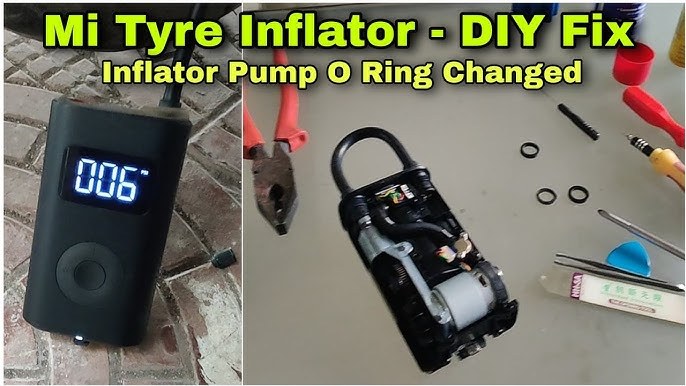
Smart inflators may log target pressure, battery level, unit settings, or maintenance reminders in an app. Depending on the app, it may request Bluetooth, location, notifications, or account access. That can improve convenience, but it also means thinking about data sharing and long-term app support.
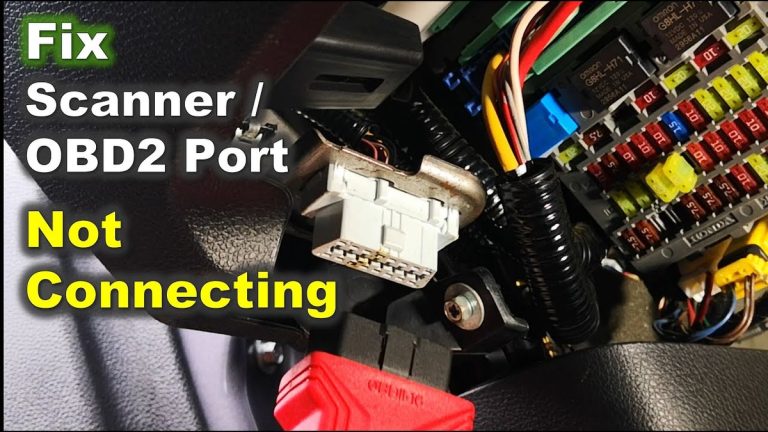
Where OBD2 diagnostics fit when a tire warning stays on after inflation
An OBD2 tool is not a tire inflator, and it usually does not replace a dedicated TPMS service tool. But it can still help in some cases by showing related fault information or confirming that a warning is not tied to another vehicle issue. If the tire light stays on after pressure is corrected, the next step may be diagnosis rather than more air.
Model-year and protocol coverage, port location, and ignition mode for reading vehicle data
OBD2 coverage varies by vehicle, model year, and tool capability. The data port is usually under the dash on the driver side, but access and ignition mode requirements vary. Some tools need the ignition on, while others have different steps depending on the vehicle.
Code and live-data limits, emissions readiness, reset limitations, firmware updates, and when diagnosis requires a professional
Even a good scan tool has limits. Some can read basic codes and live data but cannot perform TPMS relearns or brand-specific service functions. Firmware updates, app support, and paid features can also affect what the tool can do. If the light remains on and pressure is correct, professional tire or diagnostic service may be the safer next move.
Buying Advice for 2026: How to Choose the Right Portable Tire Inflator for Your Vehicle
By 2026, buyers have more choices than ever, but the basics still matter more than flashy marketing. A good inflator is the one that matches your tire size, power needs, storage space, and real roadside use.
Evaluation criteria: real airflow, duty cycle, accuracy, power source, noise, accessories, and warranty support
Look past max PSI and focus on usable airflow, realistic fill performance, and duty cycle. Check whether the gauge is likely to be accurate enough for your needs, whether the power source fits your vehicle, and whether the hose and cord are long enough to reach every tire. Accessories, replacement parts, and warranty support also matter over time.
Ownership cost, maintenance needs, tool completeness, and realistic expectations over time
The cheapest inflator can cost more in hassle if it struggles with your tire size or fails early. Cordless tools may also bring battery replacement considerations later. A complete kit with a decent case, spare fuse, adapters, and a readable gauge is often a better value than a bare tool that cuts corners.
Best fit by driver type: emergency-only, family vehicle, truck owner, EV owner, and frequent traveler
If you want an emergency-only tool for a sedan, compact and simple may be enough. For a family vehicle, longer reach, auto-stop, and easier nighttime use make a lot of sense. Truck owners should lean toward stronger compressors. EV owners should confirm 12V behavior and storage needs. Frequent travelers benefit from reliability, speed, and a tool that is easy to pack and inspect.
Final decision framework: when to buy a compact inflator, step up to a stronger compressor, or call for professional roadside help
Buy a compact inflator if your main goal is regular pressure maintenance on passenger tires. Step up to a stronger compressor if you have larger tires, multiple vehicles, or expect to refill from very low pressure. Call for roadside help if the tire has visible damage, will not hold air, or the inflator cannot safely do the job.
- Confirm your vehicle’s tire sizes and placard pressures
- Check whether the inflator is better for top-offs or larger refill jobs
- Review duty cycle, hose reach, power method, and storage size
- Look for replacement hoses, fuses, batteries, and warranty support
- Make sure the tool fits your real roadside and travel needs, not just a marketing claim
- Best for: Drivers who want a realistic answer on portable inflator fill time and need to match tool size to actual tire size and pressure loss.
- Think twice if: You expect a small inflator to quickly recover large truck, trailer, or badly underinflated tires without cooling breaks.
- Next step: Check your door-jamb pressure label, compare it to your largest tire’s needs, and choose an inflator with enough airflow and duty cycle for that job.
Frequently Asked Questions
For a normal passenger car tire that is only a little low, a portable inflator often takes around 2 to 5 minutes. The exact time depends on tire size, starting pressure, and the inflator’s actual airflow.
Larger tires hold more air, so they need more volume to reach the same PSI. Small inflators may also slow down from heat or hit a duty-cycle limit during longer fills.
No. Most drivers should use the cold tire pressure listed on the driver-side door-jamb placard, because that is the vehicle maker’s normal operating recommendation.
Yes, it can. Low voltage, poor battery health, a weak outlet connection, or damaged power cables can reduce output and make the inflator run slower or shut off.
No, it only adds air. If the tire has sidewall damage, a serious puncture, or a leak that will not hold pressure, the tire needs inspection, repair, or replacement.
Check your largest tire size, recommended pressure, power source, hose reach, and duty cycle first. It also helps to review warranty support, replacement parts, and whether the inflator is built for quick top-offs or larger refill jobs.