Why Does a Car Battery Smell Like Rotten Eggs? Overcharging Risk
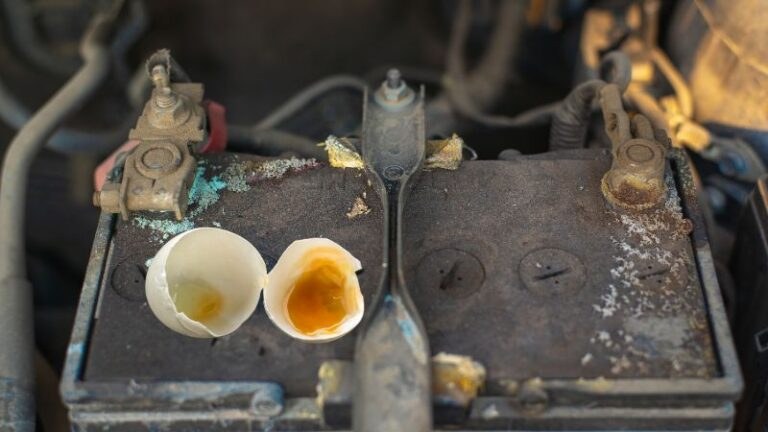
A rotten egg smell from your car battery means hydrogen sulfide gas is escaping, usually because the battery is being overcharged. Stop driving, ventilate the area, and test the charging system before the battery fails.
“Why does a car battery smell like rotten eggs?” is a question no driver wants to ask from under the hood. That smell is hydrogen sulfide gas, and it usually points to overcharging. The good news: you can catch it early, confirm it with simple voltage checks, and fix it before the battery fails or becomes dangerous.
This guide explains what causes the smell, how to test your charging system safely, and when to call a professional. It also covers battery replacement, disposal rules, and special cautions for hybrid and EV owners.
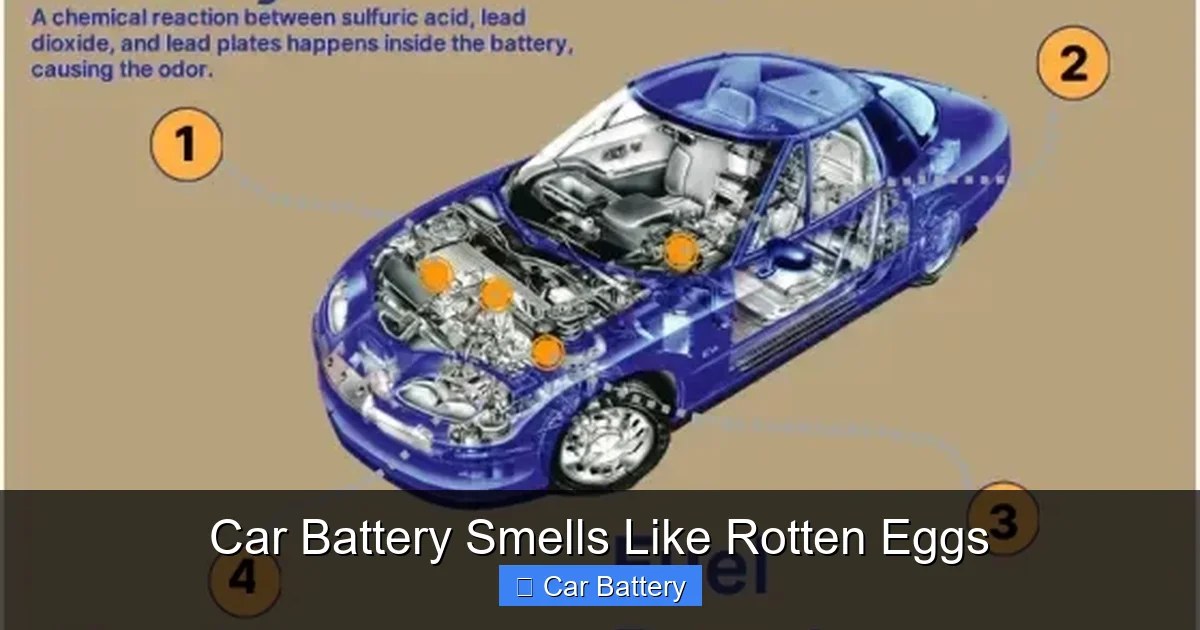
- Smell source: Hydrogen sulfide gas forms when overcharging breaks down sulfuric acid inside the battery.
- Main cause: A faulty alternator or voltage regulator that pushes too much voltage into the battery.
- Safety first: Ventilate the engine bay and avoid sparks if you smell rotten eggs near the.
- Diagnosis: A multimeter voltage check can confirm overcharging in minutes.
- Complete fix: Replace the battery and repair the charging system so the smell does not return.
Why Does a Car Battery Smell Like Rotten Eggs? The Short Answer
The short answer: your battery is producing hydrogen sulfide gas. That happens when the sulfuric acid inside a lead-acid battery gets too hot or when the battery is forced to accept more charge than it can safely handle.
The Chemistry: Hydrogen Sulfide Gas From Sulfuric Acid
A standard car battery contains lead plates and an electrolyte made mostly of sulfuric acid and water. During normal charging, the chemical reaction stays controlled. When charging goes too far, the electrolyte breaks down and releases hydrogen gas and oxygen.
Under certain conditions, sulfur compounds combine to form hydrogen sulfide — the gas responsible for that rotten egg odor. The smell is your warning that the battery is being stressed beyond its design limits.
Over time, this process also boils away the water in the electrolyte. That leaves the plates exposed and weakens the battery from the inside. A battery that loses electrolyte this way cannot be refilled in most modern sealed designs.
Overcharging Is the Most Common Trigger for the Smell
Overcharging is the leading cause of hydrogen sulfide production in a healthy battery. When your alternator pushes too much voltage, the battery boils off electrolyte. That boiling produces gas, heat, and eventually damage to the plates inside.
A faulty voltage regulator is the usual reason an alternator overcharges. The regulator is supposed to limit output, but when it fails, the alternator can push excessive voltage into the battery for as long as the engine runs.
If you smell rotten eggs while driving or right after shutting off the engine, overcharging is the first thing to suspect. The fix usually involves both the battery and the charging system.
How Overcharging Turns a Healthy Battery Into a Smelly Hazard
System Voltage: What’s Normal and What’s Too High
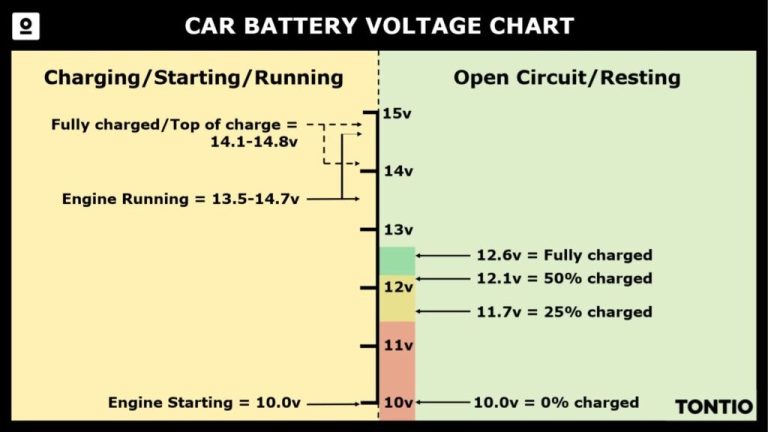
Most vehicles charge at roughly 13.8 to 14.4 volts while the engine runs. Some manufacturers allow slightly higher numbers depending on temperature and electrical load. When charging voltage climbs above that range, the battery starts to overheat and gas.
To measure charging voltage, connect a digital multimeter to the battery terminals with the engine running. Read the display with the engine at idle and again with the headlights and climate fan on. A voltage reading above 14.7 volts at the battery terminals is a red flag.
If you also notice voltage drops while driving, the charging system needs a closer look. Voltage that swings too high or too low puts stress on the battery and the electronics in your car.
State of Charge vs. Battery Health: Knowing the Difference
A battery can show a healthy state of charge yet still be weak internally. State of charge tells you how full the battery is right now. State of health tells you how much usable capacity remains over time.
A battery with low state of health may overcharge because it cannot accept current normally. The alternator keeps pushing charge in, but the battery cannot store it, so the excess energy turns into heat and gas.
This is why a battery can smell like rotten eggs even when the alternator is working correctly. The battery itself is the problem. A battery tester that reports state of health can help you separate a bad battery from a bad charging system.
Is a Smelly Battery Dangerous? Safety Steps to Take Now
Damaged-Battery Stop Conditions: When to Walk Away
If you see bulging sides, a cracked case, leaking fluid, or heavy corrosion, stop. Do not touch the battery with bare hands. Do not try to jump-start it. Call a professional.
These signs mean the battery case has been compromised. Sulfuric acid can leak out and damage the engine bay, wiring, and your skin. A swollen battery is also under internal pressure and can rupture.
Ventilation, Storage, and What to Do Immediately
Open the hood and give the engine bay fresh air. Park away from your garage and keep the garage door open if the car is inside. Do not smoke, create sparks, or use tools that could arc near the battery.
If the smell is strong or the battery is visibly damaged, call a tow service or a mobile mechanic. Do not drive the vehicle until the charging system has been checked.
Wear eye protection and gloves if you must inspect the battery yourself. Keep children and pets away from the engine bay until the issue is resolved.
Diagnosing the Real Cause: Alternator, Regulator, or Battery
Quick Voltage Checks You Can Do With a Multimeter
A digital multimeter is a safe first step. With the engine off, a rested battery should read about 12.6 volts. With the engine running, it should rise to roughly 13.8 to 14.4 volts. If it climbs above that, the alternator or voltage regulator is likely overcharging.
Wait a few hours after driving before you test the resting voltage. A battery that was just charged holds a surface charge that can make voltage look higher than the real state of charge.
A multimeter measures voltage, but it does not measure capacity. For a complete picture, you need a battery tester. Understanding the difference between a battery tester and a multimeter helps you choose the right tool for the job.
Load Testing, Battery Age, and When a Smell Is the Only Warning
A load tester applies a simulated load and shows how the battery holds up under stress. If the battery is more than three to four years old, age may be the real problem even when voltage looks normal.
Many auto parts stores offer free battery testing. They can check both state of charge and state of health in a few minutes. That free test gives you a clear answer before you buy anything.
Sometimes the smell is the only warning you get before a battery fails completely. If the battery tests weak, replace it. If it tests fine but the smell returns, the charging system is still the likely culprit.
How to Replace a Smelly Battery the Right Way
Correct Connection Order for Removal and Installation
When removing a battery, disconnect the negative cable first, then the positive cable. This reduces the chance of a wrench touching metal and creating a spark. When installing the new battery, connect the positive cable first, then the negative.
Always check your vehicle manual for specific instructions. Some vehicles have battery management systems that require a reset or registration after replacement. Skipping that step can cause warning lights or charging issues.
- Disconnect the negative cable first when removing the battery
- Connect the positive cable first when installing the new battery
- Wear gloves and eye protection when handling a battery
- Don’t smoke, light a match, or create sparks near the battery
- Don’t touch your face or eyes after handling battery terminals
- Don’t mix battery types or install a battery with the wrong group size
Choosing the Right Replacement Battery for Your Vehicle
Match the group size, terminal layout, and cold cranking amps to what your vehicle requires. Check whether your car needs a standard flooded battery or an AGM battery. AGM batteries handle higher electrical loads and resist vibration better, but they cost more and need compatible charging systems.
Look for the battery specifications in your owner’s manual or on the original battery label. If you are unsure, ask a parts professional for the correct group size and rating for your exact make, model, and trim.
Hybrid and EV 12-Volt Batteries: Extra Cautions for 2026 Drivers
Auxiliary Battery Differences in Hybrids and EVs
By 2026, most hybrids and EVs still rely on a separate 12-volt auxiliary battery for lights, computers, and door locks. That battery can also overcharge and produce a rotten egg smell. However, the high-voltage traction battery under the vehicle is a separate and far more dangerous system.
Never open orange high-voltage cables or components. The 12-volt battery may be located in the trunk, under a rear seat, or in a covered compartment. Check the owner’s manual before touching anything.
Jump-Starting and Charging Limitations You Should Respect
Hybrid and EV auxiliary batteries are often smaller and may be AGM or lithium-based. Jump-starting procedures vary by manufacturer. Some vehicles require jump-starting from designated terminals under the hood, not the battery itself.
Using the wrong procedure can damage the auxiliary battery or the vehicle’s electronics. Before connecting anything, understand how a portable jump starter can damage a car battery and what precautions to take.
Some manufacturers also say to never charge the 12-volt battery with a standard charger while it is still connected to the vehicle. Follow the manual’s instructions exactly.
What a Fix Costs and How to Avoid Future Battery Smells
DIY vs. Professional Repair: Real Ownership Costs
A replacement battery is the main cost, and prices vary widely by vehicle, type, and retailer. If the alternator is the cause, you will also need alternator replacement or repair. DIY replacement saves labor costs but requires the right tools and careful attention to connection order.
Professional repair costs more but includes diagnosis and warranty-backed labor. Ask for a written estimate before work begins, and confirm whether the battery carries a warranty.
To avoid future smells, test your charging voltage twice a year. Keep battery terminals clean and tight. If you drive mostly short trips, use a quality battery maintainer to keep the battery from sitting at a low state of charge.
Battery Disposal and Legal Requirements for Lead-Acid Units
Lead-acid batteries are hazardous waste. Most states require recycling, and almost every auto parts store accepts old batteries. Some retailers charge a core fee until you return the old unit. Never throw a battery in the trash or leave it at the curb.
Check with your local waste authority for specific rules in your area. Many states have laws that require retailers to accept used batteries when you buy a replacement. The core charge is refunded when you bring back the old battery.
Next Steps: When to Call a Professional Mechanic
Call a professional if you see damage, if voltage readings look wrong, or if the smell returns after charging. Also call if the battery is under warranty and you suspect a defect.
A mechanic can test the charging system, confirm whether the alternator or regulator is at fault, and replace the battery safely. Do not wait until the battery leaves you stranded.
If you are not comfortable working around battery acid or high-voltage systems, professional help is the safer choice. The cost of a diagnostic visit is small compared to the cost of a damaged battery, alternator, or vehicle computer.
- Best for: Drivers who want to catch an overcharging system before it damages the battery or leaves them stranded.
- Think twice if: The battery is visibly damaged or leaking — that needs professional handling, not a DIY fix.
- Next step: Test your charging voltage with a multimeter and check your battery’s age and condition.
Frequently Asked Questions
Yes. Hydrogen sulfide gas can cause headaches, nausea, and dizziness in enclosed spaces. At very high concentrations it can be life-threatening. If you smell it, ventilate the area and leave the engine bay open until a professional checks the battery.
You should not drive at all. Overcharging can cause the battery to overheat, swell, or leak acid. Pull over safely, turn off the engine, and arrange for a tow or mobile mechanic.
Only if the charging system is also fixed. If the alternator or voltage regulator is overcharging, it will damage the new battery the same way. Test the charging voltage before and after replacement.
Yes. A failing voltage regulator inside the alternator can push excessive voltage into the battery, causing it to overcharge and release hydrogen sulfide gas.
No. A battery releasing hydrogen sulfide gas may also be releasing flammable hydrogen gas. Jump-starting creates sparks near the battery. Call a professional instead.
Treat it the same way as a regular car battery. Do not open the high-voltage system. Follow the owner’s manual for auxiliary battery access and have the vehicle inspected by a qualified technician.