What Does Internal Resistance Mean on a Battery Tester? Quick Guide
Internal resistance measures how easily your battery delivers current; lower is healthier, higher means aging or damage. A battery with high internal resistance can show normal voltage but still fail to start the engine.
Wondering what does internal resistance mean on a battery tester? Here is the short answer: it measures how easily your battery can deliver current, and it is one of the most useful numbers a tester can show. A low reading means the battery can push power freely; a high reading means the battery is struggling, even if the voltage still looks fine.
This guide explains the reading in plain English, how testers measure it, what it can and cannot tell you, and how to use it before you spend money on a new battery.
- Low is good: Low internal resistance means the battery delivers current easily; high resistance means it is.
- Voltage is not enough: A battery can show 12.6V at rest but fail to crank due to high.
- Match the tester: Confirm the tester supports your battery type (flooded, AGM, gel, or lithium) and CCA.
- Test a rested battery: Surface charge can mask a weak battery, so test after a few hours of.
- Retest before replacing: Charge the battery fully and test again before spending money on a new one.
Direct Answer: What Internal Resistance Means on a Battery Tester for Owners and Drivers
Internal resistance is the opposition to electrical flow inside the battery itself. Every battery has some. Think of it like a pipe: a clean, wide pipe lets water flow easily, while a narrow or clogged pipe restricts it. A healthy battery has low internal resistance. An aging, sulfated, or damaged battery has higher internal resistance.
Why does that matter for your car? Starting the engine demands a sudden burst of high current. If the battery’s internal resistance is too high, the voltage drops sharply under that load. The starter motor may crank slowly or not at all, even though the battery shows a normal resting voltage around 12.6 volts.
Battery testers display internal resistance in milliohms (mΩ). One milliohm is one-thousandth of an ohm. The exact number depends on the battery’s size, type, temperature, and the tester’s method, so do not compare readings from different testers as if they are identical. What matters most is the tester’s own judgment: it compares your battery’s resistance against its rated cold cranking amps (CCA) and tells you whether the battery is good, weak, or needs replacement.
If you want a broader look at what a battery tester can tell you beyond resistance, see our guide on what a battery tester tells you.
How It Works and What It Can Actually Do
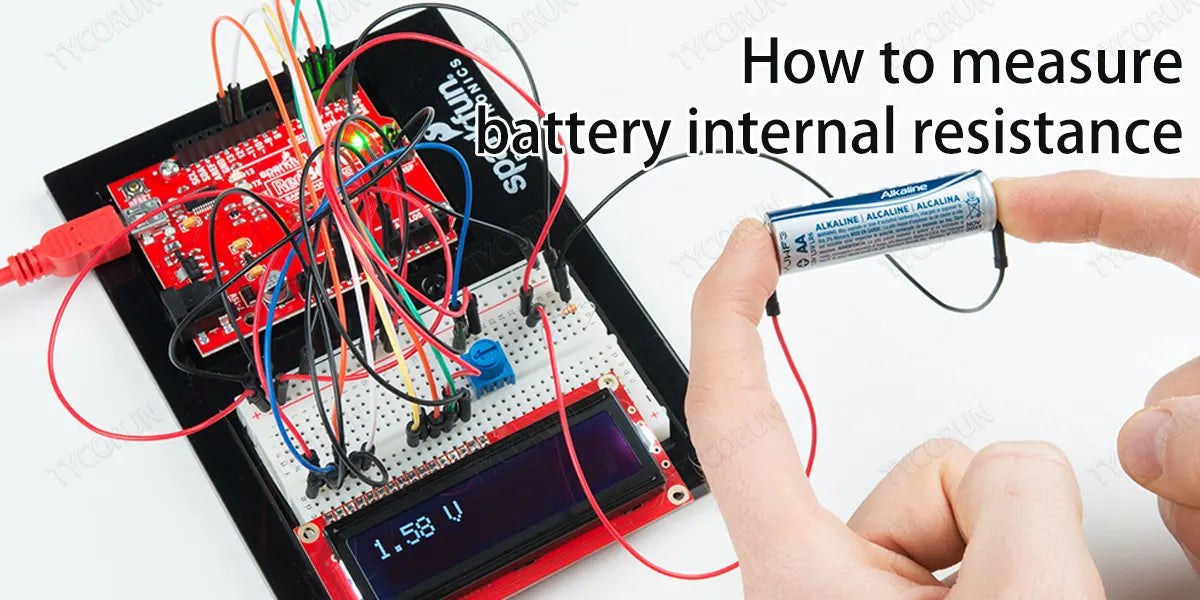
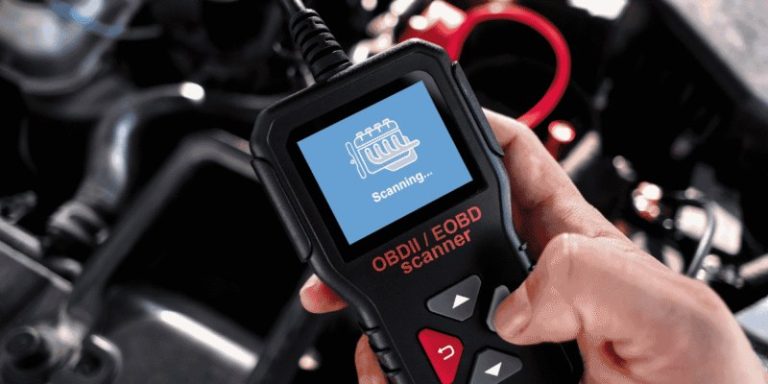
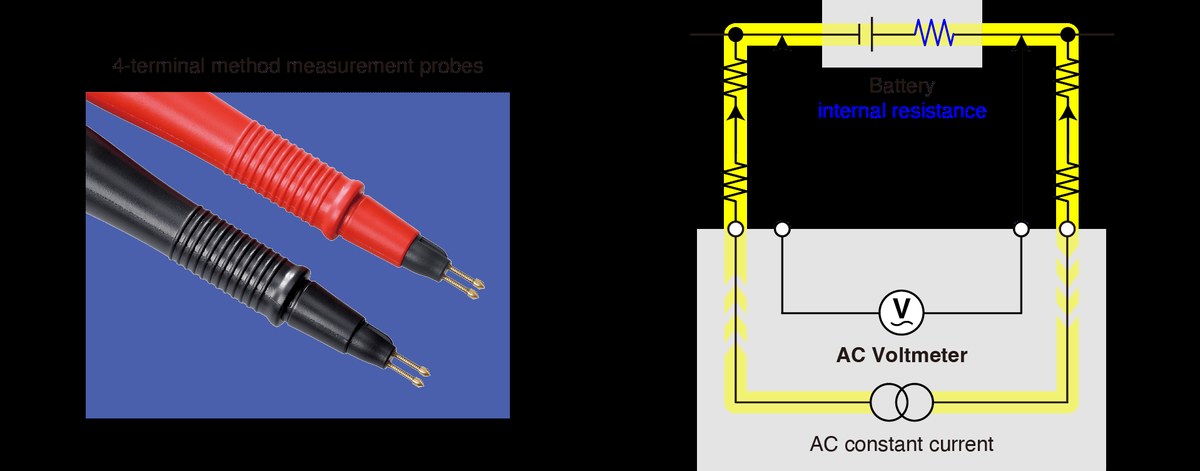
Most modern battery testers use a method called conductance testing. The tester sends a small alternating current signal through the battery and measures how the voltage responds. From that response, it calculates the battery’s conductance, which is the inverse of resistance. Lower resistance means higher conductance, and higher conductance usually means a healthier battery.
Some testers also apply a load, such as a carbon pile, to draw real current from the battery while measuring voltage drop. Load testers are more direct but can be harder on a weak battery. Conductance testers are faster, safer for the battery, and are the type most handheld testers use.
Here is what an internal resistance reading can actually do:
- Spot a battery that is aging even when the voltage looks normal.
- Confirm that a battery is the reason for slow cranking.
- Help you decide whether to charge, test, or replace a battery.
- Support a charging system check by showing how the battery responds after a charge.
Here is what it cannot do:
- It cannot predict the exact day the battery will fail.
- It cannot diagnose an alternator problem by itself.
- It cannot tell you whether a parasitic drain is killing the battery overnight.
- It cannot fix a battery that is already damaged.
Vehicle and Tool Compatibility Requirements
Most handheld battery testers are built for 12-volt lead-acid batteries, which covers most cars, trucks, and SUVs on US roads. Within that group, you need to match the tester to the battery type:
- Flooded lead-acid (the traditional wet battery with removable caps or a sealed design).
- AGM (absorbent glass mat), common in newer vehicles with start-stop systems.
- Gel batteries, less common in cars but found in some specialty vehicles.
- Lithium (LiFePO4) batteries, which require a tester with specific lithium support.
Check: Verify the tester supports your vehicle’s system voltage (usually 12V), your battery type, and your battery’s rated CCA range. Limitations: A tester rated for lead-acid batteries may not test lithium or 24V systems correctly. Check the manual before connecting.
You also need to confirm that the tester’s measurement range covers your battery. A small motorcycle battery and a large diesel truck battery have very different internal resistance values. Most testers list a CCA range, such as 100 to 2000 CCA, in the specifications. Match that range to your battery’s rating.
If you drive a hybrid or electric vehicle, the high-voltage traction battery is a different system entirely. Do not use a standard 12V battery tester on a hybrid or EV high-voltage battery. The 12V accessory battery in a hybrid can still be tested normally, but the orange-cabled high-voltage system requires specialized equipment and training.
Correct Connection, Measurement, or Repair Procedure
Testing internal resistance is simple, but the order matters. Follow the tester’s manual and the vehicle’s manual. Here is the general procedure used by most handheld testers:
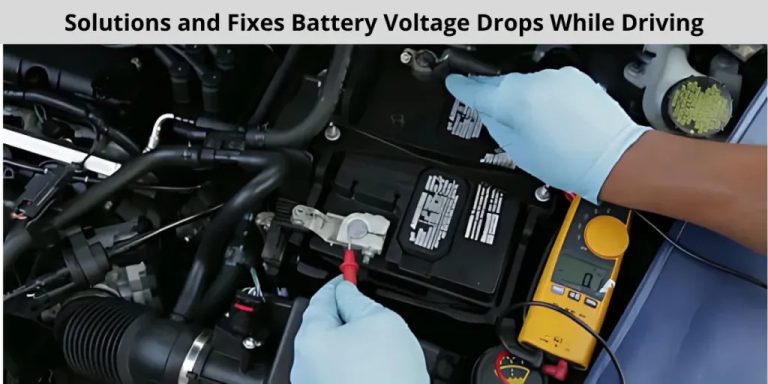
Shut off the engine, headlights, radio, and any other loads. Close all doors so interior lights do not stay on.
Corrosion or dirt under the clamps can ruin the reading. Wipe the posts and clamps with a clean cloth or a terminal brush if needed.
Attach the red clamp to the positive terminal and the black clamp to the negative terminal. Make sure the clamps bite firmly onto metal, not onto plastic or insulation.
Select the battery type, voltage, and rating (CCA or other standard) on the tester. Entering the wrong type can produce a misleading result.
The tester will show voltage, internal resistance, and a health rating. Compare the result with the tester’s own good/weak/replace scale.
If the tester says the battery is weak, do not immediately buy a new one. Charge the battery fully and test it again. A battery that tests weak when discharged but good when fully charged may simply have been drained by short trips or a parasitic drain. For guidance on this, see whether you should charge a car battery before testing it.
Safety Limits, Results, and Ownership Costs
Internal resistance readings are not a pass-fail test on their own. The tester compares your battery’s resistance to its rated capacity and temperature to produce a health percentage. A battery with high internal resistance may still start the car on a warm day but fail on a cold morning when the engine needs more current and the battery chemistry is slower.
Temperature matters. Cold increases internal resistance; heat accelerates the chemical wear that raises it over time. For the most useful reading, test the battery when it is close to normal operating temperature and has rested for a few hours after the last drive or charge.
Ownership costs for a battery tester are modest. Entry-level handheld testers are inexpensive, while professional-grade units with printing or advanced diagnostics cost more. There are no ongoing subscription fees for most basic testers, but some connected models offer app features or firmware updates that may require an account. Check the warranty and return policy before buying, and keep the receipt with the manual.
If you are comparing tools, a battery tester and a multimeter serve different purposes. A multimeter measures voltage but cannot measure internal resistance or CCA. See our comparison of battery tester vs multimeter to decide which fits your needs.
Testing, Maintenance, and Storage
Test your battery at least twice a year, and more often if the battery is more than three years old or if you live in a hot climate. Hot weather is harder on batteries than cold weather, even though cold weather is when failures become obvious.
For the most reliable result, test after the battery has rested. A battery that was just charged or just started the engine has surface charge, which is a thin layer of higher voltage that can mask a weak battery. Let the battery sit for a few hours, or follow the tester’s instructions for removing surface charge.
If you use the tester on multiple vehicles, make a habit of re-entering the correct battery type and rating for each vehicle. A tester that remembers the last setting can give you a wrong result if you forget to change it.
Common Mistakes and When to Get Professional Help
- Confirm the tester supports your battery type, voltage, and CCA range before connecting
- Follow the vehicle and tester instructions in the correct order
- Charge the battery and retest before deciding to replace it
- Inspect, clean, and store the tester after use
- Test a cracked, swollen, or leaking battery
- Create sparks near the battery or work without eye protection
- Ignore a weak reading because the car still starts today
- Use a 12V tester on a hybrid or EV high-voltage battery
Common mistakes include testing a battery with surface charge, selecting the wrong battery type, connecting clamps to corroded terminals, and testing while the engine is running. Any of these can produce a misleading reading. For a full list, see our article on common battery testing mistakes.
Get professional help if:
- The battery case is damaged, swollen, or leaking.
- The tester gives a confusing or inconsistent reading.
- The battery tests good but the car still will not start.
- You suspect an alternator, starter, or wiring problem.
- The vehicle is a hybrid or EV and the issue involves the high-voltage system.
A professional shop can perform a more complete electrical system test, check the charging output, measure parasitic drain, and verify the starter’s current draw. That kind of diagnosis goes far beyond what a handheld battery tester can do.
Final Recommendation
- Best for: Owners who want a fast, low-cost way to check battery health at home and catch a weak battery before it fails on a cold morning.
- Think twice if: You expect the tester to diagnose alternator, starter, or parasitic-drain problems. Those need different tools and a broader electrical check.
- Next step: Confirm the tester matches your battery type and CCA range, then test a fully charged, rested battery and record the reading for comparison next season.
Frequently Asked Questions
Normal readings vary by battery size, type, temperature, and tester. A healthy 12V car battery typically shows a low milliohm reading, while a weak or aging battery shows a higher one. Check the tester’s manual for its own scale.
No. A multimeter measures voltage, current, and resistance in circuits, but it cannot measure a battery’s internal resistance or CCA. You need a battery tester designed for that purpose.
Resting voltage only tells you the battery’s state of charge, not its ability to deliver current. High internal resistance means the battery cannot push enough current under load, so the voltage collapses when you crank the engine.
Test at least twice a year, and more often if the battery is over three years old or you live in a hot climate. Test after the battery has rested for a few hours for the most reliable reading.
Handheld conductance testers are designed to be safe when used correctly. Connect the clamps to the correct terminals, follow the manual, and never test a damaged or leaking battery. If you are unsure, have a professional do the test.
Yes. AGM and gel batteries need a tester with those battery types selected, and lithium (LiFePO4) batteries need a tester with specific lithium support. Using the wrong setting can produce a misleading reading.