Why Does a Car Battery Charger Say Fully Charged Too Quickly? Causes
Most chargers say “full” too fast because they measure voltage, not real battery capacity. Surface charge, sulfation, or a bad connection can all fool the sensor into stopping early.
Why does a car battery charger say fully charged too quickly? In most cases, the charger is reading surface voltage instead of true stored energy. A battery that was just driven, charged, or jump-started can show a “full” reading within minutes even though it holds very little usable capacity.
- Surface charge: A freshly driven battery can read “full” within minutes even when it is only.
- Sulfation: High internal resistance makes voltage climb fast, so the charger stops the cycle early.
- Charger settings: Wrong voltage, amperage, or battery profile can end the charge prematurely.
- Connections: Corroded clamps and loose terminals create false voltage readings.
- Load test: Always verify a “full” reading with a load test before trusting the green light.
Why Does a Car Battery Charger Say Fully Charged Too Quickly? The 30-Second Answer
Your charger says “full” too fast because it measures voltage, not actual battery capacity. A freshly driven battery carries a temporary surface charge that pushes the voltage above the charger’s full threshold almost immediately.
The second most common cause is sulfation. Sulfated batteries develop hardened lead sulfate crystals that block the chemical reaction. The charger sees the voltage climb, assumes the battery is full, and stops early — even though the battery has almost no usable energy left.
Wrong charger settings, corroded connections, damaged cells, and built-in safety stops can also end a charge cycle early. Each one can trick the charger into displaying a green light before the battery is genuinely charged.
Surface Charge vs. True State of Charge: The #1 Culprit
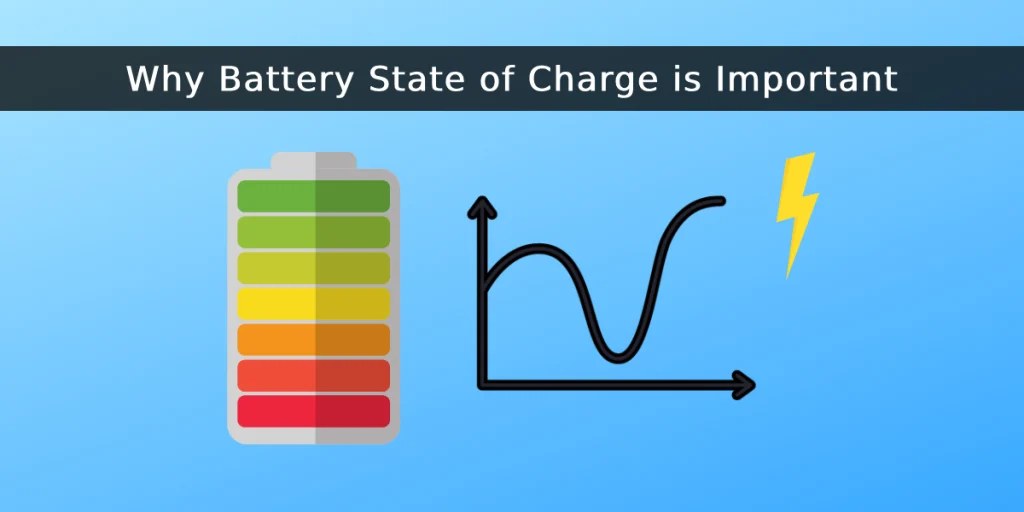
Surface charge is a thin layer of excess voltage sitting on the battery plates. It forms whenever the battery has been charging or discharging recently. Your car’s alternator creates this condition every time you drive.
How a Surface Charge Fools the Charger’s Voltage Sensor
When you connect a charger to a battery with surface charge, the voltage reading starts high. A healthy 12-volt battery at rest reads about 12.6 volts. A battery with surface charge can read noticeably higher right after a drive.
The charger compares that reading to its “full” setpoint. If the charging voltage target is around 14.4 volts, surface charge can push the battery there quickly. The charger then switches to maintenance mode and shows “full,” even though the battery is only partially charged.
How to Remove Surface Charge Before You Trust the Reading
Removing surface charge is simple, but it takes time. The most reliable method is to let the battery rest for several hours. Overnight is even better. A rested battery shows its true resting voltage.
If you need a faster check, apply a brief electrical load. Turning on the headlights for a few minutes can strip the surface charge. Then let the battery settle before you test it again. This matters most when you are checking whether the charger’s “full” reading is real. For more detail, see our guide on testing a battery after it sits overnight.
Unplug the charger and remove the clamps before you do anything else.
Wait several hours, or overnight, so the surface charge can dissipate.
Turn on the headlights for a few minutes to pull off any remaining surface charge.
Reconnect the charger and watch whether it stays in bulk charge mode or jumps straight to “full.”
Sulfation and Battery Health: When “Full” Means the Battery Is Done
Sulfation is a leading cause of premature battery failure. It happens when lead sulfate crystals harden on the battery plates. This blocks the chemical reaction that stores and releases energy.
State of Charge vs. State of Health: Why Voltage Isn’t Capacity
State of charge (SOC) tells you how full the battery is. State of health (SOH) tells you how much capacity the battery has lost over time. A charger only measures SOC through voltage. It cannot measure SOH.
A sulfated battery can reach the charger’s voltage setpoint while storing almost no usable energy. It is like a cup with a hole in the bottom. The cup looks full at the top, but it cannot hold enough water to be useful. This is why a battery can show “fully charged” and still fail to start your car.
If you have seen a low state of health reading on a battery tester, this is exactly the situation. The voltage looks fine, but the battery’s ability to deliver cold cranking amps is gone.
What Sulfation Sounds and Looks Like, and Why It Accepts a “Full” Charge
Sulfation does not make noise. You will not hear it. What you will notice is behavior: slow cranking, dim headlights, and a charger that finishes suspiciously fast.
Inside the battery, sulfation raises internal resistance. Higher resistance means the battery cannot accept current easily. When you connect a charger, the voltage climbs quickly because the resistance is high. The charger sees that voltage climb and terminates the charge early.
The result is a cycle: the charger says “full,” the battery starts the car weakly, and the alternator never fully recharges it. Over time, the sulfation gets worse.
Charger Settings and Battery Chemistry Compatibility: Voltage, Amperage, and Profiles
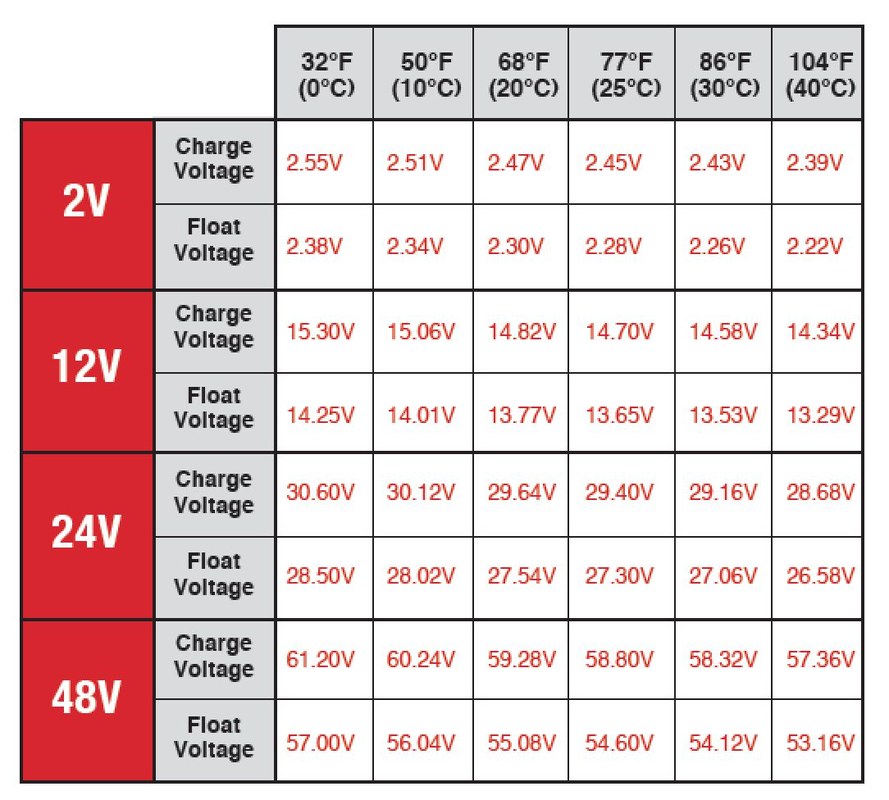
Not all chargers work the same way. Using the wrong setting can produce a false “full” reading just as easily as a bad battery can.
6V vs. 12V vs. 14.4V: Matching the Charger to Your System Voltage
Most modern cars use 12-volt electrical systems. Some classic cars, motorcycles, and small vehicles use 6-volt systems. If you set a charger to the wrong voltage, the readings will be meaningless.
A 12-volt battery needs a charging voltage around 14.4 volts to reach a true full state. If the charger is set to a maintenance mode with a lower voltage target, it may stop early. The battery never reaches a genuine full charge, but the charger shows a green light anyway.
AGM, Flooded, and Gel: Why One Charge Profile Doesn’t Fit All
Battery chemistry matters. Absorbent glass mat (AGM), flooded lead-acid, and gel batteries all have different absorption voltage targets. AGM batteries typically need a higher absorption voltage than flooded batteries. Gel batteries need a lower one.
If your charger has a selectable profile and you choose the wrong one, the charger may terminate early. For example, charging an AGM battery with a flooded profile can stop the charge before the AGM battery is full. Check your battery’s label and your charger’s manual before you connect them.
The Low-Amperage Trap: Why Slow Chargers Sometimes “Finish” Too Fast
A 2-amp trickle charger is great for maintaining a healthy battery. It is not great for charging a large, deeply discharged battery.
Here is the trap: a low-amperage charger can push the voltage up to the “full” setpoint without delivering meaningful capacity. The battery surface charges, the charger sees the voltage, and it stops. The battery is still mostly empty.
If you need to charge a large battery, use a charger rated closer to 10 amps or more. Match the charger’s output to the battery’s size and discharge level.
Connection Order, Corrosion, and Voltage-Sensing Errors
Bad connections create false readings. A charger can only measure what it sees through its clamps. If the clamps are not making solid contact, the reading is wrong.
Correct Connection Order: Positive First, Negative Second — and Why It Matters
Always connect the positive clamp first, then the negative clamp. When you disconnect, remove the negative clamp first, then the positive. This reduces the risk of sparks near the battery.
Beyond safety, connection order affects the charger’s ability to sense voltage. A loose or reversed connection can cause voltage spikes that mimic a full battery. The charger may display “full” before it even begins charging properly.
Corroded Clamps and Loose Terminals: How Bad Contact Creates False “Full” Readings
Corrosion on the battery terminals or charger clamps adds resistance. That resistance creates a voltage drop. The charger may interpret that drop as the battery reaching its target voltage.
Clean the terminals and clamps before charging. A wire brush or battery terminal cleaner works well. Make sure the clamps grip the terminals firmly, not just touch them. A loose clamp can also cause the charger to cycle on and off, which looks like a completed charge.
- Clean the battery posts and charger clamps before connecting
- Connect positive first, then negative, and reverse the order when disconnecting
- Confirm the charger’s voltage setting matches your battery
- Trust a “full” reading from a corroded or loose connection
- Charge a damaged, swollen, or leaking battery
- Ignore the charger’s manual for your specific battery type
Damaged Cells and Charger Safety Stop Conditions: When the Charger Is Actually Right
Sometimes the charger is correct. The battery really has reached its voltage limit — but for the wrong reason.
Open and Shorted Cells: How Internal Damage Mimics a Full Charge
A 12-volt lead-acid battery has six cells. Each cell produces about 2.1 volts. If one cell shorts out, the battery’s total voltage drops. But the charger keeps pushing current, and the remaining cells can overheat and rise in voltage quickly.
An open cell, on the other hand, breaks the circuit entirely. The charger may see infinite resistance and report the battery as “full” because no current is flowing. Neither condition means the battery is healthy.
Charger Stop Conditions: Over-Voltage, Over-Temperature, and Timeout Limits
Modern chargers have built-in safety logic. They stop charging when voltage gets too high, when temperature rises too fast, or when a timeout limit is reached. These protections can end a charge cycle early and display “full” as the final status.
If your charger has a digital display, check the reported voltage and amperage. A charger that shows “full” while drawing near-zero amps may have hit a safety stop, not a true full charge. This is especially common with old, damaged, or deeply discharged batteries.
Hybrid and EV Cautions: Why You Shouldn’t Treat a 12V Auxiliary Battery Like a Standard Car Battery
Hybrids and electric vehicles still have a 12-volt battery, but it works differently. The 12V battery powers the computers, lights, and accessories. The high-voltage battery pack powers the drive motor.
Charging the 12V auxiliary battery in a hybrid or EV is usually safe if you follow the vehicle manual. But the location is often different — sometimes in the trunk, under a cover, or in a rear fender well. Do not assume it is under the hood.
Even a fully charged 12V battery will not fix a high-voltage system fault. If the car will not “start” because of a hybrid system error, charging the 12V battery may not solve the problem. You may need a professional diagnostic scan.
What To Do Next: Load Test, Professional Diagnosis, and Replacement Thresholds
Once you have ruled out surface charge, connection issues, and charger settings, it is time to test the battery under load.
Voltage Testing vs. Load Testing: The Only Way to Confirm Battery Health
A multimeter tells you voltage. A load tester tells you whether the battery can deliver current under stress. The difference matters because a battery can show 12.6 volts at rest and still fail to start your car.
Automotive load testers apply a controlled load for a set time and measure the voltage drop. If the voltage falls below the minimum threshold, the battery fails. This is the test that reveals sulfation, damaged cells, and lost capacity. If you are deciding between a battery tester versus a multimeter, the load tester gives you the answer you actually need.
When to Call a Professional: Bench Charging, Hydrometer Tests, and Replacement
If the battery fails a load test, replacement is usually the answer. If the battery passes but still shows false “full” readings, the charger may be at fault.
Consider a professional shop when the battery is more than three to four years old, when the cold cranking amp rating has dropped significantly, or when the battery fails repeatedly. A shop can bench-charge the battery outside the car and test it under controlled conditions. Some shops also use a hydrometer to check the specific gravity of each cell, which reveals cell-level problems.
Charger or Battery? How to Decide Which Component to Replace
To isolate the problem, test the charger on a known-good battery. If the charger says “full” immediately on a healthy battery, the charger’s sensing circuit may be faulty. If the charger works correctly on the known-good battery but fails on your battery, the battery is the problem.
Also check the charger’s age and condition. A charger that has been dropped, exposed to water, or used beyond its rated duty cycle can develop faulty sensors. If you see a battery that tests good but still dies, the charger — or the vehicle’s charging system — deserves a closer look.
The Bottom Line: Trust the Load Test, Not the Green Light
A “fully charged” indicator is a voltage event, not a health verdict. The charger sees voltage, not capacity. Surface charge, sulfation, wrong settings, bad connections, and damaged cells can all produce a false “full” reading.
Before you replace anything, rest the battery, clean the connections, confirm the charger settings, and run a load test. That sequence will tell you whether the charger is lying or the battery is done.
- Best for: Anyone whose charger shows “full” in minutes but the car still cranks slowly or fails to start.
- Think twice if: You skip the load test and trust the green light — that is how a weak battery leaves you stranded at the worst moment.
- Next step: Rest the battery overnight, clean the terminals, and run a load test before you buy anything.
Frequently Asked Questions
Yes, it usually means the battery has a surface charge, sulfation, or an internal fault. A healthy but deeply discharged battery should take several hours to charge, not minutes.
A typical 12-volt car battery takes several hours to charge with a standard charger, depending on battery size and charger amperage. A 2-amp trickle charger can take much longer. If the charger finishes in under 30 minutes, something is wrong.
Mild sulfation can sometimes be reversed with a desulfation mode or a slow, controlled charge. Heavy sulfation is permanent. If the battery fails a load test, replacement is the safer choice.
The charger measures voltage, not capacity. A battery can reach the full voltage setpoint while holding almost no usable energy. Run a load test to check the battery’s actual condition.
Yes. Faulty voltage sensors, corroded clamps, or a damaged cable can make a charger report full early. Test the charger on a known-good battery to isolate the problem.
You can, but only if you follow the vehicle manual and connect to the correct terminals. The 12V battery in a hybrid or EV may be located in the trunk or under a cover. Never touch high-voltage components.