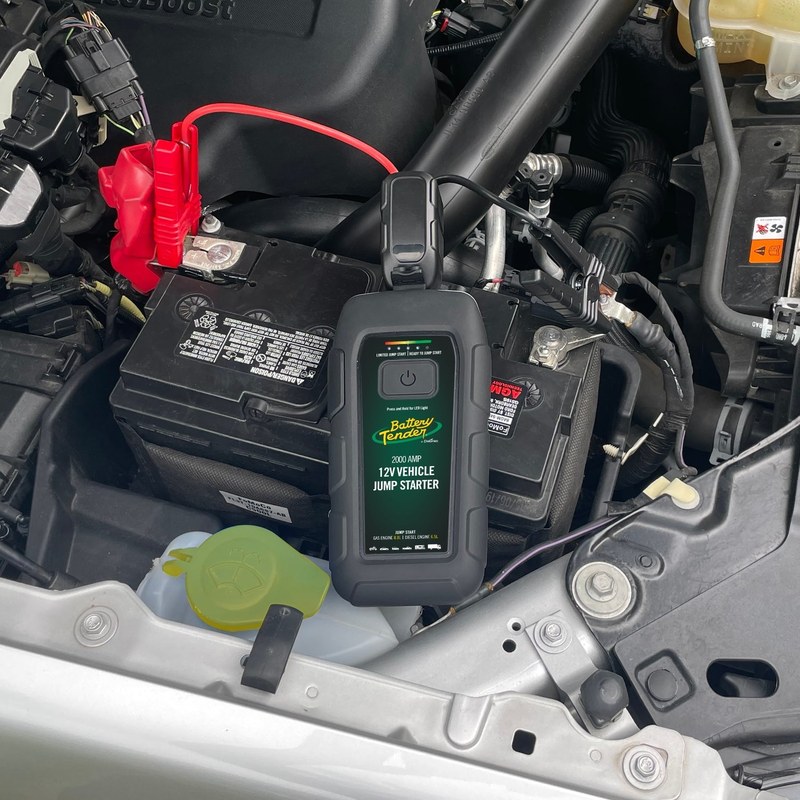
How Long Do Portable Jump Starters Hold a Charge? Battery Life Guide
Most portable jump starters hold a usable charge for months, but heat, age, and poor storage can shorten that time. Check the pack regularly, and replace it if it no longer starts your vehicle reliably.
how long do portable jump starters hold a charge depends on the pack’s battery chemistry, storage conditions, and how often you top it off. In many garages, a well-kept unit can sit ready for months, but the exact answer varies by model and age.
- Charge life varies: Lithium packs usually store better than older battery types, but all batteries self-discharge.
- Heat hurts storage: A hot trunk or garage can reduce charge retention and shorten battery life.
- Match the vehicle: Gas, diesel, hybrid, and EV needs are not the same, so check the manual.
- Safety comes first: Stop using a pack with swelling, leaks, damaged cables, or unusual heat.
- Maintenance matters: Recharge on a schedule and inspect the pack after each use.
How Long Do Portable Jump Starters Hold a Charge? Quick Answer for Drivers
For most drivers, a portable jump starter can hold enough charge for several months if it is stored indoors and checked on a regular schedule. Smaller packs may need more frequent recharging, while larger lithium units often keep usable charge longer, especially when they are not exposed to heat or deep discharge.
The safest way to think about it is this: charge retention is not the same as starting power. A pack may still show a full bar yet have lost some cranking strength over time, so owners should watch both charge level and real battery health.
What Actually Determines Portable Jump Starter Battery Life in 2026

Battery chemistry, internal capacity, and self-discharge
Most modern portable jump starters use lithium-ion or lithium polymer cells, while some older or heavier-duty units may use sealed lead-acid batteries. Lithium packs usually hold charge longer in storage, but all batteries slowly self-discharge.
Internal capacity matters too. A larger pack can often sit longer before it becomes too low to use, but capacity alone does not guarantee long shelf life. A compact unit with good battery management can outperform a larger one that is stored poorly.
Storage temperature, charging habits, and age-related wear
Heat is one of the biggest reasons a jump starter loses charge faster over time. Leaving it in a hot trunk or garage can speed up battery aging and reduce the number of useful months between charges.
Charging habits matter as well. Repeatedly draining a pack to empty, then leaving it uncharged, shortens battery life. Age also plays a role, since every battery loses some capacity as it cycles and sits unused.
State of charge versus battery health: what owners should track
Many owners only look at the indicator lights, but that does not tell the full story. A pack can show a high state of charge while still delivering less current than it did when new.
For that reason, it helps to track two things: how long the unit holds charge in storage and whether it still starts the vehicle reliably when needed. If you want a broader battery-health approach, our guide on how to test a battery with a battery tester explains the basics in plain language.
How to Match a Jump Starter to Your Vehicle Before You Buy
12V system voltage, gas vs. diesel needs, and current limits
Most consumer portable jump starters are made for 12V vehicle systems. That fits many cars, SUVs, and light trucks, but the output rating still needs to match the engine’s starting demand.
Gas engines usually need less peak current than diesel engines. Diesel models often require a more capable pack, especially in cold weather. Always compare the jump starter’s stated output with your owner’s manual and the vehicle’s starting requirements.
Hybrid and EV cautions: when a portable pack is not the right tool
Hybrids and EVs can have separate low-voltage batteries, but their jump-start procedures are not always the same as a conventional gas vehicle. Some vehicles have specific terminal locations or service instructions that must be followed exactly.
Compatibility by engine size, model year, and real-world starting demands
Engine size is only part of the story. Compression, battery condition, outside temperature, and how long the vehicle has been sitting all affect starting demand.
That is why compatibility charts should be treated as a starting point, not a guarantee. If you are comparing tools, look for the vehicle category, not just a claimed peak amp number. For connected diagnostics and battery checks, do OBD2 scanners work all cars is a useful companion read.
Check: Verify make, model, year, trim, voltage, ports, mounting space, and OEM requirements. Limitations: Some hybrids, diesel engines, and specialty vehicles need different procedures or more output than compact packs can provide.
OBD2, Diagnostics, and App Features: What Portable Jump Starters Can and Cannot Do
OBD2 port location, ignition mode, and protocol coverage by model year
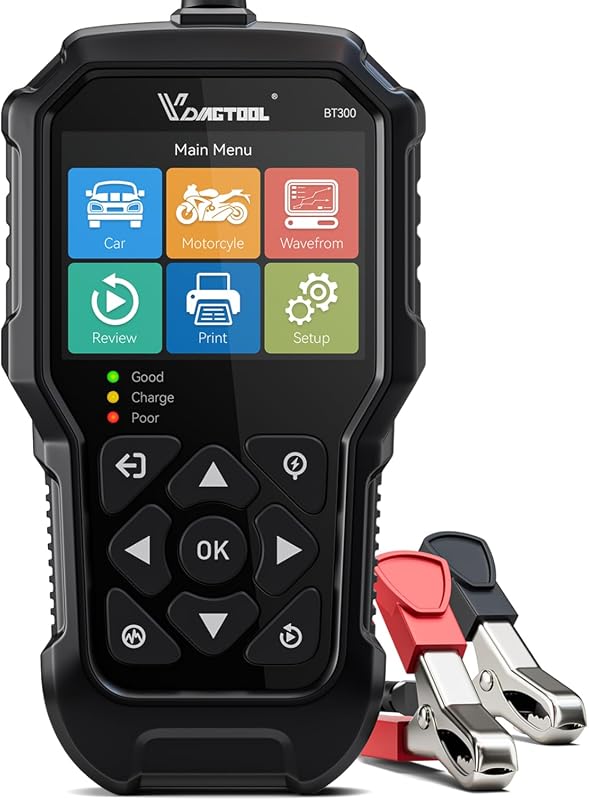
Some jump starter kits include OBD2 or app-based features, but those tools depend on the vehicle’s diagnostic port and the pack’s software support. The OBD2 port is usually under the dash, yet location and access can vary by model year and trim.
Not every connected feature works on every vehicle. Protocol coverage, ignition mode behavior, and app pairing can differ by brand and by software revision.
Code reading, live-data limits, emissions readiness, and reset limitations
Many portable tools can read basic trouble codes, but that does not mean they can diagnose every problem. Live data may be limited, and some reset functions may not work without a more advanced scan tool.
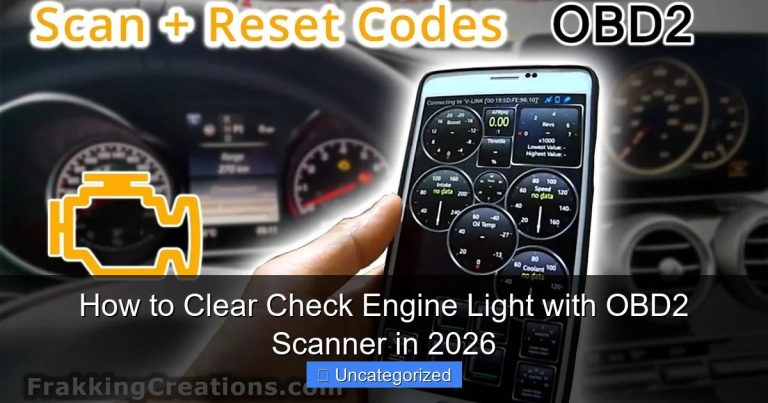
Emissions readiness, service resets, and bidirectional controls are often outside the scope of a simple jump starter accessory. If you need a deeper diagnostic path, our step-by-step guide on how to use an OBD2 scanner can help you understand the difference between basic and advanced functions.
App permissions, firmware updates, and when a professional diagnosis is needed
Connected packs and app-based tools may ask for Bluetooth, location, or account permissions. That is normal for many mobile tools, but it is worth reviewing what data the app collects and whether firmware updates are still supported.
If warning lights return after a jump start, or if the vehicle still will not crank, a professional diagnosis is usually the smarter next step.
Safe Use Guide: Correct Connection Order, Damaged-Battery Stop Conditions, and Roadside Setup
Safe location, traffic visibility, and cable or pack condition checks
Use the pack in a safe, stable location whenever possible. If you are on the roadside, prioritize traffic visibility, parking brake use, and staying clear of moving vehicles.
Before connecting anything, inspect the clamps, cables, and pack body for damage. Frayed wiring, cracked insulation, or swollen battery housing are signs to stop and replace the tool or seek help.
Correct connection order, spark prevention, and current-limit awareness
Follow the jump starter manual for the exact connection order. In general, the clamp connection should be secure before the pack is turned on, and the pack should be disconnected in the reverse order after the engine starts.
Do not force a small pack to do a job it was not designed for. If the vehicle draws more current than the unit can provide, repeated cranking can overheat the pack or damage its internal battery management system.
When to stop: swollen batteries, leaks, heat, and other warning signs
Stop immediately if the vehicle battery is swollen, leaking, hot, or giving off a strong chemical smell. Those are signs of a damaged battery that may be unsafe to jump.
Tire and TPMS Support: Inflator Features, Placard Pressure, and Repair Limits
Door-jamb placard pressure, cold pressure, and gauge accuracy
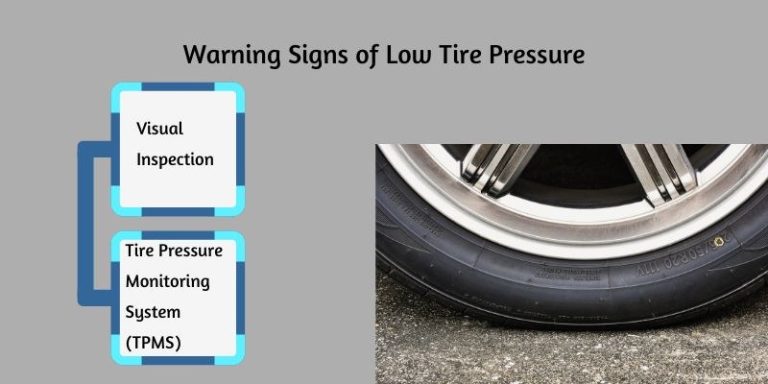
Many portable jump starters now include an inflator, but that feature is only useful if you know your vehicle’s correct tire pressure. The number to use is on the door-jamb placard, and it should be checked when the tires are cold.
Built-in gauges can be helpful, but they are not always perfect. If tire pressure seems off, verify it with a separate gauge or compare it with a known accurate tool. For a deeper look at portable inflation tools, see how to use a portable tire inflator.
Inflator duty cycle, TPMS relearn limits, and what the pack can realistically do
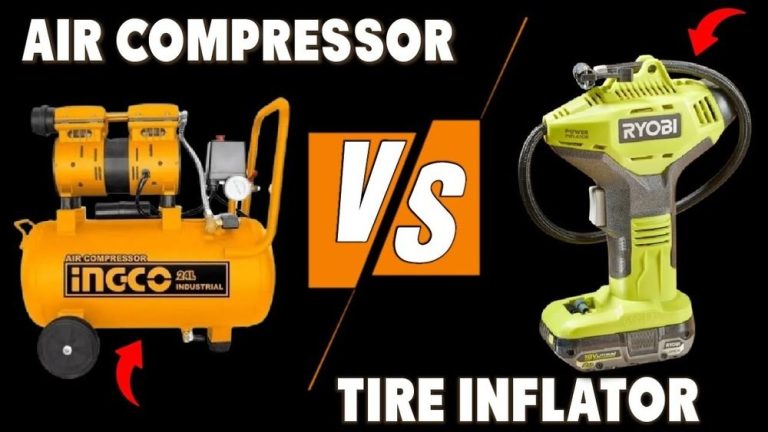
Inflator attachments are convenient for topping off a low tire, but they are not the same as a full-size shop compressor. Duty cycle limits may mean the unit needs to cool down between uses.
Portable packs also do not solve every TPMS issue. Some tire pressure monitoring systems need a relearn or service procedure after tire work, and that may require a scan tool or shop-level equipment.
Puncture location, temporary-repair limits, and when to seek professional tire service
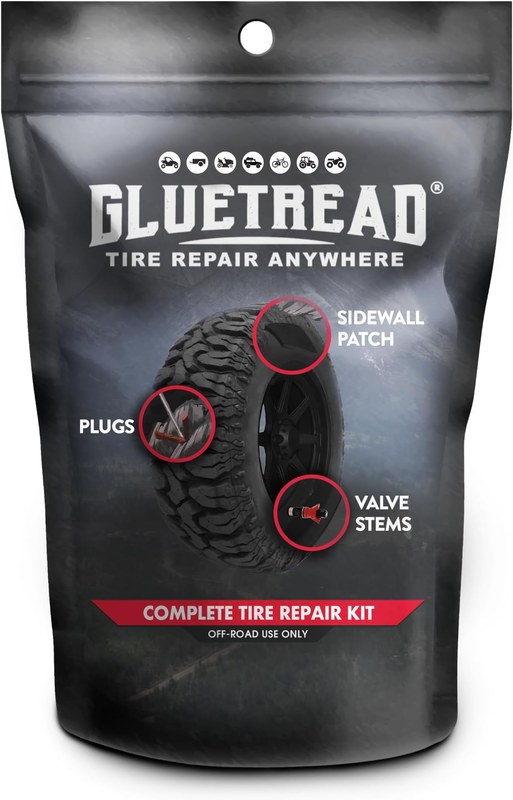
A jump starter with an inflator may help you reach a safer location, but it does not replace proper tire repair. Sidewall damage, large punctures, or repeated air loss usually need professional attention.
If the tire is unsafe to inflate, or if the leak is too fast to manage, stop and call for service. Temporary fixes should never be treated as permanent repairs.
Maintenance and Storage: How to Keep a Jump Starter Ready for Emergencies
Recommended recharge intervals, storage conditions, and seasonal care
Most owners do best by recharging the unit on a regular schedule, even when it has not been used. A cool, dry storage spot is better than a hot trunk or a damp garage shelf.
Seasonal care matters in both summer and winter. Heat speeds aging, while cold can reduce available power when you need the pack most.
Post-use inspection for clamps, cables, ports, and battery swelling
After any use, inspect the clamps, charging port, and cable insulation. Look for bent connectors, loose fit, or signs that the unit got hotter than normal during the start.
Tool completeness, charger compatibility, and ownership cost over time
Owners should keep the charger, cables, adapter tips, and carrying case together so the pack is ready when needed. Missing accessories can make a good unit useless at the worst time.
If you are comparing long-term value, review warranty terms, support quality, and replacement access. A cheaper pack may cost less upfront but become expensive if it lacks parts or fails early. For battery health basics, how accurate a battery tester is can help you judge what your other tools are really telling you.
Product Comparison and Buying Guide: Which Portable Jump Starter Fits Your Driving Style?
Compact commuter packs vs. high-output truck and SUV units
Compact packs are often best for daily drivers who want something small, light, and easy to store. They are easier to carry and may be a better fit for sedans and smaller gas engines.
High-output units make more sense for trucks, larger SUVs, diesel vehicles, and drivers who want more reserve power. They are usually bulkier, but that extra size can be worth it when the starting load is higher.
Budget models vs. premium units: warranty, support, and feature tradeoffs
Budget models can be fine if you only need basic jump-start capability and simple charging. The tradeoff is often fewer accessories, shorter warranty coverage, or less polished support.
Premium units may add stronger clamps, better cases, inflator features, or app support, but those extras only matter if you will use them. The best value is the one that matches your vehicle and your storage habits.
Best fit by driver type, vehicle type, and emergency-tool priorities
| Option | Best for | Owner consideration | Driver consideration |
|---|---|---|---|
| Compact pack | Commuters and small cars | Easy to store and recharge | Lightweight and simple to grab fast |
| High-output pack | Trucks, SUVs, and diesel use | More storage space needed | Better reserve power in tougher starts |
| Combo pack with inflator | Drivers who want one roadside tool | More features to maintain | Convenient, but usually heavier |
- Confirm vehicle, model-year, voltage, port, tire, battery, or system compatibility
- Check included accessories, required apps, adapters, hoses, cables, and power needs
- Review warranty, returns, support, firmware, and update policy
- Count replacement parts, batteries, subscriptions, storage, and maintenance costs
- Confirm the tool can be used safely in the intended roadside, garage, or diagnostic task
Final Verdict: How Long Portable Jump Starters Hold a Charge and When to Replace Them
Portable jump starters usually hold a useful charge for months, but storage heat, age, and poor maintenance can shorten that window. The best unit is the one that still starts your vehicle safely, fits your engine type, and stays charged when you need it.
Signs a pack is losing useful capacity
Common warning signs include faster self-discharge, weaker cranking performance, slow charging, or a battery indicator that no longer seems reliable. Physical swelling, damaged cables, or heat during normal use are stronger signs that the pack is past its best days.
When replacement is smarter than repair or continued storage
Replacement makes more sense when the pack no longer holds charge long enough for emergency use, when the battery housing is damaged, or when the unit no longer matches your vehicle’s needs. If the pack is old, unreliable, or unsafe to store, do not keep counting on it for roadside emergencies.
- Best for: Drivers who want a compact emergency tool that can stay ready for months with regular charging.
- Think twice if: You have a diesel, a hybrid, a larger SUV, or a pack that already shows weak storage life.
- Next step: Check your vehicle manual, confirm voltage and starting needs, then inspect the pack’s charge and battery condition before relying on it.
Frequently Asked Questions
Recharge it on a regular schedule, even if you have not used it. Many owners check it every few months, but the right interval depends on the model and storage conditions.
Yes. The indicator can show charge left while the battery has lost some usable capacity. That is why storage life and real starting performance both matter.
Not always. Some hybrids and EVs have special low-voltage jump points or procedures, so you should check the vehicle manual before connecting anything.
Usually no. They are good for topping off a tire, but they may have duty-cycle limits and are not a substitute for shop equipment or a full-size compressor.
Confirm voltage, engine type, included accessories, warranty, and whether the pack fits your storage space. Also review app permissions and update support if the unit has connected features.
Replace it when it no longer holds charge well, starts your vehicle unreliably, or shows swelling, heat, or damaged cables. Safety and reliability matter more than keeping an old pack in service.