How Long Should You Charge a Portable Jump Starter to Avoid Damage
Charge a portable jump starter until its manufacturer-approved full-charge indicator says it is done, not by guessing a fixed number of hours. Recharge it after every use and stop immediately if the pack gets hot, swells, leaks, or smells unusual.
How long should you charge a portable jump starter depends on the pack’s battery type, size, charger, and how empty it is, but the safest rule is simple: charge it until the manufacturer’s full-charge indicator says it is done, then unplug it. Most consumer units need anywhere from a few hours to overnight, and guessing wrong can shorten battery life or leave you with less starting power than you expect.
- Best rule: Follow the full-charge indicator and the manual, not a generic time estimate.
- Battery type matters: Lithium packs usually charge faster than sealed lead-acid models.
- Storage counts: Heat, freezing weather, and long neglect can shorten pack life fast.
- Safety stop: Do not charge or use a swollen, cracked, leaking, or overheating jump starter.
- Not a full fix: A jump starter helps start a car but does not repair alternator, starter, or.
How long should you charge a portable jump starter before first use and between emergencies?
Before first use, most portable jump starters should be fully charged, even if they arrive with some power in the box. That first full charge helps you start from a known baseline and makes it easier to track future maintenance. Between emergencies, recharge the pack after every jump-start and top it off on the schedule in the manual.
Typical charge times by battery size and chemistry
Small lithium jump starters for compact cars often charge faster than larger packs for trucks or diesel engines. A USB-C lithium model may finish in a few hours, while a bigger unit with higher capacity can take much longer. Sealed lead-acid booster packs usually charge more slowly and may need many hours or an overnight session.
That is why “8 hours” or “12 hours” is not a universal answer. Capacity, charger output, cable quality, and battery condition all change the real number. If you are also comparing storage behavior, CarValleyNJ’s guide on how long portable jump starters hold a charge explains why some packs seem ready after sitting while others fade faster.
Why stopping at the manufacturer’s full-charge indicator matters more than guessing by hours
Modern jump starters usually have a status light, percentage display, or app-based charge reading. That indicator is more useful than a rough time estimate because the pack may charge quickly to about 80 percent, then slow down near full. Unplugging too early can leave less reserve current for a hard start.
On the other hand, continuing to charge after the unit clearly shows full is not helpful unless the manual specifically allows long-term maintenance charging. Some smart circuits manage this well, but not every jump starter is designed to stay plugged in for days or weeks.
What determines safe charge time: battery chemistry, charger type, capacity, and system voltage
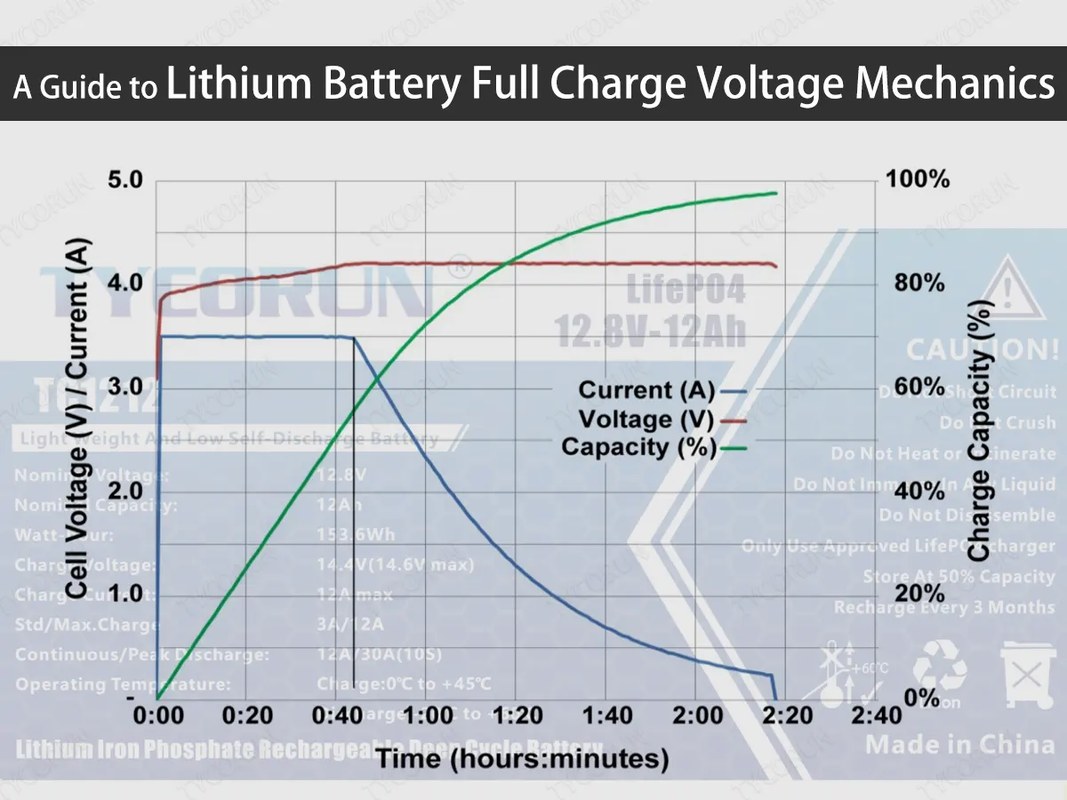
Safe charge time is not just about waiting long enough. It is about matching the right charger and charging method to the jump starter’s internal battery and intended vehicle system. Four factors matter most: chemistry, charger type, capacity, and voltage class.
12-volt jump starters vs higher-voltage commercial units
Most consumer portable jump starters sold for cars, SUVs, and light trucks support 12-volt vehicle systems. Commercial booster units for heavier equipment may be built for 24-volt use or offer multiple modes. Those are not interchangeable by default.
Check: Verify your vehicle’s starting-system voltage and the jump starter’s rated voltage before charging or connecting it. Limitations: A 12-volt jump starter is not a safe substitute for a 24-volt commercial system unless the manufacturer clearly states compatibility.
Lithium jump packs compared with sealed lead-acid models
Lithium jump packs are lighter, often recharge faster, and usually hold a maintenance charge longer in storage. Sealed lead-acid units are bulkier and slower to recharge, but some drivers still like them for simple operation and lower replacement cost in certain categories.
The charging rules are different enough that you should never swap chargers unless the manufacturer says you can. Lithium packs usually rely on built-in battery management systems. Lead-acid packs may be more sensitive to being left partially discharged for long periods.
State of charge vs battery health: why a “full” pack can still perform poorly
A jump starter can show 100 percent and still struggle if the battery has aged, been overheated, or suffered repeated deep discharge. State of charge tells you how full the battery is right now. Battery health tells you how much usable performance remains.
If your pack reaches full very quickly but no longer cranks well, the issue may be battery degradation rather than charging time. The same logic applies to your vehicle battery. A fuller battery is not always a healthier battery, which is why a separate tester can help. For more on that, see what a battery tester tells you.
How to charge a portable jump starter without damaging the pack or shortening its lifespan
Good charging habits are simple, but they matter. Most damage comes from heat, the wrong charger, long neglect, or continuing to use a worn-out pack as if nothing changed.
Correct charging setup, outlet choice, and temperature-safe storage conditions
Use the cable and power adapter specified in the manual whenever possible. Plug into a stable indoor outlet, not a questionable extension cord in a damp garage corner. Charge the pack on a hard, dry surface with airflow around it.
Avoid charging in extreme heat or freezing conditions unless the manufacturer clearly permits it. Many battery packs charge poorly when very cold and age faster when stored hot. The trunk of a car parked in summer sun is often a rough place for long-term battery life.
Connection order, charge-indicator checks, and when to unplug
First connect the charger to the jump starter, then connect to wall power if the manual calls for that order. Watch for normal charge lights or screen behavior. If the unit never enters charging mode, check the cable, port, and adapter before assuming the battery is bad.
Unplug the pack once it reaches full unless the manual specifically says it supports safe maintenance charging. After that, store it in a cool, dry spot and note the next top-off date. If you are still deciding what size pack to buy, CarValleyNJ’s guide on how to choose a jump starter for your car can help narrow it down.
Firmware, app permissions, and smart-feature limits on Bluetooth-enabled units
Some newer jump starters pair with a phone app for battery status, firmware updates, or safety prompts. Those features can be useful, but they do not replace basic charging discipline. A Bluetooth connection cannot fix a damaged cell or a wrong charger.
If the app asks for location, Bluetooth, notifications, or account access, review those permissions carefully. Firmware updates may improve charging logic or display accuracy, but support varies by brand and product revision.
When you should not keep charging: warning signs of a damaged jump starter or unsafe vehicle battery
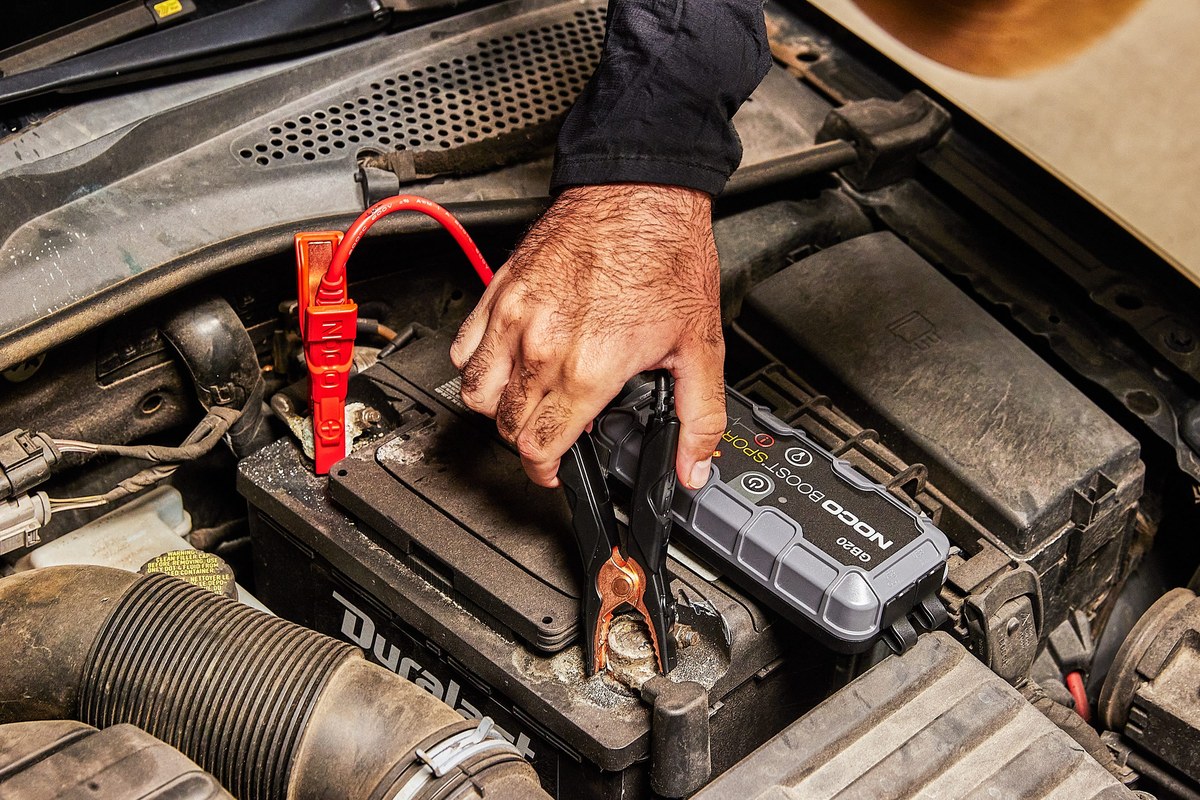
Not every low-power problem should be solved by “just charge it longer.” Sometimes the safer move is to stop immediately.
Swelling, overheating, odor, cracked cases, frayed cables, and corroded clamps
If the jump starter swells, gets unusually hot, smells burnt or chemical-like, shows a cracked case, or has damaged cables, do not keep charging it. Corroded clamps and frayed insulation can also create resistance, poor performance, or a short circuit risk.
Stop conditions for frozen, leaking, or visibly damaged vehicle batteries
Do not attempt a normal jump-start on a frozen, leaking, or visibly broken vehicle battery. A cracked case, bulging sides, or fluid leakage can signal a serious hazard. At that point, roadside assistance or a repair shop is the safer next step.
Hybrid and EV cautions, including 12-volt support batteries and high-voltage no-touch areas
Many hybrids and EVs still use a 12-volt support battery for accessories and system wake-up, but they also contain high-voltage components that should not be touched. Jump-start procedures can differ by model, and some vehicles have designated jump points away from the battery itself.
Portable jump starter vs battery charger vs booster pack: which option fits your vehicle and driving habits?
These tools overlap, but they are not the same. A portable jump starter is for fast emergency starting. A battery charger is for restoring charge more slowly. A larger booster pack may suit heavier vehicles or frequent service use.
Side-by-side comparison of charge time, peak current limits, storage needs, and ownership cost
| Option | Best for | Owner consideration | Driver consideration |
|---|---|---|---|
| Portable jump starter | Emergency self-starts on the road | Needs periodic top-offs and storage checks | Fast roadside use with no second vehicle needed |
| Battery charger | Restoring a weak battery in a garage or driveway | Usually slower but better for controlled charging | Not as convenient during a roadside no-start |
| Booster pack | Larger engines, fleet use, repeated jump-starts | Heavier, bulkier, and often slower to recharge | Can offer more reserve but is harder to store |
Best fit for commuters, cold-weather drivers, trucks, older cars, and infrequent drivers
Commuters often do well with a compact lithium jump starter that is easy to recharge and store indoors. Cold-weather drivers may want more reserve than the minimum rating suggests. Truck owners and diesel users usually need a stronger unit with verified compatibility and realistic cable length.
Older cars with tired batteries may benefit from both a jump starter and a proper charger, because repeated jump-starts do not fix the root problem. Infrequent drivers should pay extra attention to storage checks and battery maintenance intervals.
How charging time affects real-world jump-start performance, compatibility, and current limits
A half-charged pack may still light up and power USB devices, yet fail to crank an engine under load. Real jump-start performance depends on more than the number printed on the box.
Engine size, gas vs diesel needs, and why peak amps are not the whole story
Gas engines usually ask less from a jump starter than diesels, especially in cold weather. Peak amps can help compare models, but they do not tell the whole story. Clamp quality, internal resistance, cable thickness, battery temperature, and true reserve capacity all matter.
If you want a deeper look at current needs, read how many amps you need to jump start a car. That context makes it easier to see why a fully charged moderate-size pack may outperform a larger but poorly maintained one.
Model-year and vehicle-electronics compatibility, including start-stop systems and sensitive modules
Some newer vehicles have start-stop systems, battery sensors, or sensitive electronics that react badly to poor connections or repeated failed cranking. Always follow the vehicle’s specified jump points and shutdown steps. Compatibility can vary by make, model, trim, and battery location.
Tool completeness: cables, adapters, inflator, light, USB output, and post-use inspection
Many jump starters include extras like a flashlight, USB output, or tire inflator. Those features can be useful, but they also create more parts to inspect. After any emergency use, check the clamps, ports, housing, and charging function before putting the pack back in storage.
- Match the jump starter to your vehicle’s voltage and engine needs
- Recharge the pack promptly after every jump-start
- Inspect clamps, cables, and the case before storing it again
- Assume a lit display means the pack has enough cranking power
- Use a damaged charger, cable, or swollen battery pack
- Keep trying repeated starts if the vehicle battery looks frozen or leaking
Using a portable jump starter safely on the roadside after charging it
Charging the pack correctly is only half the job. You also need a safe setup when the no-start happens.
Safe location, traffic visibility, and ignition-off preparation before connecting clamps
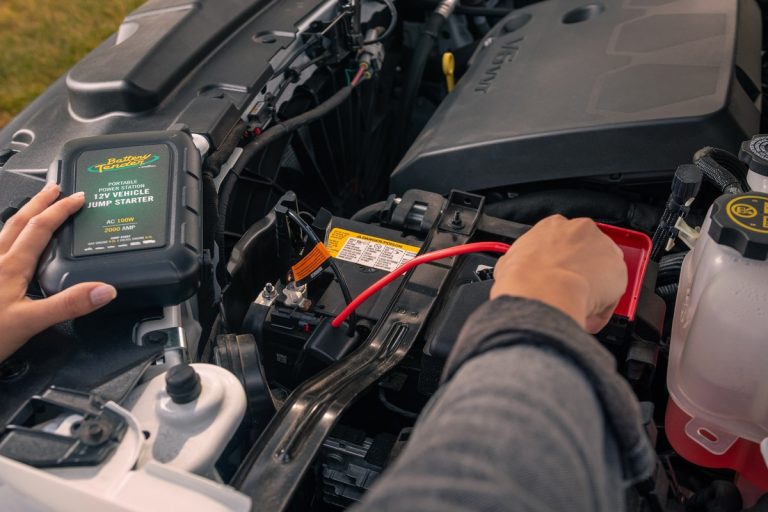
Pull as far from moving traffic as possible, turn on hazard lights, and set the parking brake. Shut the vehicle off fully before connecting anything. Keep loose clothing, jewelry, and the jump pack away from belts, fans, and hot engine parts.
Correct connection order and what to do if the pack will not enter boost mode
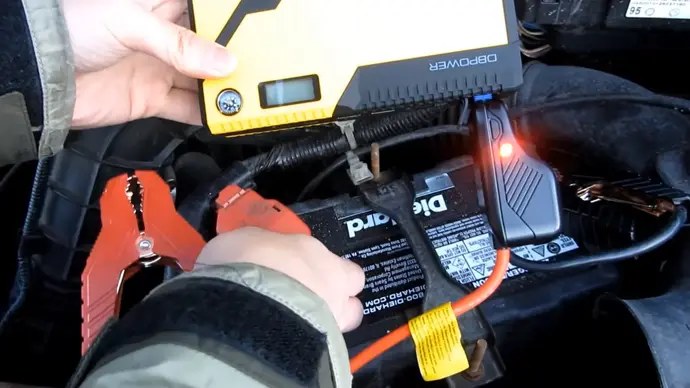
Follow the exact clamp order in both the vehicle manual and the jump starter manual. Many units will not enter boost mode if they detect reverse polarity, a battery voltage outside the expected range, or a poor clamp connection. Recheck placement before trying again.
Post-start steps, recharge timing, and inspection after emergency use
Once the engine starts, disconnect in the order specified by the manufacturer. Then drive only if the vehicle appears safe and normal. Recharge the jump starter as soon as practical after use, because storing it partly drained can shorten its life.
Maintenance schedule for 2026 owners: how often to top off charge, where to store the pack, and when to replace it
Owners in 2026 still face the same basic rule: portable jump starters last longer when they are stored correctly and topped off before they get too low. The exact interval depends on chemistry and the manufacturer’s guidance.
Monthly and seasonal check intervals for lithium and lead-acid units
Many lithium jump starters benefit from a monthly or every-few-months check, depending on self-discharge and standby features. Sealed lead-acid packs often need more regular attention. Seasonal changes matter too, especially before winter road trips or summer heat waves.
Heat, freezing temperatures, trunk storage, and long-idle vehicle considerations
Indoor storage is usually better than leaving the pack in a trunk year-round. Heat is especially hard on battery life, while freezing conditions can reduce available performance. If a vehicle sits for long periods, the jump starter should be checked more often so it is ready when needed.
Warranty support, evidence limits in manufacturer claims, and signs it is time to retire the pack
Manufacturer claims about standby time, peak current, or battery life are useful starting points, but they are not guarantees for every climate or use pattern. Review the warranty, support contacts, and replacement policy before you need them.
Retire the pack if it no longer holds charge well, charges erratically, overheats, or shows physical damage. Also replace it if it repeatedly fails on vehicles that are otherwise known to have a serviceable 12-volt battery.
What a portable jump starter cannot fix and when diagnosis requires a professional
A portable jump starter is an emergency tool, not a cure for every no-start. If the same problem keeps coming back, diagnosis matters more than another recharge cycle.
Weak battery vs alternator, starter, parasitic draw, or cable-ground problems
If the vehicle starts with a jump but dies again soon, the issue may be a weak battery, failing alternator, bad starter, corrosion, or a parasitic draw. A jump starter only gets the engine turning. It does not prove the charging system is healthy.
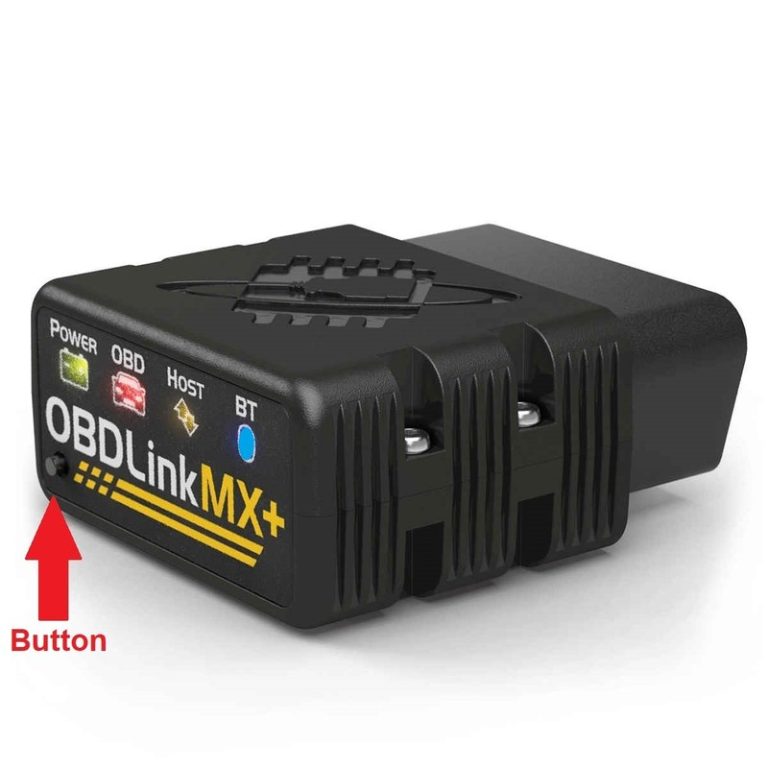
If you suspect the charging system, CarValleyNJ also explains whether an OBD2 scanner can detect a bad alternator. That can help you decide whether to keep troubleshooting or book professional service.
OBD2 basics after a no-start: port location, ignition mode, protocol coverage, and code/live-data limits
On most US-market vehicles, the OBD2 port is under the dash on the driver side. A scanner may need the ignition in accessory or on mode to read codes or live data. Basic tools can show trouble codes, but they may not provide full battery or charging-system analysis.
Emissions readiness, reset limitations, app privacy permissions, and when a shop should take over
Clearing codes can erase useful clues and may reset emissions readiness monitors. That is not a good first step after a no-start unless you have already recorded the data and understand the consequences. Connected scan tools may also request app permissions you should review before use.
If the battery, charging system, or electrical faults are not clear, a qualified shop is the safest next move. That is especially true for hybrids, EVs, repeated dead batteries, or any situation involving visible battery damage.
- Best for: Drivers who want a clear rule: fully charge the jump starter before first use, recharge it after every jump, and stop when the unit’s full-charge indicator says it is done.
- Think twice if: You plan to leave the pack plugged in indefinitely, use an unapproved charger, or ignore swelling, heat, or repeated weak performance.
- Next step: Check your jump starter manual for charge time guidance, verify your vehicle’s voltage and jump points, and set a recurring reminder to top off the pack before the next emergency.
Frequently Asked Questions
Yes, that is the safest starting point for most models. A full first charge helps you know the pack is ready and makes future maintenance easier to track.
Often yes, if the normal charge time and the manual allow it. But you should not leave it plugged in indefinitely unless the manufacturer specifically says it supports maintenance charging.
That depends on the battery chemistry, temperature, and the model’s self-discharge rate. Check it at least on a regular schedule in the manual and before winter travel, summer heat, or a long trip.
No, not automatically. You still need to verify engine-size needs, gas versus diesel requirements, clamp reach, and any vehicle-specific jump-start instructions.
Check voltage compatibility, starting-current guidance, battery type, included cables, charging method, storage limits, warranty, and support. If you drive a truck, diesel, hybrid, or EV, confirm those use cases directly in the manufacturer documentation.
You can on some vehicles, but it is usually better to record codes first. Clearing them too soon can erase helpful diagnosis data and reset emissions readiness monitors.