Can an OBD2 Scanner Detect a Bad Alternator? What It Can Reveal
An OBD2 scanner can point to alternator or charging-system trouble, but it usually cannot prove the alternator itself has failed. Battery health, belt condition, and wiring checks are still needed to confirm the cause.
can an OBD2 scanner detect a bad alternator is a fair question, but the short answer is that a scanner can help point to charging-system trouble without proving the alternator is the only problem. In many cases, the real cause is a weak battery, bad cable, poor ground, belt slip, or wiring issue.
- Scanner clue, not final proof: Codes and live voltage can suggest a charging problem, but they do not isolate.
- Battery first: A weak or damaged battery can mimic alternator symptoms and lead to a wrong.
- Check the basics: Belt slip, loose cables, and bad grounds can all create low-voltage readings.
- Use the right tool: A multimeter or professional charging test gives a clearer answer than a code reader.
- Confirm compatibility: Scanner features vary by vehicle year, protocol, app support, and update policy.
Can an OBD2 Scanner Detect a Bad Alternator? The Short Answer for Drivers
An OBD2 scanner may reveal charging-related clues, but it usually does not “test” the alternator the way a dedicated electrical check does. It can show codes, live voltage data, and warning patterns that suggest a charging fault, yet those clues still need context.
That matters because drivers often replace the alternator too soon. If the battery is old or the belt is slipping, the scan results can look similar to a failing alternator even when the alternator itself is still working.
How the Charging System Actually Fails: Alternator, Battery, Belt, and Wiring

Your charging system is a team, not a single part. The alternator makes power, the battery stores it, the belt spins the alternator, and the cables and grounds carry current where it needs to go.
When one part weakens, the others can start acting strange. That is why a dashboard battery light, slow cranking, dim lights, or random module warnings do not automatically mean the alternator is bad.
Why a weak battery can look like a bad alternator
A battery with low state of charge can trigger low-voltage symptoms that feel like alternator failure. The car may start after a jump, then run normally for a while until the battery can no longer hold enough reserve.
That is especially common after short trips, long storage, or cold weather. A scanner may show voltage instability, but the battery may be the real reason the system looks unstable.
When voltage drop points to cables, grounds, or a belt issue
If voltage is low only under load, the problem may be resistance in the cables, terminals, or ground path. Corrosion, loose connections, and damaged wiring can all create a drop that looks like weak charging.
A loose or glazed serpentine belt can also reduce alternator output. In that case, the scanner may show low system voltage, but the fix is mechanical rather than electrical.
What an OBD2 Scanner Can Reveal About Alternator Problems
The best use of a scanner is to gather evidence before you replace parts. It can help you see whether the charging system is struggling at idle, under electrical load, or during acceleration.
Relevant trouble codes and what they do—and do not—prove
Codes related to system voltage, undercharging, overcharging, or control-module power loss can all point toward charging trouble. But a code is not a final diagnosis. It only tells you that a module noticed a problem in its expected voltage range.
That is why a code reader is most useful as a starting point. If you want a plain-English overview of scanner basics, see OBD2 scanner coverage for cars and which vehicles OBD2 scanners work with.
Live-data clues: system voltage, charging behavior, and load changes
Live data can show whether system voltage rises after startup and stays steady when headlights, rear defrost, blower motor, and other loads turn on. If voltage stays low or swings sharply, that is a useful clue.
Still, live data does not replace a meter or charging-system test. It can suggest a problem, but it may not show whether the alternator, battery, belt, or wiring is the weak link.
Emissions readiness, reset limitations, and why a scan tool may miss the real fault
Some scanners can clear codes or reset readiness monitors, but that does not repair the charging system. If the alternator or battery issue is still present, the warning usually returns after the vehicle runs again.
Also, a basic scanner may miss intermittent faults that happen only under load, heat, or vibration. That is one reason a scan tool can be helpful without being enough on its own.
OBD2 Compatibility in 2026: Model Years, Protocols, Port Location, and Ignition Mode

Compatibility still matters more than app screenshots or marketing claims. A scanner that works well on one vehicle may show only limited information on another, depending on year, protocol, and module support.
Vehicle coverage by year and communication protocol
In the United States, OBD2 became standard on most gasoline vehicles starting with the 1996 model year, but coverage and available data still vary by make and model. Diesel, hybrid, and imported vehicles can have different behavior.
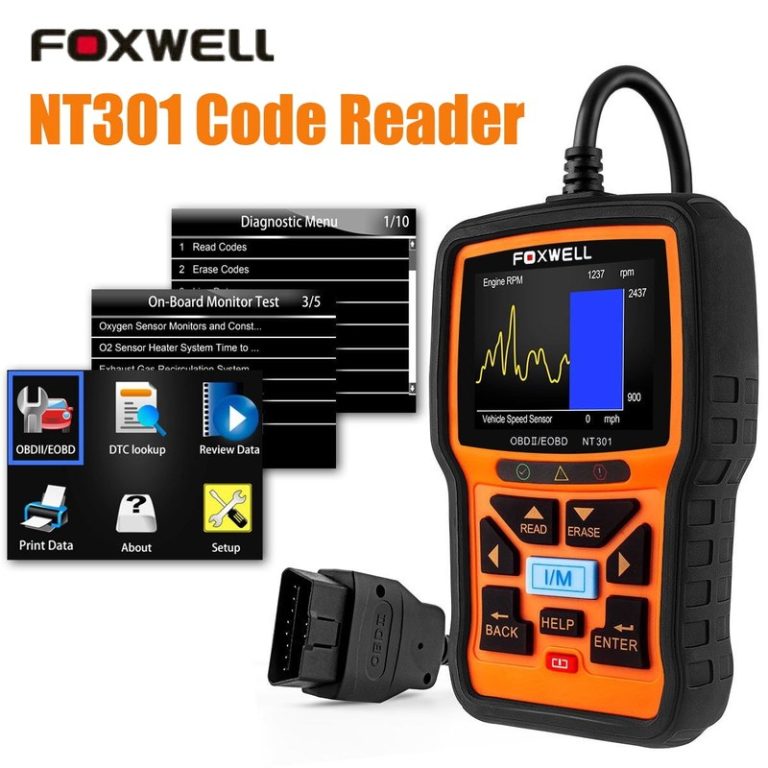
If you are comparing tools, a model-specific guide such as how to use the Foxwell NT301 OBD2 scanner can help you understand what a basic reader can and cannot do before you buy.
Where the diagnostic port is usually found and how ignition position affects results
The OBD2 port is usually under the dash near the steering column, but the exact location varies. Some vehicles require the key in a specific ignition mode or the start button pressed without starting the engine before the scanner will communicate correctly.
If the scanner powers up but does not connect, the issue may be ignition position, a blown fuse, or a vehicle-specific communication quirk rather than a bad scanner.
App permissions, firmware updates, and privacy considerations
Bluetooth and app-based scanners can be convenient, but they may request location, device, or account permissions. Read the app settings before pairing, especially if the tool stores VINs, codes, freeze-frame data, or cloud history.
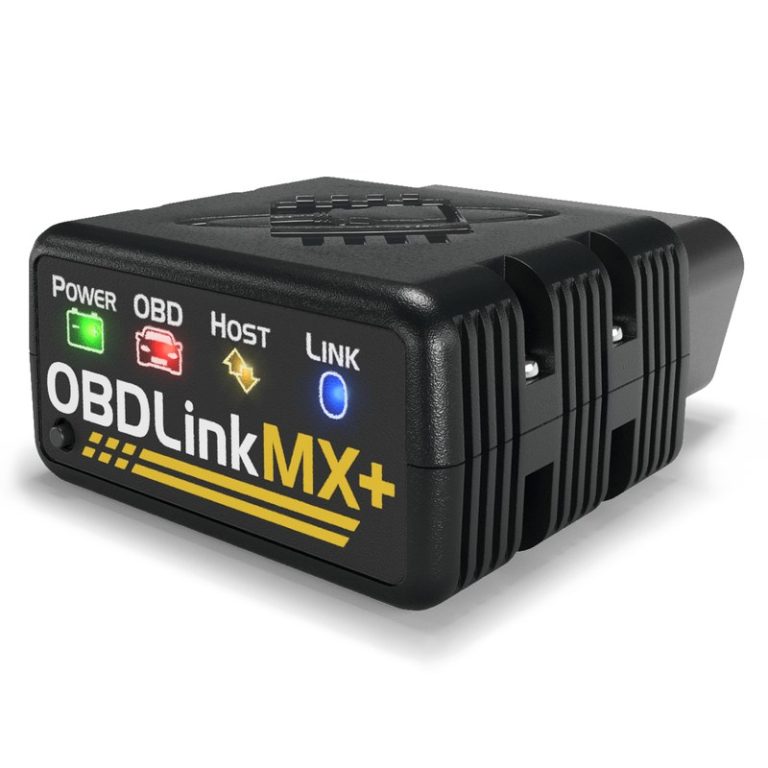
Bluetooth vs. wired OBD2 scanner is a useful comparison if you want to balance convenience, stability, and privacy. Firmware updates also matter because they can improve vehicle compatibility or fix communication bugs.
Battery and Electrical Checks Before You Blame the Alternator
Before you replace an alternator, check the battery and basic electrical condition. That is often the fastest way to avoid a costly mistake.
System voltage basics, battery chemistry, and state of charge versus battery health
State of charge is not the same as battery health. A battery can be fully charged and still be weak, especially if it is old, sulfated, or damaged.
For a simple starting point, see how to test a battery with a multimeter. A meter can confirm whether the battery is low, but it still does not tell you everything about alternator output under load.
Correct connection order for jump-starting or testing
If you are jump-starting or using test equipment, follow the vehicle manual and keep the connection order correct. A poor connection can create sparks, false readings, or damage to electronics.
Always make sure clamps are secure on clean metal contact points. If the battery is cracked, leaking, swollen, or hot, stop and do not keep testing it at home.
Damaged-battery stop conditions, hybrid/EV cautions, and when to stop DIY diagnosis
Stop DIY diagnosis if the battery shows physical damage, strong odor, heat, or leaking fluid. Those are safety problems, not just maintenance issues.
When the Problem Is Actually Tires or TPMS: Don’t Miss the Bigger Safety Picture
Charging problems and tire problems can both show up as warning lights, reduced confidence, or roadside stress. If the vehicle is pulling, shaking, or showing a tire alert, do not assume every warning is electrical.
Door-jamb placard pressure, cold pressure, and gauge accuracy
Check tire pressure against the door-jamb placard, and measure when the tires are cold. A weak battery and a low tire can happen at the same time, but they need different fixes.
Gauge accuracy also matters. A cheap or damaged gauge can mislead you, so compare it with another known-good gauge if the reading seems strange.
Inflator duty cycle, TPMS relearn limits, and puncture location
If you use a portable inflator, follow its duty-cycle limits so it does not overheat. TPMS may warn you about pressure loss, but it usually does not tell you whether a tire can be safely repaired.
Puncture location matters. Damage in the sidewall or shoulder is often not repairable, while tread punctures may be repairable depending on size, location, and shop policy.
Temporary-repair limits and the threshold for professional tire repair
Sealants and temporary kits are not permanent fixes. They can get you off the road, but they may also complicate a full repair if you keep driving too long.
Roadside and Emergency Tools: What to Carry, Where to Store It, and How to Inspect It
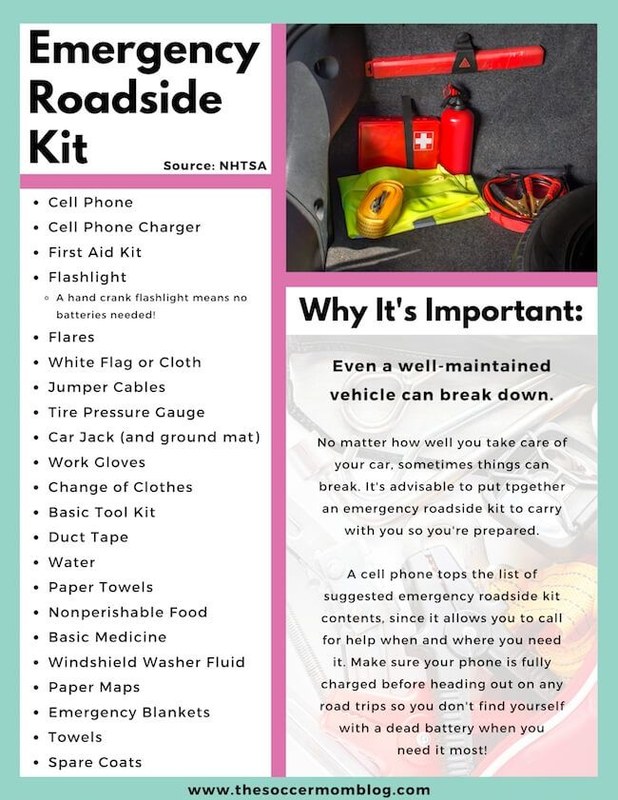
Many drivers keep a scanner, jump pack, or inflator in the car because it helps them get answers fast. That only works if the tool is stored correctly and still ready when needed.
Safe location, traffic visibility, and working around a disabled vehicle
When diagnosing a dead battery or charging issue roadside, stay visible to traffic and avoid standing in a travel lane. Use hazard lights and move to a safer location if the vehicle still rolls.
For emergency visibility, follow state rules and local conditions. A safe shoulder, parking lot, or service area is better than trying to diagnose a car in traffic.
Cable and jump pack condition, current limits, and tool completeness
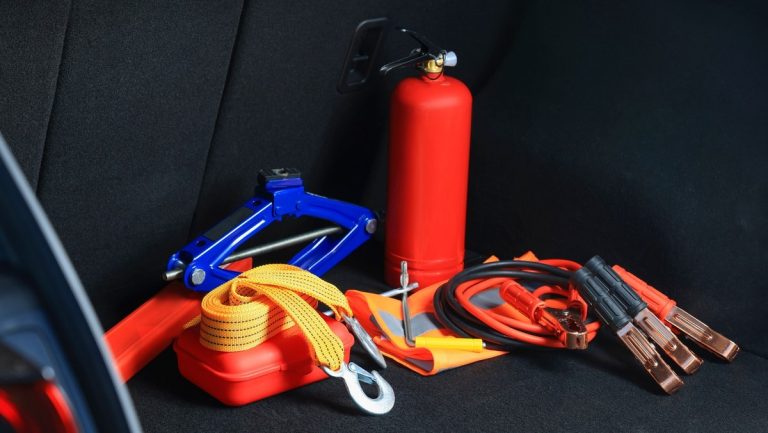
Inspect jumper cables, clamps, and jump packs for cracked insulation, corrosion, and loose connectors. A damaged cable can create heat and poor performance even if the tool looks fine at a glance.
Check that the jump pack is charged and that the cables, adapters, and manual are still with it. Missing accessories often turn a useful tool into dead weight during an emergency.
Storage conditions and post-use inspection after an emergency start
Store electronics and batteries in a dry place away from extreme heat. After use, inspect the tool again so you know whether it needs charging, cleaning, or replacement before the next trip.
Comparison Guide: OBD2 Scanner vs Multimeter vs Professional Diagnostic Service
Each option answers a different question. The best choice depends on how much certainty you need and how comfortable you are working around vehicle electronics.
| Option | Best for | Owner consideration | Driver consideration |
|---|---|---|---|
| OBD2 scanner | Reading codes and live voltage clues | May miss the exact failed part | Fast, simple, and low distraction when parked |
| Multimeter | Checking voltage directly | More accurate for basic electrical checks | Requires more skill and careful probe use |
| Professional diagnosis | Confirming alternator, battery, belt, and wiring faults | Higher cost, but better certainty | Best when warning lights affect reliability or safety |
Side-by-side criteria: accuracy, cost, skill level, and time to answer
An OBD2 scanner is usually the quickest first step, but not the most precise. A multimeter gives a direct voltage reading, while a professional test can load-check the system and interpret the whole picture.
If you are shopping for a scanner, the right tool depends on whether you want basic code reading or deeper live data. For budget-minded buyers, best OBD2 scanner without subscription can be a helpful next read.
Which option fits commuters, DIY owners, hybrids/EVs, and older vehicles
Commuters and rideshare drivers often need the fastest answer, so a scanner plus a simple voltage check makes sense. DIY owners may want both tools for better confidence.
Hybrid and EV owners should be more cautious and follow the service manual. Older vehicles may also need more hands-on electrical testing because scan data can be limited.
Maintenance, Next Steps, and When a Professional Diagnosis Is the Smart Move
Once you fix the issue, watch for repeat symptoms. Charging problems often come back in small ways before they become a full breakdown.
What to monitor after repairs: charging voltage, battery condition, and warning lights
After repair, keep an eye on warning lights, starting behavior, and any repeat low-voltage messages. If the same symptoms return, the original diagnosis may have missed a cable, battery, or control issue.
A follow-up battery test can help confirm whether the battery recovered or whether the charging system still has a hidden problem.
Ownership cost, warranty/support considerations, and transparent limitations of scan tools
Scan tools vary widely in support, app quality, update access, and warranty terms. A cheaper tool may still be useful, but it may offer less coverage or fewer live-data features.
If you want a scanner mainly for diagnostics and basic maintenance, look at update policy, app permissions, and vehicle compatibility before you buy. Those details matter more than flashy packaging.
Best next action based on symptoms, codes, and vehicle type
If you have a charging warning, start with the battery, belt, and cables before replacing the alternator. If codes and live data still point to low or unstable voltage, get a proper charging-system test.
- Best for: Drivers who want a quick first look at charging-system trouble before spending money on parts.
- Think twice if: You need a final answer, because a scanner can suggest alternator trouble without proving the alternator is bad.
- Next step: Check the battery, belt, and wiring first, then confirm the diagnosis with live data or a multimeter.
Frequently Asked Questions
It can point to charging-system trouble, but it usually cannot prove the alternator is the only failed part. Codes and live data are clues, not a final test.
A low or unstable system-voltage reading can suggest a charging issue, but the battery, cables, and belt must also be checked. The exact normal range can vary by vehicle and operating conditions.
Not always. A scanner with live data is helpful, but a multimeter or professional charging-system test is often needed for a more accurate answer.
Only after you record the codes and freeze-frame data you may need for diagnosis. Clearing them too early can erase useful clues and may reset readiness monitors.
No. Coverage depends on the model year, protocol, and vehicle system support, so some tools read only basic engine codes while others access more data.
Confirm vehicle compatibility, live-data support, app permissions, update policy, and whether it can read voltage-related information. Also review warranty and any subscription costs.