What Does Pending Code Mean on an OBD2 Scanner and Why It Matters
A pending code means the vehicle detected a possible fault but has not confirmed it enough times yet to turn on a full warning in many cases. It matters because it can be an early sign of an emissions, drivability, or electrical problem.
what does pending code mean on an OBD2 scanner? It usually means the car’s computer saw a fault once, but not enough times yet to turn it into a confirmed trouble code. That makes a pending code an early warning, not something to ignore and not always proof that a part has failed.
For many US drivers, the biggest mistake is either panicking too soon or clearing the code too fast. A pending code can disappear on its own if the condition does not return, but it can also mature into a check engine light if the problem repeats under the right driving conditions.
- Early warning: A pending code is not fully confirmed, but it should still be recorded and.
- Light behavior: The check engine light may stay off until the fault repeats under the right.
- Battery check: Low 12-volt voltage can create misleading faults or poor scanner communication.
- Clear with care: Erasing codes too soon can remove useful clues and reset readiness monitors.
- Tool limits: Basic scanners may miss freeze-frame data, enhanced codes, and deeper module access.
What a Pending Code Means on an OBD2 Scanner
A pending code is a diagnostic trouble code that has been detected during monitor testing, but has not yet met the full conditions to become confirmed. In simple terms, the vehicle thinks something may be wrong and is watching to see if it happens again.
OBD2 systems do this to avoid false alarms. A brief voltage dip, a temporary fuel-vapor issue, or a one-time sensor reading outside the expected range may trigger a pending code first. That gives the vehicle time to verify the fault before it lights the dash and stores a stronger record.
How a pending code differs from a confirmed code and a permanent code
A pending code is the first stage. The fault was seen, but the onboard monitor has not confirmed it enough times yet. A confirmed code means the vehicle has seen the fault often enough, or under the right conditions, to officially store it as a real problem.
A permanent code is different. On many newer vehicles, permanent codes stay in memory even after you clear normal codes with a scanner. They usually remain until the vehicle’s self-tests show that the repair worked and the fault no longer returns during the proper drive cycle.
| Code type | What it means | Dash behavior | Typical next step |
|---|---|---|---|
| Pending | Fault seen once or not fully verified yet | Check engine light may stay off | Record code, inspect basics, rescan after driving |
| Confirmed | Fault verified by the monitor | Light may be on or stored in history | Diagnose cause and repair |
| Permanent | Emissions-related fault record remains after clearing | May remain even after repair | Complete repair and drive cycle so monitors can pass |
Why the check engine light may stay off while a pending code appears
The check engine light often stays off because many emissions monitors need the same fault to happen again before the PCM or ECM commands the light. That is normal behavior, not proof that the scanner is wrong.
Some faults are considered more serious and may trigger the light faster. A severe misfire, for example, can cause catalyst damage and may flash the light quickly. But many EVAP, sensor efficiency, and rationality faults begin as pending codes with no warning light at all.
Why Pending Codes Matter for Drivers, Safety, and Ownership Costs
Pending codes matter because they can give you a head start. Catching a small issue early may prevent a bigger repair, a roadside breakdown, poor fuel economy, or an inspection failure later.
How early fault detection can reduce repair costs and prevent drivability issues
If a scanner shows a pending code for a small EVAP leak, a loose gas cap may be all you need to fix. If you ignore it and the fault keeps returning, you may end up spending more time chasing a confirmed code before an emissions test.
The same logic applies to misfires, oxygen sensor performance, and air-fuel issues. A pending code does not tell you to replace parts blindly. It tells you the system has noticed a pattern worth checking before the car gets harder to start, rougher to drive, or more expensive to own.
When a pending code points to emissions, fuel economy, power loss, or safety-related concerns
Many pending codes are emissions-related, but that does not mean they are harmless. A fuel trim problem can hurt gas mileage. A misfire can lead to rough acceleration. A sensor fault can reduce power or trigger a backup strategy that changes how the engine runs.
Not every pending code is a safety emergency, but some deserve quick attention. If the engine runs poorly, stalls, hesitates in traffic, smells strongly of fuel, or the battery warning light appears with voltage-related symptoms, stop treating it as a minor issue.
How OBD2 Monitors Create Pending Codes in 1996-2026 Vehicles
US-market OBD2 coverage generally starts with 1996 model-year light-duty vehicles, but scanner support and data depth vary by vehicle, protocol, and tool. A basic reader may still read generic powertrain codes on many vehicles while missing deeper manufacturer-specific information.
Model-year and protocol coverage, including CAN and newer vehicle communication limits
Most consumer scanners are designed for OBD2-compliant vehicles, but that does not mean every function works on every car. Generic code reading is the baseline. Live data, readiness detail, mode support, and enhanced modules can vary a lot by make and tool design.
CAN became standard on many later vehicles, and newer models may also use gateway-protected systems or brand-specific communication layers that limit what a low-cost scanner can access. If you are shopping for a tool, CarValleyNJ’s guides on what OBD2 scanner features beginners need and the best OBD2 scanner for the money can help narrow the field.
Check: Verify your make, model, year, engine, and app or scanner protocol support before assuming a tool can read pending codes, freeze-frame data, or enhanced manufacturer modules. Limitations: Some newer vehicles restrict deeper access without brand-specific software or a higher-end scan tool.
Ignition mode, drive-cycle conditions, and why some faults need multiple trips to mature
Monitors do not run all the time. Some need a cold start, steady cruising, idle time, or a certain fuel level before the test will run. That is why a pending code may appear one day, disappear later, or stay pending for several trips without becoming confirmed.
This also explains why clearing codes and driving around the block does not prove a repair. If the monitor has not rerun under the correct conditions, the system has not finished checking the problem.
Emissions readiness monitors and why reset attempts do not guarantee a clean inspection result
After codes are cleared or battery power is disconnected, readiness monitors may reset to incomplete. Even if no codes are present at that moment, an inspection station may still fail the vehicle if too many monitors are not ready.
That is one reason drivers should be careful about wiping codes just before testing. If you want more background, see CarValleyNJ’s guide on whether a cheap OBD2 scanner can clear a check engine light, because clearing and fixing are not the same thing.
How to Read a Pending Code Correctly With a Scanner or App
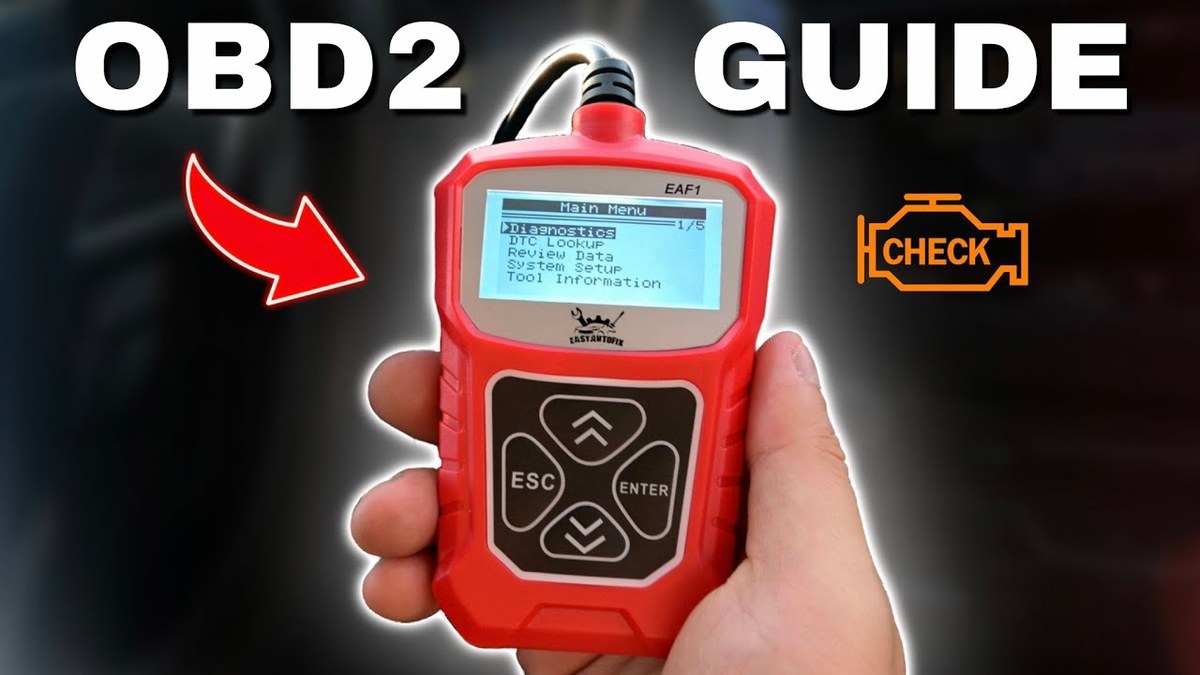
The right reading process matters. A weak battery, wrong ignition mode, outdated app, or poor Bluetooth connection can make the result less useful or stop communication completely.
OBD2 port location, key-on engine-off versus engine-running checks, and system-voltage basics
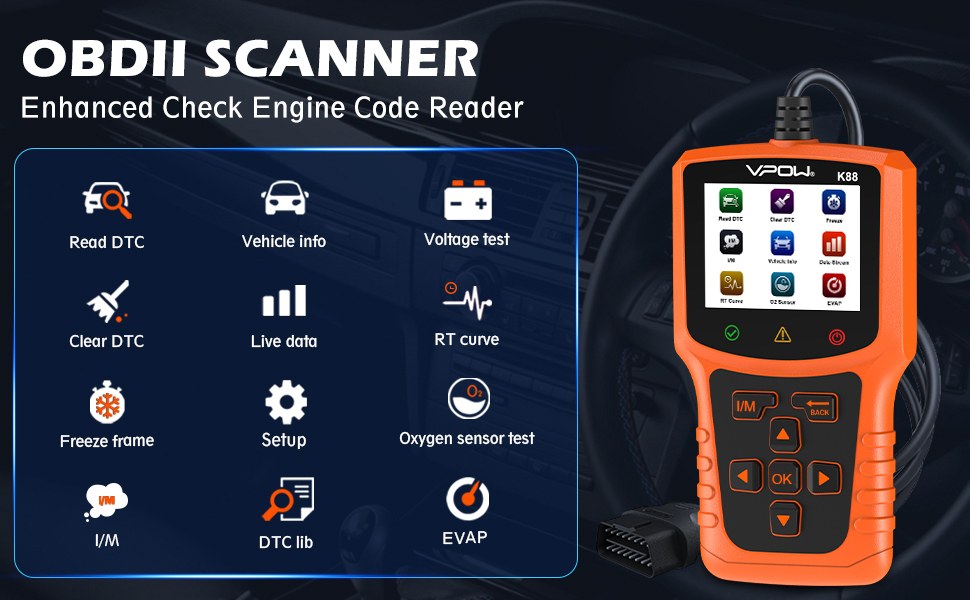
The OBD2 port is usually under the driver-side dash, often near the steering column or lower kick panel. On many vehicles, key-on engine-off is enough to pull stored and pending codes, while live data and some monitor checks are more useful with the engine running.
System voltage matters. If the 12-volt battery is weak, modules may behave oddly, communication may drop, or low-voltage conditions may trigger misleading faults. If your scanner will not connect at all, this guide on why an OBD2 scanner won’t connect covers common causes.
Code-reading limits, live-data limits, freeze-frame access, and firmware update importance
A basic code reader may show the pending code number and short description, but not much else. Better tools may also show freeze-frame data, live sensor values, readiness status, and manufacturer-specific information that helps explain why the code set.
Firmware and app updates matter because vehicle support changes over time. A scanner that once worked well on older cars may need an update for newer communication behavior, bug fixes, or app compatibility.
App permissions, Bluetooth privacy considerations, and compatibility with iPhone and Android tools
Phone-based scanners can be very convenient, but they also raise privacy and compatibility questions. Some apps ask for location, Bluetooth, account login, VIN access, or cloud sync permissions. Read those prompts before you tap through setup.
Compatibility can differ between iPhone and Android, especially with Bluetooth chipsets, app support, and background permissions. If that matters for your setup, compare your options with CarValleyNJ’s guides to the best Bluetooth OBD2 scanner for iPhone and broader Bluetooth tool coverage.
Pending Code vs Confirmed Code vs No Code: Which Result Means What
The scanner result only helps if you know what action fits it. Pending, confirmed, and no-code results each mean something different for risk, timing, and repair planning.
Side-by-side comparison of symptoms, risk level, dashboard warning behavior, and next steps
A pending code with no symptoms often means watch and verify. A confirmed code usually means diagnose soon, especially if the light is on. No code does not always mean no problem, because some faults are intermittent, outside generic OBD2 coverage, or stored in other modules.
| Result | Symptoms | Risk level | Best next step |
|---|---|---|---|
| Pending code | Maybe none, maybe mild | Low to medium depending on drivability | Record it, inspect basics, rescan after proper driving |
| Confirmed code | Often present or recurring | Medium to high depending on fault | Diagnose and repair before damage or inspection trouble |
| No code | Problem may still exist | Varies | Check other modules, battery health, and intermittent conditions |
Which result matters most for daily drivers, used-car shoppers, DIY owners, and inspection-bound vehicles
Daily drivers should care most about symptoms plus monitor status. Used-car shoppers should treat pending codes as a reason to ask questions, not automatic proof of a bad car. DIY owners should care about whether the code is generic or manufacturer-specific and whether supporting data is available.
For inspection-bound vehicles, readiness status can matter almost as much as the code itself. A car with no current light but incomplete monitors may still create a problem at test time.
What to Do After You See a Pending Code
Start with simple checks before replacing parts. The goal is to gather useful evidence without creating new problems.
Check battery voltage, state of charge versus battery health, and low-voltage false-trigger risks
Low voltage can confuse modules and trigger odd behavior, especially during cold starts or after the car has sat. A battery can show decent state of charge and still have poor health, which means it may not support the electrical load well under stress.
That is why a quick battery check is smart before chasing every pending code. CarValleyNJ’s article on what a battery tester tells you explains the difference between charge level and condition in plain terms.
Inspect obvious issues safely, including loose gas caps, damaged connectors, vacuum leaks, and wiring faults
Look for the easy stuff first: a loose or damaged gas cap, disconnected intake tubing, cracked vacuum hoses, corrosion at visible connectors, or wiring damage near heat or vibration points. These checks cost little and often explain common pending codes.
Do not probe random wires, unplug components on a hot engine, or force connectors apart. If the issue is near fans, belts, fuel vapors, or hard-to-reach electrical parts, stop and use the service information for your vehicle.
When clearing codes helps, when reset limitations apply, and why readiness monitors may remain incomplete
Clearing a pending code can help after you have recorded the code, freeze-frame details, monitor status, and symptoms. It may also help you see whether the fault returns after a known fix. But clearing too early erases clues that would help a shop or a better scanner diagnose the problem.
Even after clearing, readiness monitors may stay incomplete until the car completes the right drive cycle. That means no code on the screen does not always equal ready for inspection or fully repaired.
When a Pending Code Involves Battery, Hybrid, or EV Systems
Some pending faults involve more than a simple engine sensor. Battery-related, hybrid, and EV issues need extra caution because the risk level is higher and generic scan tools may show only part of the picture.
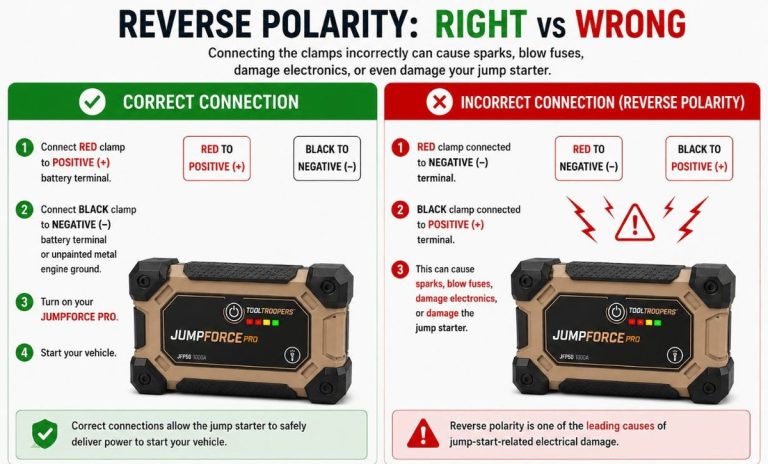
Correct connection order for 12-volt support tools and stop conditions for swollen, leaking, or damaged batteries
If you are using a charger, maintainer, or battery support tool during diagnosis, follow the tool and vehicle instructions exactly. Connection order can vary by equipment and vehicle design, so do not guess.
Stop immediately if the 12-volt battery is swollen, leaking, cracked, overheating, or smells unusual. That is not a normal troubleshooting situation.
Battery chemistry differences, charging cautions, and why state of charge is not the same as battery health
Flooded lead-acid, AGM, lithium auxiliary batteries, and hybrid system support batteries do not all behave the same way. Charging method, voltage targets, and service precautions can vary by vehicle and battery type.
Just as important, a battery can be fully charged and still weak. State of charge tells you how much energy is in the battery. Health tells you how well it can still do its job.
Hybrid and EV high-voltage cautions and when diagnosis should be left to a qualified professional
Hybrid and EV systems may store faults in modules that a basic OBD2 reader cannot access. Even when a generic pending code appears, the real cause may be in battery management, cooling, isolation monitoring, or brand-specific control systems.
That is why many hybrid and EV faults should be left to a qualified professional with the right service information and protective procedures. Generic tools are useful for basic screening, but not for every high-voltage decision.
Scanner Compatibility and Tool Choice for Pending-Code Diagnosis
The best tool depends on your vehicle and how deep you want to go. For some owners, a simple reader is enough. For others, app support, live data, and enhanced modules are worth paying for.
Basic code reader vs Bluetooth dongle vs bidirectional scan tool by vehicle age, protocol, and owner needs
A basic code reader is often enough to see pending and confirmed generic powertrain codes. A Bluetooth dongle paired with a good app can add convenience, graphing, and easier updates. A bidirectional tool is for owners or shops who need active tests, service functions, and wider module access.
Older vehicles may work fine with simpler tools, while newer vehicles and brand-specific systems may benefit from stronger software support. If you are still deciding, compare the tradeoffs in CarValleyNJ’s coverage of Bluetooth vs wired OBD2 scanners.
What budget tools miss: manufacturer-specific codes, relearns, service functions, and deeper live data
Budget tools often miss enhanced codes, transmission data, ABS or airbag modules, relearn procedures, and deeper sensor information. That does not make them useless. It just means their answer may be incomplete when a pending code is only the surface symptom.
For many daily drivers, that is the key limitation to understand before buying. A cheap reader can tell you something is starting to go wrong, but not always why.
Warranty, software support, update policies, and evidence-based limits before you buy
Before buying a scanner, check whether updates are included, whether the app requires a subscription, and whether support is available for your operating system and vehicle family. These ownership details affect long-term value more than the box design or marketing claims.
- Confirm vehicle and model-year compatibility for generic and enhanced diagnostics
- Check whether pending codes, freeze-frame data, and readiness monitors are supported
- Review app permissions, update policy, and any subscription requirement
- Look for clear warranty and support information from the seller or manufacturer
- Make sure the tool fits your comfort level, from basic code reading to deeper diagnosis
When a Pending Code Needs a Professional Diagnosis
Some pending codes are simple. Others point to faults that are hard to reproduce, easy to misdiagnose, or risky to ignore. That is where a professional diagnosis can save time and money.
Misfires, catalyst efficiency, EVAP leaks, sensor rationality faults, and intermittent electrical problems
Professional help is smart when the code involves repeated misfires, catalyst efficiency, hard-to-find EVAP leaks, sensor rationality faults, or intermittent wiring issues. These often need smoke testing, lab-scope work, advanced live data, or manufacturer service procedures.
It is also wise when the same pending code returns after you handled the obvious basics. Replacing parts based only on code descriptions often wastes money.
Cases involving TPMS, roadside emergency tools, and temporary repairs that do not solve the root fault
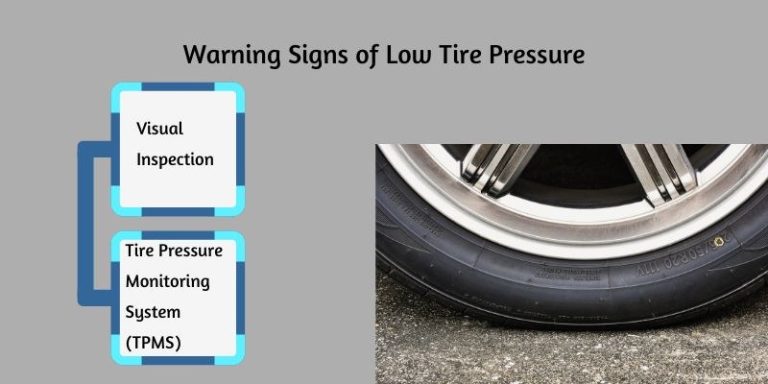
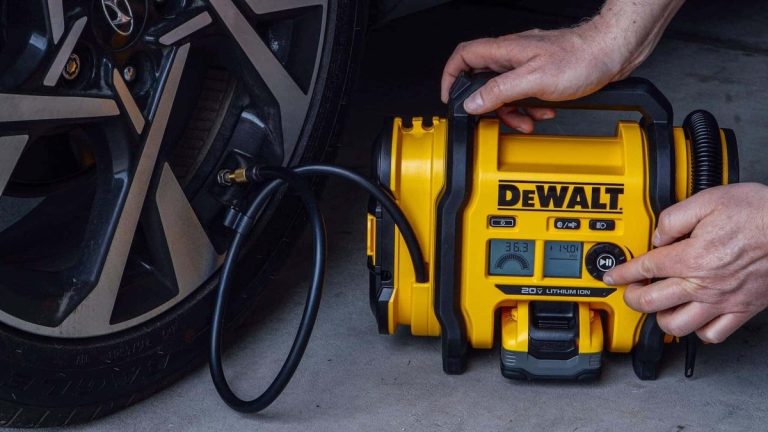
Drivers sometimes mix unrelated warning issues together. A pending powertrain code will not usually explain a TPMS light, and a jump pack, tire inflator, or temporary roadside repair does not fix the root cause of an engine-management fault.
If you used emergency gear to get home, treat that as a temporary step. The real diagnosis still matters, especially when drivability or electrical symptoms continue.
How to document codes, monitor status, voltage readings, and symptoms before visiting a shop
Before visiting a shop, write down the exact code number, whether it was pending or confirmed, whether the check engine light was on, and what the car was doing at the time. Include battery voltage if you checked it, plus fuel level, weather, cold start or hot restart, and any recent repairs.
That information can shorten diagnosis time and reduce guesswork. It also helps if the issue is intermittent and refuses to act up once the vehicle reaches the shop.
- Best for: Drivers who want to understand whether an early fault warning needs simple follow-up or a real repair plan.
- Think twice if: You are treating a pending code as proof that one specific part has failed without checking voltage, monitor status, and symptoms.
- Next step: Record the code first, inspect obvious issues safely, and rescan after the proper drive cycle before clearing anything.
Frequently Asked Questions
Usually yes if the vehicle feels normal, but the code still deserves attention. If you notice rough running, flashing warnings, fuel smell, overheating, or power loss, stop driving and get it diagnosed.
Not always by itself, because inspection outcomes also depend on readiness monitors and local rules. A recent reset or an incomplete monitor can still create a problem even if the check engine light is off.
Usually no, because clearing removes useful diagnostic clues. Write down the exact code, monitor status, and symptoms first so the shop has a better starting point.
Yes, low voltage can trigger false or temporary faults on some vehicles. That is why checking battery condition and charging performance is a smart first step.
Not always, because app design, Bluetooth support, and scanner compatibility vary. Confirm that the app supports your phone, your vehicle, and the functions you want before buying a dongle.
It depends on the dongle, the vehicle, and how the app handles sleep mode and data access. Some owners prefer to unplug it when not in use to reduce battery drain, connection issues, and privacy concerns.