Permanent Code vs Stored Code on OBD2 Scanner: Practical Comparison
A stored code points to a confirmed fault the car has saved, while a permanent code stays until the emissions system verifies the repair on its own. If you clear codes and the light goes out, a permanent code can still remain until readiness monitors run and pass.
permanent code vs stored code on OBD2 scanner comes down to one key point: a stored code shows a fault the car has detected and saved, while a permanent code is emissions-related proof that the system has not yet confirmed the repair through normal monitor testing. If you clear codes and the check engine light turns off but a permanent code remains, that usually means the car still needs the right drive cycle and readiness checks before the code can disappear on its own.
- Big difference: Stored codes are usually current confirmed faults; permanent codes are emissions repair records.
- Clearing limit: Most scanners can clear stored codes, but permanent codes usually stay until monitor tests.
- Inspection risk: A dark check engine light does not guarantee emissions readiness or a clean pre-purchase.
- Battery matters: Weak 12-volt power can distort scan results and delay proper diagnosis.
- Best practice: Record codes, freeze-frame data, and readiness status before clearing anything.
Permanent Code vs Stored Code on OBD2 Scanner: the practical difference in one glance
For most drivers, a stored code is the one that explains why the check engine light came on today. A permanent code is more like a record the emissions system keeps until it sees enough evidence that the fault is really gone. That is why these two code types can point to the same problem but behave very differently after repairs.
What a stored code means
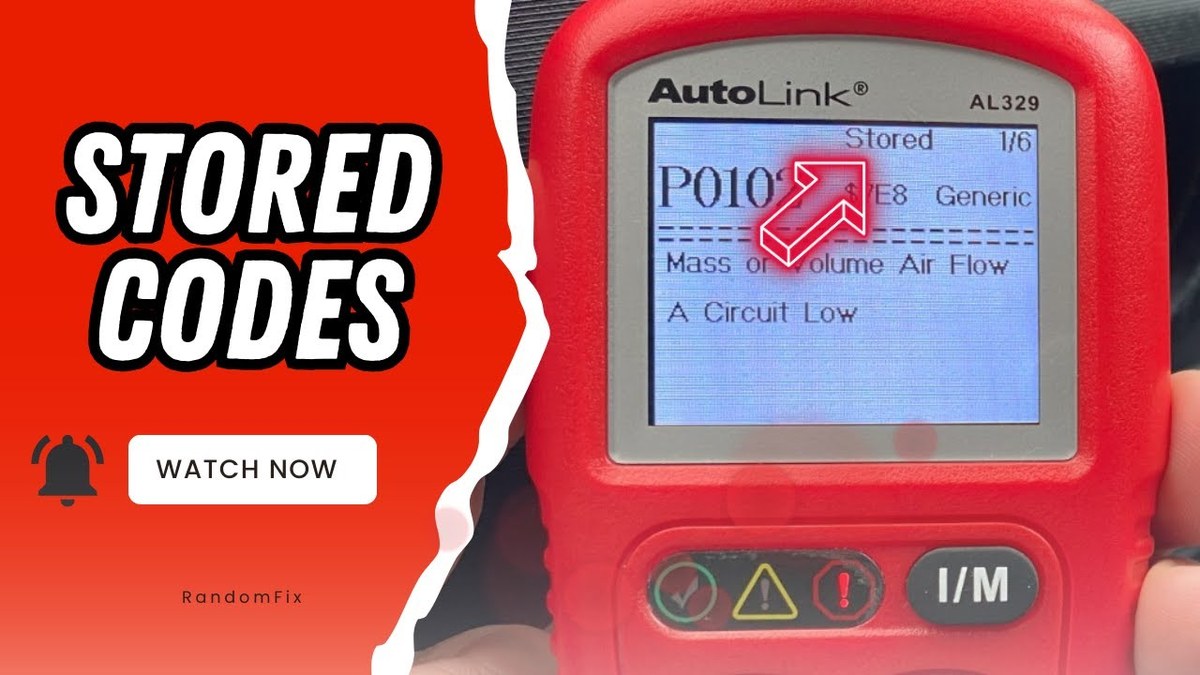
A stored code, often called a confirmed diagnostic trouble code, means the vehicle computer saw a fault enough times to save it in memory. On many vehicles, this is the code most closely tied to the check engine light. It may also come with freeze-frame data, which is a snapshot of engine conditions when the fault was detected.
Stored codes matter because they help narrow down the system involved. A code may point to an oxygen sensor circuit, an EVAP leak, a misfire, or catalyst efficiency. But the code itself is not always the failed part. It is a clue about the test that failed.
What a permanent code means
A permanent code is an emissions-related code that stays in the vehicle’s memory until the onboard diagnostics system verifies the repair. You usually cannot erase it with a normal “clear codes” command. It is designed to prevent people from hiding an emissions fault right before inspection.
That does not mean a permanent code proves the car is still broken. It often means the original problem happened, the code was set, and now the vehicle has not yet completed the monitor logic needed to remove that record.
Why a code can clear from the scanner but still remain permanent
This is where many owners get confused. A scanner can clear stored and pending codes on many vehicles, and the check engine light may go out. But if the code was emissions-related and the vehicle supports permanent codes, the permanent entry can remain until the monitor runs again and passes.
In plain English, the car is saying: “I hear that you cleared the warning, but I still need to test the repair myself.” If the fault returns during that self-test, the light and stored code may come back. If the monitor passes, the permanent code usually drops out later without manual clearing.
How OBD2 scanners read these codes in 2026: model-year coverage, protocols, and tool limits
1996+ U.S. OBD2 coverage and common protocols
In the United States, passenger vehicles and light trucks from model year 1996 onward generally use OBD2. That gives basic scan tools a common starting point for reading generic powertrain emissions codes. Still, the exact communication method varies by vehicle age and manufacturer, and some tools handle those differences better than others.
Most modern scanners support the common OBD2 protocols needed for broad coverage, but broad coverage is not the same as full vehicle access. A tool may read generic engine codes on a 1996+ vehicle yet miss enhanced manufacturer data, body modules, ABS, SRS, or special monitor details.
Basic code readers vs bidirectional scanners vs Bluetooth app-based tools
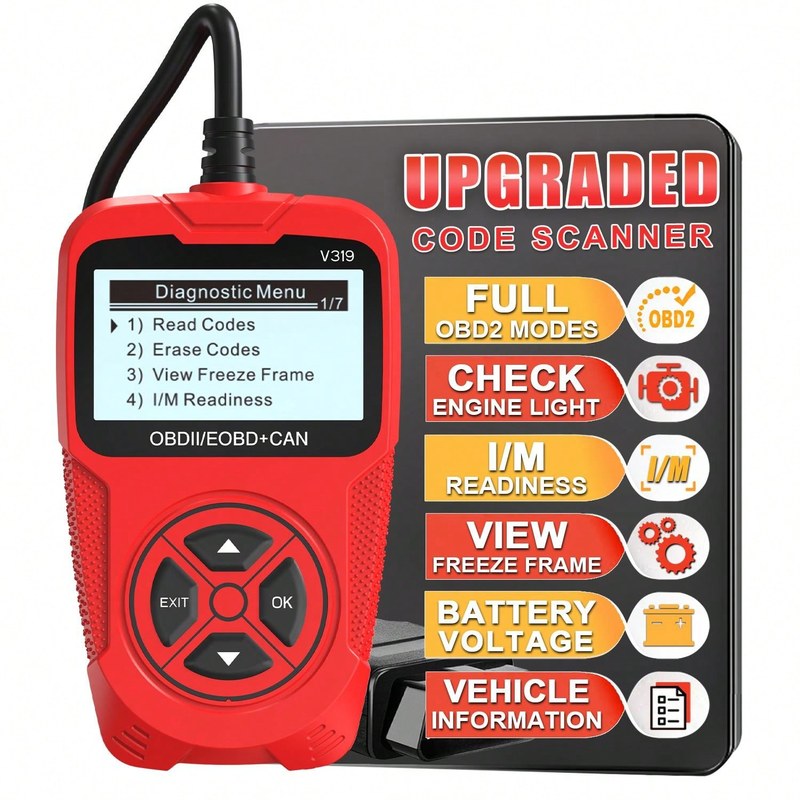
A basic code reader is often enough to see stored, pending, and sometimes permanent powertrain codes. It is usually the simplest choice for owners who just want check engine light information and readiness status. If you are comparing entry-level and advanced tools, our guide on cheap vs expensive OBD2 scanner options explains where the extra money usually goes.
Bidirectional scanners go further. They may access more modules, run active tests, and provide deeper service functions. Those features can help when a permanent code stays around because they make it easier to verify related sensors, commands, and monitor conditions.
Bluetooth app-based tools add convenience and often better screen readability through a phone or tablet. But they also depend on app support, phone permissions, wireless stability, and update quality. If you are deciding between connection types, see our breakdown of Bluetooth vs wired OBD2 scanner trade-offs.
Live-data limits, readiness monitor access, and manufacturer-specific code gaps
Not every scanner shows the same live data, and not every app labels that data clearly. Some tools only show generic parameter IDs, while others add better graphing, monitor descriptions, and mode support. That matters when you are trying to tell whether a repair has truly fixed the root cause or whether the car simply has not rerun the monitor yet.
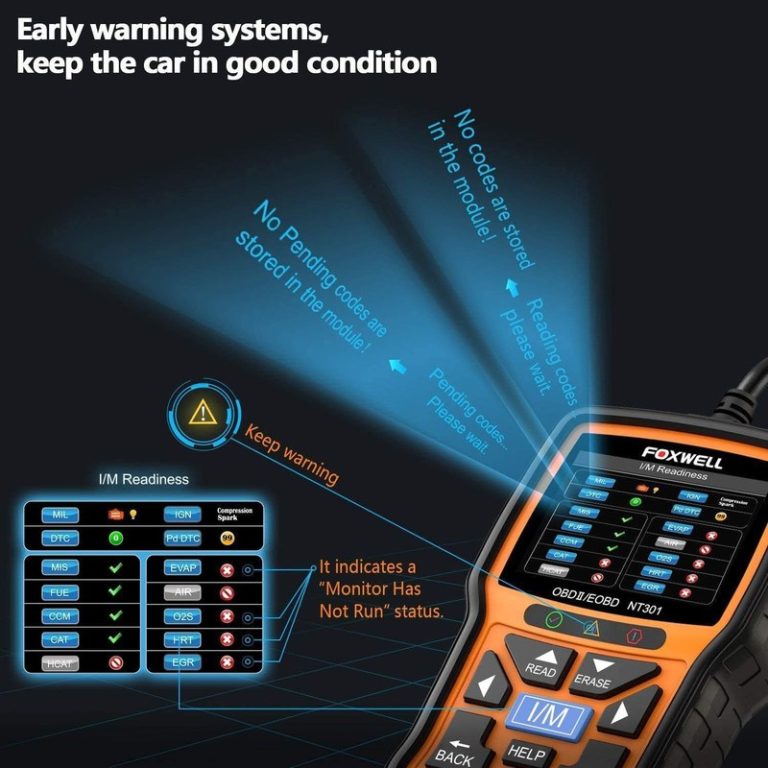
Readiness monitor access is especially important with permanent codes. You want to know whether the catalyst, EVAP, oxygen sensor, misfire, or other monitors are complete. You may also run into manufacturer-specific code gaps, where a low-cost scanner reads only generic P-codes but misses enhanced information useful for diagnosis.
Check: Verify your scanner supports your vehicle’s model year, protocol, and app or firmware version. Limitations: Many low-cost tools read generic emissions codes but do not provide full manufacturer-specific data, module access, or complete service functions.
Side-by-side comparison: when permanent codes and stored codes matter to owners, buyers, and daily drivers
Check engine light behavior, drivability impact, and emissions-test risk
A stored code usually matters more in the moment because it is often tied to an active warning light and current fault logic. If the vehicle is misfiring, running poorly, or entering reduced-power mode, the stored code is the urgent one. It tells you what the car is dealing with now.
A permanent code matters more for emissions compliance and repair history. It may remain even when the vehicle seems to drive normally. That is why owners get surprised before inspection: the light may be off, but readiness may still be incomplete, or the permanent code may show the system has not fully verified the fix.
Reset behavior, repair verification, and ownership cost
Stored codes can often be cleared quickly. Permanent codes usually cannot. That difference affects repair decisions and cost because repeatedly clearing codes can erase useful clues, reset readiness monitors, and delay inspection prep. It can also send owners down the wrong path if they assume “code still there” always means “part still bad.”
For many households, the cheapest path is not the fastest reset. It is the clearest diagnosis. A good scan process, freeze-frame review, and readiness check can save money by reducing repeat parts swapping and unnecessary shop visits.
Which code type matters more for used-car shopping and pre-purchase inspections
For used-car buyers, both matter, but in different ways. A stored code tells you there is an active or recently confirmed issue. A permanent code can reveal that a fault was present and may have been cleared before sale, even if the dash currently looks clean.
That is why a pre-purchase scan should include stored, pending, permanent, and readiness status. If you want a scanner setup that does more than basic code reading, our guide to the best OBD2 scanner for home mechanic use covers the kinds of features that help with deeper checks.
| Code type | Best for understanding | Owner consideration | Driver consideration |
|---|---|---|---|
| Stored code | Current confirmed fault | Often clearable, often paired with freeze-frame data | More likely tied to warning lights or drivability symptoms |
| Permanent code | Emissions repair verification | Usually stays until monitors rerun and pass | May not affect driving feel, but can affect inspection readiness |
How to check permanent and stored codes correctly without creating confusion
Finding the OBD2 port and choosing the right ignition mode
The OBD2 port is usually under the dash on the driver side, often near the steering column or lower kick panel. Plug in the scanner gently and use the ignition mode required by the tool and vehicle. Some need key-on engine-off for code reading, while others work best with the engine running for live data.
If the scanner will not connect, stop before forcing menus or blaming the car. Port power, ignition mode, adapter fit, and app setup are common causes. Our article on why an OBD2 scanner won’t connect walks through the usual trouble spots.
System voltage, battery state of charge, and why weak batteries distort scan results
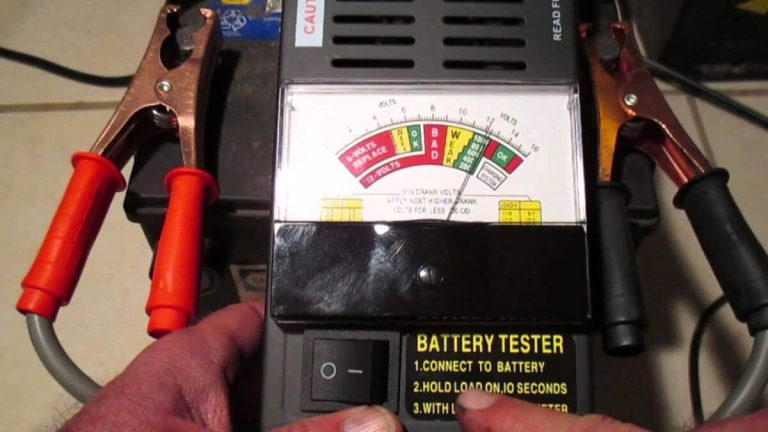
Low system voltage can cause false communication issues, missing modules, strange sensor values, or failed monitor runs. A weak 12-volt battery can make a healthy vehicle look confusing on a scanner, especially during short trips, cold weather, or after sitting unused.
If cranking sounds slow, dashboard behavior is erratic, or the charging system is questionable, fix that first. Scan data is only as trustworthy as the electrical system supporting the modules.
App permissions, firmware updates, and secure phone-pairing basics
Bluetooth and Wi-Fi scan tools often need location, Bluetooth, storage, or network permissions depending on the app and phone operating system. Missing permissions can block pairing, live data, or report generation. Firmware and app updates can also change supported vehicles and bug fixes.
Use strong account security if the app stores VINs, repair history, or cloud reports. Remove old pairings you no longer use, and avoid leaving a wireless adapter plugged in long-term unless the manufacturer says that use is appropriate.
Why permanent codes do not erase easily: emissions readiness, drive cycles, and reset limitations
How readiness monitors confirm a successful repair
Readiness monitors are self-checks the vehicle runs on emissions-related systems. After a repair or code clear, the vehicle needs certain conditions before each monitor can complete. Those conditions can include engine temperature, fuel level, speed range, idle time, load, and time since startup.
When the relevant monitor runs and passes enough times, the vehicle can remove the permanent code. This is why “just drive it” sometimes works, but only if the original fault is actually fixed and the correct monitor conditions occur.
Why disconnecting the battery rarely solves a permanent code
Disconnecting the battery may clear adaptive memory or reset some learned values, but it usually does not solve the reason a permanent code exists. In many cases, it only resets readiness monitors and makes inspection prep take longer.
It can also create extra confusion because the car now has less historical information available for diagnosis. If the issue was intermittent, you may have erased the clues that would have helped confirm it.
State inspection and legal variation across the United States
Emissions inspection rules vary by state, and sometimes by county, vehicle age, or fuel type. Some programs focus heavily on readiness monitors, while others may have different procedures. Always check your state inspection program or motor vehicle agency for current rules before assuming a code clear is enough.
Troubleshooting guide: what to do when a permanent code stays after the repair
Confirm the original fault is fixed before chasing the code
Start by asking a simple question: was the actual cause repaired, or was a likely part replaced? A permanent code that remains after repair does not automatically mean a second failure. It may mean the system has not rerun the needed monitor yet.
Review the original code definition, service information, and related symptoms. Check for wiring damage, loose hoses, poor electrical connections, or installation mistakes before assuming the replacement part failed.
Use freeze-frame and live data to verify sensor and system behavior
Freeze-frame data shows the conditions when the fault set. Live data helps you compare what the system is doing now. Together, they can tell you whether the engine is reaching temperature, fuel trims are stable, oxygen sensors are switching normally, or EVAP conditions look reasonable.
If the data still looks wrong, the permanent code is not the main problem. The fault likely remains. If the data looks normal and readiness is slowly completing, the code may simply need more time and the correct drive cycle.
When damaged batteries, charging faults, or low voltage should stop diagnosis
Pause diagnosis if the 12-volt battery is weak, the alternator output is unstable, or the vehicle shows repeated low-voltage behavior. Module communication and monitor logic depend on clean power. Chasing emissions codes on an unstable electrical system wastes time.
If you suspect charging trouble, battery and charging checks come first. Electrical health can affect code behavior more than many owners realize.
When diagnosis requires a professional scan tool or smoke, scope, and pressure testing
Some faults cannot be confirmed with a basic reader. Small EVAP leaks, intermittent wiring faults, weak sensors, fuel-pressure problems, and waveform issues may need smoke testing, lab scope work, pressure testing, or factory-level data access. That is especially true when the same code returns after parts replacement.
If you have already recorded codes, checked voltage, reviewed freeze-frame, and completed a realistic drive cycle, that is a good point to move from code clearing to professional diagnosis.
- Record stored, pending, and permanent codes before clearing anything
- Check readiness monitors after repairs and before inspection
- Verify battery condition and charging health before deeper diagnosis
- Assume a permanent code means the new part is bad
- Disconnect the battery just to hide a code
- Keep replacing parts without freeze-frame, live data, or test results
Compatibility and safety cautions for gas, diesel, hybrid, and EV-related diagnostics
Battery chemistry, 12-volt support systems, and hybrid/EV high-voltage warnings
Even on hybrids and EVs, many scan functions still depend on the 12-volt support system. A weak 12-volt battery can create scan issues just like it can on a gas vehicle. But hybrid and EV platforms add high-voltage components that should not be touched casually.
Use a scanner that clearly supports your vehicle type and system coverage. If you need model-specific guidance, our best OBD2 scanner for hybrid cars guide explains why generic compatibility claims are not always enough.
Correct connection order for battery support or jump equipment during diagnostics
If the vehicle needs battery support during diagnosis, follow the vehicle manual and the support equipment instructions exactly. Incorrect connection order, wrong voltage, or use on a damaged battery can create module faults or safety hazards. Diagnostic work is not the time to improvise.
Vehicle-specific exceptions, firmware quirks, and manufacturer monitor logic
Different brands use different monitor strategies, labels, and data availability. One vehicle may complete an EVAP monitor quickly, while another may need a narrow fuel-level window and several trips. Firmware updates on the scanner side can also change what appears in menus or how codes are labeled.
What an OBD2 scanner cannot tell you alone: limits around TPMS, tires, roadside tools, and mechanical safety
TPMS relearn limits, door-jamb placard pressures, cold-pressure checks, and gauge accuracy
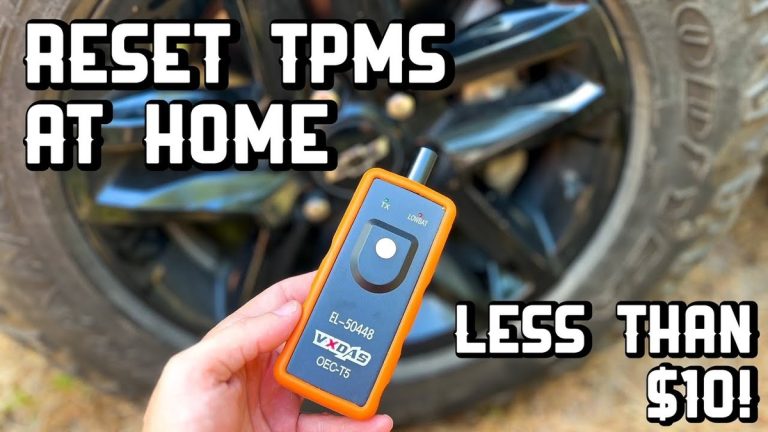
An OBD2 scanner is not a substitute for a tire pressure gauge or the pressure label on the driver-door placard. Some advanced tools can help with TPMS functions on supported vehicles, but many cannot perform sensor relearns or verify real tire pressure accurately enough for service decisions.
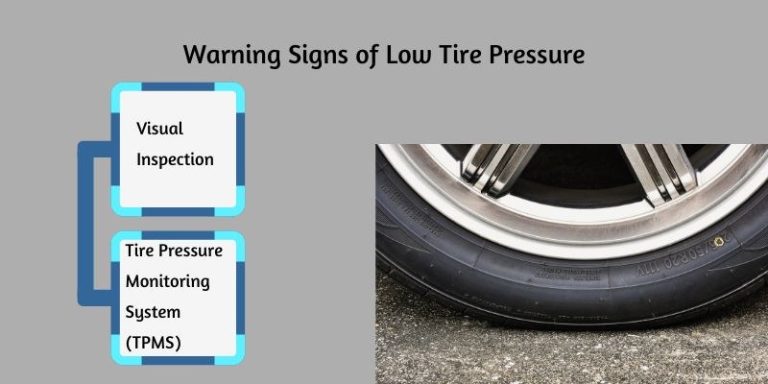
Always check tire pressure cold with a reliable gauge and use the vehicle placard, not the tire sidewall, for normal inflation targets. A code reader cannot tell you whether all four tires were measured correctly that morning.
Puncture location, temporary-repair limits, and when professional tire repair is required
A scanner also cannot determine whether a tire puncture is safely repairable. Nail location, sidewall damage, internal injury, and prior temporary sealant use all matter. If the tire has sidewall or shoulder damage, or if you are unsure what caused the leak, professional inspection is the safer call.
Safe roadside scanning, traffic visibility, tool completeness, storage conditions, and post-use inspection
If you scan at the roadside, personal safety comes first. Move well off traffic if possible, use hazard lights as appropriate, and avoid working where you cannot stay visible. Keep adapters, cables, and battery gear dry and in good condition, and inspect them after use.
Best next steps for different drivers: DIY owner, used-car buyer, emissions-test prep, and recurring-check-engine-light cases
When a basic scanner is enough
A basic scanner is enough when your goal is simple: read check engine codes, see whether they are pending or stored, check if a permanent code is present, and confirm readiness before inspection. For many owners, that is the right balance of cost and usefulness.
When a better scanner or app setup is worth buying
Step up to a better scanner if you want live data, graphing, enhanced vehicle coverage, better readiness detail, or access to more than engine codes. That is especially helpful for used-car shopping, repeat faults, and vehicles with brand-specific quirks.
When to stop clearing codes and book professional diagnosis
If the same code returns, readiness will not complete, or the vehicle has drivability symptoms, stop clearing codes. Record the data, verify voltage, and move to proper diagnosis. Clearing the light over and over often delays the real fix and can make emissions prep harder.
- Best for: Owners who want a clear, practical way to tell whether a code is an active fault or an emissions-verification record.
- Think twice if: You are treating the code description as a guaranteed bad part instead of using readiness, freeze-frame, and live data.
- Next step: Scan for stored, pending, permanent, and readiness status before clearing anything, then verify battery health and monitor completion after repairs.
Frequently Asked Questions
Usually no. A permanent code normally stays until the vehicle runs the related emissions monitor and confirms the repair was successful.
Not always, but many confirmed stored powertrain codes do trigger the light. Some faults may first appear as pending codes before becoming stored codes.
In most cases, no. It may reset readiness monitors and erase useful adaptive data, but it usually does not solve the reason a permanent code remains.
No. Basic tools vary, and some older or cheaper readers may not display permanent codes clearly. Check the scanner’s supported modes, vehicle coverage, and app or firmware details before buying.
That depends on the adapter and vehicle. Some can draw battery power or create connection issues, so it is smart to follow the manufacturer’s guidance and remove it when not needed.
Yes. A used-car scan should include stored, pending, and permanent codes plus readiness status, because a recently cleared vehicle can look normal on the dash while still hiding unresolved emissions issues.