Can You Drive with Low Tire Pressure? Risks and When to Stop
You can drive a short distance on slightly low tire pressure, but only if the tire looks normal and you plan to fix it right away. If the tire is bulging, wobbling, or losing air fast, stop driving and get help.
can you drive with low tire pressure is a question many drivers ask the moment a TPMS light comes on, and the safest answer is: only a very short distance if the tire still looks normal and you can inflate it soon. If the tire is visibly damaged, wobbling, or losing air fast, stop driving and get help.
- Check the placard: Use the door-jamb PSI number, not the tire sidewall rating.
- Watch for damage: Bulges, wobble, or rim contact mean stop now.
- Inflate cold: Measure pressure when the tires are cool for a more accurate reading.
- TPMS has limits: It warns late and may not show the exact PSI.
- Repair fast: A slow leak can turn into a flat, wheel damage, or a blowout.
Can You Drive with Low Tire Pressure? The Short Answer and When to Stop
Low tire pressure does not always mean an immediate emergency, but it does mean your margin for error is smaller. A slightly underinflated tire may get you to a nearby air pump or repair shop, while a severely low tire can fail quickly and damage the wheel.
How low is “too low” for safe driving
There is no universal “safe” number because the right pressure depends on the vehicle placard, tire size, and load. As a practical rule, a tire that is only a few PSI below spec may be manageable for a short, careful drive, but a tire that looks noticeably flat should not be treated as roadworthy.
If the tire is far below the recommended pressure, the sidewall flexes more, heat builds faster, and the tire can be damaged before you reach your destination. If you are unsure, treat the warning as a stop-and-check moment, not a “keep going” signal.
Why the answer changes by tire type, speed, and load
Passenger cars, SUVs, trucks, and performance tires react differently because they carry weight differently and use different sidewall designs. A lightly loaded sedan at neighborhood speeds has more tolerance than a fully packed SUV on the highway, but neither should be driven long with a serious pressure loss.
Speed matters because heat rises fast as the tire flexes. Load matters because extra passengers, cargo, towing, or a roof load increases stress and makes underinflation more dangerous.
Why Low Tire Pressure Is a Safety Problem in 2026

Modern cars have better tire-pressure monitoring, but the physics have not changed. Low pressure still affects grip, braking, and tire temperature, and those issues can become serious long before the tire is fully flat.
Handling, braking, and hydroplaning risks
Underinflated tires can feel vague in corners and slower to respond to steering input. Braking distance may increase because the contact patch changes shape, and the vehicle may feel less stable in sudden maneuvers.
Low pressure can also increase hydroplaning risk in wet weather because the tire may not evacuate water as effectively. That matters for commuters, rideshare drivers, and families who may face sudden rain on busy roads.
Heat buildup, sidewall damage, and blowout potential
When pressure drops, the tire sidewall bends more with every rotation. That extra flex creates heat, and heat is one of the main reasons a weak tire can fail suddenly.
Driving too long on a low tire can also damage the sidewall or the inner structure even if the tread still looks fine. Once that happens, a simple air top-off may not make the tire safe again.
How low pressure affects fuel economy and tire life
Underinflation increases rolling resistance, so the engine or motor has to work harder. The result is usually worse fuel economy or, in EVs, more energy use and potentially less range.
Tires also wear unevenly when they are run low. That can shorten tread life and raise long-term ownership cost, especially if the tire wears out before the rest of the set.
How to Check Tire Pressure Correctly Before You Decide to Drive
Before you decide whether to keep going, confirm the actual pressure. TPMS is helpful, but it does not always tell you the exact PSI, and it may not warn you until the tire is already low enough to matter.
Use the door-jamb placard, not the sidewall number
The correct pressure for your vehicle is usually listed on the driver-side door jamb placard. The number on the tire sidewall is the tire’s maximum pressure rating, not the pressure your vehicle should run every day.
Using the sidewall number can lead to overinflation, harsh ride quality, and uneven wear. For the right target, always start with the vehicle placard unless the owner’s manual says otherwise.
Cold pressure, gauge accuracy, and when to recheck
Check tire pressure when the tires are cold, meaning the car has been parked long enough that driving heat has not changed the reading much. A few minutes on the road can raise pressure enough to make a quick check misleading.
Use a reliable gauge, and if the reading seems odd, check it again. Small differences between gauges are normal, which is why the placard target matters more than chasing a perfect-looking number.
TPMS warnings: what they tell you and what they miss
TPMS usually warns when pressure drops below a threshold, not when it is exactly at the ideal setting. It may also miss slow leaks until the tire drops far enough, and it does not tell you whether a puncture is repairable.
For a deeper look at scan-tool basics, see what an OBDLink MX can do and how connected tools can help you read vehicle data. If you are also checking the battery during a warning-light diagnosis, our guide on testing a battery with a multimeter can help separate tire issues from power issues.
When Low Tire Pressure Means Pull Over Now

Some low-pressure situations are not “drive to the shop” problems. If the tire is visibly failing, the safest move is to stop in a safe place and avoid putting more load on it.
Visible sidewall bulge, rim contact, or wobble
A bulge in the sidewall can mean internal damage, and rim contact means the tire is already too low to protect the wheel. A wobble or strong vibration can point to a serious air loss or structural problem.
In these cases, continuing to drive can turn a repairable issue into a damaged wheel, a shredded tire, or a roadside breakdown. Pull over safely and inspect before going farther.
Fast air loss, puncture location, and temporary-repair limits
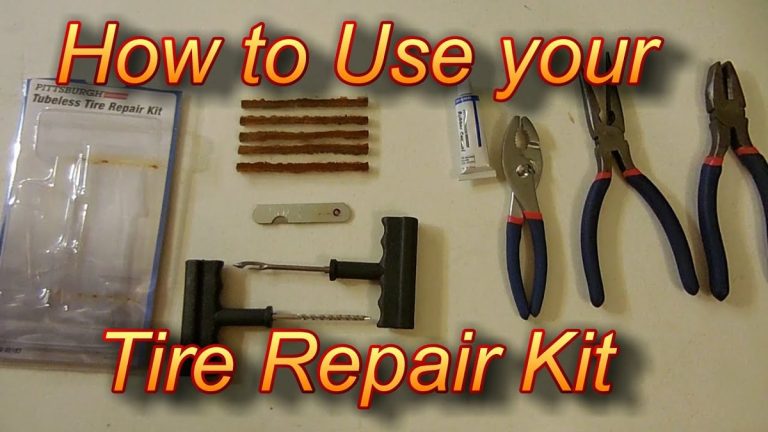
A nail in the tread may sometimes be repairable, but a puncture in the sidewall usually is not. A tire that drops pressure quickly may also be beyond the safe limits of a temporary sealant or plug kit.
Temporary repair products are meant to help in limited emergencies, not to make a damaged tire safe for long-distance driving. If the leak is fast or the damage is near the shoulder or sidewall, towing is usually the safer choice.
When a tire shop or towing is safer than driving
If you need to travel far, drive at highway speed, or carry passengers and cargo, a low tire becomes a bigger risk. That is especially true for trucks, SUVs, and vehicles towing trailers.
If you can reach a nearby shop without pushing the tire harder, that may be reasonable. If not, roadside assistance or a tow is often cheaper than replacing a tire, wheel, or suspension component later.
Emergency Fixes: Inflator, Spare, or Roadside Assistance?
When pressure is low, the best backup depends on the cause, the vehicle, and the tools you already have. The goal is not just to add air, but to get the car safe enough to move without making the damage worse.
Portable inflator duty cycle, current limits, and tool completeness
A portable inflator can be the fastest fix for a simple pressure loss, but not all inflators are equally useful. Some are better for topping off a tire than for filling a nearly flat one, and some need a break between uses because of duty-cycle limits.
Check that the tool includes the hose, power source, and a gauge or clear pressure display. For setup basics, our guide on how to use a portable tire inflator explains the typical steps drivers should verify before an emergency happens. If you are comparing models, the best portable tire inflator roundup can help narrow the options.
Spare tire compatibility, speed limits, and ownership cost
A spare tire is useful only if it matches your vehicle’s requirements. Full-size spares, compact spares, and temporary “donut” spares all have different speed and distance limits, and those limits vary by vehicle and manufacturer.
Spare ownership also has a cost. It may take storage space, require periodic pressure checks, and need replacement if it ages out before you ever use it.
Safe location, traffic visibility, storage conditions, and post-use inspection
If you stop to deal with a low tire, choose a location away from traffic whenever possible. Visibility matters for your safety and for anyone helping you, especially at night or in bad weather.
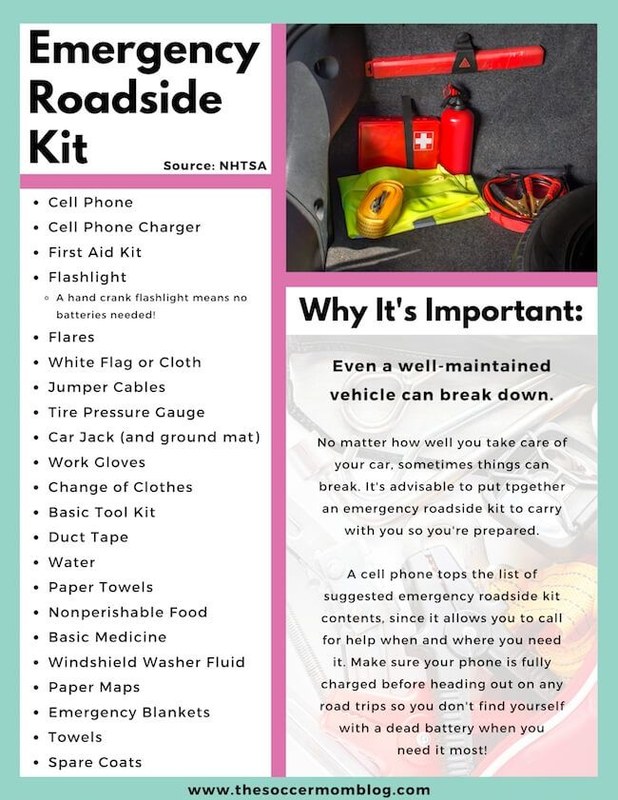
Store inflators, sealants, and spares in a dry place so they are ready when needed. After any emergency use, inspect the tire, valve stem, and wheel before returning to normal driving.
A simple inflator or spare can reduce towing calls, but only if you already know your vehicle’s pressure spec, jack points, and spare-tire limits. That preparation often saves time and prevents a small leak from becoming a bigger repair bill.
TPMS and Diagnostic Tools: What Drivers Can Learn at Home
Some tire warnings are straightforward, but others overlap with battery, charging, or sensor issues. A basic diagnostic tool can help you see whether the car has stored codes or communication problems that deserve more than a tire fill.
OBD2 model-year coverage, protocol support, and port location
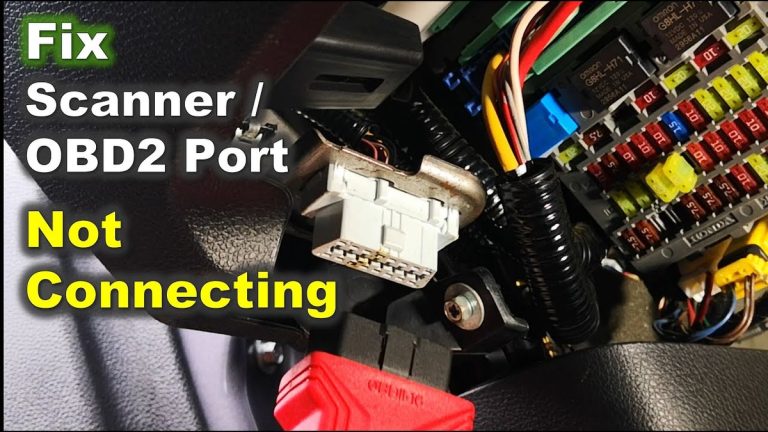
Most US gasoline vehicles from the mid-1990s onward use OBD2, but coverage can vary by model year, brand, and protocol. The diagnostic port is usually under the dash, though exact placement differs by vehicle.
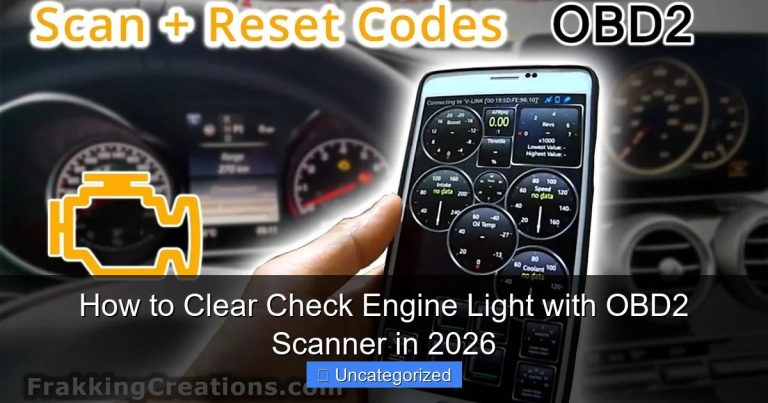
If you are using a scan tool, make sure it supports your vehicle and the functions you need. For more on scanner capabilities, see whether the Foxwell NT301 can clear codes and which vehicles are compatible with the Foxwell NT301.
Ignition mode, live data, emissions readiness, and reset limitations
Many tools need the ignition in a specific mode to communicate properly. Some can read live data, while others only show basic trouble codes, and not every scanner can reset every warning light or relearn every system.
Emissions readiness is useful if the check-engine light appears along with a tire or battery concern. But clearing codes too early can erase useful information, so it is better to record what the tool shows before resetting anything.
App permissions, firmware updates, and when diagnosis needs a professional
Connected tools often use a phone app, which means you should review permissions, account setup, and firmware updates. That matters for privacy and for keeping the tool working after vehicle or app changes.
See our guide on leaving an OBDLink MX plugged in if you plan to keep a scanner connected, because constant power draw and storage habits matter. If the tire warning is tied to a deeper sensor or module issue, a tire shop or mechanic may need to diagnose it with service-level equipment.
Battery and Electrical Checks That Matter During Tire or TPMS Diagnosis
Low tire pressure warnings are not always caused by the tire alone. Weak battery voltage, sensor communication issues, or electrical problems can create confusing alerts and make a scan tool act unpredictably.
System voltage, battery chemistry, and state of charge versus battery health
A battery can show enough voltage to power the dash but still be weak under load. That is why state of charge and battery health are not the same thing.
If the vehicle starts acting oddly after a low-pressure warning, a battery check can help rule out a broader electrical issue. Different battery chemistries and charging systems may need different test methods, so use the vehicle manual or a proper tester when possible.
Correct connection order for jump packs and damaged-battery stop conditions
If you need a jump pack during diagnosis, follow the pack instructions carefully. Correct connection order matters, and a damaged battery may make jump-starting unsafe.
Stop immediately if the battery is swollen, leaking, hot, or smells unusual. Those are not normal conditions, and they call for professional help rather than a quick roadside workaround.
Hybrid and EV cautions when the warning light is not just a tire issue
Hybrid and EV owners should be extra careful because the vehicle may have more than one electrical system. A tire warning can still be simple, but the presence of other warnings may point to a 12-volt issue or a system fault that needs proper diagnosis.
Do not assume every alert is tire-related just because the TPMS light is on. When multiple warning lights appear together, the safest move is to check the owner’s manual and confirm whether the vehicle needs service.
Repair, Replacement, and Cost: What Makes the Most Sense
The cheapest choice is not always the best one. The right fix depends on where the puncture is, how much the tire has been driven low, and whether the tire still has enough structure left to trust.
Professional repair thresholds by puncture location and tire condition
Many tire shops will repair a puncture in the tread area if the damage is small and the tire has not been compromised by driving flat. Sidewall damage, shoulder damage, and severe internal wear usually mean replacement instead of repair.
Even when a tire looks patchable, a professional should decide whether the internal structure is still sound. A quick outside look is not always enough to judge safety.
Repair versus replacement for all-season, run-flat, and performance tires
All-season tires are often the easiest to repair when the damage is minor and located in the tread. Run-flat and performance tires can be more complicated because the tire may have hidden damage or tighter manufacturer limits on repair.
Replacement may cost more up front, but it can be the better long-term choice if the tire was driven very low or the sidewall was stressed. That decision also affects ride quality, warranty, and future resale confidence.
How low-pressure driving changes total ownership cost
Running tires low can add hidden costs through faster wear, poorer fuel economy, and a higher chance of wheel damage. It can also shorten the life of a tire pressure sensor if the problem goes unnoticed long enough.
For many owners, the real cost of ignoring a low-pressure warning is not the air fill itself. It is the extra repair, replacement, or roadside expense that follows.
Best Next Steps for Different Drivers and Vehicles
The best response depends on how you use the vehicle. A commuter, a parent with a full cabin, a truck owner hauling cargo, and an EV driver all face the same warning, but not the same risk.
Daily commuter vs. family SUV vs. truck vs. hybrid/EV
Daily commuters can often handle a small pressure correction with less urgency than a loaded SUV or truck. Family vehicles carrying passengers should be treated more conservatively because stability and braking matter more.
Hybrid and EV owners should also pay attention to range loss and any extra warning lights. If the vehicle has multiple alerts, the problem may be broader than a tire leak.
Which emergency tool or diagnostic approach fits each driver best
Commuters usually benefit from a reliable gauge and a portable inflator. Truck and SUV owners may want a higher-capacity inflator or a full-size spare if the vehicle supports one.
Drivers who like DIY diagnosis may also keep a basic OBD2 scanner or battery tester on hand. For battery-focused troubleshooting, our article on how to test a battery with a battery tester can help you verify whether low voltage is adding confusion.
Transparent verdict: the safest action plan after a low-pressure warning
If the tire is only slightly low and looks normal, inflate it to the placard pressure as soon as practical and recheck for leaks. If it is very low, visibly damaged, or losing air fast, do not keep driving just to “see if it makes it.”
When in doubt, slow down, pull over safely, and choose repair, spare, inflator, or towing based on the tire’s condition. The safest answer is usually the one that protects the tire, the wheel, and everyone in the car.
- Best for: Drivers who catch a low-pressure warning early and can inflate the tire before more damage happens.
- Think twice if: The tire is visibly flat, wobbling, bulging, or losing air quickly, because driving farther can make the damage worse.
- Next step: Check the door-jamb placard, measure cold pressure, and choose inflation, spare, repair, or towing based on the tire’s condition.
Frequently Asked Questions
If the tire is only slightly below the placard pressure and looks normal, you may be able to drive a short distance to air it up. If it looks flat, bulges, or wobbles, stop driving and get help.
No. TPMS usually warns you after pressure is already low, and it may not show the exact PSI. Use a gauge and check the door-jamb placard for the correct target.
Only long enough to reach a nearby safe repair spot, if the tire still looks normal. A slow leak can become a flat quickly, so it should be inspected soon.
No. The sidewall number is the tire’s maximum rating, not the recommended driving pressure. Use the vehicle placard or owner’s manual instead.
Yes, if the tire is only low and not damaged. Make sure the inflator can handle the job, and recheck the tire for leaks after filling it.
Call for help if the tire is visibly damaged, losing air fast, or sitting on the rim. Towing is usually safer than driving farther in those cases.