Can an OBD2 Scanner Reset the Oil Change Light? Yes, Here’s How
Yes, an OBD2 scanner can reset the oil change light if it has a service-reset function and supports your vehicle’s make and model. A basic code reader alone usually cannot do it.
So, can an OBD2 scanner reset the oil change light? Yes, but only if the scanner includes a service-reset function and supports your vehicle’s specific oil-life system. A plain code reader that only pulls diagnostic trouble codes usually cannot do the job. This guide explains the difference, the exact steps involved, and where most DIY reset attempts go wrong.
- Capability: Only scanners with a service-reset menu can clear the oil light.
- Compatibility: Check make, model, and model-year coverage before buying.
- Battery: A weak battery is a common cause of failed resets.
- Legal: Clearing codes can reset emissions monitors; rules vary by state.
- Cost: Mid-range scanners with oil reset cost more but pay off for DIYers.
Can an OBD2 Scanner Reset the Oil Change Light? Yes—Here’s the Catch
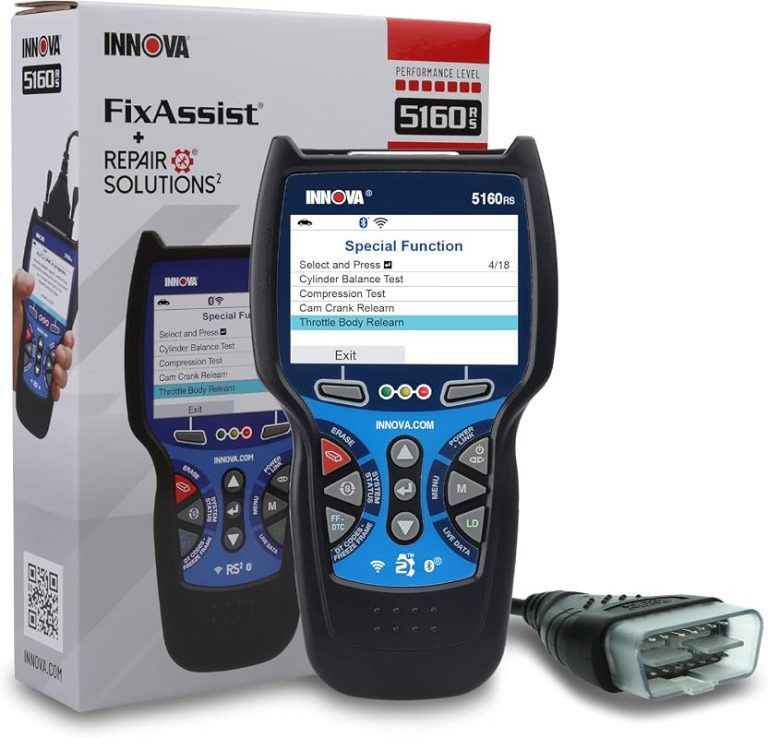
The catch is simple: the word “OBD2 scanner” covers everything from a basic code reader to a professional-grade diagnostic tool. Only tools with a dedicated oil reset or service-reset menu can clear the maintenance reminder. The good news is that many mid-range scanners include this function, and some budget models offer it for specific brands.
Code Readers vs. Service-Reset Scanners: The Capability Gap
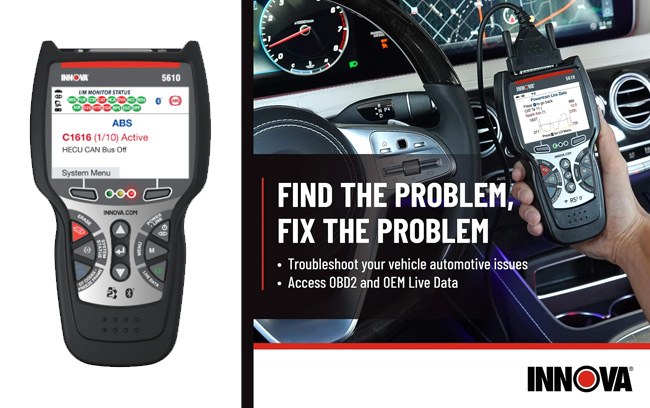
A basic code reader reads and clears engine diagnostic trouble codes. It can tell you why the check engine light is on. It cannot talk to the body control module or instrument cluster where the oil-life counter lives.
A service-reset scanner sends a manufacturer-specific command that tells the vehicle the oil change is complete. That command resets the counter back to 100% or to your automaker’s recommended interval. Without that command, the light stays on no matter how fresh the oil is.
How an OBD2 Oil-Life Reset Actually Works
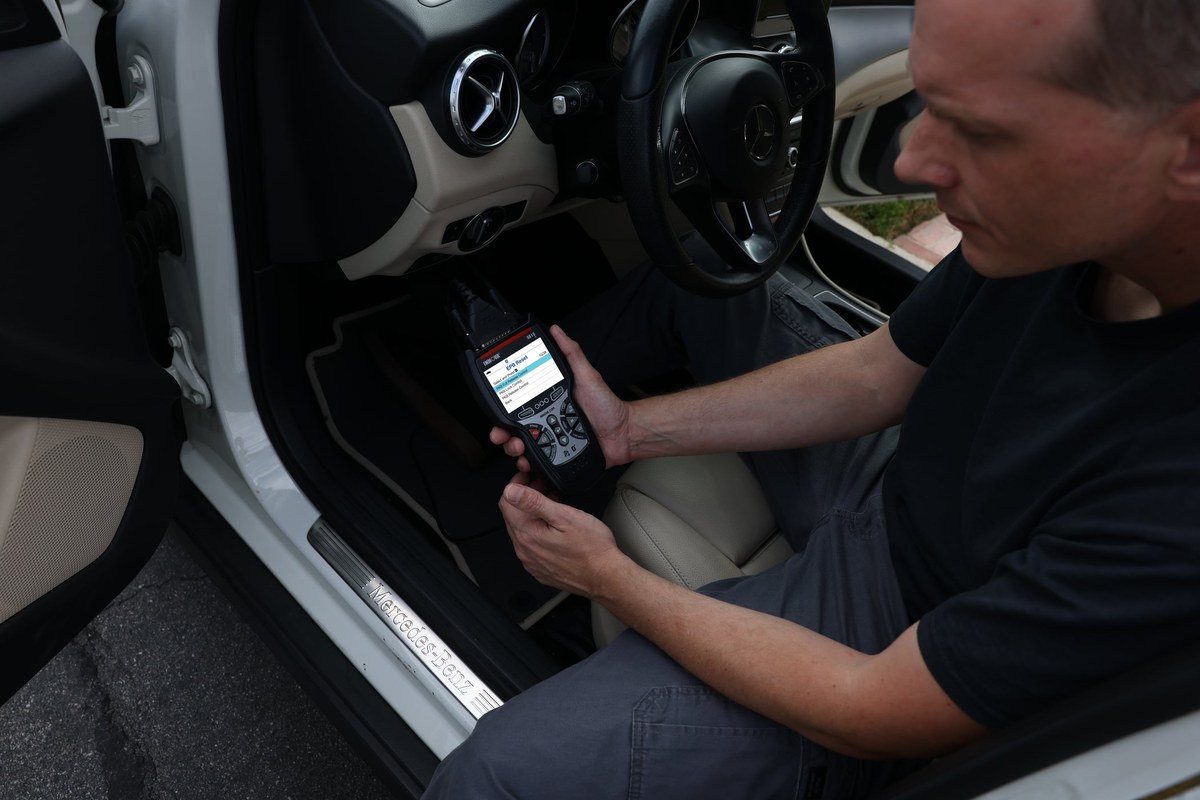
An oil-life reset is not a generic OBD2 function like reading codes. It uses a manufacturer-specific service routine that varies by brand, model, and sometimes trim level. The scanner acts as the messenger between you and the vehicle’s computers.
Finding the Port and Using the Correct Ignition Mode
The OBD2 port is usually under the dashboard on the driver’s side. If you plug in a scanner and nothing happens, check the connector for bent pins or debris. Some vehicles need the ignition in the “on” position with the engine off, while others need the engine running or a specific key-cycle sequence. If the scanner will not connect at all, see our guide on why an OBD2 scanner won’t connect to your car before assuming the tool is broken.
Generic OBD2 Commands vs. Manufacturer-Specific Service Procedures
Generic OBD2 commands are standardized across all vehicles sold in the US since 1996. They cover emissions-related data and codes. Oil-life resets are not part of that standard. Instead, they live in enhanced or manufacturer-specific menus that the scanner must be programmed to access.
That is why a scanner can be perfectly good at reading engine codes but useless for resetting the oil light. The hardware needs the software coverage for your specific make.
Model-Year and Protocol Coverage: What Works on US Vehicles in 2026
OBD2, CAN Bus, and Enhanced Protocols Explained
All 1996 and newer cars and light trucks sold in the US must have an OBD2 port. Since 2008, most vehicles use the CAN bus protocol, which allows faster communication between modules. A scanner that supports CAN can read more data, but CAN support alone does not guarantee oil-reset capability.
Enhanced protocols are the manufacturer-specific layers built on top of the standard. These are what allow service resets, ABS bleeding, and battery registration. The more brands a scanner covers, the more enhanced protocols it needs.
Brand-by-Brand Expectations: Ford, GM, Toyota, Honda, and European Imports
Ford and GM vehicles generally respond well to mid-range scanners with oil-reset menus. Toyota and Honda also support oil resets on many models, but the menu names differ. European imports like BMW, Mercedes-Benz, and VW often require a dedicated or brand-specific scanner because their service systems track more than just oil life.
If you own a European car, check the scanner’s coverage list carefully. Many affordable scanners cover Asian and domestic brands but skip or limit European service functions. For more guidance, our best OBD2 scanner for the money guide breaks down which tools cover which brands.
Battery Voltage and Health: The Hidden Reason Resets Fail
A weak battery is one of the most common reasons an oil reset fails. If the voltage drops during the reset, the vehicle’s modules may lose power mid-command. The result is a light that stays on or a reset that only partially completes.
State of Charge vs. Battery Health: Check Voltage First
State of charge tells you how full the battery is right now. Battery health tells you whether it can hold that charge over time. A battery can show 12.6 volts at rest but still fail under load.
Before you attempt a reset, check the battery voltage with the ignition off. A healthy battery should read around 12.6 volts. If it reads below 12.4 volts, charge it before you begin. If it drops sharply when you turn the ignition on, the battery may need testing.
Connection Order, Damaged-Battery Stop Conditions, and Hybrid/EV Cautions
Plug the scanner in first, then turn the ignition on. This gives the scanner time to wake up and establish communication before the vehicle’s modules go active. If the reset fails, try again with the engine running, but only if the vehicle manual allows it.
Hybrid and EV owners should be extra careful. High-voltage systems remain live even when the car appears off. Use the vehicle manual’s recommended procedure and avoid touching orange high-voltage cables. Some hybrids also require a specific “ready” mode for the reset to work.
Budget Code Readers vs. Enhanced Scanners: Side-by-Side Comparison
What Each Price Tier Can Really Reset
Budget code readers, usually under $50, can read and clear engine codes. Most cannot reset oil lights. Mid-range scanners, roughly $60 to $150, often include oil-reset menus for popular brands. Professional-grade tools, $200 and up, add bidirectional controls and deeper service functions.
| Tool Type | Best for | Owner consideration | Driver consideration |
|---|---|---|---|
| Basic code reader | Reading and clearing engine codes | Low upfront cost, no subscriptions | Cannot reset oil light on most vehicles |
| Enhanced service scanner | Oil resets plus ABS and SRS code reading | Higher upfront cost, brand coverage varies | One tool handles common DIY maintenance |
| Professional bidirectional tool | Active tests, module coding, advanced diagnostics | Expensive, steeper learning curve | Best for serious DIYers and multiple vehicles |
Evaluation Criteria, Warranty Support, and a Transparent Verdict
When comparing scanners, look at four things: brand coverage, oil-reset support, update policy, and warranty. A scanner that covers your exact make and model is worth more than one with broader but shallower coverage. Check whether updates are free or require a paid subscription.
Warranty terms vary by brand and retailer. Read the warranty page before buying, and keep your receipt. Some manufacturers offer a one-year warranty; others offer longer terms. The honest verdict is that a mid-range scanner with confirmed oil-reset support for your vehicle is the smartest buy for most owners.
Which Scanner Fits Your Driving Style and Budget
If you only own one car and change its oil yourself, a mid-range scanner with oil reset is enough. If you own multiple vehicles or drive a European car, budget for a tool with wider enhanced coverage. If you just want to read check-engine codes, a cheap reader can handle that, but read our take on whether a cheap OBD2 scanner can clear the check engine light before you expect more from it.
Oil Reset Limitations: What It Can and Cannot Do
An oil reset only clears the maintenance reminder. It does not fix low oil, a leaking filter, or a worn engine. It also does not reset every warning light on the dashboard.
Emissions Readiness, Live-Data Limits, and the Legal Fine Line of Clearing Codes
Clearing engine codes can reset emissions readiness monitors. If you clear codes right before an emissions test, the monitors may show “not ready” and the test may fail. The oil reset itself does not touch emissions monitors, but clearing the check engine light does.
App Permissions, Firmware Updates, and Your Data Privacy
Many modern scanners pair with a phone app. That app may ask for location, storage, or account permissions. Before you grant access, check what data the app collects and whether it shares it with third parties. Your VIN and diagnostic data can reveal a lot about your vehicle and driving habits.
Firmware updates matter too. A scanner that never receives updates may lose support for newer models. Check whether updates are free and how long the manufacturer promises to provide them.
When to Stop and Call a Professional
If the scanner connects but the reset command fails repeatedly, stop. The problem may be a module fault, a software issue, or a vehicle system that needs dealer-level tools. Continuing to try can cause confusion or, in rare cases, leave a module in an odd state.
Call a professional if you see warning lights beyond the oil light, if the vehicle runs poorly, or if you are not comfortable navigating the scanner menus. A shop with dealer-level equipment can diagnose the underlying issue and perform the reset correctly. The cost of a professional reset is often less than the cost of buying the wrong scanner.
After the Reset: A 10-Minute Maintenance Checklist
Once the oil light is off, take ten minutes to check a few basics before you close the hood. This keeps the reset from becoming a temporary fix for a bigger problem.
TPMS and Tire Pressure: Door-Jamb Placard, Cold Pressure, and Relearn Limits
Check the tire pressure placard on the driver’s door jamb for the correct cold pressure. Measure tires when they are cold, meaning the vehicle has not been driven for at least three hours. Add air if needed, and remember that a TPMS light is separate from the oil light. If you rotated tires, you may need a TPMS relearn. Our guide on TPMS relearn vs. TPMS reset explains the difference.
Gauge Accuracy, Inflator Duty Cycle, and Puncture-Repair Rules
Use a tire gauge you trust. Digital gauges can drift, and pencil gauges can jam. If your inflator feels hot after a long run, let it cool before continuing. Do not use a plug kit on a puncture in the sidewall or shoulder. Those areas flex too much for a reliable temporary repair, and a professional should inspect the tire.
Ownership Cost and Final Verdict: Is a Scanner Worth It in 2026?
A scanner with oil-reset capability can pay for itself in one or two oil changes if you DIY. It also gives you peace of mind when a warning light appears. The key is buying the right level of tool for your vehicle.
Prices vary by brand, retailer, and season, so check current listings before you commit. If you want a tool that works without ongoing fees, look for a scanner with free updates and no required subscription.
- Best for: DIY owners who change their own oil and want to clear the maintenance light without a trip to the shop.
- Think twice if: You drive a European import or only need to read check-engine codes, since brand coverage and cost may not line up.
- Next step: Confirm the scanner lists oil-reset support for your exact make, model, and model year before you buy.
Frequently Asked Questions
No. Only scanners with a service-reset or oil-reset function can clear the maintenance light. Basic code readers that only pull diagnostic trouble codes usually cannot access the oil-life counter.
Usually not. Most vehicles only need the ignition in the on position with the engine off. Check your vehicle manual and the scanner instructions, since some models require a specific key cycle or a ready mode.
The reset may not have completed, or the vehicle may have detected a low oil level or a faulty oil pressure sensor. Check the oil level first. If the light returns quickly, have the oil pressure system inspected.
No. The oil reset only clears the maintenance reminder for oil life. It does not clear the check engine light, ABS light, airbag light, or TPMS warning. Those require separate diagnostic work.
Yes, for the maintenance reminder itself. However, clearing emissions-related codes can reset readiness monitors, and some states treat that as tampering before an emissions test. Check your state’s rules.
Check battery voltage first, then confirm the scanner supports your exact make, model, and year. Try the ignition sequence from the vehicle manual. If it still fails, a module fault may require a professional scan.