TPMS Relearn vs TPMS Reset What Is the Difference and Why It Matters
A TPMS reset usually clears the warning after you correct tire pressure, while a TPMS relearn helps the vehicle recognize the actual wheel sensors. If you mix them up, the light may stay on even when the tires are properly inflated.
TPMS relearn vs TPMS reset what is the difference is a common question, and the short answer is simple: a reset tells the car to recheck tire pressure, while a relearn helps the vehicle identify or re-identify the actual tire pressure sensors. Knowing which one your vehicle needs can save time, avoid unnecessary parts, and explain why the warning light sometimes stays on even after you add air.
- Reset vs relearn: A reset is for pressure correction; a relearn is for sensor identification or wheel-position.
- Start with basics: Always check cold tire pressure against the driver-door placard before using any tool.
- Compatibility matters: TPMS procedures vary by make, model, year, trim, and sensor type.
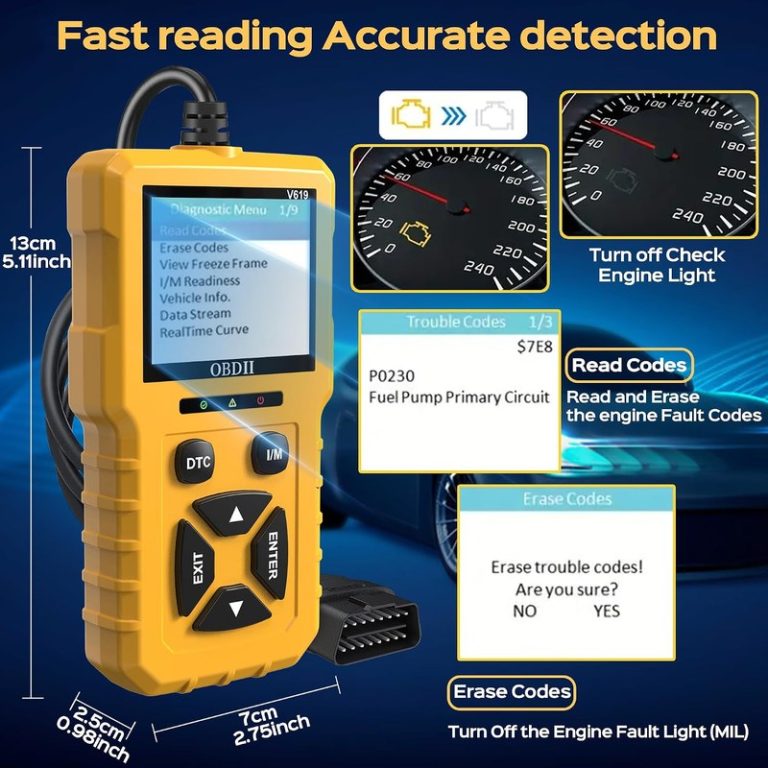
- Tool limits: Many basic OBD2 scanners cannot perform TPMS relearns or sensor programming.
- Do not ignore it: A persistent TPMS light can point to a leak, bad sensor, or electrical issue.
TPMS relearn vs TPMS reset: the short answer and why the difference matters
Many drivers use the words reset and relearn as if they mean the same thing. On most vehicles, they do not. A TPMS reset is usually a basic system restart or calibration step after you correct tire pressure. A TPMS relearn is a more specific procedure that helps the vehicle recognize sensor IDs, wheel positions, or both.
What a TPMS reset actually does
A reset usually clears the warning after you inflate the tires to the correct cold pressure listed on the driver-door placard. On some vehicles, that happens automatically after a short drive. On others, you may need to use an in-dash menu or a reset button.
With indirect TPMS, a reset often recalibrates the system after pressure correction because the vehicle compares wheel-speed data rather than reading pressure from a sensor inside each wheel. With direct TPMS, a reset may only tell the control module to check current sensor data again.
What a TPMS relearn actually does
A relearn is more involved. It helps the vehicle match each wheel sensor to the TPMS module. This is often needed after a tire rotation, sensor replacement, wheel swap, or installing a second set of wheels for winter use.
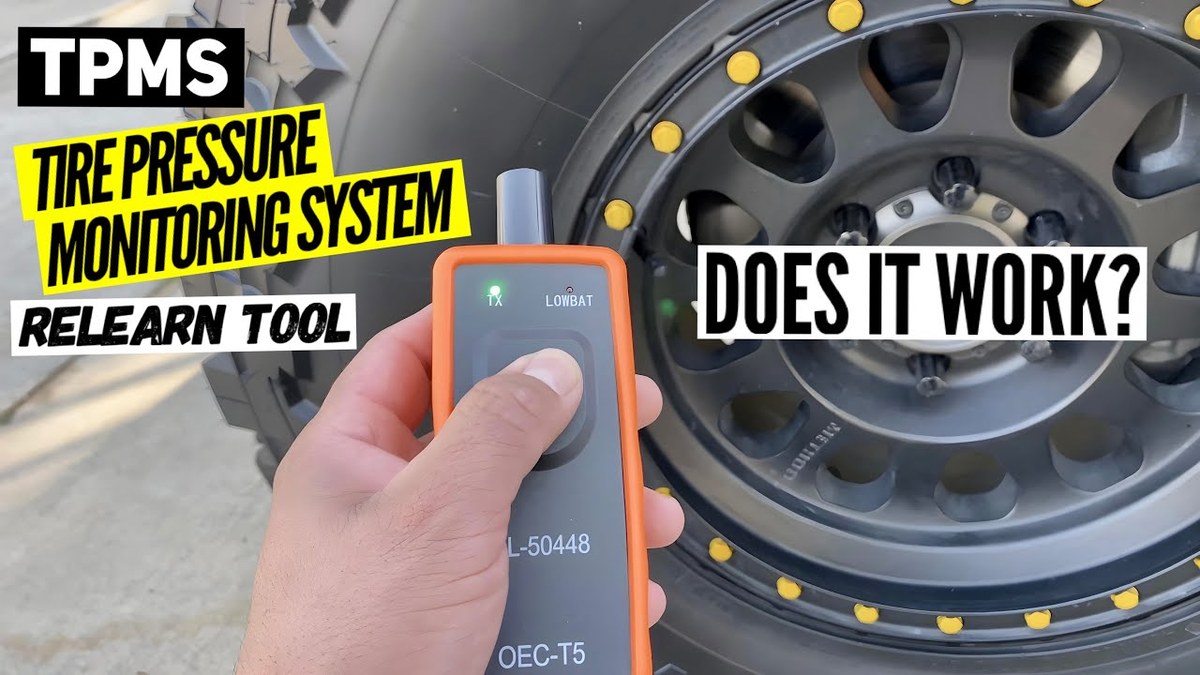
Some vehicles relearn sensor locations on their own after driving. Others need a trigger tool near each tire, and some require a scan tool or OBD2-assisted process to write sensor IDs into the module.
Why confusing the two can leave the warning light on
If your vehicle needs a relearn but you only do a reset, the light may stay on because the module still cannot identify one or more sensors. The opposite can also happen. If the problem is simply low pressure, chasing a relearn procedure wastes time and may not fix anything.
How TPMS works on modern vehicles in the United States
Modern US vehicles generally use either direct or indirect TPMS. The name sounds technical, but the difference is straightforward. One system reads pressure from sensors in the wheels. The other estimates pressure loss by comparing wheel behavior through the ABS system.
Direct vs indirect TPMS and which systems require sensor identification
Direct TPMS uses a battery-powered sensor inside each wheel. That sensor sends data such as tire pressure, and in many cases temperature, to the vehicle. Because the car must recognize each sensor, direct systems are the ones most likely to need a relearn.
Indirect TPMS does not use pressure sensors in the wheel. Instead, it looks at wheel-speed differences and related data. These systems often need recalibration after pressure changes or tire service, but they usually do not need sensor ID registration because there are no wheel-mounted TPMS IDs to learn.
Model-year differences, sensor frequency, and vehicle compatibility limits
TPMS behavior varies by make, model, trim, and year. Even within one brand, one vehicle may support auto relearn while another needs a stationary or scan-tool-based procedure. Sensor frequency and protocol can also differ, which matters when replacing sensors or using aftermarket parts.
That is why “universal” sensors and “works with most cars” tool claims need a careful read. Coverage depends on programming support, the vehicle’s TPMS type, and whether the tool can trigger, read, or write the right sensor information.
Check: Verify make, model, year, trim, TPMS type, sensor frequency, and whether your vehicle uses auto relearn, stationary relearn, or OBD2-assisted relearn. Limitations: A tool that reads generic OBD2 codes may not perform brand-specific TPMS functions.
Why the door-jamb placard and cold tire pressure matter before any reset or relearn
Before you touch a reset button or connect a tool, confirm pressure with the tires cold. The correct target is on the driver-door or door-jamb placard, not the maximum pressure molded into the tire sidewall.
The sidewall number is not the recommended operating pressure for normal driving. Starting with the wrong pressure can confuse the whole process, especially on indirect systems that depend on proper baseline calibration.
TPMS relearn vs TPMS reset side by side: which one your vehicle may need
The easiest way to decide is to look at what changed. If only the air pressure changed, a reset or drive cycle may be enough. If the wheels, sensors, or control module changed, a relearn becomes more likely.
After adding air, seasonal temperature swings, or correcting cold pressure
A simple reset is often enough after a cold-weather pressure drop or after topping off one or more tires. Seasonal swings can trigger a warning even when there is no puncture. Once the tires are set to the placard pressure, many vehicles will clear the warning after driving.
If you need help with the pressure-check side first, CarValleyNJ has a guide on digital vs analog tire pressure gauges that explains the trade-offs in plain terms.
After tire rotation, sensor replacement, wheel swaps, or installing a new set of tires
This is where relearns are common. Rotating tires can matter on vehicles that track sensor location by wheel position. Replacing one dead sensor, installing aftermarket sensors, or switching to winter wheels can all require the vehicle to learn new IDs or positions.
If your light came on right after a rotation, a brand-specific relearn or reset process may be required. For that situation, see this related guide on how to reset a TPMS light after tire rotation.
After a dead battery, low system voltage, module replacement, or software update
Electrical issues can interrupt TPMS communication or erase stored settings on some vehicles. A weak 12-volt battery, recent module replacement, or software update can leave the system needing initialization or a relearn.
Low voltage is especially important on newer vehicles because many modules depend on stable power. If battery condition is in question, solve that first before assuming the TPMS hardware failed.
When a simple TPMS reset is enough and how to do it safely
A reset is the logical first step when the warning appeared after a weather change or obvious pressure loss and no tire or sensor hardware was changed. The key is to do the basics correctly before you expect the light to clear.
Check pressure with an accurate gauge and match the placard, not the sidewall
Measure all four tires when cold, and do not forget the spare if your vehicle monitors it. Set each tire to the placard specification. If one tire is much lower than the others, inspect it carefully for a puncture, valve issue, or bead leak.
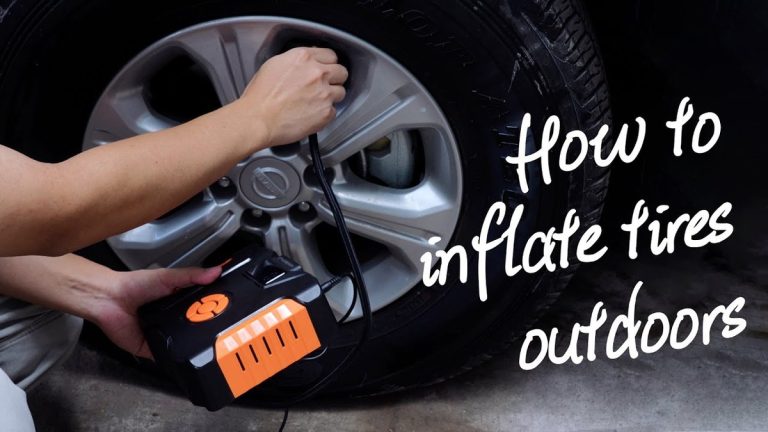
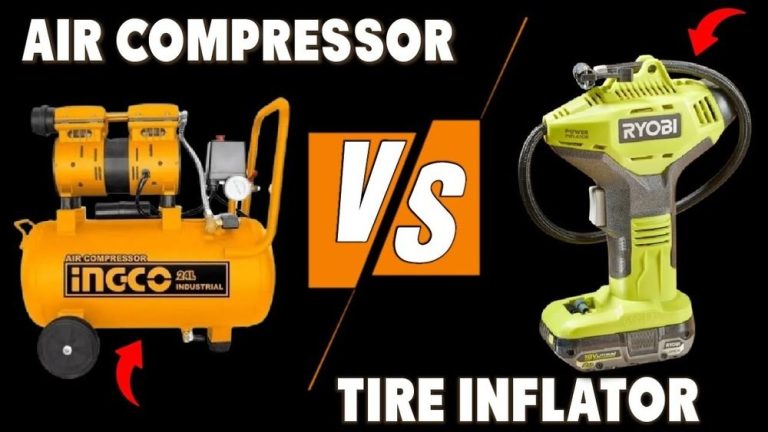
If you are still choosing inflation gear, CarValleyNJ also explains tire inflator vs air compressor for car tires, which can help owners pick the right setup for routine pressure maintenance.
Ignition mode, menu-based resets, and why some vehicles need a short drive cycle
Some vehicles require the ignition in accessory or on mode before the reset option appears. Others use a steering-wheel menu, infotainment screen, or physical reset button. After that, the system may need a short drive cycle so the module can confirm stable readings.
Because the exact steps vary, the owner’s manual remains the best primary source. If a scan tool is involved, confirm that it supports TPMS functions for your specific model, not just engine-code reading.
Reset limitations, inflator duty cycle, and signs the warning is not a pressure-only issue
A reset cannot fix a dead sensor battery, broken valve-stem sensor, missing ID, or incompatible replacement sensor. It also will not repair a puncture. If the light flashes first and then stays on, that often points to a system fault rather than simple low pressure.
Be careful with small portable inflators too. Their duty cycle may limit how long they can run before cooling down. Overworking an inflator is an equipment issue, but the bigger problem is rushing the job and driving away before pressure is actually correct.
- Measure tire pressure when the tires are cold and use the door placard target
- Read the owner’s manual for the exact reset or initialization procedure
- Inspect for nails, sidewall damage, or rapid air loss before driving far
- Use the tire sidewall maximum as your everyday target pressure
- Assume a reset can register new sensors on every vehicle
- Clear warnings repeatedly without finding the reason they return
When a TPMS relearn is required and what the process usually involves
A relearn is required when the vehicle must identify sensors again. That can mean learning new IDs, reassigning wheel locations, or both. The exact method depends heavily on the vehicle and the tool support available.
Auto relearn, stationary relearn, and OBD2-assisted relearn procedures
Auto relearn systems identify sensors after a certain drive routine. Stationary relearn systems usually require the car to enter learn mode while a trigger tool activates each sensor in a set order. OBD2-assisted relearn adds another step, where a compatible tool writes sensor IDs through the diagnostic port.
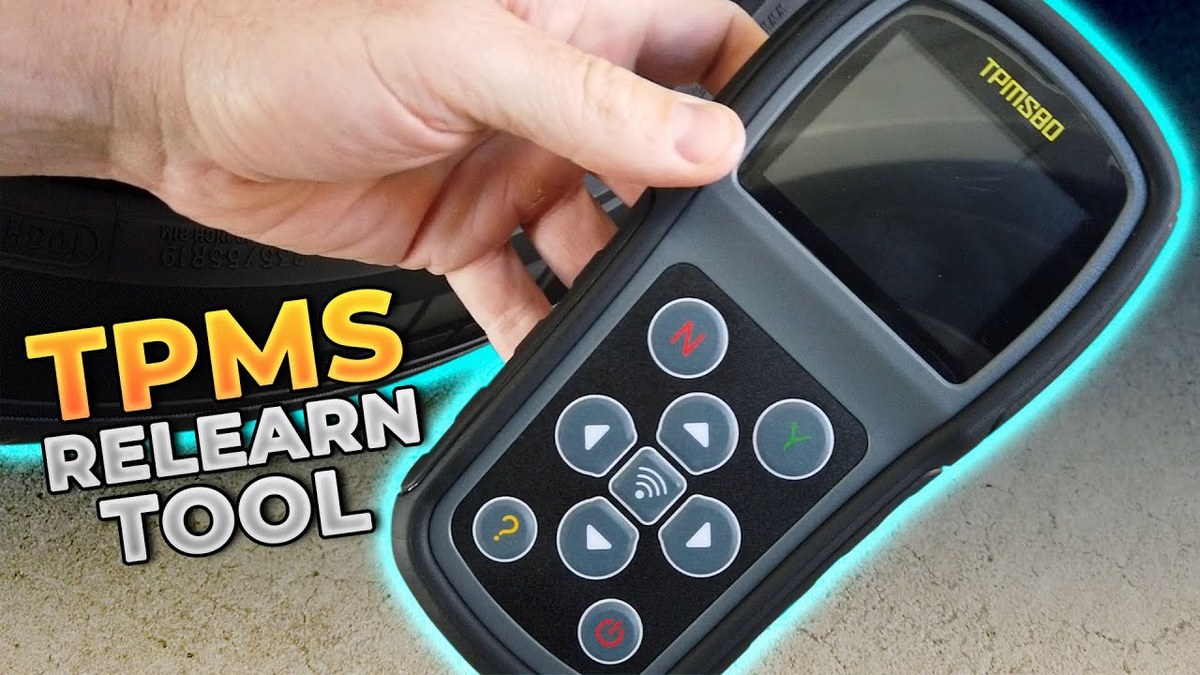
For owners comparing tools, this matters a lot. Some devices only wake up sensors. Others can also program replacement sensors or complete the OBD2 handoff needed by certain vehicles.
OBD2 coverage by model year and protocol, port location, and live-data limits
The OBD2 port is usually under the dash on the driver side, but tool support is not universal. Generic code readers may connect to the port and still offer no TPMS relearn function. Coverage can vary by brand, model year, and protocol support.
If you are trying to understand whether a higher-end scanner is worth it, our article on what OBD2 scanner features beginners need can help you separate basic code-reading from advanced service functions.
Firmware, app permissions, and when a scan tool or trigger tool is compatible
Some TPMS tools need current firmware or a paired app to support newer vehicles or recently added sensor coverage. Bluetooth tools may also request location, Bluetooth, or account permissions depending on the platform and app design.
Before buying, verify whether the tool performs only sensor activation, full sensor programming, or complete relearn support for your exact vehicle. Those are different capability levels, and the wrong assumption leads to wasted money.
Troubleshooting a TPMS light that will not clear after a reset or relearn
If the warning remains after correct pressure and the correct procedure, the system may have a hardware, compatibility, or communication issue. This is where a structured check matters more than repeating the same reset steps.
Low sensor battery, damaged sensor, missing ID, and radio-frequency mismatch
Direct TPMS sensors have internal batteries that eventually wear out. A sensor can also be damaged during tire service, corroded at the valve stem, or replaced with the wrong part. In other cases, the vehicle cannot see the sensor because the ID was never registered or the frequency does not match.
These are common reasons a light stays on after new tires or a single-sensor replacement. If a shop installed aftermarket sensors, confirm the exact part number and whether they were programmed for your vehicle.
Puncture location, temporary sealant limits, and when professional tire repair is required
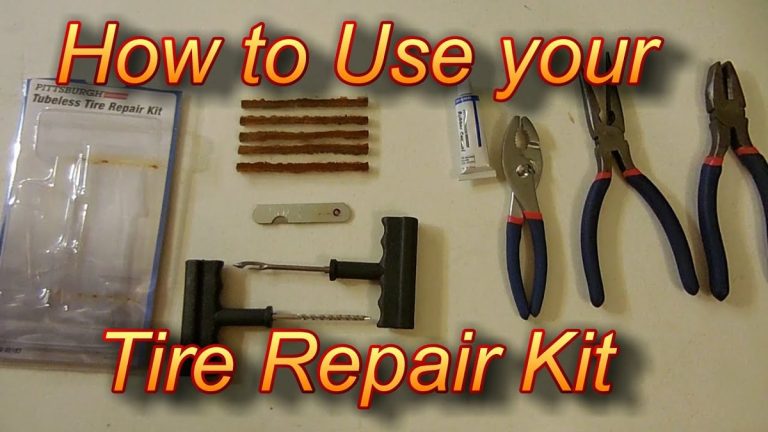
Not every low-pressure event is a sensor issue. A puncture in the repairable tread area may be fixable, but sidewall and shoulder damage often require tire replacement. Temporary sealant can also complicate sensor service depending on the product and the extent of contamination.
If a tire keeps losing air, treat that as a tire problem first and a TPMS problem second. Repeatedly resetting the light without fixing the leak only delays a real safety issue.
Emissions-readiness confusion, stored codes, and when diagnosis needs a professional
Some owners confuse TPMS warnings with check-engine diagnostics because both may involve a scan tool. TPMS faults are separate from emissions readiness monitors. Clearing engine codes will not fix a TPMS problem, and clearing any codes before recording them can remove useful clues.
If the system shows repeated communication faults, module errors, or inconsistent sensor readings, professional diagnosis may save money compared with replacing random parts.
Battery, electrical, hybrid, and EV cautions that affect TPMS service
TPMS work looks simple, but electrical health still matters. Weak 12-volt power can interrupt module communication, and the wrong support equipment can create extra trouble during diagnosis or relearn attempts.
System voltage, state of charge vs battery health, and stop conditions for a damaged battery
A battery can show enough voltage to wake modules up and still be too weak under load. That is why state of charge and battery health are not the same thing. If the vehicle has repeated low-voltage symptoms, solve that before blaming the TPMS.
Stop and follow the vehicle manufacturer’s instructions if the 12-volt battery is swollen, leaking, hot, or physically damaged. TPMS service is not the place to experiment around a failing battery.
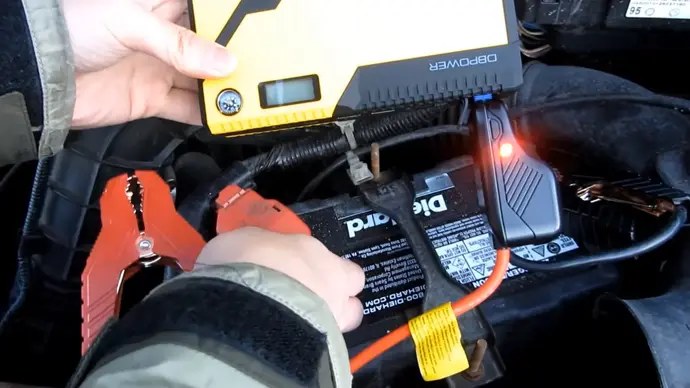
Correct connection order for chargers or jump packs and current-limit concerns
If you need external power support during diagnosis, follow the charger or jump pack instructions exactly. Connection order, polarity, and current limits matter. Using the wrong setting can create electrical problems that have nothing to do with the original TPMS warning.
This is also a good reminder that not every roadside tool belongs in every trunk. If you are building a practical kit, see CarValleyNJ’s guide on what tools every car owner should keep in the trunk.
Hybrid and EV high-voltage cautions, storage conditions, and post-use inspection of roadside tools
Hybrid and EV owners should remember that TPMS service still involves the low-voltage system, but the vehicle may also have high-voltage components nearby. Avoid probing, disconnecting, or opening anything outside the owner’s manual procedure.
After using an inflator, trigger tool, or jump pack, inspect it before storing it again. Damaged hoses, cracked clamps, weak batteries, and corroded connectors can turn a simple future reset into a roadside problem.
Safety, legal, and ownership-cost considerations before you ignore the warning light
Ignoring a TPMS light may seem harmless when the car still drives normally, but the real cost often shows up later in tire wear, handling, or roadside trouble. There can also be inspection and repair implications depending on where you live.
Driver safety, braking, handling, and tire-wear impact
Underinflated tires can run hotter, wear faster, and respond more slowly in emergency maneuvers. Even mild underinflation can reduce fuel efficiency and shorten tread life over time. That makes the TPMS light both a safety issue and an ownership-cost issue.
Federal TPMS requirements, state inspection variation, and replacement-rule basics in 2026
Federal rules require TPMS on many newer passenger vehicles sold in the United States, but inspection enforcement can vary by state. Replacement rules and practical shop policies also vary when a sensor fails during tire service. As of 2026, owners should verify current inspection requirements with their state agency and confirm service policy with the shop handling the tires.
For safety information and recall lookups, the National Highway Traffic Safety Administration provides consumer resources at nhtsa.gov.
Cost comparison: DIY reset, relearn tools, shop service, and long-term maintenance
The lowest-cost fix is often a simple pressure correction and reset. Costs rise when you need a compatible trigger tool, programmable sensors, or professional diagnosis. Long term, sensor battery aging and wheel-service labor are the main ownership costs to expect on direct TPMS systems.
The best value depends on how often you swap wheels, how many vehicles you maintain, and whether your vehicle uses a simple auto relearn or a more tool-dependent process.
The best next step for your situation: reset, relearn, repair, or professional diagnosis
The right answer depends less on the warning light itself and more on what happened right before it came on. Start with the simplest verified cause, then move up only if the light does not clear.
Best fit for daily drivers, winter wheel users, performance vehicles, hybrids, and EVs
Daily drivers who only saw a cold-weather pressure drop should usually begin with a gauge check and reset. Winter wheel users are more likely to need a relearn because wheel sets and sensor IDs may change. Performance vehicles may have more tire-pressure sensitivity, while hybrids and EVs add extra caution around battery condition and electrical procedures.
What to document before buying sensors, tools, or booking service
Write down the exact make, model, year, trim, wheel size, TPMS type, and what service was recently done. Also note whether the light is solid or flashing, whether the tires lose air, and whether the vehicle has aftermarket wheels or sensors.
That information helps parts counters, tool sellers, and service shops avoid mismatched sensors and unsupported procedures.
A transparent verdict on when DIY makes sense and when expert help saves money
DIY makes sense when the issue is clearly pressure-related, the owner’s manual gives a straightforward reset or relearn process, and you have the correct gauge or tool. Professional help makes more sense when the system needs sensor programming, the warning returns after proper pressure correction, or the vehicle has mixed symptoms involving tires, sensors, and battery voltage.
- Best for: Owners who want a clear way to decide whether their TPMS problem needs a simple reset, a full relearn, a tire repair, or deeper diagnosis.
- Think twice if: You plan to buy sensors or tools before confirming your exact TPMS type, model-year procedure, and sensor compatibility.
- Next step: Set all tires to the cold placard pressure, check the owner’s manual for the exact TPMS procedure, and move to a relearn or professional diagnosis only if the warning remains.
Frequently Asked Questions
No. A reset usually tells the vehicle to recheck tire pressure after you correct it, while a relearn helps the vehicle identify or reassign the actual TPMS sensor IDs. Many vehicles need only one of those steps, not both.
Sometimes. Some vehicles automatically relearn wheel positions after a short drive, while others need a manual procedure or a TPMS tool. Check the owner’s manual or a vehicle-specific service source before assuming the light will clear on its own.
Usually not. Many basic OBD2 scanners only read generic powertrain codes and do not support brand-specific TPMS service functions. Confirm TPMS relearn coverage for your exact make, model, and year before buying a tool.
The tires may still not match the cold pressure on the door placard, or the vehicle may need a reset drive cycle. If pressure is correct and the light stays on, the problem may be a bad sensor, a missing sensor ID, or another TPMS fault.
Yes. A temperature drop can lower tire pressure enough to trigger the warning even without a puncture. Check all tires when cold and inflate them to the vehicle placard specification before trying a reset.
It is not a good idea. The warning may point to underinflation, which can affect braking, handling, tire wear, and heat buildup. If the light returns after proper inflation, inspect for a leak or get the system diagnosed.