Can You Drive with a Bad TPMS Sensor? Yes, but Here’s the Risk
You can drive with a bad TPMS sensor, but you lose the only warning that alerts you to a dangerously low tire. Until the sensor is replaced, check all four tire pressures manually at least once a week.
If you’re wondering can you drive with a bad TPMS sensor, the short answer is yes — the engine, brakes, and steering keep working without it. The longer answer involves the safety, legal, and financial risks you accept with every mile you drive while the warning system is offline.
- Yes, but risky: The car drives normally with a failed sensor, yet you lose early warning for.
- Legally fine, inspection uncertain: No federal law bans driving with a bad sensor, but some state inspections will.
- Manual pressure checks: Without TPMS, set a weekly habit of checking cold tire pressure with a reliable.
- Replacement cost is small: Sensor replacement costs far less than a damaged tire; waiting too long makes the.
- Relearn required: A new sensor will not work until the vehicle learns its ID, so plan.
Can You Drive with a Bad TPMS Sensor? Yes, but Here’s What You’re Risking
Your car does not need the TPMS to move, turn, or stop. The system exists to warn you when a tire has lost pressure before the tire fails. With a bad sensor, that message never arrives.
What a Failing TPMS Sensor Actually Does to Your Dashboard
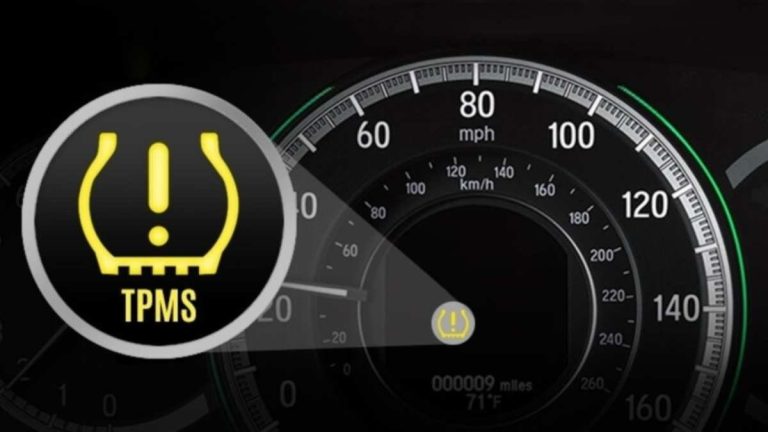
A failing sensor can trigger several different warnings. The low-tire light may stay on, flash at startup, or appear with a “Service TPMS” message in the driver information display.
Many automakers use a flashing TPMS indicator for a system fault and a steady light for low pressure. Some vehicles simply stop showing pressure for one wheel, changing the value to dashes on the screen.
If you have seen the light blink and then stay lit, our guide to why the TPMS light flashes then stays on walks through the most common causes.
The Legal Truth: Federal Rules and State Inspection Variations
Federal safety rules require TPMS on new light vehicles, but they do not force you to repair it later. Federal Motor Vehicle Safety Standard 138, phased in through the 2008 model year, requires automakers to install the system. Once the car is sold, no federal law makes it illegal to drive with a dead sensor.
State inspections are where the trouble starts. Some states check the TPMS warning light during the safety or emissions inspection, and a lit or flashing light can fail the vehicle. Rules vary by state and change over time, so verify the current requirements where your car is registered.
How a TPMS Sensor Fails: Symptoms, Lifespan, and Common Causes
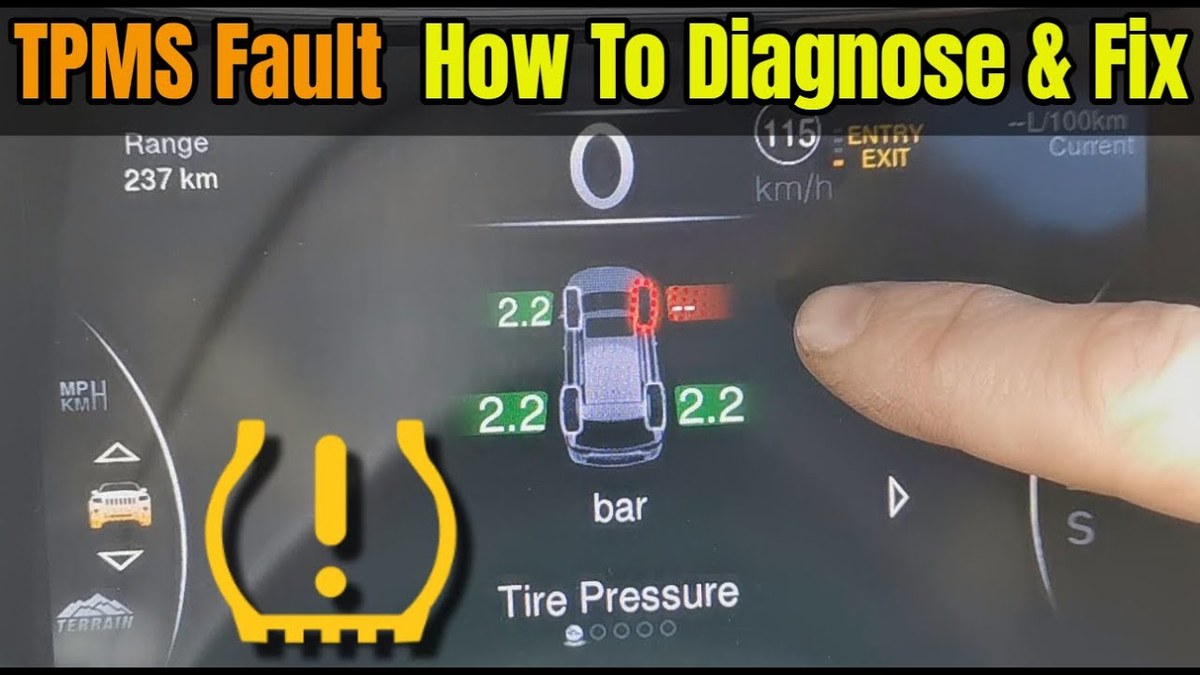
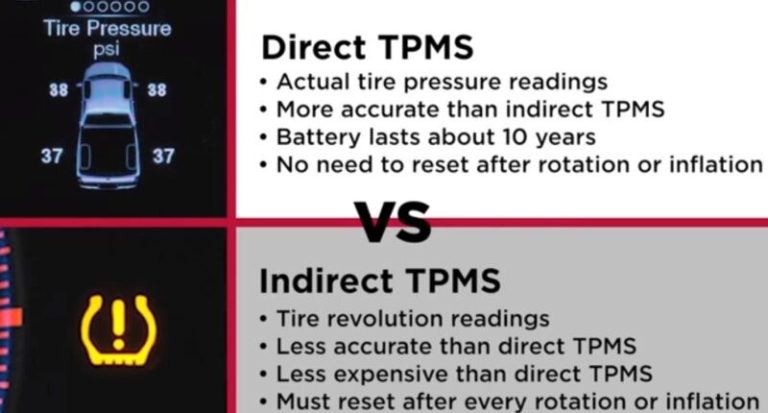
TPMS sensors are small modules mounted inside each wheel. They measure air pressure and temperature, then transmit that data to a receiver in the car. When a sensor stops sending, the system reports a fault instead of a reading.
Flickering Lights, False Readings, and “Service TPMS” Messages
Intermittent warnings are a classic sign of a weakening sensor battery. The light may come on during a cold morning, disappear after lunch, and return the next day. False low-pressure warnings can also appear at the same time every day.
If the receiver cannot identify a wheel, the display may show dashes where a pressure value should appear. That usually means one or more sensors are silent.
Why Sensors Die: Sealed Batteries, Corrosion, and Tire-Mounting Damage
Most sensors use a sealed battery that cannot be replaced, so the whole sensor gets swapped when the battery dies. They are designed to last for years, but cold weather, high mileage, and older vehicles push them closer to failure.
Corrosion around the valve stem and damage during tire mounting are also common. A tire machine can crack the sensor body or snap the valve if the technician is careless. That is why many shops inspect sensors whenever they mount a new set of tires.
The Real Risks of Ignoring a Bad TPMS Sensor
The dead sensor itself is harmless. The risk lives in what you no longer know. If a tire loses pressure slowly, the first sign used to be the dashboard light. Now there may be no sign at all until the tire is damaged.
Safety Risks: Blowouts, Hydroplaning, and Longer Stopping Distances
An underinflated tire flexes more as it rolls, builds heat, and weakens its internal structure. The worst case is a blowout at highway speed. Even a mild pressure drop makes the car feel less stable, adds to stopping distance, and increases the chance of hydroplaning in rain.
The danger is sneaky because slow leaks drop just a few psi per week. The driver feels nothing until the tire reaches a critical point.
If pressures are already low, read our guide on how long you can safely drive with low tire pressure before you hit the road.
Financial Risks: Tire Wear, Fuel Economy, and Expensive Tire Damage
Underinflated tires wear faster on the outside edges and run hotter on long trips. The extra heat can separate the tread or damage the sidewall, turning a fixable tire into a replacement job.
Lower pressure also means higher rolling resistance. The engine works harder, fuel economy drops, and the cost adds up at every fill-up until the problem is fixed. A single ruined tire often costs more than a full set of replacement sensors.
Legal and Inspection Risks: State Rules and the Federal TREAD Act
The TREAD Act led to the federal TPMS rule, but enforcement after the sale happens at the state level. A state inspection that includes the TPMS light can fail a vehicle with a signaling fault. Your state may not catch it — or it may send you home with a failed inspection sticker.
Diagnosing TPMS Problems: OBD2 Codes, Live Data, and Scanner Limits
Before you replace anything, confirm the sensor is actually the problem. A genuinely low tire, a bent wheel, or a missed relearn after a tire rotation can create warnings that look identical to sensor failure.
OBD2 Port Location, Ignition Mode, and Model-Year Coverage
Every US-market car built after 1996 has a standard OBD2 port under the dash, usually near the hood release. You do not need the engine running to check TPMS codes. Turn the ignition to the on position with the engine off.
Scanner coverage varies. A basic code reader sees engine and emissions codes only. TPMS codes often live in the ABS or body control modules, so you need an enhanced scanner with ABS or manufacturer-specific coverage to see them.
TPMS Codes, Live Data, and App Permissions: What Your Scanner Can and Can’t Do
A capable scanner can show live pressure values for each wheel. The dead wheel usually reads dashes or a frozen value while the others update. Stored codes can also point to the sensor that stopped responding.
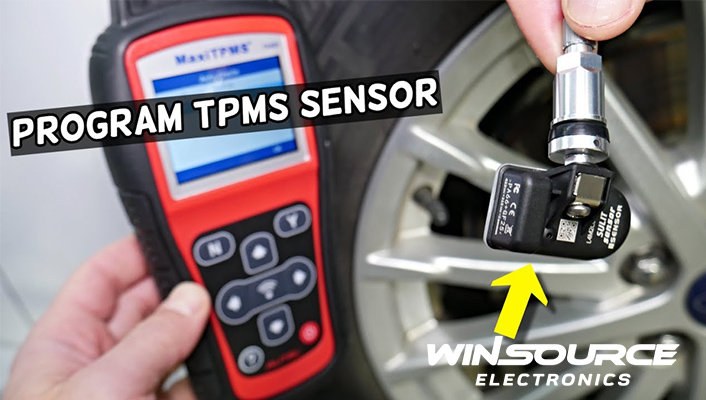
What a scanner cannot do is program or relearn a new sensor. That job needs a TPMS-specific tool, and some vehicles require dealer-level software. Bluetooth scanners also need app permissions and a data connection, so review what the app collects before you connect it to your car.
Reset Limitations and When TPMS Diagnosis Requires a Professional
Clearing the code does not fix the fault. If the sensor battery is dead, the light returns on the next drive. A wheel-and-tire shop can confirm the diagnosis in minutes, often while the wheels are already off the vehicle.
Tire Pressure 101: Placard Pressure, Cold Tires, and Gauge Accuracy
Whether the sensor works or not, the correct target is the same: the cold pressure printed on the vehicle’s tire placard.
Find the Door-Jamb Placard and Set Cold Pressure Correctly
The placard sits on the driver’s door jamb, inside the fuel door, or in the glovebox. It lists the recommended pressure for the original tire sizes. The number molded into the tire sidewall is the maximum pressure, not the target.
Cold means the car has been parked for a few hours or driven less than about a mile. Driving heats the air inside the tire, which raises the reading. If you just finished a trip, our guide on how long to wait to check tire pressure after driving gives you a clear timing rule.
Gauge Accuracy and Inflator Duty Cycle: Don’t Trust a Cheap Pen Gauge
Pencil-style gauges are inexpensive but can be inaccurate and hard to read. A quality digital gauge removes the guesswork from a five-minute job that affects safety and tire life.
If you use a portable inflator, watch its duty cycle. Compact units are built for short bursts and need cool-down time between tires. Pushing one past its rating can overheat the motor at the worst moment — on a roadside with a flat tire.
Punctures and Temporary Repairs: When a Tire Needs Professional Attention
A failing sensor and a puncture can appear at the same time. If a tire loses air faster than the warning system can help, the car may pull or thump. Stop and look for nails, screws, or cuts before continuing.
Plugs can seal a simple puncture in the tread area, but they are temporary. Have a shop patch the tire from the inside and check the sensor at the same time. If you find a nail, our guide on how long you can drive with a nail in your tire explains when to stop.
Flat Tire with a Bad TPMS Sensor? How to Handle the Emergency Safely
Without a working sensor, a flat tire can catch you by surprise. The car may pull hard, shake, or thump before you understand what is happening.
Pull Over Safely: Location, Visibility, and Hazard Lights
Do not slam the brakes. Ease off the accelerator, then steer to a flat, paved, well-lit area away from traffic. Turn on the hazard lights as soon as you decide to stop. On a highway, use the right shoulder and avoid stopping just past a curve or hillcrest.
Temporary Repair Kits: Current Limits, Storage Conditions, and Risks
Sealant kits can get you moving again after a small puncture, but they have limits. They work best on simple tread punctures, not sidewall cuts or large holes. Driving far or fast on a sealed tire can ruin it.
Check the sealant expiration date before you rely on it. A can stored in a hot trunk for years can fail when you need it most.
After the Emergency: Inspect the Tire, Sensor, and Repair Quality
Treat any temporary repair as temporary. Have a shop inspect the tire from the inside, decide whether it can be patched, and verify the TPMS sensor survived. A tire driven flat — even briefly — can have hidden internal damage that is invisible from the outside.
Replacing a Bad TPMS Sensor: Relearn Procedures, Costs, and DIY vs. Pro
Replacing the sensor is the only permanent fix once the battery is dead. The job involves removing the tire, swapping the sensor, remounting the tire, and teaching the car to accept the new sensor.
OEM vs. Aftermarket Sensors: Compatibility, Quality, and Warranty
OEM sensors come from the vehicle manufacturer and match the original frequency and programming. Aftermarket sensors come from brands such as Continental, Autel, Denso, and Schrader. Some are direct matches; others must be programmed before installation.
Compatibility comes down to the sensor frequency — commonly 315 MHz or 433 MHz, depending on the vehicle. The wrong frequency or an unprogrammed sensor will simply not communicate with the car.
Check: Confirm the TPMS frequency, sensor ID protocol, and programming requirements for your exact make, model, and model year before buying. Limitations: Universal aftermarket sensors may need a programming tool, and not every sensor works with every vehicle.
The Relearn Procedure: Why a New Sensor Won’t Work Until You Relearn It
A new sensor will not pair automatically with many vehicles. The car must learn the sensor’s unique ID before it accepts the data. That process is called a relearn, and without it the new sensor is useless.
Some cars relearn on their own as you drive. Others need a TPMS reset tool held next to each valve stem in a specific order. Our guide to TPMS relearn versus reset explains which procedure fits your vehicle.
Battery Voltage and Relearn Tools: Why a Weak Car Battery Can Interfere
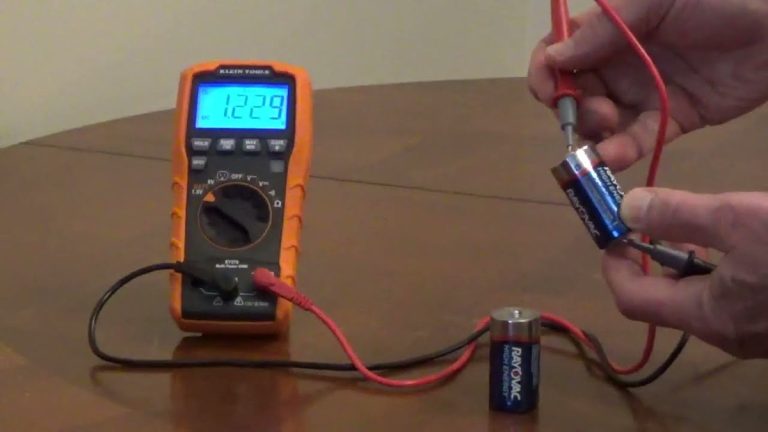
A weak 12-volt battery can break the relearn process. The TPMS receiver needs stable voltage, and some modules stop responding when the battery dips. If a relearn keeps failing, test the car battery before blaming the new sensor.
Many DIY relearns also fail because a phone app cannot send the trigger signal the car expects. A dedicated TPMS reset tool solves that problem and often costs less than paying a shop for a second attempt.
Cost Breakdown: Parts, Labor, and DIY Savings
Pricing varies too much for a universal number. Sensor cost depends on the vehicle brand, OEM versus aftermarket choice, and whether programming is required. Labor depends on the shop and whether the tire is already off the wheel.
DIY replacement saves labor but adds risk. You need a safe way to dismount the tire, the correct torque for the valve stem, and a relearn tool. Cracking a brand-new sensor during mounting eats up most of the savings.
The Bottom Line: Fix the TPMS Sensor Before It Costs You More
A bad sensor is not an emergency by itself. It becomes an emergency only when a tire goes flat and nobody warns you.
Your Action Plan: Check Pressure, Scan Codes, and Schedule Replacement
Use a quality gauge when the tires are cold, and top off to the pressure listed on the door-jamb placard.
Read TPMS codes with a capable scanner or have a shop check each wheel instead of guessing.
Choose a shop that can program and relearn the new sensor before you drive away.
Why Ignoring a Low-Cost Sensor Can Lead to a Costly Tire Replacement
The sensor costs a fraction of the tire it protects. It also confirms that a simple fix worked after a repair. Skip it long enough, and the next notification you get may be the thump of a flat that already destroyed the sidewall.
Replacing a sensor while the tire is already off adds little to the bill. Doing it later means paying to mount and balance the tire again, plus the risk you carried on every trip in between.
- Best for: Drivers who want a working early-warning system and want to avoid premature tire wear, fuel loss, and roadside flats.
- Think twice if: You depend on the dashboard warning to catch slow leaks; with a bad sensor, you are driving without that safety net.
- Next step: Check cold tire pressures today, confirm the failing sensor with a scan or shop visit, and schedule the replacement before your next long trip.
Frequently Asked Questions
You can drive for a while, but there is no safe or recommended timeframe. The risk depends on how quickly a tire loses air and whether you check pressures manually.
It depends on your state. Some states inspect the TPMS warning light as part of the safety check, while others do not. Check your state’s current inspection rules before scheduling.
No. A sensor failure does not affect the engine, transmission, brakes, or drivetrain. It only disables the tire pressure warning feature.
Many vehicles require a TPMS reset or relearn tool so the car can recognize the new sensor’s ID, and some aftermarket sensors also need programming before installation.
Prices vary by vehicle, sensor brand, whether programming is needed, and local labor rates. A shop can give an exact quote once they confirm the sensor type your vehicle uses.
Most sensors cannot be repaired. If the sealed battery is dead or the sensor body is cracked or corroded, the standard fix is a complete sensor replacement.