Can Tire Sealant Damage a TPMS Sensor? Here’s the Risk
The main practical value of tire sealant is that it offers a quick, temporary emergency fix to get you safely to a repair shop, but it is not a permanent solution for a punctured tire. The most critical limitation is that the sealant’s corrosive chemicals can permanently clog or damage your TPMS sensor, leading to costly sensor replacement and often voiding the sensor’s warranty or causing inaccurate pressure readings afterward.
Can tire sealant damage a TPMS sensor? Yes, it can — and the risk is serious enough that most tire manufacturers and TPMS sensor makers recommend against aerosol sealants except in a true emergency. Whether the damage is permanent depends on the sealant chemistry, how long it sits inside the tire, and the design of the sensor itself. This article walks through how sealants interact with TPMS sensors, which products are riskiest, and what to do if you’ve already used one.
- Sensor Risk: Many tire sealants can corrode or clog TPMS sensors, leading to costly sensor failure.
- Compatibility Check: Only use sealants explicitly labeled TPMS-safe, as standard formulas often lack the necessary chemical.
- Installation Trap: Improper application—like overfilling or using sealant on a damaged tire—can worsen sensor damage and.
- Ownership Cost: While sealant saves a tow, sensor replacement plus cleaning can exceed $200, making it.
- Warranty Void: Using non-approved sealant may void your tire or TPMS warranty, leaving you liable for.
How Tire Sealants Work
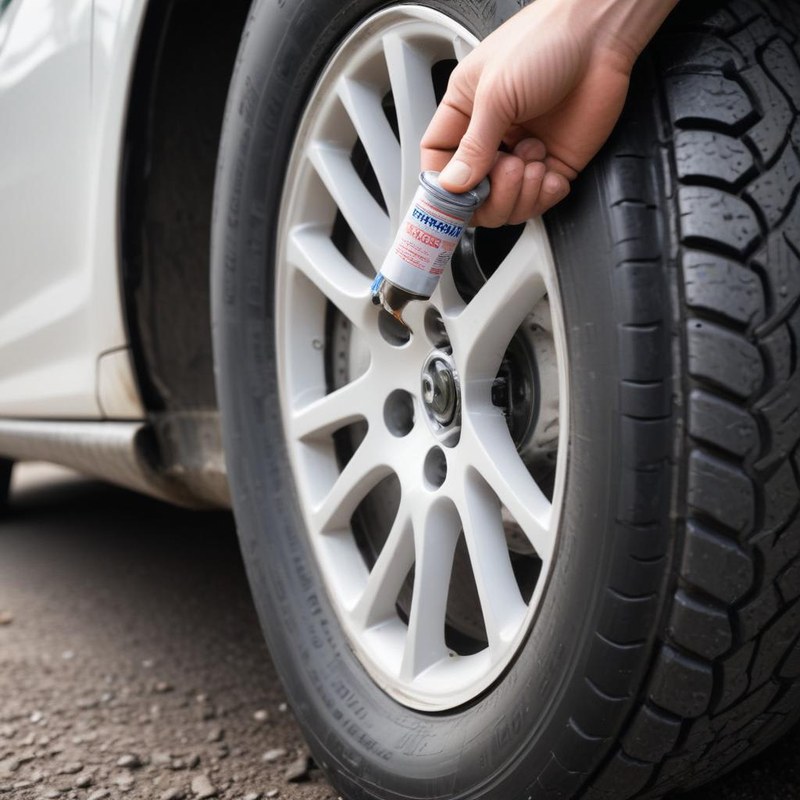
Tire sealants come in two broad categories. Aerosol sealants like Fix-a-Flat are the ones you see in emergency kits. They spray a mixture of latex, water, and propellant into the tire through the valve stem. The liquid coats the inside of the tire, and when it reaches the puncture, the pressure change causes the latex to coagulate and plug the hole. These products are designed to get you to a shop, not to serve as a permanent repair.
Brush-on or liquid sealants used by tire shops work differently. They’re applied to the inside of the tire or to the puncture site during a proper dismount-and-patch procedure. Some shops use a liquid rubber compound as part of a professional repair.
The key difference matters for TPMS sensors: aerosol sealants coat everything inside the tire, including the sensor, while professional repair compounds are applied directly to the puncture site with the tire off the wheel. Some consumer sealants claim to be “TPMS safe,” but that label usually means the manufacturer designed the formula to be less corrosive — not that it’s harmless to leave in your tire for months.
Why the TPMS Sensor Is Vulnerable
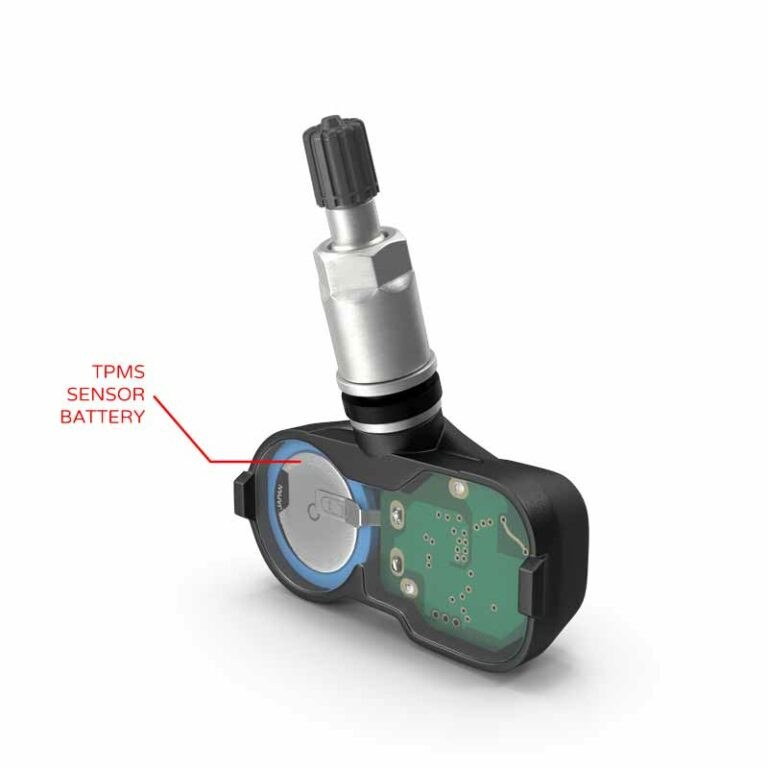
To understand the risk, you need to know where the sensor lives. Direct TPMS sensors are mounted inside the wheel, usually attached to the valve stem. The sensor body contains a pressure transducer, a small circuit board, a battery, and a radio transmitter. It sits inside the tire, exposed to everything the tire sees — including any sealant you spray in.
The pressure transducer reads tire pressure through a small port or vent hole on the sensor body. That hole is essential for the sensor to work. It must stay open to the air inside the tire. Liquid sealant can flow into that port and dry, blocking the sensor’s ability to measure pressure.
Not every vehicle uses this type of sensor. Indirect TPMS systems use the wheel speed sensors and ABS to estimate tire pressure based on rotation speed. Those systems have no in-wheel electronics, so sealant can’t damage them directly. But direct sensors — the more common type in US vehicles — are the ones at risk.
The Main Ways Sealant Damages a Sensor
Corrosion of the Electronics
Many aerosol sealants use water as a carrier, and some contain ammonia or other chemicals designed to help the latex adhere. Water and ammonia are corrosive to circuit boards, especially when they sit in contact for extended periods. The sensor’s circuit board is usually coated with a protective conformal coating to resist moisture, but it’s not designed to be soaked in sealant. Over weeks or months, the chemicals can work through the coating and corrode solder joints or battery contacts.
Clogged Pressure Port
The pressure port is the sensor’s window to the tire. When sealant dries, it can leave a film or a solid plug over that port. A plugged port means the sensor reads whatever pressure was trapped inside when the sealant dried — not the actual tire pressure. You might see a reading that never changes, or a false low-pressure warning that won’t go away even after you add air.
Battery and Communication Failure
The sensor’s battery is a sealed lithium cell designed to last 5 to 10 years, but it’s not immune to chemical attack. If sealant seeps into the battery compartment or corrodes the battery terminals, the sensor can fail entirely. When a sensor dies, the vehicle’s computer no longer receives a signal from that wheel. You’ll typically see a flashing TPMS light or a “sensor not found” message when a technician scans the system.
Which Sealants Are Riskier?
Not all sealants pose the same threat. The table below compares common types based on their TPMS risk.
| Sealant type | Best for | Owner consideration | Driver consideration |
|---|---|---|---|
| Aerosol emergency sealant (latex-based) | Emergency roadside repair only | High TPMS risk; coats sensor with latex and water | Must be cleaned out at a shop; tire may need replacement |
| Water-free emergency sealant | Emergency use in cold climates | Lower corrosion risk, but still coats the sensor | Check label for TPMS warnings before use |
| Professional liquid patch compound | Applied during proper tire repair | Low TPMS risk if applied to puncture site only | Requires tire dismount; not a DIY emergency fix |
| Preventive sealant (Slime-style products) | Preventive use in off-road, farm, or ATV tires | High TPMS risk; designed to coat the entire wheel interior | Most passenger-vehicle sensors should not be exposed to it |
A few general rules: the more watery the sealant, the more likely it will flow into the sensor’s pressure port. The more chemically aggressive it is, the more likely it will corrode the electronics. And the longer it stays in the tire, the more damage it does. A sealant that sits in a tire for a week is a nuisance; one that sits for months is a much bigger problem.
What to Do If You’ve Already Used Sealant
If you’ve already used an aerosol sealant, don’t panic. The sensor may be fine, especially if the sealant was only in the tire for a short time. Here’s what to do:
Tell the technician exactly which sealant you used and how long it’s been in the tire. The shop needs to dismount the tire and clean the wheel, sensor, and valve stem thoroughly. The longer sealant sits, the harder it is to remove.
Before reinstalling the tire, the technician should check the sensor’s pressure port, body, and battery for sealant residue or corrosion. Many shops can test the sensor with a TPMS tool while the tire is off the wheel.
If the TPMS light returns, the pressure reading looks wrong, or the sensor stops communicating, the sensor likely needs replacement. A TPMS tool can confirm whether the sensor is still transmitting before you pay for a new one.
A shop that sees sealant residue will often recommend replacing the sensor as a precaution, especially if the tire is being patched anyway. That’s not a scam — once sealant dries inside the sensor, there’s no practical way to clean it out without damaging the electronics.
- Use sealant only as a last resort when you have no spare and no other option
- Tell the tire shop exactly which sealant product you used
- Have the sensor tested after the tire is dismounted
- Leave sealant in a tire for weeks or months
- Assume a sealant labeled “TPMS safe” is truly harmless — read the fine print
- Drive at highway speeds on a sealant-repaired tire for long distances
Better Alternatives That Protect the Sensor
The safest way to protect your TPMS sensors is to avoid aerosol sealants altogether. Here are the alternatives worth carrying:
A tire plug kit is the closest thing to a permanent DIY repair. It costs less than $20, fits in your trunk, and doesn’t coat the inside of the tire with chemicals. The catch is that plugs are only effective for small punctures in the tread area, and they require you to find and ream the hole. If you’re considering a plug, understand the difference between a plug and a patch — a patch done from the inside at a shop is the more durable repair, but a plug can get you home safely in many cases.
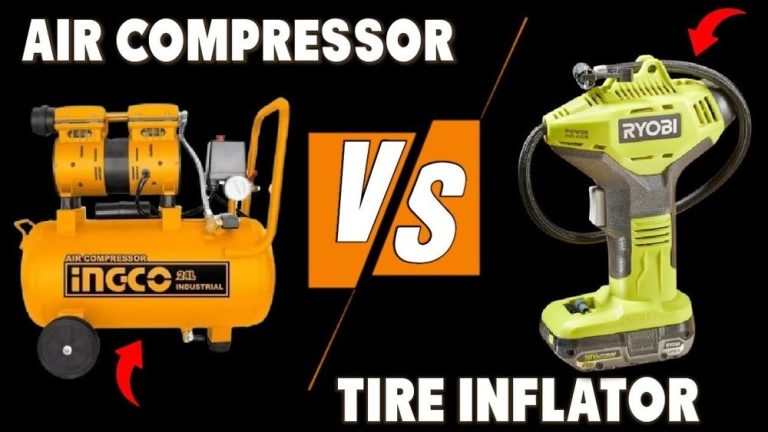
A portable tire inflator is another essential tool. Many slow leaks can be managed by checking the pressure and topping it off until you reach a shop. This doesn’t fix the puncture, but it avoids the mess and the TPMS risk entirely. If you’re driving on a nail, you may be able to inflate the tire enough to reach a nearby shop without ever using sealant.
And of course, a full-size spare or a compact spare is the cleanest solution. If your vehicle has one, use it. If it doesn’t — many newer cars come with an inflator kit instead of a spare — consider carrying a plug kit and a quality inflator as your backup plan.
When a Damaged Sensor Must Be Replaced
If your sensor fails because of sealant, the fix is replacement. A new sensor typically costs between $50 and $150 for the part, plus labor for mounting, balancing, and programming. The good news is that a new sensor doesn’t require any special tools on your part — the shop handles it. But you should know that a replacement sensor must be programmed to match your vehicle’s TPMS system, and the process varies by make and model. Some vehicles relearn automatically as you drive; others require a TPMS reset tool.
If you notice that your TPMS light is flashing or staying on after a sealant incident, don’t ignore it. A flashing light often means the system has lost communication with one or more sensors, which is exactly the kind of failure sealant can cause. You can still drive on a tire with a dead sensor in many cases, but you lose the early warning that a slow leak gives you. And if the tire itself is damaged, driving on it could be unsafe.
Final Verdict
- Best for: Emergency roadside situations where you have no spare, no plug kit, and no way to reach a shop without inflating the tire.
- Think twice if: Your vehicle has direct TPMS sensors — the type that mounts inside the wheel and is exposed to sealant. The sealant may save the tire but cost you a sensor.
- Next step: Check your owner’s manual and the sealant label for TPMS warnings before using any product, and have the tire cleaned at a shop as soon as possible.
Frequently Asked Questions
Yes, tire sealant can damage a TPMS sensor, particularly if the sealant is corrosive or contains fibers that clog the sensor’s pressure port. The risk depends on the sensor type and the sealant formula you use.
No, direct TPMS sensors that sit inside the tire are more vulnerable to sealant damage than indirect systems that use wheel-speed sensors. Always check the sealant label for “TPMS-safe” certification before using it on a vehicle with direct sensors.
Use a sealant specifically labeled as TPMS-safe and follow the injection instructions for your valve stem type. Do not overinflate after application, and drive immediately at moderate speed to distribute the sealant evenly, minimizing pooling around the sensor.
Sealant residue can cause false low-pressure readings or intermittent sensor dropouts, making it hard to diagnose whether the sensor or the sealant is the issue. A TPMS tool can read the sensor, but the sensor may need removal and cleaning before accurate measurement is possible.
Sealant that corrodes the sensor’s internal components can drain the sensor battery prematurely, often within weeks. It can also unbalance the tire if not distributed evenly, causing vibration and uneven wear, so inspect the tire and sensor soon after use.
Seek a professional if the TPMS warning light stays on after using sealant, if you notice vibration, or if the sensor fails to respond to a relearn tool. Before paying for a replacement, verify the sensor’s condition by having the tire dismounted and cleaned, and ask if the shop offers a warranty that covers sealant-related damage.