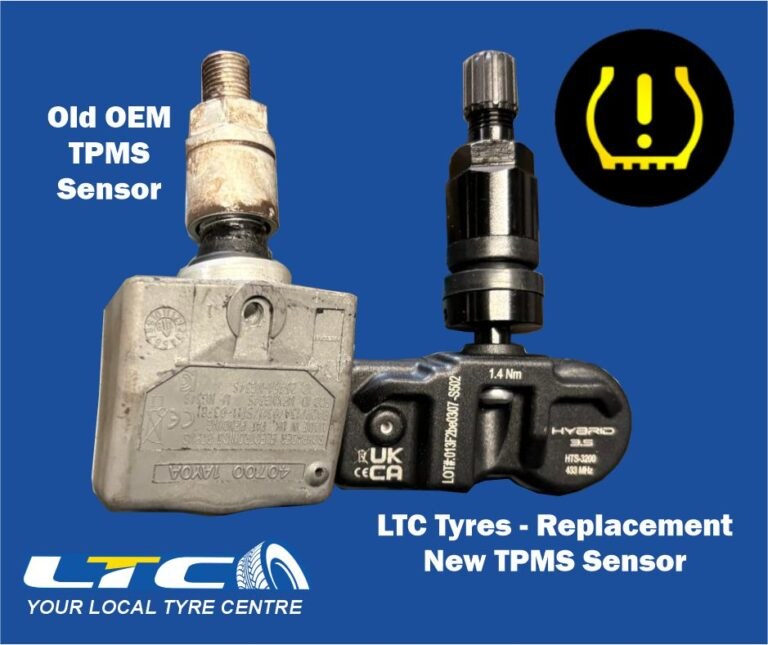
How Long Can You Drive on a Tire with a Slow Leak? a Few Miles
A tire with a slow leak is only safe to drive a few miles, and only in an emergency to reach a shop. Fill it first if you can, drive slowly, and get a professional repair or replacement before you drive far.
If you are wondering how long can you drive on a tire with a slow leak, the honest answer is short: a few miles at most, and only to reach a safe place or a nearby shop. Driving any farther risks permanent tire damage, a blowout, or a crash. This guide explains the safe limit, what a slow leak really means, and what to do before and after you drive.
- Drive limit: A few miles at low speed is the emergency maximum for a slow leak.
- Check cold: Always set pressure to the door-jamb placard with cold tires.
- Inflator limits: Respect duty cycles and battery health on portable inflators.
- TPMS limits: The light warns of low pressure but does not find the leak.
- Repair rules: Only tread-area punctures under about 1/4 inch are safely repairable.
The Short Answer: A Few Miles, Only in an Emergency
Why “A Few Miles” Is the Absolute Limit
A slow leak might lose only 1 or 2 PSI per week, but once the tire drops well below the vehicle’s recommended pressure, the sidewall flexes too much. That flexing builds heat. Heat weakens the internal structure of the tire. The lower the pressure, the faster the damage builds. At highway speed, a severely underinflated tire can fail in a very short distance. A few miles at low speed on surface streets is the practical limit if you must move the car. Even then, fill the tire first if you can.
What Pushing Past That Limit Does to Your Tire
Driving on an underinflated tire causes the sidewalls to overheat and the tread to wear unevenly on the outer edges. The internal steel belts can separate. In the worst case, the tire blows out and you lose control. It also wastes fuel and makes braking and cornering feel unstable. A tire that might have been repairable at 25 PSI can become scrap after a long drive at 15 PSI.
What a Slow Leak Actually Is: Cold Pressure, the Door-Jamb Placard, and PSI Loss

Cold Pressure vs. Hot Pressure: Why the Placard Is Your Reference
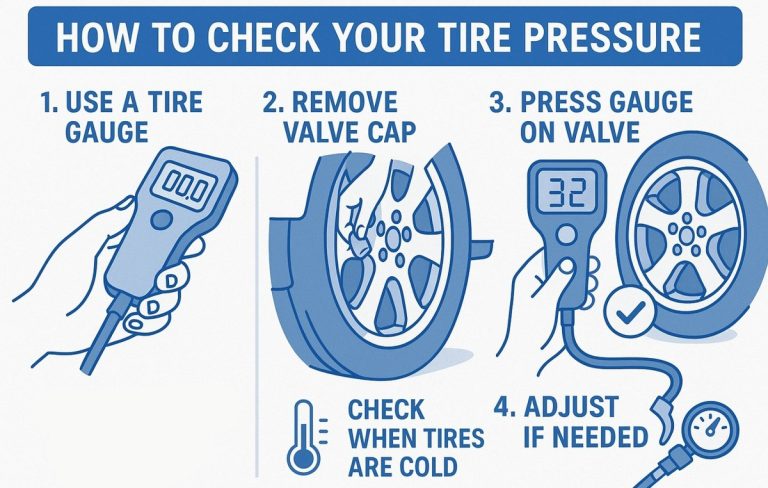
Your door-jamb placard lists the cold tire pressure for your exact vehicle. “Cold” means the car has been parked for at least three hours, or you have driven less than one mile. Pressure rises as tires heat up from driving. If you check pressure after a long drive, the reading will be higher than the placard number. That is normal. Always set pressure when the tire is cold, and check it before driving. For more detail on timing, see how long you should wait to check tire pressure after driving.
How Fast Is “Slow”? Measuring PSI Loss Per Week
A slow leak usually loses 1 to 3 PSI per week. You might not notice it until the TPMS light comes on. To measure the rate, check pressure at the same time each week with the tires cold, and write down the readings. A consistent drop of 2 PSI or more per week means you have a leak that needs attention. A drop that appears only in cold weather may just be normal air contraction.
Gauge Accuracy: Why a $10 Gauge Can Mislead You
Some inexpensive pencil gauges can be off by several PSI, which is enough to make a slow leak look fine. A digital gauge or a quality dial gauge is usually more consistent. Use the same gauge every time so your readings are comparable. If your gauge and the display on a gas station air pump disagree, trust the gauge you know, or test both against a known good gauge.
Portable Inflators: Power Limits, Duty Cycle, and Battery Caution
12V Inflator Duty Cycle and System Voltage
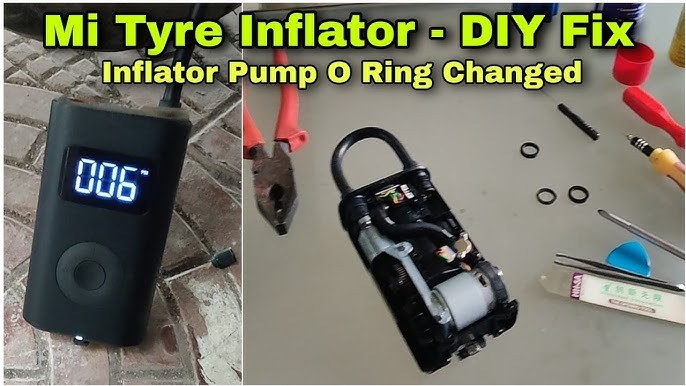
Most 12V portable inflators are not meant to run continuously. They have a duty cycle, often a few minutes on and then a cool-down period. If you run one too long, it can overheat or blow a fuse. Topping off a tire from 20 PSI to 32 PSI can take several minutes, so run the inflator in short bursts and let it cool. The inflator also draws power from your vehicle’s 12V system, so keep the engine running or follow the manufacturer’s instructions to avoid draining the battery.
Battery-Powered Inflators: State of Charge vs. Battery Health
Battery-powered inflators are convenient, but their performance depends on the battery’s state of charge. A fully charged inflator can top off a tire quickly; a half-charged one may stop before reaching the target pressure. Battery health also matters. If the pack is old, it may hold less charge and deliver less airflow. Charge the inflator before you need it, and check it every few months. A portable jump starter with an inflator built in can serve double duty, but only if it is maintained.
Hybrid and EV Cautions: Where the 12V Battery Lives
Hybrids and EVs still use a 12V battery for accessories and the TPMS system, but the location varies. Some are under the hood, some are in the trunk, and some are under a rear seat. If you use a 12V inflator, know where your 12V battery is and whether the accessory socket stays powered when the car is off. In many EVs, the 12V battery is charged by the high-voltage system, so you may need to be in “ready” mode for the accessory socket to work. Check your owner’s manual before relying on a 12V inflator.
TPMS Warnings: What the Light Really Tells You
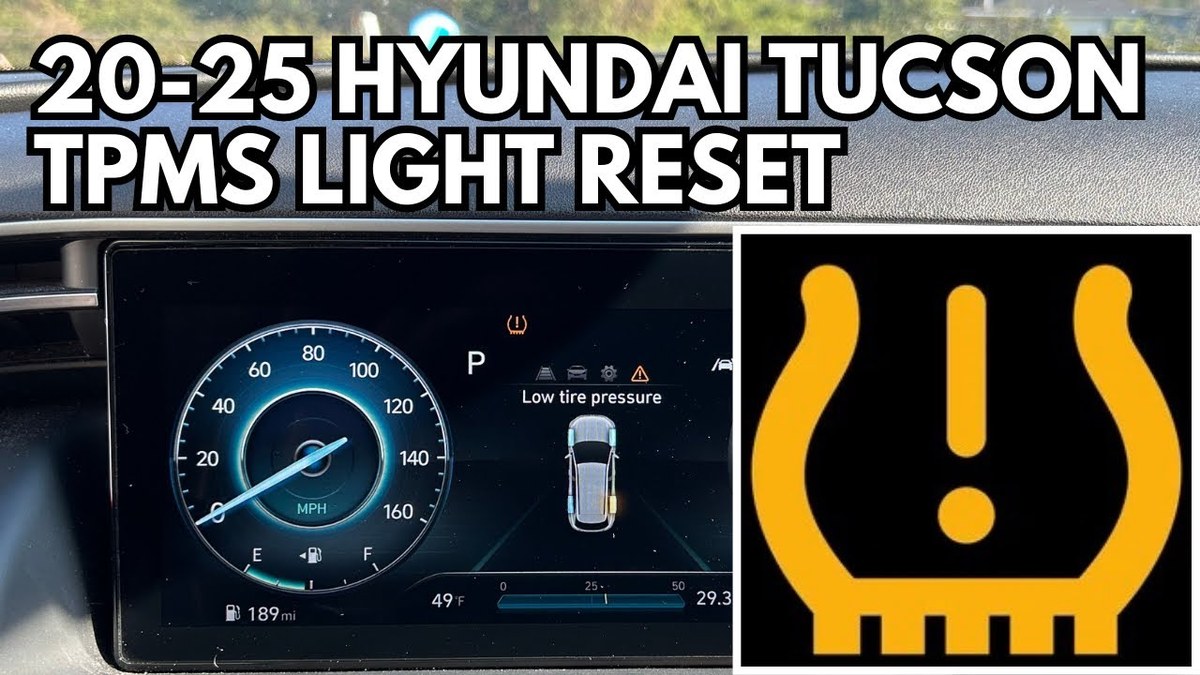
TPMS Thresholds and Model-Year Coverage
The TPMS light usually comes on when a tire drops about 25% below the recommended cold pressure. For a tire rated at 32 PSI, that is roughly 24 PSI. The system has been required on passenger vehicles sold in the US since the 2008 model year. The light warns you that pressure is low, but it does not tell you which tire or how fast the leak is. You still need a gauge to measure each tire.
OBD2 TPMS Tools: Port Location, Ignition Mode, and Live-Data Limits
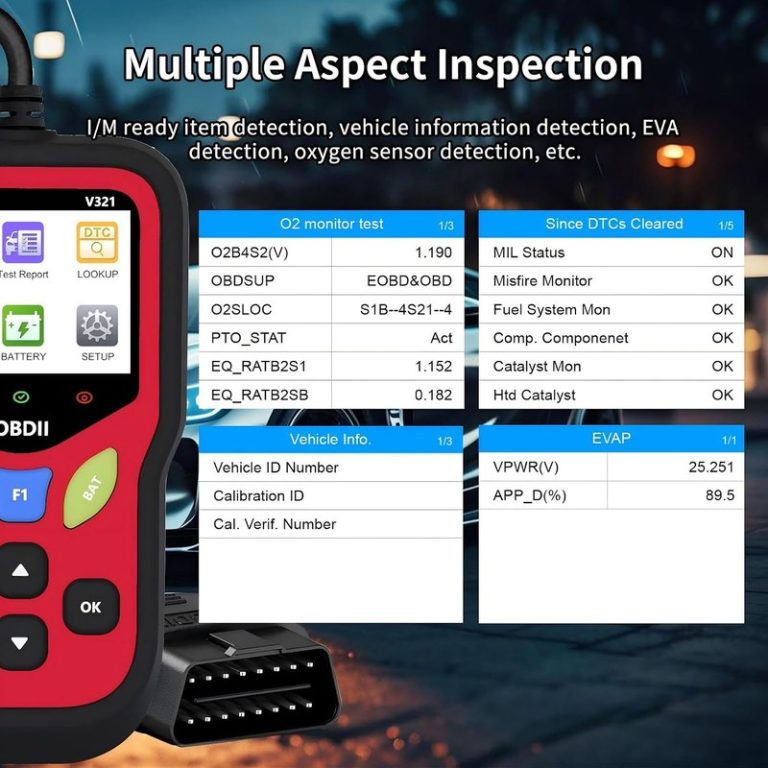
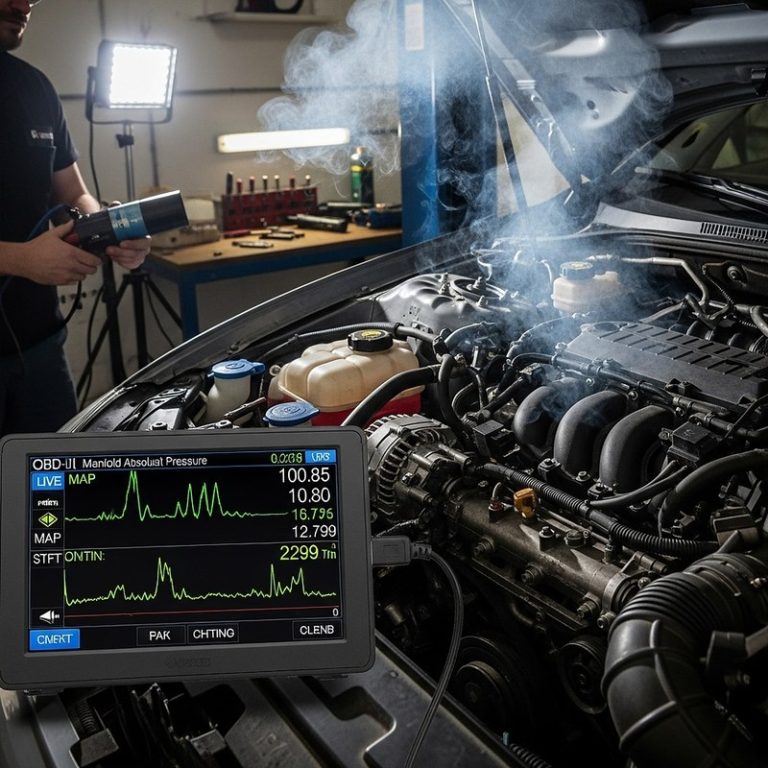
Some TPMS tools plug into the OBD2 port and read sensor data such as pressure and battery status. The OBD2 port is usually under the dashboard on the driver’s side. The tool may require the ignition in the “on” position, but not the engine running. Live data can show each sensor’s pressure, but the tool cannot fix a physical leak. It can only help you confirm which sensor is low or failing. OBD2 TPMS tools vary by vehicle protocol and model year, so check compatibility before buying.
TPMS Relearn Limits, Reset Limitations, and App Permissions
After a tire rotation or sensor replacement, the system may need a relearn procedure. Some vehicles relearn automatically; others require a TPMS reset tool or a specific button sequence. A basic OBD2 scanner can clear a check engine light but may not perform a TPMS relearn. App-based tools may require account creation, Bluetooth permissions, and firmware updates. Read the app permissions carefully if you are concerned about data sharing.
When the TPMS Light Is Wrong: Firmware, Sensor Age, and Professional Diagnosis
The TPMS light can stay on after you fill the tires. That is often normal for a short drive while the system rechecks pressure. But a sensor with a dead battery, a faulty module, or old firmware can give false readings. Sensor batteries typically last 5 to 10 years. If the light stays on and all tires are correctly filled, have the system checked professionally. This issue is common enough that we have a full guide on why the tire pressure light comes on when tires are fine.
Puncture Location and Repair Limits: What’s Legal and Safe
Repairable Zones: Where a Patch Is Allowed
A tire can usually be repaired only if the puncture is in the tread area, away from the sidewall and shoulder. Industry guidance generally allows repairs in the center tread area when the puncture is smaller than about 1/4 inch. Sidewall punctures are not repairable because the sidewall flexes and a patch cannot hold. If the puncture is in the shoulder or sidewall, the tire must be replaced.
Temporary Repair Limits: Plug Kits vs. Sealants vs. Professional Patch
A plug kit can get you to a shop, but it is a temporary fix. A plug seals the hole from the outside but does not protect the inner liner. A sealant can inflate and seal a small leak, but it can also coat the TPMS sensor and make a professional repair harder. The only durable fix is a proper patch from the inside, applied by a tire professional. If you use a plug or sealant, drive slowly and get a professional repair or replacement as soon as possible. For more on the limits of plugs, see whether you can plug a tire twice in the same spot.
Professional Repair Thresholds and State-by-State Legal Variation
Professional tire repair standards vary by state and by shop policy. Some states have specific requirements for commercial vehicles, while passenger vehicle repair is guided by industry standards from organizations like the Tire Industry Association. A shop may refuse to repair a tire that is too worn, has been driven flat, or has multiple punctures. Always ask the shop about its repair policy and warranty before work begins.
If It Goes Flat on the Road: Emergency Steps and Tool Readiness
Safe Location and Traffic Visibility
If the tire goes flat while you are driving, do not slam on the brakes. Ease off the accelerator, keep a firm grip on the wheel, and slow down gradually. Pull as far off the road as possible, onto level ground. Turn on your hazard lights. If it is dark or visibility is poor, use flares or reflective triangles if you have them. Keep yourself out of traffic and call for help if you are not comfortable changing the tire.
Emergency Tool Kit: Storage Conditions, Cable Condition, and Current Limits
Your emergency kit should include a working spare or a portable inflator, a tire plug kit, a gauge, and a flashlight. Store these items where temperature will not damage them. Check the spare tire’s pressure every few months. If you have a portable jump starter, check its charge level and inspect the cables for cracks or corrosion. A damaged cable can fail when you need it most. Know the current limits of your inflator and jump starter so you do not overload them.
Post-Use Inspection Before You Drive Again
After you inflate a slow leak or use a plug kit, inspect the tire before you drive. Look for bulges, cuts, or nails. Recheck the pressure after a few miles. If the tire loses pressure again quickly, do not keep topping it off. The tire needs professional attention or replacement. Also inspect your tools after use. Clean them, recharge them, and return them to the kit so they are ready for the next emergency.
Repair vs. Replace: Ownership Cost and Your Next Steps
Cost of a Professional Repair vs. a New Tire
A professional patch repair is usually far cheaper than a new tire. The exact price varies by shop and region, but a repair is typically a small fraction of the cost of a replacement tire. If the tire is repairable, that is the smart financial choice. If the tire is worn, damaged, or has been driven flat, replacement is the only safe option. Ask the shop for a written estimate and warranty before authorizing work.
When Replacement Is the Only Safe Option
Replace the tire if the sidewall is damaged, the tread is worn down to 2/32 inch or less, the puncture is in the shoulder or sidewall, or the tire was driven flat for any real distance. A tire that has been driven flat often has internal damage that is not visible from the outside. If you are unsure, have a professional inspect it. The cost of a new tire is far less than the cost of a crash.
Your Next Steps After the Fix: Relearn, Recheck, and Routine Pressure Checks
After a professional repair, the shop should reinstall the tire, balance it, and reinstall the TPMS sensor. If the sensor was removed, the system may need a relearn. Check the pressure again after a day or two to confirm the repair held. Then make monthly pressure checks part of your routine. Catch a slow leak early, and you will save money and stay safe. If you have a nail or screw in the tire, see how long you can drive with a nail in your tire before deciding your next move.
- Best for: Drivers who catch a slow leak early, top off the tire, and drive only a few miles to a shop for a professional repair.
- Think twice if: The tire is visibly flat, the sidewall is damaged, or you have already driven a long distance on low pressure.
- Next step: Check your cold tire pressure with a reliable gauge, find the leak rate, and schedule a professional inspection before you drive far.
Frequently Asked Questions
Only a few miles, and only in an emergency to reach a safe location or a nearby shop. Fill the tire first if you can, drive slowly, and avoid highways.
It can be acceptable if the tire still has enough air to support the vehicle and you drive slowly on surface streets. If the tire is visibly flat or thumping, do not drive it; call for help or use a spare.
Check cold tire pressure weekly with the same reliable gauge. A consistent loss of 1 to 3 PSI per week usually means a slow leak. The TPMS light may also come on when pressure drops about 25% below the recommended level.
No. A plug kit is a temporary fix to get you to a shop. A professional patch from the inside is the only durable repair for a repairable puncture.
The system may need a short drive to recheck pressure, or it may need a relearn procedure. If the light stays on with correct pressures, a sensor may be failing or the system may need professional diagnosis.
A professional patch repair is typically much less than a new tire, but prices vary by shop and region. Replacement is required if the puncture is in the sidewall, the tire is worn, or it was driven flat.