Can You Plug a Tire Twice in the Same Spot? Safety Risks
No, you should not plug a tire twice in the same spot. A second plug can hide serious internal damage and lead to a blowout, so have the tire inspected or replaced instead.
If you’re asking can you plug a tire twice in the same spot, the short answer is no. A second plug in the same puncture is not a safe repair, and driving on one puts you at risk for a blowout.
- Safety risk: A second plug enlarges the puncture and can damage steel belts, raising the risk.
- Industry limits: Repairable punctures must be small, round, and inthe tread crown; a second plug pushes.
- Right repair: A professional patch-plug from inside is the only durable repair; a roadside plug is.
- TPMS check: After any repair, verify cold pressure against the door-jamb placard and handle relearn steps.
- Best decision: If the first plug failed, replacement is usually safer than attempting another repair.
The Short Answer: Can You Plug a Tire Twice in the Same Spot?
Why a Second Plug Is Never a Safe Bet
A plug is designed to seal a single, clean puncture. Once you remove the old plug or push a second one through, you enlarge the hole and disturb the steel belts. The rubber compound may not bond to the damaged inner liner, so air can travel around the repair.
What to Do Instead of Plugging Again
If your plugged tire is losing air, pull over safely and check pressure. Do not add another plug. Instead, have the tire dismounted and inspected. A professional patch-plug from inside is the only durable repair for a repairable puncture. For a full comparison, see our guide on tire plug vs patch, which is safer.
The Danger Zone: How a Second Plug Compromises Tire Integrity

Structural Damage and Heat Build-Up
Every time you push a plug through a puncture, you scrape and compress the inner liner. A second plug makes the hole larger and can break the steel belts that give the tire strength. Damaged belts allow flexing, which builds heat. Heat breaks down rubber and can cause sudden failure.
The Risk of Blowouts at Highway Speed
At highway speed, a tire rotates hundreds of times per minute. Heat builds quickly in a damaged area. A second plug may hold for a few miles, but it can blow out without warning. That can lead to a crash, injury, or worse. No convenience is worth that risk.
Industry Repair Standards: What Tire Manufacturers and RMA Allow
Puncture Size and Location Limits
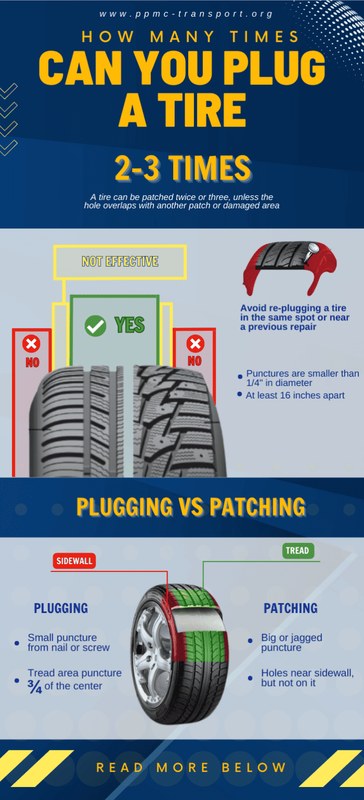
Industry guidelines, including those from the Rubber Manufacturers Association(RMA, generally allow repairs only for punctures inthe tread crown area. The puncture should be no larger than about 1/4 inch(6 mm,and there must be no damage to the sidewall or shoulder. A second plug makes the puncture larger and moves it outside those limits. Sidewall punctures are never safe to plug; learn more about why a tire plug kit cannot fix a sidewall puncture.
Temporary vs. Professional Repair: The Patch-Plug Difference
A string plug is inserted from outside without removing the tire. It seals many punctures, but it does not let you see internal damage. A patch-plug repair requires removing the tire, cleaning the inner liner,and applying a combined patch and stem from inside. That restores some structural strength. Industry groups and most tire makers recommend the patch-plug method for a permanent repair.
When a Second Repair Might Be Possible(But Not with a Plug)
The Professional Patch-Plug Exception
If a tire professional removes the tire and finds that the original puncture is still clean, round, and within repairable limits, they may be able to perform a proper patch-plug repair. That is not a second plug. It is a full inside repair that follows manufacturer guidelines. Even then, many shops will refuse if the tire has already been plugged once.
Why the First Plug Failed Matters
A plug can fail because it was installed wrong, because the puncture was too large, or because the tire was driven underinflated. If the tire was driven low, internal damage may already be present. A second plug would not fix that damage. In most cases, a failed plug means the tire should be replaced.
How to Inspect a Tire with an Existing Plug( A Step-by-Step Troubleshooting Guide)
Step 1: Check the Tire from the Inside
You cannot see inner-liner damage from outside. Have the tire demounted and inspected by a professional. They can see whether the plug has rubbed, whether cords are exposed,and whether there is dirt or moisture inside. If any damage is present, replacement is safer.
Step 2: Measure the Puncture and Look for Enlargement
A repairable puncture is small and round. A second plug can stretch the hole into an oval or crack. If the puncture is larger than about 1/4 inch, or if it has tears, it is outside repairable limits. A tire professional should measure and document this before deciding.
Step 3: Verify the Puncture Location against Repairable Zones
Only the tread crown, the center portion of the tire, is repairable. Punctures inthe shoulder or sidewall are not. If the original puncture sits near the edge of the repairable zone, a second plug pushes it out of bounds. When in doubt, replace the tire.
Step 4: Consult TPMS and Pressure Readings
If your tire has a TPMS sensor,thewarning light may come on when pressure drops. After any repair, check cold tire pressure against the vehicle’s placard. If the light stays on after filling, there may be a slow leak, a sensor issue, or a relearn problem. Read more about why the tire pressure light comes on when tires are fine.
TPMS and Tire Pressure: What to Know After a Repair
Door-Jamb Placard and Cold Pressure Basics
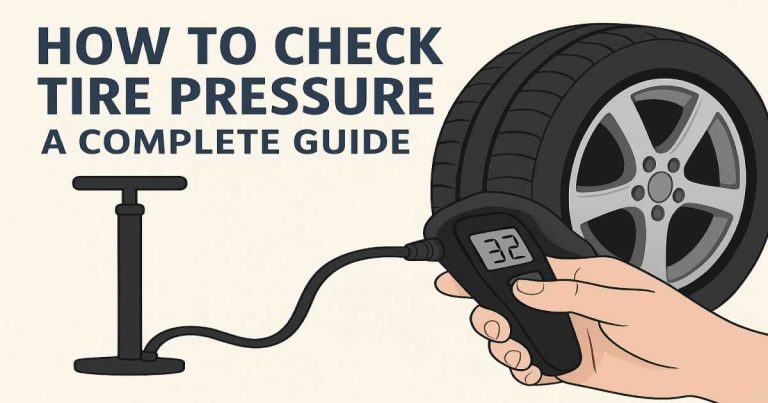
The correct pressure for your vehicle is printed on the door-jamb placard, not on the tire sidewall. Check pressure when tires are cold, meaning the car has not been driven enough to heat the tires. Use a quality gauge and compare the reading to the placard.
Gauge Accuracy and Inflator Duty Cycle
A digital gauge can be easier to read, but any gauge can drift over time. If you use a portable inflator, let it rest between tires so it does not overheat. An overheated inflator can give inaccurate readings or shut off. Check your gauge against a known good unit if you are unsure.
TPMS Relearn Limitsand Sensor Compatibility
After a tire repair, theTPMS sensor may need to be reset or relearned if the wheel position changed. Some vehicles require a special tool or a drive cycle. If the light blinks or stays solid, consult your owner’s manual. Not every scanner can perform TPMS relearn; see our guide on TPMS relearn vs reset.
Roadside Plugging: When to Do It Yourselfand When to Call a Pro
Safe Locationand Traffic Visibility First
If you have a slow leak and no choice, pull completely off the road onto level ground. Turn on hazard lights, set the parking brake,and place flares or reflective triangles behind your vehicle. Never work on the traffic side. If you cannot do this safely, call for roadside assistance.
Tool Completenessand Storage Conditions
A plug kit only works if the tools and plugs are clean, dry,and within their shelf life. Rubber plugs can dry out or crack. Check the kit before you need it. A basic roadside emergency kit should include a plug kit, a pressure gauge,and a way to refill the tire. See what should be in a roadside emergency kit for a full list.
Temporary Repair Limitsand Post-Use Inspection
A roadside plug is temporary. It can get you to a shop, but it is not a permanent fix. After using one, drive gently, keep speed moderate,and check pressure at every stop. Have the tire inspected from inside as soon as possible.
- Confirm the puncture is inthe tread crown and smaller than about 1/4 inch before plugging.
- Follow the plug kit instructions exactly and clean the hole properly.
- Check pressure with a gauge after plugging and before driving.
- Plug a sidewall, shoulder, or already-repaired puncture.
- Rely on a roadside plug as a permanent repair or drive long distances without inspection.
The Cost of Plugging Twice vs. Replacing the Tire
Ownership Costand Safety Value
A plug kit is cheap, but a failed tire can cost far more than a replacement. Replacing a damaged tire costs more upfront, but it restores full structural integrity. If a second plug fails on the highway, tow costs, medical bills,and lost time dwarf the price of a tire.
How to Decide: Next Steps for Your Tire
Start with a professional inside inspection. Ask them to measure the puncture, check the inner liner,and confirm whether the tire falls within repairable limits. If they say replace, do it. If they say a patch-plug is possible, make sure they know the original puncture was already plugged once.
Final Verdict from Jake Miller
- Best for: Replacing a tire that has already been plugged once and is leaking again.
- Think twice if: You are tempted to save money with a second plug, because the safety risk is simply too high.
- Next step: Have the tire inspected from inside by a professional, and replace it if they recommend doing so.
Frequently Asked Questions
No. A second plug in the same puncture enlarges the hole, damages the inner liner,and can hide serious internal damage. Driving on a tire plugged twice in the same spot risks a blowout, so replacement or a professional inside repair is the safer choice.
A roadside plug is temporary, not a permanent fix. Drive gently to a tire shop and have the tire inspected from inside as soon as possible. If the plug fails or pressure drops, stop driving and call for help.
A string plug is inserted from outside without removing the tire. A patch-plug requires removing the tire, cleaning the inner liner,and applying a combined patch and stem from inside. Industry guidelines recommend the patch-plug method for a permanent repair.
No. Sidewall and shoulder punctures are outside repairable limitsbecause they affect the tire’s structural strength. A plug kit cannot fix a sidewall puncture safely, so the tire should be replaced.
The light can stay on because the tire pressure is low, because the sensor was damaged, or because the system needs a relearn. Check cold pressure against the door-jamb placard first. If pressure is fine, consult your owner’s manual for relearn steps.
Costs vary by tire size, brand, shop,and region. A professional patch-plug repair usually costs less than a new tire, but a tire that has already been plugged once often needs replacement. A new tire costs more upfront but restores full structural integrity.