Can an OBD2 Scanner Read Airbag Codes? Only with SRS Support
An OBD2 scanner can save you a trip to the shop by reading airbag codes, but only if it includes dedicated SRS (Supplemental Restraint System) support—a standard generic scanner will only access engine and emissions codes, leaving you blind to airbag faults and unable to reset the airbag light.
If you’ve ever plugged a basic code reader into your car, you may have asked yourself: can an OBD2 scanner read airbag codes? The short answer is yes—but only when the scanner includes SRS support. A standard OBD2 scanner talks to the engine and emissions systems through the same diagnostic port under your dash, but airbag codes live in a separate control module that many entry-level scanners never contact. That’s why you can get a clean “no codes” result while the airbag light stays on.
The good news is that you don’t need a dealer-level tool just to read airbag codes. You need a scanner that goes beyond generic OBD2 and supports the Supplemental Restraint System (SRS) on your make and model. Here’s how airbag codes work, why ordinary scanners miss them, what an SRS-capable scanner can tell you, and where the safe limit is for DIY work.
- SRS Support: Only OBD2 scanners with dedicated SRS (Supplemental Restraint System) software can read airbag codes.
- Safety First: Airbag codes involve live safety systems—resetting them without proper diagnosis can disable airbags or.
- Cost Factor: SRS-capable scanners cost significantly more than basic OBD2 readers, often ranging from $100–$500+, with.
- Functional Limits: Even with SRS support, most scanners can only read and clear stored codes; they.
- DIY Caution: Clearing an airbag code without fixing the underlying fault will cause the warning light.
The Short Answer: It Depends on the Scanner
The OBD2 port is the same, but the software behind it is not. Generic OBD2 scanners are built around emissions-related powertrain data. They read diagnostic trouble codes (DTCs) from the engine control module—codes that start with P, like P0301 for a misfire. Airbag codes are stored in the airbag control module, sometimes called the SRS module or restraint control module. Those codes usually start with B (body) or C (chassis), and they are not part of the basic OBD2 emissions standard.
To reach them, a scanner must include enhanced or manufacturer-specific SRS coverage. That capability is the main difference between a basic code reader and an SRS-capable scan tool.
| Option | Best for | Owner consideration | Driver consideration |
|---|---|---|---|
| Standard OBD2 code reader | Engine and emissions code reading on any OBD2 vehicle | Lower upfront cost; no SRS coverage | Will not show why the airbag light is on |
| SRS-capable scan tool | Reading and clearing airbag, ABS, and restraint codes | Higher cost; coverage varies by make and model | Can confirm an SRS fault before heading to a shop |
| Professional or bidirectional tool | Advanced SRS diagnostics, actuation tests, and module work | Highest cost; often requires training and updates | Best reserved for shops or experienced DIYers |
What Are Airbag Codes and Why Do They Matter?
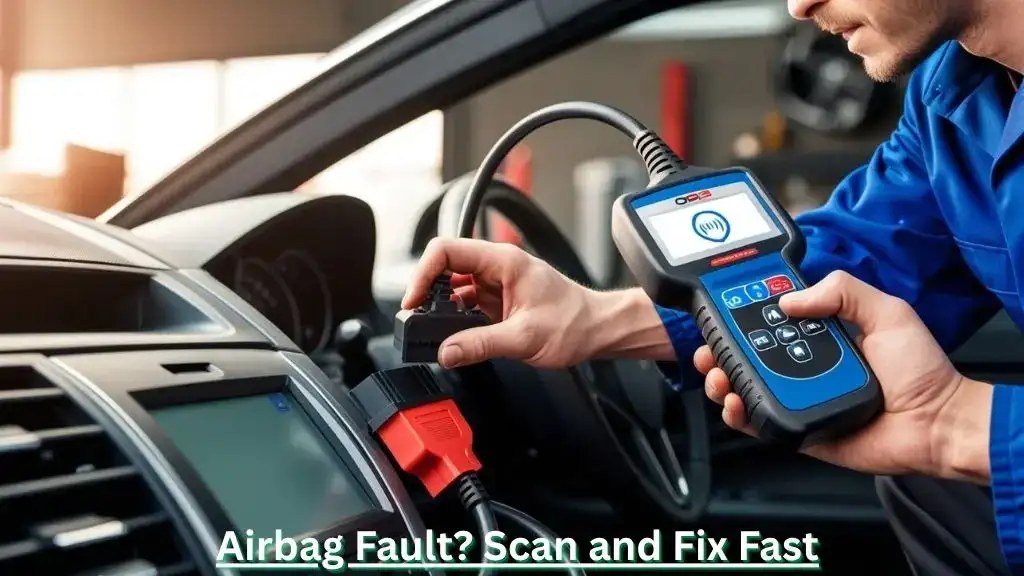
The Supplemental Restraint System includes the airbags, seat belt pretensioners, impact sensors, the clock spring in the steering column, and the wiring that connects them. The SRS control module runs self-checks every time you start the car. When it detects a fault in any of these circuits, it stores a diagnostic trouble code and turns on the airbag warning light on your dash.
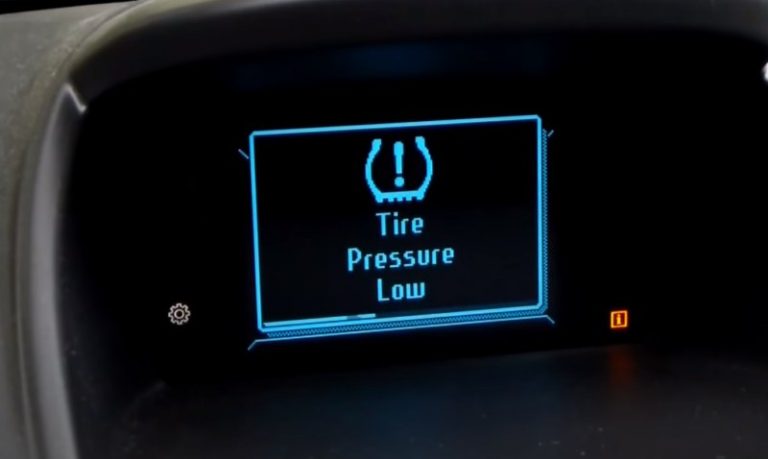
When that light stays on, the system has detected a problem. It can mean an airbag may not deploy in a crash, or in rare cases, that a component could act unexpectedly. Either way, it’s a safety issue that deserves attention, not a warning to ignore until the next oil change.
Why Standard OBD2 Scanners Miss Airbag Codes
OBD2 was designed primarily for emissions-related diagnostics. The generic modes defined by the SAE J1978 and ISO 15031 standards focus on powertrain data. Airbag systems are not part of that emissions picture, so a scanner that only speaks generic OBD2 never asks the SRS module for its codes.
This is also why a scanner can report “no codes” while a warning light stays on. The tool is working correctly—it just isn’t looking at the right module. If you’ve run into that situation with the check engine light, the same logic applies to airbag lights: the code is there, but the scanner has to be able to talk to the module that stores it. That’s one of the clearest examples of why a scanner can report no codes while a warning light stays on.
It also explains why cheap and expensive OBD2 scanners differ so much in capability. The hardware may look similar, but the software coverage is what unlocks SRS, ABS, and other body systems. A $25 reader and a $200 scan tool can share the same connector and still be completely different tools where airbags are concerned.
What Kind of Scanner Can Read Airbag Codes?
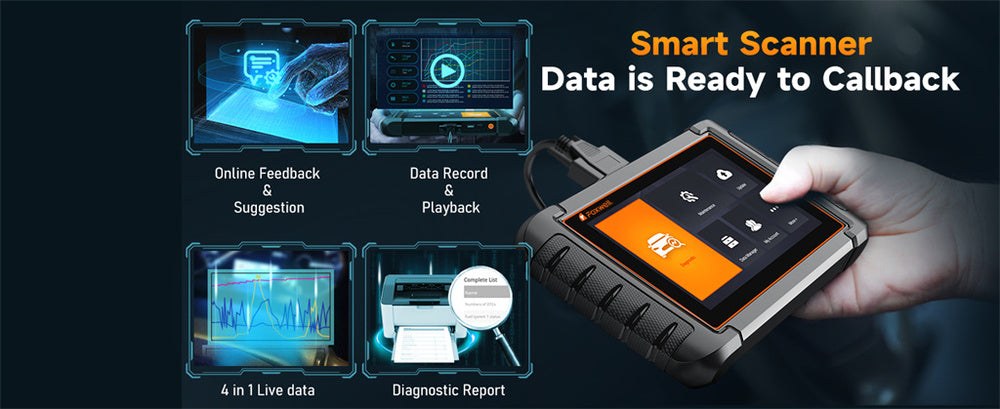
You need a scanner with enhanced diagnostics and explicit SRS support for your vehicle. Many scan tools advertise “ABS + SRS” or “Airbag” coverage. Some also offer make-specific coverage, meaning a scanner that reads SRS codes on a Toyota may not read them on a Ford. Always check the model coverage list before buying.
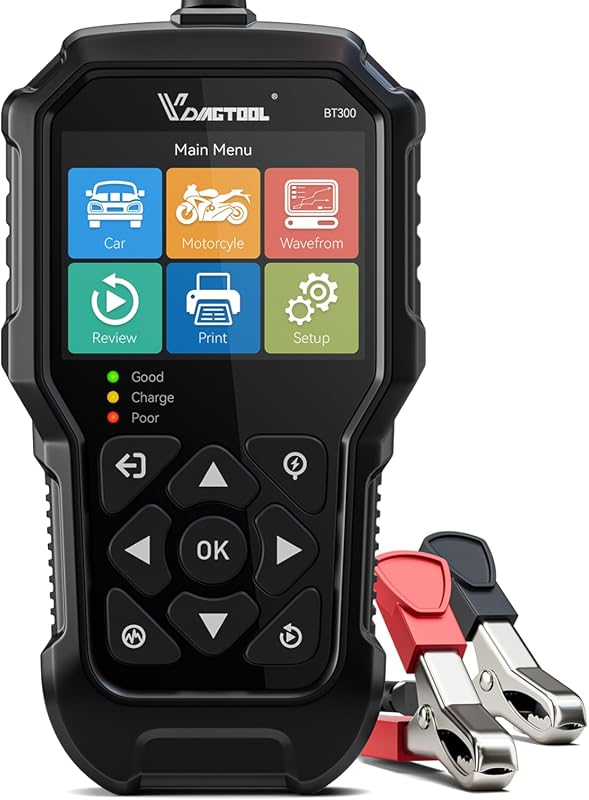
If you’re looking for an affordable option, there are budget-friendly OBD2 scanners with ABS and SRS support that can read airbag codes without a professional price tag. Just keep in mind that “budget-friendly” still means more capability than a basic code reader, and coverage will vary by vehicle.
Check: Verify that the scanner lists SRS coverage for your exact make, model, and model year. Confirm the connector type, voltage requirements, and whether the tool needs a subscription or firmware update. Limitations: SRS coverage is not universal; a scanner that works on one manufacturer’s vehicles may not support another’s airbag module.
What Airbag Codes Actually Tell You
An SRS code identifies the circuit or component where the module detected a fault. Common examples include clock spring circuit faults, driver or passenger seat belt pretensioner issues, side-impact sensor problems, and passenger occupant classification system faults. The exact code definitions come from the vehicle manufacturer, so the same code number can mean different things on different brands.
Keep in mind that a code does not always mean the airbag itself is bad. Wiring, connectors, and corrosion cause a large share of SRS faults. A code gives you a direction, but verifying the actual cause usually requires a wiring diagram, a multimeter, and careful testing. Some SRS-capable scanners also display live data from the airbag module, which can help you watch a sensor or switch change state while you test the circuit.
It’s also worth understanding the difference between a stored code and a current fault. A stored code may be from an old issue that was never cleared, while a current fault means the module is still detecting the problem. That distinction matters because it affects whether you should start troubleshooting or simply clear the code and watch for it to return.
Clearing Airbag Codes Is Different
Clearing an airbag code is not like clearing a check engine light. Many SRS modules will not erase a code until the underlying fault is repaired. If you clear the code and the fault is still present, the light will come back, often immediately or after the next self-check.
Some SRS modules also store crash-related data that requires special procedures or tools to reset. That means a generic “clear codes” button won’t always work on an airbag system. If you’re using a budget scanner, it helps to understand how code clearing works on a popular budget scanner before you rely on it for SRS work. And if a code keeps returning after you clear it, the fault is still active—clearing it again won’t fix anything.
Airbag Diagnostics Are Safety-Sensitive Work
For most drivers, the right move is to read the code, understand the fault, and then decide whether the repair is within your skill level. Replacing a seat belt buckle or a clock spring can be straightforward on some vehicles, but it can also require removing the steering wheel or working near the airbag module. When in doubt, a professional shop with SRS training is the safer choice.
Choosing an SRS-Capable Scanner
Before you buy, look for a tool that lists SRS coverage for your specific vehicle. Check whether the scanner reads live data from the airbag module, whether it can clear SRS codes, and whether the manufacturer provides firmware updates. Also consider whether the tool is a standalone handheld unit or an app-based scanner that uses your phone. Handheld units are often simpler to use in a driveway, while app-based scanners can offer more detailed data but depend on your phone’s Bluetooth connection and battery life.
- Best for: Drivers who want to read airbag codes themselves and confirm an SRS fault before visiting a shop.
- Think twice if: You only need engine codes, or you are not prepared to follow vehicle-specific SRS repair procedures safely.
- Next step: Check your vehicle’s SRS coverage on a scanner’s compatibility list, and run a VIN recall check before any airbag repair.
Frequently Asked Questions
No, a standard OBD2 scanner only reads engine and emissions codes. To access airbag (SRS) codes, you need a scanner with explicit SRS support and the correct vehicle-specific software.
Plug the scanner into the OBD2 port under the dash, turn the ignition to the “On” position without starting the engine, and select the SRS or Airbag menu. Follow the on-screen prompts and never disconnect the scanner while it’s actively communicating with the module.
Many SRS-capable scanners can both read and clear airbag codes, but they will only clear the light if the underlying fault is fixed. If the airbag system has an active fault, the light will immediately return after clearing.
Yes, keep the engine off but the ignition on, and avoid unplugging the scanner while it’s writing data to avoid corrupting the SRS module. Also, never probe airbag wiring directly with a multimeter or test light, as this can accidentally deploy the airbag.
If your scanner shows codes you don’t understand, or if clearing the codes doesn’t turn off the light after a repair, it’s time for a professional. Airbag systems are safety-critical, and a dealer or specialized shop has advanced tools and training to diagnose intermittent or crash-related faults safely.
Most reputable Bluetooth scanners are safe, but they transmit data over unencrypted connections, so use a trusted brand and avoid leaving the app logged in on public networks. Also, be aware that some cheap apps upload your VIN and fault data to third-party servers, so check the privacy policy before pairing.


3 Comments