Why Is My TPMS Light Still on After Filling the Tires
Your TPMS light can stay on after filling the tires because the system needs time to recheck pressure, the gauge was inaccurate, there’s a slow leak, a sensor battery is dead, or the system needs a relearn. Check the door-jamb placard, verify with a second gauge, and drive for a few minutes before assuming a bigger problem.
If you’re staring at your dashboard and wondering why is my TPMS light still on after filling the tires, you’re not alone. This is one of the most common tire-pressure questions drivers ask, and the answer usually comes down to a short list of causes — some simple, some mechanical.
- Verify pressure: Use the door-jamb placard and a second, accurate gauge.
- Drive first: Most systems need a few minutes of driving to recheck pressure.
- Blinking means fault: A flashing TPMS light signals a system malfunction, not low air.
- Relearn matters: Recent tire rotation or replacement may require a TPMS relearn.
- Know the limits: Dead sensor batteries and sidewall damage need professional repair.
The Short Answer: Why Your TPMS Light Stays On After Filling the Tires
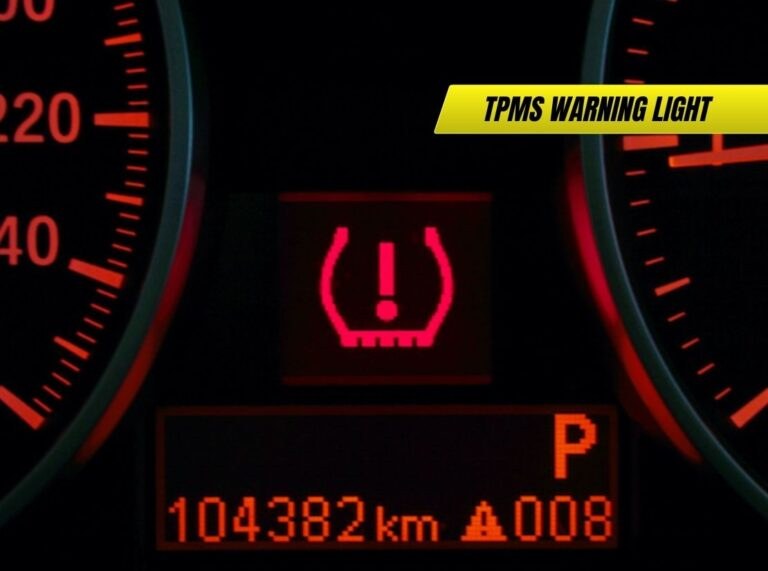
The TPMS light can stay on because the system hasn’t rechecked the pressure yet, you filled to the wrong number, the gauge was inaccurate, there’s a slow leak or damaged sensor, or the system needs a relearn. A blinking light, on the other hand, points to a system fault rather than low pressure.
Give the System Time to Recheck Pressure
Most TPMS sensors don’t send a continuous signal. They wake up when the vehicle is moving, usually above a certain speed, and transmit updated readings. If you filled the tires and immediately checked the dash, the system may not have received the new data yet.
Drive for five to ten minutes at normal road speed, then look again. Many vehicles turn the light off on their own once the sensors report acceptable pressure. Others need a manual reset or relearn procedure before the light clears.
You Filled to the Wrong Pressure or Used a Faulty Gauge
The gauge on a gas station inflator can be off by several psi. If it reads 32 psi but the tire actually has 28 psi, the light will stay on. Use a separate, known-accurate gauge to verify every tire, including the spare if your vehicle has one.
Also check pressure when the tires are cold. A tire that reads correct pressure when hot will read lower once it cools down, and that drop can be enough to keep the warning light active.
A Blinking Light Means Something Different
A TPMS light that blinks for about 60 to 90 seconds before staying solid is not telling you the tires are low. That pattern signals a system malfunction, such as a failed sensor, a sensor with a dead battery, or a fault in the TPMS module. Adding air won’t fix that.
Check the Door-Jamb Placard, Not the Sidewall
Many drivers fill to the wrong number because they don’t know where to look. The correct pressure for your vehicle is printed on a placard, usually on the driver’s door jamb, inside the fuel door, or in the glovebox. That number comes from the vehicle manufacturer, not the tire maker.
Cold Pressure Is the Only Number That Matters
Cold pressure means the car has been sitting for at least three hours, or you’ve driven less than a mile at low speed. Checking after a long drive gives you a higher reading that doesn’t match the placard. If you’re unsure about timing, our guide on how long to wait to check tire pressure after driving explains the details.
The Sidewall Rating Is a Maximum, Not a Target
The large number on the tire sidewall, such as “44 PSI MAX,” is the maximum cold pressure the tire is designed to hold. It is not the recommended pressure for your car. Filling to the sidewall maximum can make the ride harsh, cause uneven wear in the center of the tread, and still leave the TPMS light on if the vehicle spec is different.
Always use the door-jamb placard as your target. If the light stays on after filling to that number, the problem is elsewhere.
Your Gauge or Inflator Might Be the Real Problem
Sometimes the tire is fine and the tool is wrong. A faulty gauge or an inflator that can’t deliver enough air will leave you under the target pressure even when the display says otherwise.
Digital vs. Analog Gauges: Accuracy and Cost
Basic pencil-style analog gauges are cheap and convenient, but they can drift out of calibration. A gauge that reads high will make you stop filling too early, leaving the tire below the placard pressure. A gauge that reads low can lead to overinflation.
Digital gauges are generally more consistent, but they still need fresh batteries and occasional accuracy checks. If your inflator has a built-in gauge, don’t assume it’s exact. Compare it against a second gauge before trusting it.
Inflator Duty Cycle: Why Overheating Leads to Low Pressure
Portable inflators have limits. Many units have a duty cycle of a few minutes of continuous running before they need to cool down. If the unit overheats, it can shut off early or lose output, so the tire never reaches the pressure shown on the display.
If your inflator stops before reaching the set pressure or feels hot to the touch, let it cool and try again. An overheated inflator can also read pressure inaccurately. Our article on why your tire inflator gets hot covers the common causes and what to do about them.
The Tire Has a Slow Leak, Puncture, or Damaged Valve
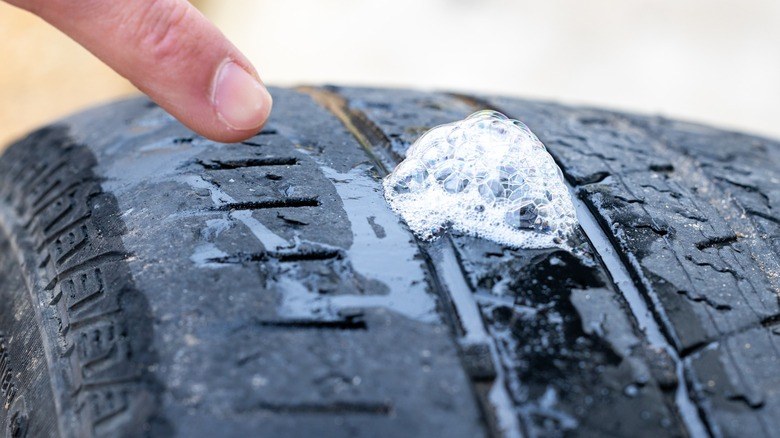
A tire can lose enough air overnight to trigger the TPMS light even if it looks fine. Slow leaks are easy to miss, but they’re also one of the most common reasons the light stays on after you add air.
How to Locate a Slow Leak
Start with a visual inspection. Look for nails, screws, or cuts in the tread. Check the valve stem for cracks and make sure the dust cap is snug. Then mix a small amount of dish soap with water in a spray bottle and coat the valve stem, the edge of the bead, and the tread. Bubbles forming in one spot point to the leak.
If you can’t find the leak, a shop can remove the tire and submerge it in water to pinpoint the problem.
Tread vs. Sidewall Puncture: Repair Limits
Not every puncture can be repaired. Industry guidelines generally say a puncture in the tread area is repairable if it’s smaller than about 1/4 inch (6 mm) and located away from the sidewall. Punctures in the sidewall, or damage from driving on a flat tire, usually mean the tire needs to be replaced.
Temporary Plug Kits vs. Professional Patch Repair
A plug kit can get you back on the road in an emergency, but it’s a temporary fix. The plug seals the hole from the outside without letting anyone inspect the inside of the tire for damage. A professional patch-plug repair removes the tire from the wheel, inspects the inner liner, and seals the injury from the inside.
If you used a plug to get home, have a shop do a proper repair or replacement as soon as possible. The difference between a plug and a patch matters for safety and for how long the repair lasts.
The System Needs a Relearn, or the Sensor Battery Is Dead
Two common TPMS issues have nothing to do with the air in your tires: the system may need to relearn sensor positions, or a sensor battery may have died.
When a TPMS Relearn Is Required
After a tire rotation, wheel replacement, or sensor replacement, the TPMS module needs to learn which sensor is in which position. Some vehicles relearn automatically as you drive. Others require a handheld tool, a specific button sequence, or a scan tool to complete the relearn.
If you recently had tires rotated or replaced and the light came on afterward, a relearn is likely the fix. Our comparison of TPMS relearn vs. TPMS reset explains the difference and when each one applies.
Sensor Battery Life and Replacement Cost
TPMS sensors have internal batteries designed to last roughly five to ten years, depending on the vehicle and driving conditions. When the battery dies, the entire sensor is usually replaced because the battery is sealed inside. Replacement cost varies by vehicle, sensor type, and shop labor rates, so it’s worth getting a quote before approving the work.
Relearn Tool vs. OBD2 Scanner vs. Smartphone App
You have three main options for handling a TPMS relearn or diagnosis:
| Option | Best for | Owner consideration | Driver consideration |
|---|---|---|---|
| Relearn tool | Quick sensor-position relearn after rotation or replacement | Low cost, simple operation, no subscription | Usually only triggers a relearn; won’t read diagnostic codes |
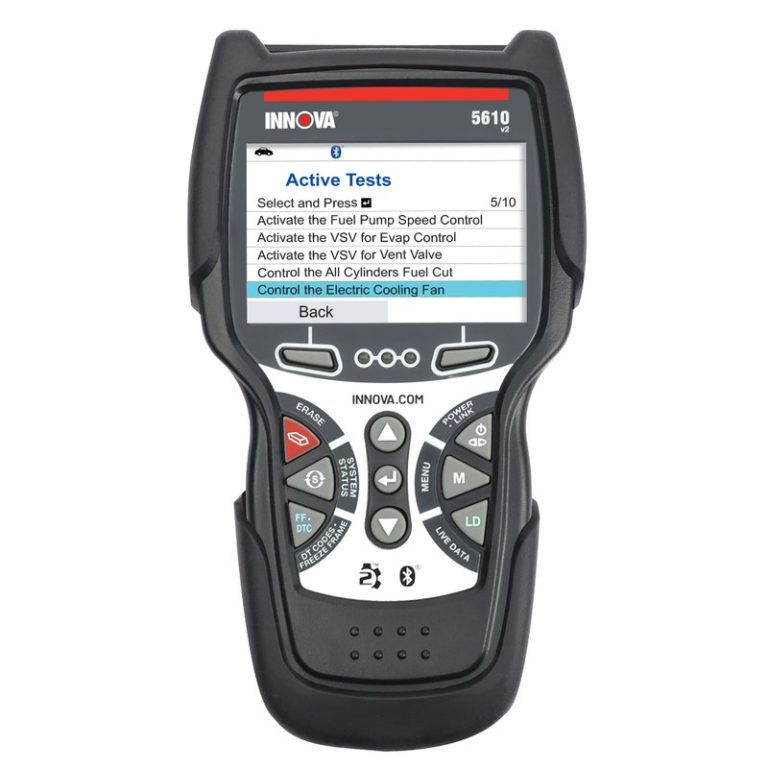
| OBD2 scanner | Reading TPMS fault codes and live sensor data | Wider diagnostic coverage, but cost varies by capability | Requires correct port access and ignition mode |
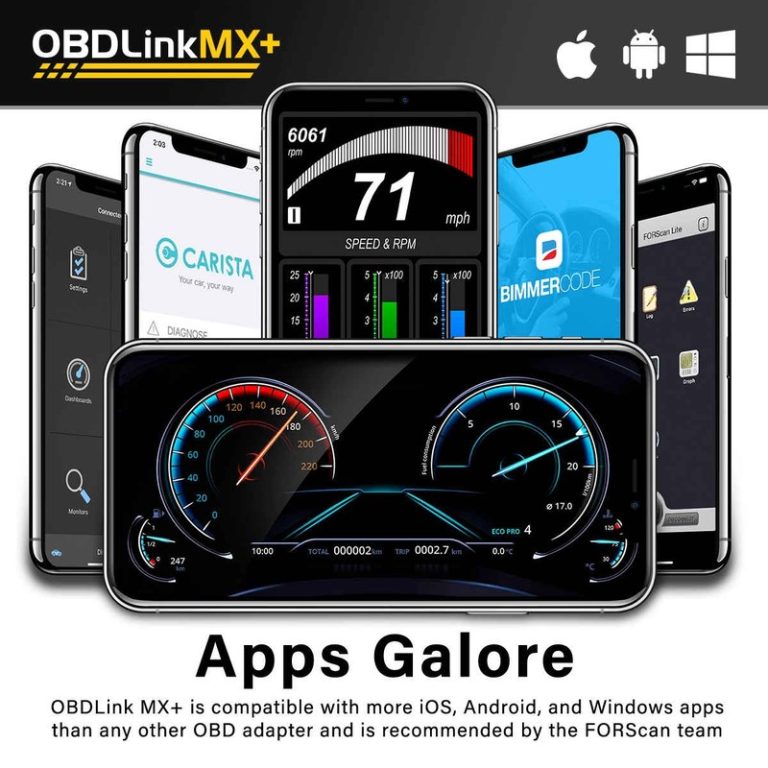
| Smartphone app | Pairing with compatible sensors or an OBD2 adapter | Convenient, but app permissions and firmware updates matter | May not support every vehicle or perform a relearn |
Blinking vs. Solid: Decoding the TPMS Warning Light
Knowing what the light is doing tells you where to start. A solid light and a blinking light are not the same problem.
Solid Light: Low Pressure in One or More Tires
A steady, solid TPMS light means one or more tires are below the warning threshold. Check all four tires with an accurate gauge and fill each to the placard pressure. Don’t forget the spare if your vehicle has a full-size spare with its own sensor.
If all tires are at the correct pressure and the solid light stays on, the issue may be a sensor problem or a system fault. Our guide on why the tire pressure light comes on when tires are fine walks through those scenarios.
Blinking Light: System Malfunction or Failed Sensor
A blinking TPMS light — usually for about 60 to 90 seconds — followed by a solid light means the system detected a malfunction. Common causes include a dead sensor battery, a sensor that’s out of range, or a fault in the TPMS receiver module. A blinking light won’t go away just by adding air. It requires diagnosis and repair. For a deeper look, see our article on why the TPMS light flashes then stays on.
Use an OBD2 Scanner to Diagnose TPMS Faults
If you want to know exactly which sensor is failing, an OBD2 scanner can help. But not every scanner can read TPMS data, so it helps to understand the limits.
Port Location, Ignition Mode, and Model-Year Coverage
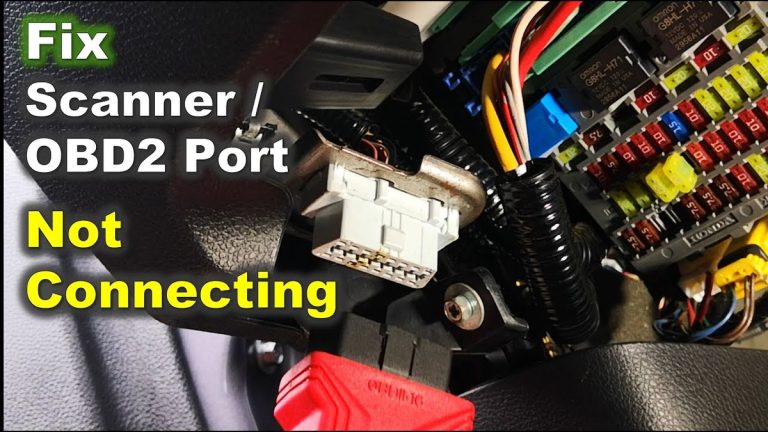
The OBD2 port is usually under the dashboard on the driver’s side. To read TPMS codes, you may need the ignition in the “on” position with the engine off. Coverage varies by vehicle. Some cars store TPMS codes in the main engine computer, while others use a separate module that a basic scanner can’t reach.
Code Limits, Live Data, and Emissions Readiness
A basic code reader may only pull engine codes. To see TPMS-specific codes and live sensor data, you may need a scanner with enhanced or manufacturer-specific coverage. Live data can show each tire’s reported pressure, sensor IDs, and battery status, which helps pinpoint a failing sensor.
App Permissions, Firmware Updates, and Reset Limitations
Smartphone-based scanners rely on Bluetooth or Wi-Fi connections and app permissions. Keep the app updated, and check whether it supports your vehicle’s TPMS protocol. Some apps can read codes but can’t perform a relearn or clear TPMS warnings. That limitation matters if you’re trying to fix the problem yourself.
The Battery Disconnect Trick: What It Can and Can’t Fix
Disconnecting the car battery for a few minutes can reset the TPMS module on some vehicles, which may clear a false warning. But it’s not a cure-all.
Sensor Batteries vs. Car Battery: State of Charge Isn’t Battery Health
The car battery powers the TPMS module, but each tire sensor has its own internal battery. Disconnecting the car battery won’t recharge a dead sensor battery. If a sensor is dead, the only fix is replacing the sensor.
System Voltage, Connection Order, and Damaged-Battery Stop Conditions
If you try the battery disconnect method, follow the order in your vehicle manual — usually the negative cable first, then the positive. If the battery is swollen, leaking, or damaged, stop and call a professional. A damaged battery can be dangerous to handle.
Hybrid and EV Cautions
Hybrids and EVs have high-voltage systems that require extra caution. Disconnecting the 12-volt battery may trigger warning messages or require a specific shutdown procedure. Check the owner’s manual before touching anything, and when in doubt, leave it to a shop.
Next Steps: DIY Fixes vs. Professional Repair
Some causes are easy to fix at home. Others need a shop. Here’s how to tell the difference.
Professional-Repair Thresholds and What It Costs
Call a shop if you find a sidewall puncture, a damaged valve stem, a sensor with a dead battery, or a TPMS light that stays on after you’ve checked pressure, inspected for leaks, and completed a relearn. Repair costs vary by vehicle, tire, and shop, so ask for an estimate before authorizing work.
Legal Variation: State Inspections and TPMS Rules
Some states require a functioning TPMS to pass a safety inspection, while others don’t check it at all. Rules can change, so verify the current requirements in your state before deciding whether to delay a repair.
Your Checklist Before You Call a Shop
- Confirm every tire is at the door-jamb placard pressure using a second gauge
- Check the spare tire if your vehicle has one with a sensor
- Inspect the tread, sidewalls, and valve stems for damage or leaks
- Drive for 10 minutes to give the system time to recheck
- Ask whether your vehicle needs a TPMS relearn after recent tire work
- Best for: Drivers who want to diagnose a stubborn TPMS light without unnecessary shop visits.
- Think twice if: The light is blinking, the tire has sidewall damage, or a sensor battery is dead — those need professional attention.
- Next step: Verify pressure with a second gauge, drive for 10 minutes, and if the light stays on, check for leaks before calling a shop.
Frequently Asked Questions
Most vehicles recheck pressure once the sensors wake up, which usually happens after driving for a few minutes above about 15-20 mph. If the light stays on after 10 minutes of driving, check the pressure with a second gauge and look for a leak or system fault.
The light can stay on due to a faulty gauge, a slow leak, a dead sensor battery, or a TPMS module that needs a relearn. A blinking light usually means a system malfunction rather than low pressure.
If the light is solid, check the pressure and add air to the placard spec before driving far. If the light is blinking, the system can’t monitor pressure, so have the system diagnosed soon. Driving on a seriously underinflated tire is unsafe.
Costs vary by vehicle, sensor type, and shop labor rates. Some vehicles use cheaper sensors, while others require programmable or OEM-specific parts. Get a written estimate before approving the work.
On some vehicles, disconnecting the battery can reset the TPMS module and clear a false warning. It won’t fix a dead sensor battery or a mechanical issue. Follow the manual’s connection order, and use caution on hybrids and EVs.
Many vehicles relearn automatically as you drive, but others require a TPMS relearn tool, a specific button sequence, or an OBD2 scanner. Check your owner’s manual to see which method applies to your vehicle.