Does a TPMS Sensor Need to Be Programmed After Replacement? Yes
Yes, a TPMS sensor needs to be programmed or relearned after replacement. Skipping this step can leave your low-tire warning light on and your system unable to detect a new sensor.
If you have been wondering whether “does a TPMS sensor need to be programmed after replacement” is just a myth or a real step, the answer is clear: yes, it does. Skipping the relearn or programming step can leave your tire pressure monitoring system blind to the new sensor.
This guide explains what programming actually means, why it matters, and how to get the job done safely. You will also learn when you can handle it yourself and when a professional shop is the smarter choice.
- Yes, relearn is required: Most direct TPMS systems need the car to learn the new sensor’s ID after.
- Programming vs. relearn: Writing the sensor ID is different from teaching the car to listen; know which.
- Check your TPMS type: Direct systems need sensors; indirect systems don’t, but may still need a reset after.
- Use the right tool: Not every OBD2 scanner or reset tool supports your vehicle’s make, model, and year.
The Short Answer: Yes—and Skipping It Isn’t an Option
A TPMS sensor replacement isn’t plug-and-play. The sensor contains a unique ID that your car’s computer needs to recognize. If you install a new sensor without programming or relearning, the system may not accept it.
Most vehicles with direct TPMS require a relearn procedure after a sensor replacement. Some aftermarket sensors also need to be programmed with vehicle-specific data before they will work. Skipping either step usually leaves the TPMS warning light on or flashing.
What “Programming” a TPMS Sensor Actually Means
Programming can mean two different things. First, it can mean writing the sensor’s ID and other data into the sensor itself. This is common with aftermarket sensors that ship blank. Second, it can mean teaching the car to recognize a new sensor ID. That second step is often called a relearn.
What Happens If You Skip the Relearn
If you skip the relearn, your TPMS may keep showing a warning light. Some cars will display a message like “Tire Pressure System Fault.” Others may simply keep flashing the TPMS light every time you start the engine. You also lose the low-pressure warning you need most.
Direct vs. Indirect TPMS: Know Your System
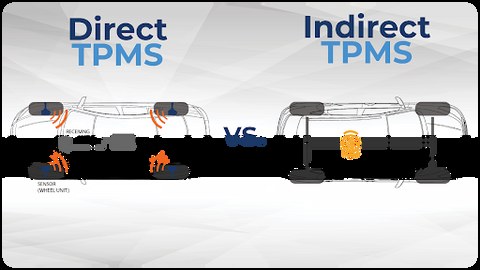
Before you worry about programming, find out which TPMS your vehicle has. Direct TPMS uses sensors inside each tire. Indirect TPMS uses the anti-lock brake system to compare wheel speeds. The two systems work very differently.
Check: Confirm whether your vehicle uses direct or indirect TPMS. Look in the owner’s manual for the exact relearn procedure. Limitations: Some aftermarket sensors require special programming tools, and not every OBD2 scanner supports TPMS relearn.
Direct TPMS: Sensor IDs, Radio Frequencies, and Battery Life
Direct TPMS sensors mount inside the tire, usually at the valve stem. Each sensor broadcasts a unique ID, tire pressure, and temperature data over a radio frequency. The car’s receiver matches those IDs to the positions stored in its memory.
Sensors are powered by internal batteries. Battery life varies by make, model, climate, and driving habits. When a battery dies, the sensor must be replaced. That replacement is exactly when the programming question comes up.
Indirect TPMS and the Federal Mandate
Indirect TPMS doesn’t use tire sensors at all. It uses wheel speed sensors to detect when one tire is rotating faster than others, which usually means it’s underinflated. Because there are no sensor IDs, no programming is needed. You may still need to reset the system after tire rotation or pressure changes.
Most 2008 and newer passenger vehicles sold in the U.S. came with TPMS as standard equipment. The exact rules and technology vary by vehicle, so the owner’s manual is always the best guide. If you want to understand the difference between a relearn and a reset, see our article on TPMS relearn vs. TPMS reset.
Sensor Programming vs. Vehicle Relearn: Two Different Steps
People use the word “programming” for both steps, but they are not the same. Knowing the difference helps you buy the right tool and avoid paying for work you don’t need.
Writing the Sensor ID
Writing the sensor ID means storing vehicle-specific data onto the sensor itself. Many aftermarket sensors ship “blank” and need to be programmed before they can broadcast correctly. Some shops can clone the original sensor ID into a new sensor, which can sometimes avoid a relearn.
Cloning isn’t supported on every vehicle or every sensor. Some automakers use rolling codes or encrypted data, which makes cloning harder. If you buy aftermarket sensors, ask whether they come preprogrammed or need a separate programming step.
Teaching the Car to Listen
The relearn is the step that teaches the car to listen for the new sensor ID. This is what most DIYers mean when they ask about programming. The relearn can be done with an OBD2 tool, a magnet, a trigger tool, or in some cases by simply driving the car.
Your vehicle’s model year and trim determine which method works. A method that works on one brand may do nothing on another. Always check the owner’s manual before starting.
When You Must Program or Relearn

You don’t need to relearn every time you check tire pressure. But you do need it in certain situations. Knowing these can save you from frustration and wasted time.
New Sensors, Dead Batteries, and Tire Rotations
You need a relearn after installing any new sensor, whether it’s a replacement for a dead battery or a fresh sensor in a new wheel. The car still has the old sensor ID in memory, and it won’t acceptthe new one until you teach it.
Tire rotations can also trigger a need for relearn on some vehicles. If your system tracks sensor positions, rotating tires means the car may see the wrong sensor at each corner. Some cars relearn automatically while driving; others need a manual reset. For a step-by-step guide, check our article on how to reset the TPMS light after tire rotation.
How the Relearn Process Works
There are several ways to relearn TPMS sensors. The right one depends on your vehicle and the tools you have. Here’s how the most common methods work.
OBD2 Tool Method: Port Location, Ignition Mode, and Model-Year Coverage
Many modern vehicles support TPMS relearn through the OBD2 port. That port is usually under the dash, near the steering column. You plug in a compatible scan tool or TPMS reset tool, turn the ignition to the position the tool requires, and follow the prompts.
Not every OBD2 scanner can do TPMS relearn. Some only read engine codes. Confirm the tool supports TPMS functions and your vehicle’s model year before you buy. If you already own a scanner, check its manual for TPMS relearn coverage.
Verify the tool supports your vehicle’s make, model, year, and TPMS type. Check the owner’s manual for the relearn procedure.
Plug into the OBD2 port under the dash. Turn the ignition to “On” without starting the engine, unless the tool says otherwise.
Use the tool to write sensor IDs or start the relearn. After it finishes, check that the TPMS light goes out or behaves normally.
Magnet, Trigger, and Drive-Based Methods and Reset Limits
Some vehicles use a magnet held over the valve stem to trigger each sensor in a set order. Others use a handheld TPMS trigger tool that wakes the sensor and sends its ID. Some systems relearn automatically after you drive above a certain speed for a few minutes.
These methods have limits. You usually have to start over if you interrupt the sequence or move too fast. The owner’s manual gives the exact order and timing. If you need a tool, our guide on how to use a TPMS reset tool explains the common steps.
TPMS Mistakes, Limits, and Tire Safety
TPMS is a helpful warning system, but it doesn’t replace regular tire care. Even with a perfectly programmed sensor, you still need to check pressures and inspect tires. Here are the mistakes to avoid.
Door-Jamb Placard, Cold Pressure,and Gauge Accuracy
Always use the pressure listed on the door-jamb placard, not the number molded into the tire sidewall. The sidewall number is the maximum pressure, not the recommended pressure. Check pressures when tires are cold, ideally before driving or after the car has sat for a few hours.
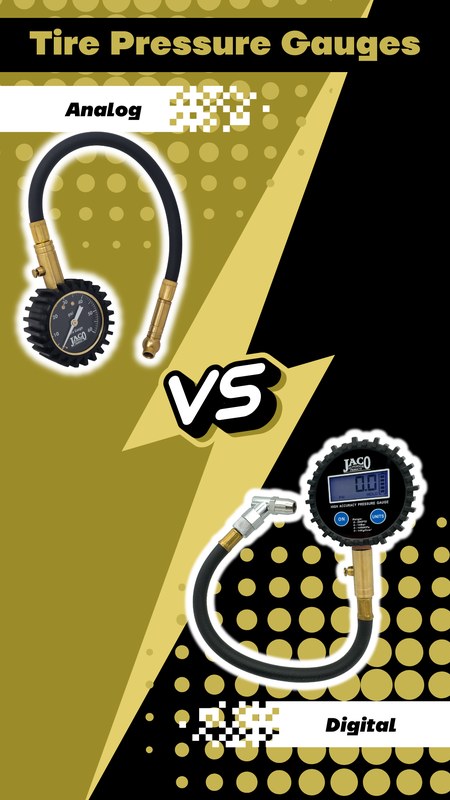
Gauge accuracy matters. A cheap pencil gauge can drift over time. Compare your gauge with a known-good digital gauge occasionally. If your TPMS light comes on, check the pressure with a quality gauge before adding air.
Inflator Duty Cycle, Puncture Location,and Temporary-Repair Limits
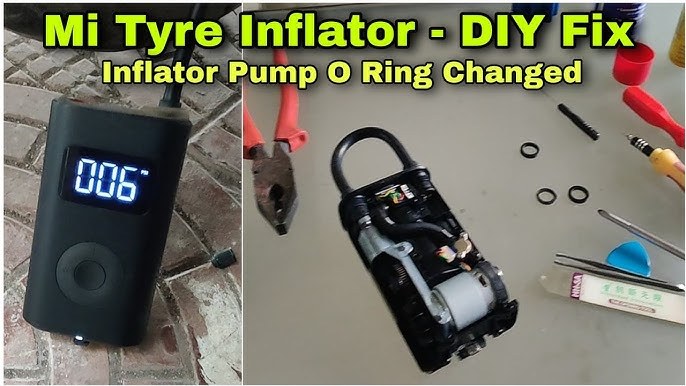
Portable tire inflatorshave a duty cycle. Running one continuously for too long can overheat it. If you’re filling a completely flat tire, work in short burstsand let the inflator cool between sessions. Check the inflator’s manual for its limits.
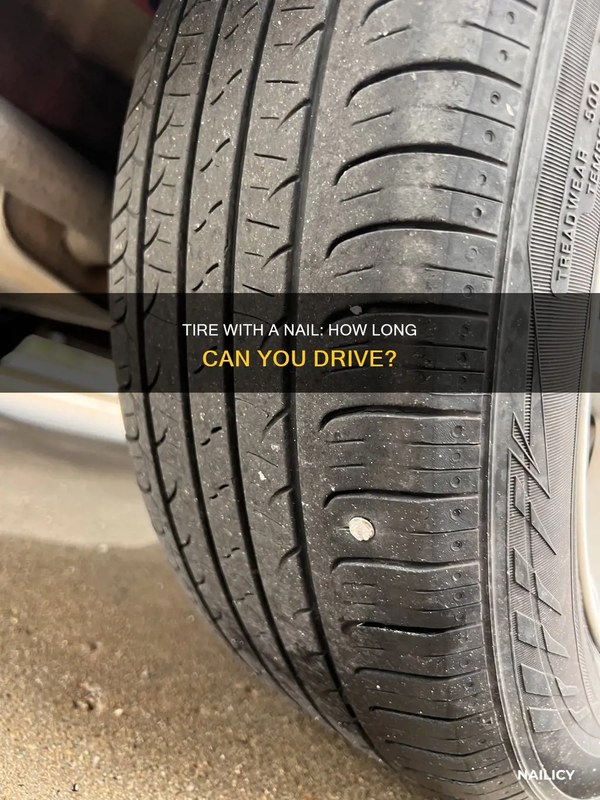
Not every puncture can be safely repaired. A puncture in the sidewall, near the shoulder, or larger than the manufacturer’s limit usually means tire replacement. A plug-only repair can be temporary; a proper patch-plug repair from a shop is safer for long-term use. If you’re unsure, have a tire professional inspect it.
What Programming Costs: DIY vs. Professional
Cost is often the deciding factor between doing a TPMS relearn yourselfand paying a shop. The right choice depends on your tools, vehicle, and comfort level.
Tool Costs, Shop Fees, and Warranty Coverage
TPMS reset tools range from simple trigger tools to professional scan tools. Prices vary widely by brand, features, and vehicle coverage. An entry-level tool may cost less than a single shop visit, but it may only work on certain brands. A professional-grade tool costs more but can pay for itself if you maintain multiple vehicles.
Shop fees for TPMS programmingand relearn vary by locationand vehicle. Some tire shops include a relearn at no charge when you buy tires or sensors from them. Others charge a flat fee. Always ask for a quote before service.
Warranty coverage also varies. New sensors usually come with a warranty, butthe terms depend on the brand and seller. Ask whether the warranty covers the sensor, the programming, or both. Keep your receiptand note the sensor’s part number.
Sensor Compatibility, Firmware, and Ownership Costs
Aftermarket sensors must match your vehicle’s frequency, band, and protocol. Some sensors are multi-frequencyand can be programmed for many vehicles. Others are vehicle-specificand less flexible. Check the sensor’s compatibility list before buying.
Firmware matters too. Some TPMS tools need firmware updates to support newer vehicles. Not all tools offer updates, and some updates require a computer or app. If you plan to keep a tool for years, check its update policy.
Ownership costs include more than the sensor itself. You may need a reset tool, a tire gauge, or shop labor. Over time, a reliable tool can save money, but only if it supports your vehicles.
When to Call a Professional
DIY TPMS work is possible, but it has limits. If you’re stuck, a professional can finish the job quicklyand safely. Here’s when to stopand ask for help.
Code and Live-Data Limits
An OBD2 scanner can read TPMS trouble codes, but not every scanner shows live sensor data. A code like “Sensor ID not detected” tells you a sensor isn’t communicating, but it doesn’t tell you why. Interpreting live data requires knowing what normal pressure, temperature, and battery status look like for your vehicle.
Clearing codes doesn’t fix a dead sensor or a bad relearn. If you clear a codeand it comes back, the underlying problem remains. Use the code as a starting point, not as a fix.
Professional Repair Thresholdsand Next Steps
Call a professional if you’ve tried the relearn procedure twiceand the TPMS light still flashes or stays on. Also call if you see physical damage to a sensor, valve stem, or wheel, or if the tire won’t hold air. A shopwith TPMS tools can program sensors, perform relearns, and diagnose system faults that DIY tools can’t see.
Your next step is simple: check the owner’s manual, confirm your vehicle’s TPMS type, and decide whether you have the right tool. If you do, follow the exact procedure. If you don’t, get a quote from a trusted shop. Either way, don’t ignorethe warning light.
- Best for: Drivers who just replaced a TPMS sensorand want a safe, working tire pressure warning system.
- Think twice if: Your vehicle uses encrypted sensors or you don’t have a toolthat supports your model year—a shop may be fasterand less frustrating.
- Next step: Look up the exact relearn procedure in your owner’s manual, confirm your tool’s coverage, and complete the relearn before you rely on the TPMS warning.
Frequently Asked Questions
Yes, in most cases. The car needs to learn the new sensor’s ID. Skipping this can leave the TPMS light on or flashing.
Programming writes the sensor ID into the sensor itself. Relearn teaches the car to recognize that ID. Some vehicles need both steps; some only need a relearn.
You can drive, but the warning light may stay on and you lose the low-tire warning. It’s safer to complete the relearn soon.
Costs vary by shop, vehicle, and sensor type. Some shops include it with tire service; others charge a fee. Ask for a quote before service.
No. Some systems auto-relearn while driving; others need a manual reset or relearn. Check your owner’s manual for the exact procedure.
Some reset tools only trigger a relearn; others can also write sensor IDs. Confirm the tool supports your vehicle make, model,and year before buying.