Best OBD2 Scanner for Home Mechanics in 2026
Last Updated: September 15, 2026
A home mechanic needs a scanner that saves time, not a gadget that creates more uncertainty. The best OBD2 scanner for home mechanic use should read codes clearly, show useful live data, help with emissions readiness, and fit the vehicles you actually work on. Some DIYers need only a strong code reader. Others should step up to full-system or bidirectional tools.
Best quick picks
| Buyer need | Best scanner direction | What to verify before buying |
|---|---|---|
| Weekend maintenance | Handheld scanner with live data | Clear screen, freeze-frame data, readiness monitors |
| Family fleet diagnostics | Bluetooth or mid-range full-system scanner | Multiple vehicle coverage, report saving, update policy |
| Brake/airbag warning diagnosis | Full-system scanner direction | ABS and SRS coverage for exact vehicles |
| Component testing | Bidirectional scanner | Clear active-test support and responsible use instructions |
Product angles worth checking on Amazon
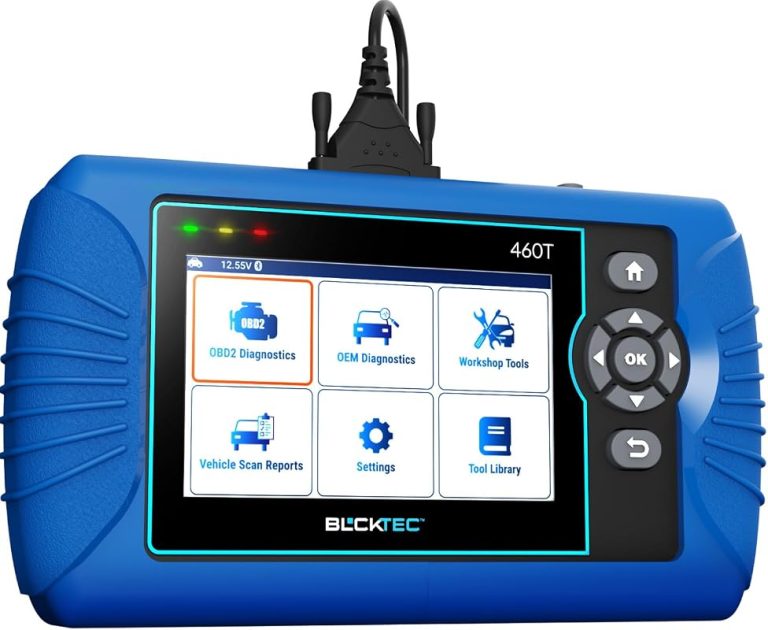
A strong direction for DIYers who want a dedicated device, live data, and more room to grow than a basic reader.
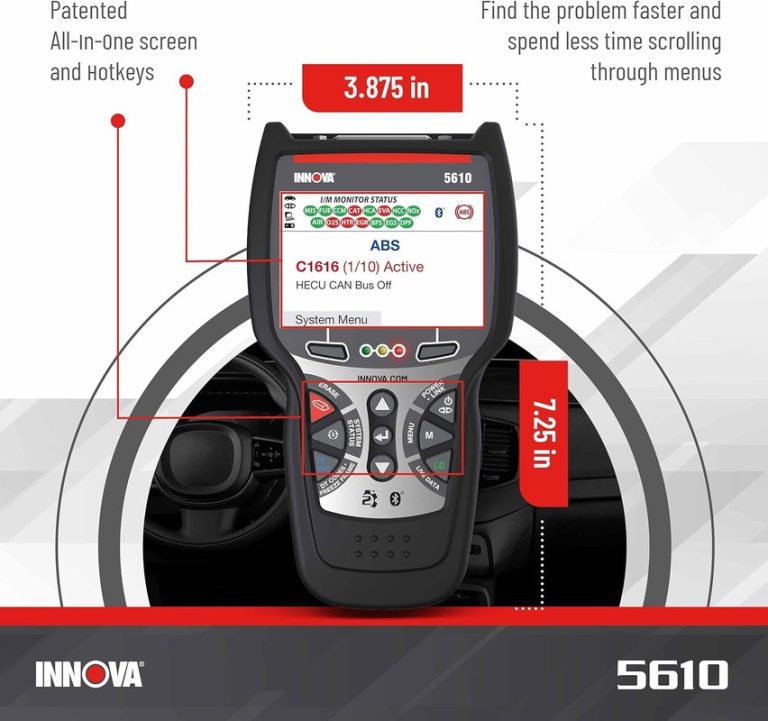
Useful if you want app reports, saved history, and a small adapter that lives in the toolbox.
Worth researching if you diagnose multiple vehicles or need more than engine codes. Confirm current coverage and subscriptions.
How to choose without wasting money
Start with the repair decisions you want the scanner to support. If you only need to decide whether a loose gas cap came back, a budget reader works. If you compare live sensor data, diagnose intermittent issues, or help relatives with multiple cars, a stronger tool pays off faster.
- Choose a scanner that covers the vehicles in your driveway, not only the newest car.
- Make sure it shows live data and freeze-frame data.
- Check whether updates are free, paid, app-based, or unclear.
- For ABS/SRS needs, verify exact system coverage before buying.
- Treat bidirectional tests as repair tools, not casual buttons to press.
Who should spend more?
Spend more when the scanner helps you avoid one unnecessary parts purchase or one diagnostic visit. Stay cheaper if you rarely work beyond check-engine lights and inspection readiness.
Useful internal reading
overall OBD2 scanner guide cheap vs expensive scanners what scanners mechanics use scanner subscription guide
FAQ
A mid-range scanner with live data, freeze-frame data, readiness monitors, and clearly documented vehicle coverage is the best starting point for most home mechanics.
Only if they understand active tests and regularly diagnose systems where commanding components is useful. It is not required for basic code reading.
It can be, especially for reports and live data, but coverage and app quality matter more than Bluetooth alone.
Spend enough to get the coverage you need and avoid unclear update terms. The right amount depends on the vehicles and systems you diagnose.