8 Best OBD2 Scanners for Hyundai for DIY Diagnostics
If you’re searching for the best OBD2 scanner for Hyundai, you’re probably staring at a check engine light or trying to decide whether your car will pass an emissions test. The right scanner can read and clear diagnostic trouble codes, show live sensor data, and sometimes even access ABS, SRS, TPMS, or transmission codes on supported models. Below, we compare eight OBD2 scanners for DIY diagnostics, using the supplied product facts and editorial judgment to help you match one to your Hyundai, your skill level, and your budget.
For most Hyundai owners, the OBDLink MX+ is the strongest all-around pick because it combines enhanced Hyundai/Kia OEM support with broad app compatibility and access to more live parameters. It’s best for DIYers who want deeper diagnostics through their phone; the main limitation is that it requires a compatible app and costs more than a basic code reader.
Quick Product Comparison
| Product | Image | Best For | Current Price |
|---|---|---|---|
| 1. ANCEL AD310 | 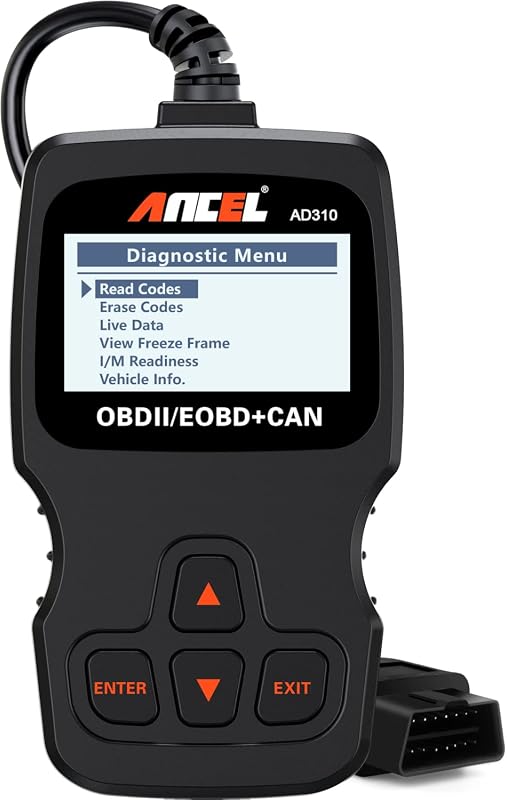 |
Simple offline code reading and clearing | See Price → |
| 2. ANCEL AD410 | 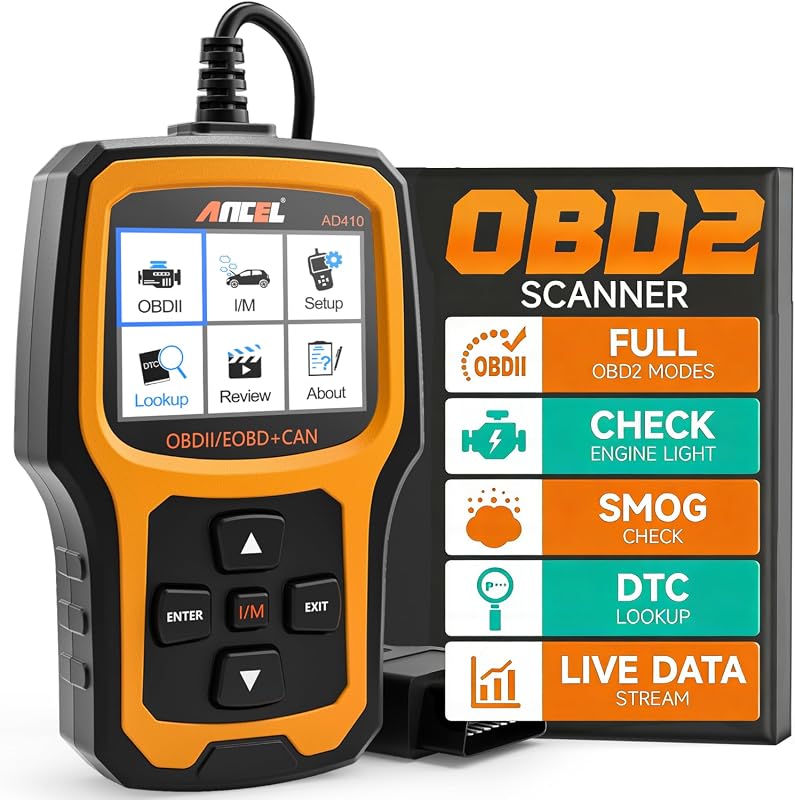 |
Standalone diagnostics with built-in DTC lookups | See Price → |
| 3. OBDLink MX+ | 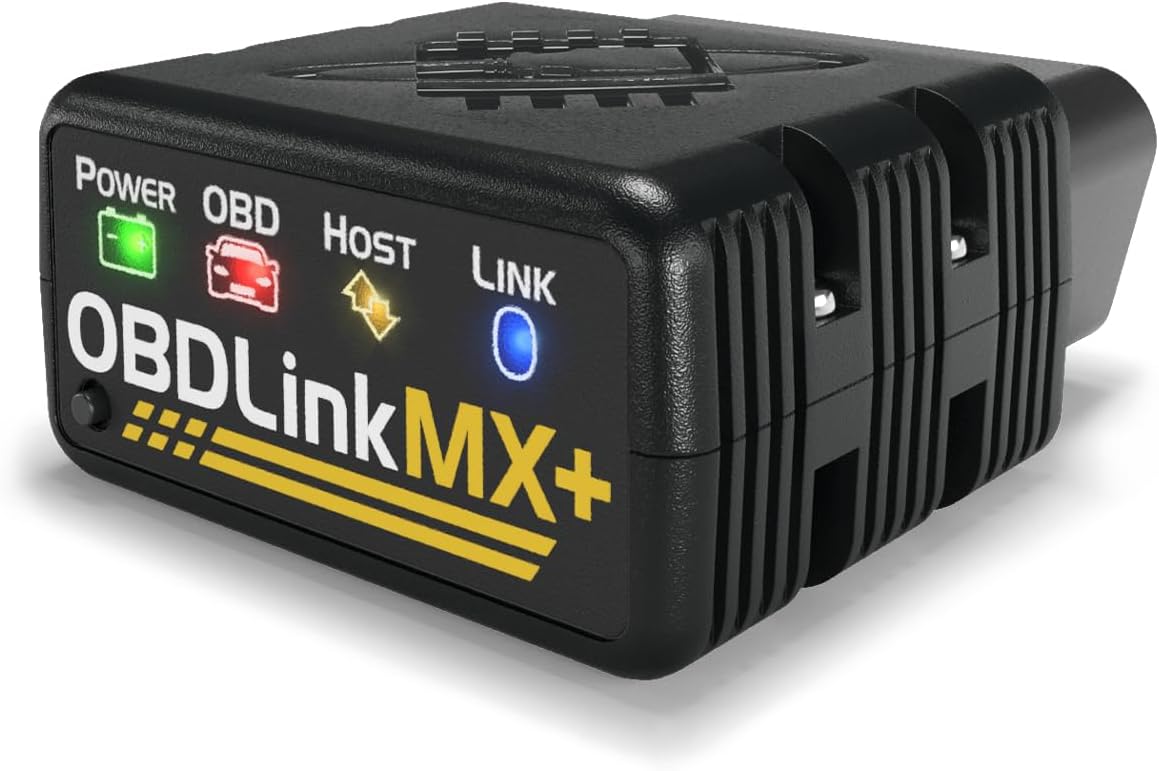 |
Hyundai OEM-level data through phone apps | See Price → |
| 4. Veepeak OBDCheck BLE | 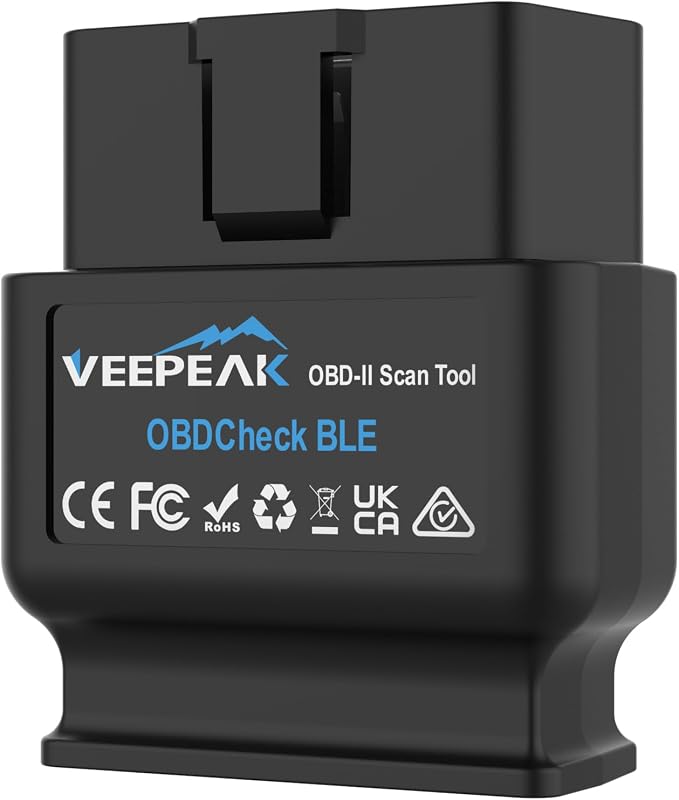 |
App-first Hyundai owners who want standard OBD-II functions | See Price → |
| 5. FOXWELL NT301 |  |
Standalone live data graphing and emissions tests | See Price → |
| 6. Veepeak OBDCheck BLE+ | 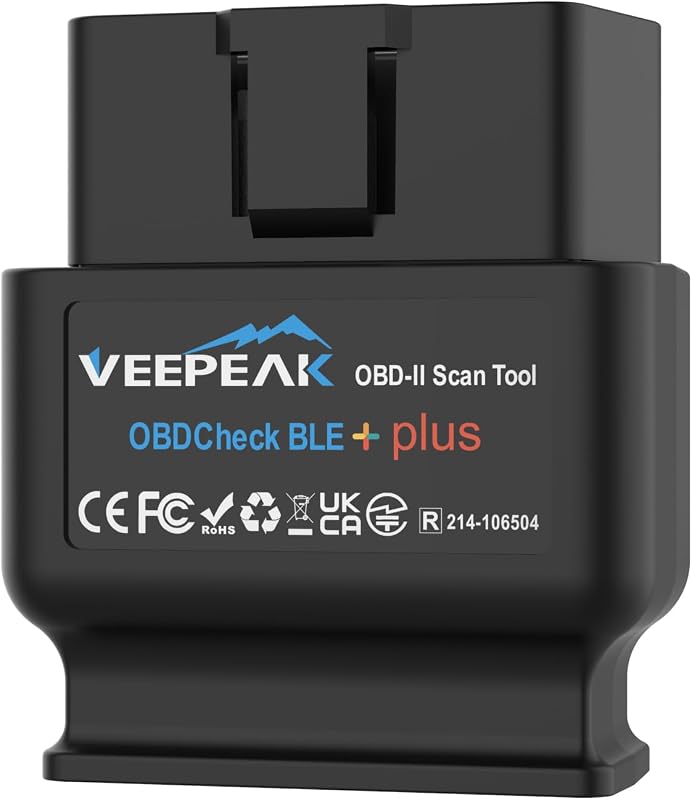 |
Flexible ELM 327 app compatibility | See Price → |
| 7. BlueDriver | 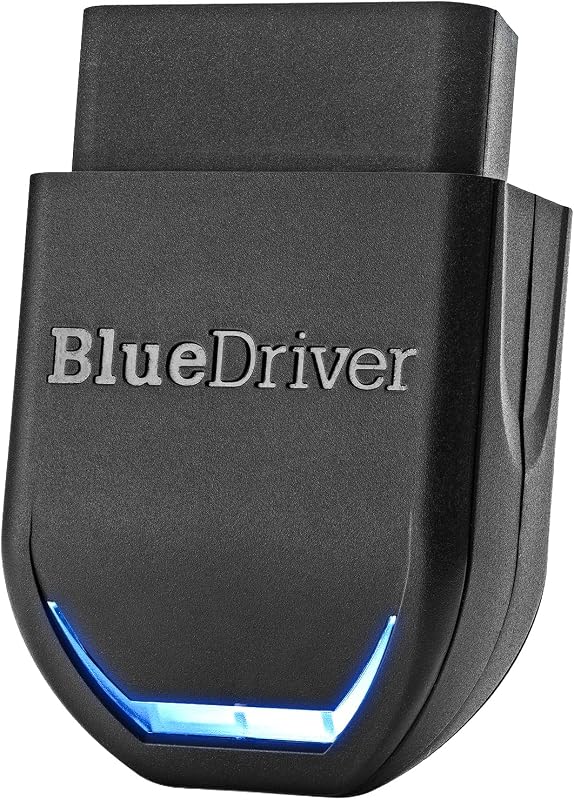 |
Broader ABS, SRS, TPMS, and transmission code coverage | See Price → |
| 8. Carista EVO | 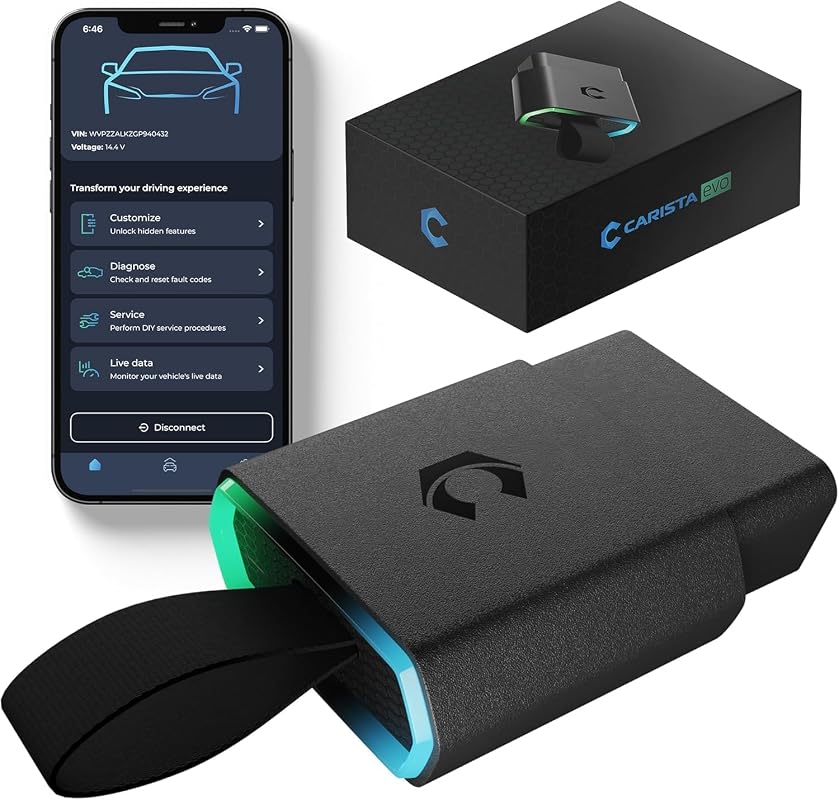 |
Hyundai customization and service tools via subscription app | See Price → |
Best OBD2 Scanner for Hyundai: What to Look For
Protocol and model-year coverage
Most OBD2 scanners handle standard protocols like CAN, KWP2000, J1850, and ISO9141, but you still need to confirm your Hyundai’s model year and whether the scanner supports your car’s specific protocol. If you drive a Hyundai hybrid, our guide to the best OBD2 scanner for hybrid cars covers extra EV and battery considerations.
Engine-only vs. multi-system coverage
Basic code readers like the ANCEL AD310 and FOXWELL NT301 focus on engine and emissions systems. If you need ABS, SRS, TPMS, or transmission codes, look for scanners that explicitly list enhanced diagnostics, such as the BlueDriver or OBDLink MX+ with compatible apps.
Standalone vs. phone-based operation
Standalone scanners work offline and are simple to use, while Bluetooth adapters turn your phone into a display and data logger. For phone-based options, our roundup of the best Bluetooth OBD2 scanners explains how app-dependent models compare.
Live data, tests, and reporting
If you want to watch oxygen sensors, fuel trims, coolant temp, or RPM in real time, look for live data graphing, freeze frame data, O2 sensor tests, and EVAP leak tests. These features help you catch intermittent issues before they become expensive repairs.
Subscriptions and app costs
Some Bluetooth scanners work with free third-party apps, while others require paid apps or subscriptions for advanced features. If you want broader system coverage without ongoing fees, see our picks for the best OBD2 scanners without subscription.
Hyundai-specific support
Not all scanners are created equal for Hyundai. The OBDLink MX+ lists enhanced OEM support for Hyundai and Kia, while BlueDriver names Hyundai among its strong supported brands. The Carista EVO includes Hyundai in its compatibility list and adds customization options, but requires a subscription for advanced features.
Our Top 8 Picks
1. ANCEL AD310 Universal OBD2 Engine Fault Code Reader, Read and Clear Codes for 1996+ Vehicles
The ANCEL AD310 is a straightforward, offline-friendly code reader that suits Hyundai owners who want to pull and clear engine codes without pairing a phone. It supports all OBDII protocols and works with 1996+ US-based vehicles, but it’s engine-focused rather than a full-system scanner.
Key Features That Matter
- Supports all OBDII protocols including KWP2000, J1850 VPW, ISO9141, J1850 PWM, and CAN — so it can communicate with most 1996+ Hyundai models.
- Reads and clears engine trouble codes, shows freeze frame data, checks I/M monitor readiness, and performs EVAP system tests — useful before emissions inspections.
- Works completely offline and draws power from the OBDII connector — no batteries, no charger, no internet required.
- Compact 12-ounce design with a thick 2.5-foot cable — easy to store in a glovebox or trunk.
Hyundai owners who want a simple, offline code reader for check-engine lightsand basic emissions readiness.
- Works offline with no phone or app
- Supports all OBDII protocols
- Compactand easy to store
- Engine-focused; no ABS, SRS, or transmission coverage
- No Bluetooth or app-based live data
2. ANCEL AD410 Enhanced OBD2 Scanner with Live Data, Clear Fault Codes Instantly for All OBDII Vehicles 1996+
The ANCEL AD410 builds on the same plug-and-play approach with a color screen, built-in DTC lookups, and enhanced emissions tests. It’s a good next step for Hyundai owners who want more diagnostic detail without needing a phone.
Key Features That Matter
- Over 42,000 built-in DTC lookups — read code definitions without searching online.
- Advanced diagnostics including O2 sensor testsand EVAP system leak tests—helps you spot emissions-related problems before they become costly.
- 2.4-inch TFT true-color display with icon-and-text UI — easy to read in a dark garage.
- Works offline with no phone, app, or internet required — reliable for roadside emergencies.
- Free lifetime software updates — keeps the scanner current.
Hyundai DIYers who want built-in code definitions and emissions tests without a phone.
- Built-in DTC library
- Color display
- Offline operation
- Engine diagnostics only (no ABS, SRS, or transmission)
- Requires downloading updates from ANCEL website
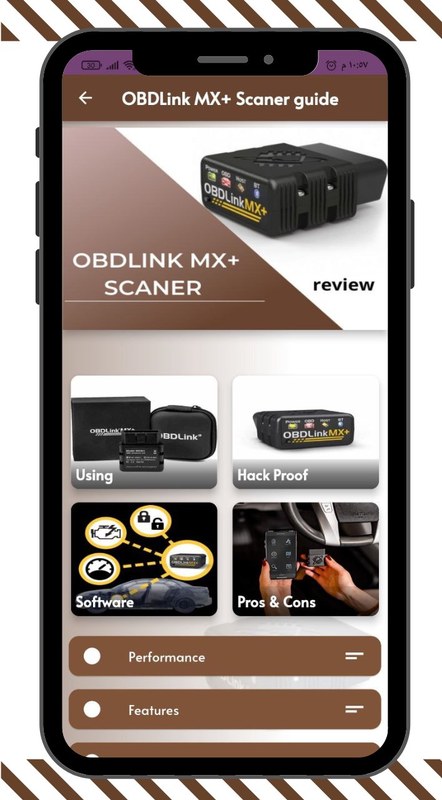
3. OBDLink MX+ OBD2 Bluetooth Scanner for iPhone, Android, and Windows, Wireless Car Diagnostic Tool
The OBDLink MX+ turns your phone into a professional-grade diagnostic tool with enhanced OEM support for Hyundai, Kia, and many other brands. It’s the strongest pick for Hyundai owners who want live data, ABS/SRS/TPMS parameters, and advanced app compatibility.
Key Features That Matter
- Enhanced OEM support for Ford, GM, Mazda, Nissan/Infiniti, Toyota/Lexus/Scion, Honda, Hyundai, Kia — means deeper access to Hyundai-specific systems than generic readers.
- Recommended adapter for FORScan, Torque, BimmerCode, Dashcommand, AlfaOBD, Carista, and more — works with the apps many DIYers already use.
- Get more live parameters (ABS, SRS, TPMS, etc) than other scanners — broader diagnostic view for safety and emissions systems.
- Over-voltageand battery drain protection — protects your Hyundai’s battery during longer sessions.
Hyundai owners who want deep OEM dataand live parameters through their phone.
- Deep OEM support
- Broad app compatibility
- Battery protection
- Requires phone/app
- Premium cost
- Some features depend on the app and vehicle
4. Veepeak OBDCheck BLE Bluetooth OBD II Scanner for iOSand Android, Wireless Check Engine Light Code Reader
The Veepeak OBDCheck BLE is a wireless Bluetooth adapter for Hyundai owners who already have a favorite OBD2 app. It handles standard engine-code tasks and connects via Bluetooth LE to iOSand Android, but it is not a full-system scanner.
Key Features That Matter
- Reads and clears trouble codes, freeze frame data, I/M readiness,and live sensor data — covers the essentials for check-engine diagnosis.
- Supports Bluetooth LE for iOS & Android (also classic Bluetooth on Android) — pairs with most modern phones without a Wi-Fi connection.
- Compatible with generic apps like Car Scanner ELM OBD2, Torque, OBD Fusion — lets you choose the interface you prefer.
- Works with most 1996+ cars and light trucks in the US for standard OBD-II diagnostics — broad Hyundai compatibility for emissions-related codes.
App-first Hyundai owners on a budget who already use Torque or Car Scanner.
- App flexibility
- Bluetooth LE
- Broad OBD-II coverage
- Requires third-party app
- No advanced Hyundai-specific functions unless app supports
- Not compatible with Carly, MHD, xHP, ProTool, bootmod3
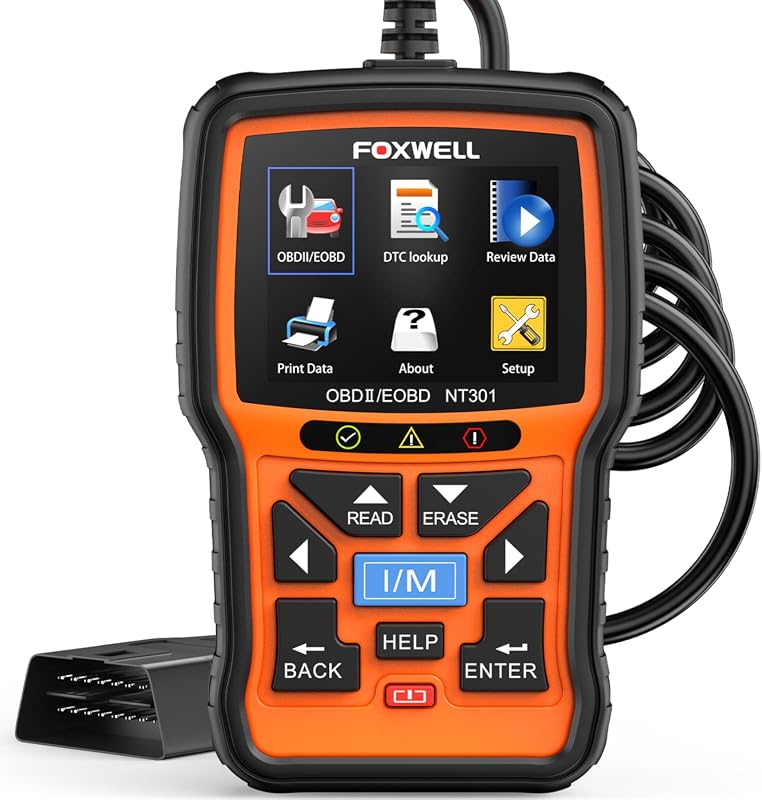
5. FOXWELL NT301 OBD2 Scanner with Live Data, Professional Mechanic OBDII Diagnostic Code Reader for Check Engine Light
The FOXWELL NT301 is a standalone scanner with live data graphingand O2/EVAP tests, making it a strong match for Hyundai owners who want to monitor sensor trends without using a phone.
Key Features That Matter
- View and log live sensor data in graph form—monitor oxygen sensors, fuel trims, coolant temp, RPM — helps you spot intermittent issues as you drive.
- Read DTCs, emissions readiness, turn off CEL/MIL, reset monitors, retrieve VIN — useful before smog checksand after repairs.
- Advanced OBDII modes: O2 sensor test and EVAP system leak monitor — adds emissions diagnostics beyond basic code reading.
- Compatible with most 1996+ gasoline cars, light trucks, and SUVs sold in the U.S. — broad fit for most Hyundai models.
Hyundai owners who prefer a standalone scannerwith live data graphing.
- Live data graphing
- No phone required
- EVAP/O2 tests
- Engine-focused; no ABS, SRS, EPB, A/C, or battery
- No bidirectional control or advanced resets
6. Veepeak OBDCheck BLE+ Bluetooth OBD2 Scanner, Check Engine Light Code Reader Diagnostic Tool for iOSand Android
The Veepeak OBDCheck BLE+ is another Bluetooth adapterwith broader ELM 327 app support, including vehicle-specific apps for some advanced functions. It’s a flexible option for Hyundai owners who want to experiment with different diagnostic apps.
Key Features That Matter
- Reads and clears trouble codes, freeze frame data, I/M readiness,and live sensor data — standard OBD-II essentials.
- Compatible with ELM 327 supported apps including Car Scanner ELM OBD2, Torque, OBD Fusion — works with popular Android/iOS apps.
- Also supports vehicle-specific apps like BimmerCode*, BimmerLink*, OBD JScan, Dr. Prius, Carista — can unlock some manufacturer-specific functions on supported models.
- Supports Bluetooth LE & Classic on Android, and Bluetooth LE on iOS — flexible phone pairing.
Hyundai enthusiasts who want to switch between generic and vehicle-specific apps.
- Broad app compatibility
- Dual Bluetooth modes
- Vehicle-specific app support
- Requires app
- Advanced functions depend on vehicle/app
- Not compatible with MHD, xHP, ProTool, bootmod3
7. BlueDriver OBD2 Bluetooth Scannerwith No Subscription Fees, Car Diagnostic Tool Reads ABS SRS TPMS Codes
The BlueDriver Pro Next-Gen is a Bluetooth OBD2 scannerthat reads and clears more codes than basic readers, including ABS, SRS, TPMS, and transmission codes on supported vehicles. It’s a good choice for Hyundai owners who want broader system coveragewith no subscription fees.
Key Features That Matter
- Reads and clears more codes than basic car code readers, including enhanced diagnostics for Check Engine, ABS, SRS, Airbag, TPMS, Transmission — expands beyond engine codes on supported Hyundai models.
- Unlimited technician-verified repair reports matched to VIN — helps you understand causesand confirmed fixes.
- Monitor live vehicle data, view freeze frames, check smog readiness, analyze Mode 6 test results — useful for deeper diagnosis.
- Strong support for GM, Ford, Stellantis, Toyota, Honda, Nissan, Mazda, Subaru, Hyundai, Mercedes-Benz, BMW, VW — Hyundai owners get solid coverage.
Hyundai owners who want ABS, SRS, TPMS, and transmission code coveragewith no subscription.
- Broader system coverage
- No subscription
- VIN-specific repair reports
- Requires phone/app
- Enhanced coverage varies by vehicle
8. Carista EVO Bluetooth OBD2 Scanner, Car Diagnostic Code Readerwith Live Dataand Customizations, Subscription Required
The Carista EVO is a Bluetooth OBD2 scannerthat adds vehicle customization options on supported models, including Hyundai, but advanced features require a paid subscription. It’s best for Hyundai owners who want service resetsand coding in one app.
Key Features That Matter
- Works with certain Acura, Audi, BMW, … Hyundai, Kia, … models — broad compatibility for many Hyundai models.
- Unlocks SFD-Locked Vehicle Settings — can access customization options that basic readers cannot.
- Activates basic OBD2 features upon purchase; advanced diagnostics, service tools, live data, and customization require a paid subscription — know the cost before buying.
- Works with Android & iOS — phone-based convenience.
Hyundai owners interested in coding and customization via subscription app.
- Vehicle customization on supported models
- Broad brand coverage
- App-based convenience
- Subscription required for advanced features
- Advanced functions depend on vehicle/model
- Not a full-system scanner
Most of these scanners support standard OBD2 protocols for 1996+ gasoline vehicles, but Hyundai model-year, trim, and system coverage can vary. Confirm year, make, model, trim, and the specific functions you need (engine-only, ABS, SRS, TPMS, transmission, coding) before buying.
Hyundai OBD2 Scanner Buying Guide
- Confirm compatibility before purchase.
- Configure and test while parked.
- Secure mountsand wiring, then maintain the device.
- Block the driver’s view.
- Cover airbags, controls, or factory sensors.
- Rely on unverified specifications or universal-fit claims.
Verify vehicle, power, ports, mounting space, included parts,and manufacturer instructions.
Keep equipment away from visibility, airbags, pedals, controls, sensors,and moving parts.
Complete setup while parkedand verify connections, readings, pressure, power behavior, tool functions,and app access when relevant before driving.
- Confirm year, make, model, and trim compatibility.
- Check power, port, app, mounting,and storage requirements.
- Review warranty, returns, support,and update policy.
- Count installation, accessory, subscription,and maintenance costs.
- Confirm normal use will not obstruct visibility, controls, airbags, or sensors.
- ANCEL AD310: Best simple offline code reader for basic check-engine diagnosis; trade-off: no phone/app connectivity.
- ANCEL AD410: Best standalone upgrade with built-in DTC lookupsand emissions tests; trade-off: engine-only coverage.
- OBDLink MX+: Best overall for Hyundai owners who want deep OEM supportand live parameters through a phone; trade-off: premium costand app dependency.
- Veepeak OBDCheck BLE: Best budget Bluetooth adapterfor app users who already own diagnostic software; trade-off: no full-system coverage.
- FOXWELL NT301: Best standalone pick for live data graphingand O2/EVAP tests; trade-off: no ABS/SRS/transmission coverage.
- Veepeak OBDCheck BLE+: Best flexible ELM adapterfor switching between generic and vehicle-specific apps; trade-off: advanced functions depend on vehicle/app.
- BlueDriver: Best for broader system codes(ABS, SRS, TPMS, transmission) with no subscription; trade-off: requires phone/appand coverage varies by vehicle.
- Carista EVO: Best for Hyundai owners who want service toolsand customization via subscription app; trade-off: advanced features require a paid plan.
- Compatibility: Verify the exact vehicle and installation requirements.
- Safety: Install and configure the device while parked.
Frequently Asked Questions About Best Obd2 Scanner For Hyundai
Most OBD2 scanners support standard engine/emissions codes for 1996+ gasoline vehicles, but Hyundai-specific features like ABS, SRS, TPMS, or coding may require enhanced or vehicle-specific tools. Confirm your model year, trim, and the scanner’s compatibility chart before buying.
Basic code readers usually cover only engineand emissions systems. For ABS, SRS, or airbag codes, you need a scanner that explicitly lists enhanced diagnostics for those systems, such as the BlueDriver or OBDLink MX+ with compatible apps.
Some Bluetooth scanners work with free third-party apps for basic OBD2 functions, while others require a paid app or a subscription for advanced diagnosticsand customization. The Carista EVO, for example, requires a subscription for advanced features, so checkthe app pricing before purchase.
A code reader focuses on engine/emissions trouble codesand readiness monitors, while a full-system scanner can access ABS, SRS, TPMS, transmission, and other modules on supported vehicles. If you only need check-engine codes, a basic reader is enough; for broader diagnostics, choose a scannerwith enhanced OEM support.
Yes, most of these scanners can clear storedand pending emissions-related codes after you fix the underlying problem. Keep in mind the code may come back if the repair isn’t complete,and some states require readiness monitors to pass smog.
Standalone scanners work offlineand are simple to use, while Bluetooth adapters offer app-based live data, graphing, and sometimes vehicle-specific functions. Choose a standalone if you want reliability without a phone; choose a Bluetooth model if you want deeper dataand customization on supported models.
Choosing the best OBD2 scanner for Hyundai doesn’t have to be complicated. Start by deciding whether you want a standalone code reader or a phone-connected diagnostic tool, then match the scanner’s system coverage to your Hyundai’s model yearand the codes you need to read.
From the offline ANCEL AD310 to the app-driven OBDLink MX+and Carista EVO, each pick serves a different DIY style. Confirm compatibility with your exact Hyundai model, check app or subscription costs,and install the scanner safely while parked. That way, you’ll turn a check-engine light into a clear next step.