Why Is My Car Battery Dead After Sitting Overnight? 3 Likely Causes
A dead battery after one night usually means the battery is weak, something is draining power while parked, or the charging system is not restoring the charge. Start with safe checks, then test before replacing parts.
why is my car battery dead after sitting overnight is usually a sign of one of three things: a weak battery, a parasitic electrical draw, or a charging problem that never fully topped the battery off. The fastest fix is to narrow down which one fits your symptoms before you replace parts.
- Battery health matters: A battery can look charged and still fail overnight if it is old or.
- Look for hidden drains: Lights, dash cams, modules, and aftermarket wiring can pull power while parked.
- Check the charging system: Loose terminals, bad grounds, or alternator issues can leave the battery undercharged.
- Use safe testing first: Resting voltage, terminal inspection, and the owner’s manual can prevent wasted parts.
- Stop if the battery is damaged: Swelling, leaks, cracks, or freezing risk mean no more jump-start attempts.
Why Is My Car Battery Dead After Sitting Overnight? The 3 Most Likely Causes
If your car starts fine one day and is dead the next morning, the battery may not be the real root problem. In many cases, the battery is simply the part that shows the failure first.
The three most likely causes are a battery that is old or damaged, a parasitic drain that keeps pulling power while the car is parked, or a charging system problem that leaves the battery undercharged. A loose connection can also make any of those problems look worse.
How to Tell Whether the Problem Is the Battery, the Charging System, or a Parasitic Drain
Quick symptom check: slow crank, no crank, dim lights, clicking, or total power loss
Pay attention to what happens when you turn the key or press the start button. A slow crank often points to low battery power, a rapid clicking sound can mean the battery cannot supply enough current, and total silence may point to a bad connection, a failed battery, or a starter issue.
Dim headlights, weak interior lights, and a dash that resets when you try to start the vehicle also point toward low voltage. If the car starts with a jump but dies again after sitting, that usually means the battery is not holding charge or something is draining it overnight.
Battery state of charge vs. battery health: why a “charged” battery can still fail overnight
A battery can show a decent surface charge and still be weak inside. State of charge tells you how full it is right now, while battery health tells you how well it can deliver power and hold it overnight.
That is why a battery may test “charged” after a drive but still fail the next morning. Internal wear, sulfation, or a damaged cell can make it lose voltage quickly even when the alternator seems to have done its job.
For a deeper look at testing methods, see can I test a battery with a multimeter and how to test a battery with a battery tester.
When the issue points to alternator, starter, or an electrical draw instead
If the battery keeps going dead after a full charge, the alternator may not be recharging it properly. If the engine cranks normally after a jump but then the same problem returns, that leans toward a charging or drain issue rather than a starter problem.
A bad starter usually causes a no-crank situation when the battery is known to be healthy. By contrast, a parasitic draw often shows up as a car that works fine when parked briefly but is dead after several hours or overnight.
Cause #1: The Battery Is Weak, Old, or Damaged
Common failure signs by battery chemistry and age
Most car batteries do not fail all at once. They get slower to crank, less reliable in cold weather, and more likely to die after sitting.
Flooded lead-acid batteries often show age through slower starts and corrosion. AGM batteries can also weaken with age, especially if the vehicle makes short trips and never fully recharges them. Battery age matters because even a battery that still starts the car today may not survive an overnight rest.
If you want to understand how testers read battery health, our guide to how accurate a battery tester is can help set expectations.
System voltage basics: what a healthy 12V battery should look like at rest and during start
At rest, a healthy 12-volt battery should usually sit near full charge after the car has been off long enough for the systems to sleep. During starting, voltage should not collapse so far that the dash goes blank or the starter barely moves.
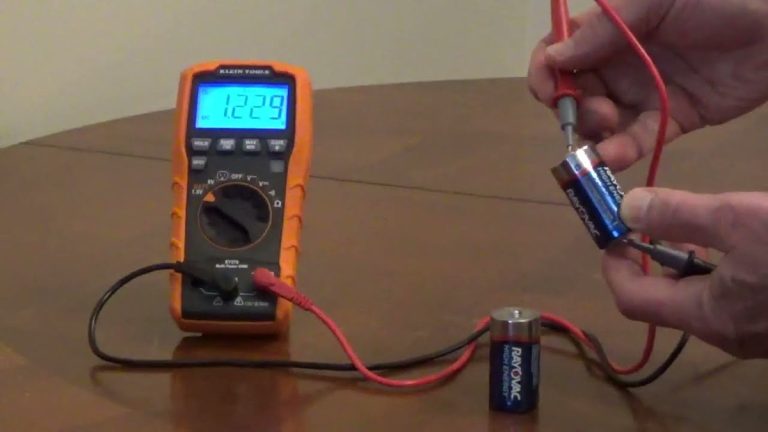
A quick multimeter check can help you separate a weak battery from a charging problem. If the resting voltage is low before you even try to start the car, the battery may already be discharged or worn out.
Damage stop conditions: swelling, leaking, corrosion, cracked case, or freezing risk
Stop using the battery if the case is swollen, cracked, leaking, or badly corroded around the posts. Those are signs of damage that can make jump-starting or charging unsafe.
Cold weather can make a weak battery fail faster, and a deeply discharged battery may be at risk of freezing in very low temperatures. If you see physical damage, follow the vehicle manual and replace the battery rather than trying repeated boosts.
Hybrid and EV caution: why 12V accessory batteries can still strand the vehicle
Even hybrids and electric vehicles usually depend on a separate 12V accessory battery for computers, locks, and startup systems. If that battery dies, the vehicle may not wake up even if the main traction battery is fine.
That is why a dead overnight battery in a hybrid or EV should not be ignored. The problem may still be the small accessory battery, and the safest next step is to follow the owner’s manual before attempting a jump.
Cause #2: A Parasitic Draw Is Draining Power While the Car Sits

Typical overnight drains from modules, lights, accessories, dash cams, and aftermarket electronics
Modern vehicles keep some systems awake for a while after shutdown, but they should eventually go into sleep mode. If something stays active too long, it can drain the battery overnight.
Common culprits include glove box lights, trunk lights, faulty modules, phone chargers, dash cams, remote starters, trackers, and poorly wired aftermarket accessories. Even a small draw can matter if the battery is already old or the car sits for long periods.
OBD2 diagnosis basics: model-year coverage, protocol coverage, and port location
An OBD2 scanner can help you read stored trouble codes and view some live data, but coverage varies by vehicle model year and communication protocol. Most US gasoline vehicles from 1996 onward use OBD2, but some features depend on make, trim, and software support.
The diagnostic port is usually under the dash, but exact location varies. If you are comparing scan tools for battery-related troubleshooting, our article on which Topdon scanner is best can help you think through coverage and usability.
Ignition mode matters: key-off vs. accessory vs. sleep mode
A vehicle can seem “off” while still being in accessory mode or a partial wake state. That matters because a scanner, dash cam, or phone charger may keep drawing power if the ignition mode is not fully off.
For diagnosis, always confirm the car is actually shut down and has had time to enter sleep mode. Some vehicles take several minutes, and a few take much longer, before their modules stop drawing normal standby power.
Code reading and live-data limits: what a scanner can and cannot prove
Reading codes can point you toward a fault, but it does not prove the battery is the cause. A scanner may show low-voltage codes, communication codes, or module faults without telling you which part is draining power.
Live data can help you spot charging voltage or module activity, but it cannot always isolate a hidden current draw. That is why a scanner is useful for direction, not a complete answer.
Emissions readiness, reset limitations, app permissions, and firmware updates
Clearing codes can reset readiness monitors and erase useful diagnostic clues. In some cases, the problem will not return until the car has been driven through a full cycle, which can make the issue harder to trace.
If you use a connected scanner or app, review permissions carefully. Some tools collect VIN data, trip data, or cloud-stored reports, so privacy settings and firmware updates matter as much as the scan itself.
Privacy & Data
Connected diagnostic tools may store VINs, trouble codes, and live data in an app or cloud account. Check account security, sharing settings, and update policies before relying on the tool for repeated diagnosis.
When the diagnosis needs a professional electrical test instead of a scan tool
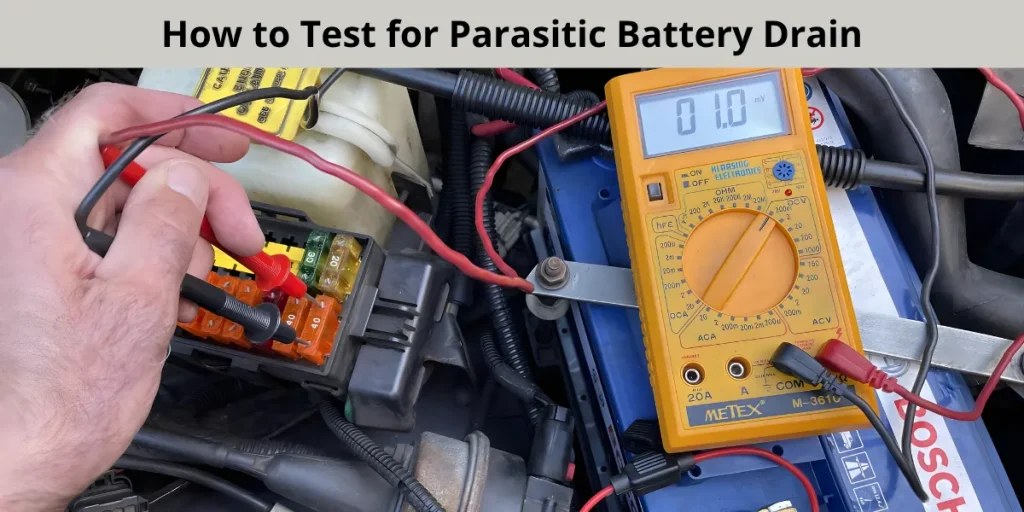
If the battery goes dead repeatedly and you cannot find an obvious cause, a parasitic draw test with proper electrical equipment is often the next step. That test measures current flow with the car asleep and can pinpoint whether the drain is normal or excessive.
At that point, a professional may be the fastest and least frustrating option. Electrical diagnosis can take time, and guessing often leads to unnecessary battery replacements.
Cause #3: The Charging System or Connections Are Not Recharging the Battery Properly
Loose terminals, ground issues, cable damage, and corrosion at the posts
Loose battery terminals can mimic a dead battery because the starter never gets steady power. Corrosion, damaged cables, or a bad ground can do the same thing.
If the posts are crusty or the clamp is loose, the battery may be fine but unable to deliver power to the car. Cleaning and tightening the connection can solve a problem that looked like a failed battery.
Alternator output, belt condition, and why a short drive may not recover a deeply discharged battery
The alternator should recharge the battery while the engine runs, but a short drive after a jump may not be enough to refill a deeply discharged battery. If the battery was nearly empty, it may need a longer charge or replacement.
A worn serpentine belt, slipping belt, or failing alternator can leave the battery undercharged even if the car starts today. If the battery keeps dying after normal driving, the charging system deserves a close look.
Correct connection order for jump-starting and charging to avoid damage
Use the vehicle manual for the exact jump-start order, because some vehicles have remote terminals or special procedures. In general, connecting the wrong way can damage electronics or create a spark hazard.
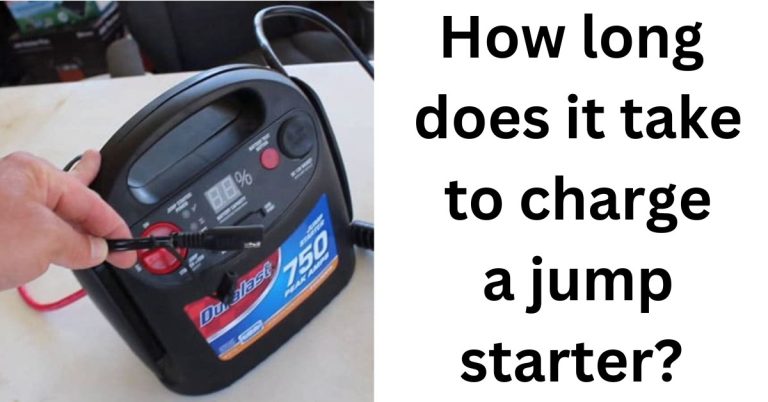
If you use a portable jump starter, check the pack condition, cable clamps, and safety protections before each use. For a buying comparison, see Fanttik X8 Apex battery capacity for the kind of capacity questions shoppers often need to compare.
Ownership cost and limitation: when repair is cheaper than repeated boosts or battery replacement
Repeated jump-starts are a short-term fix, not a solution. If the root cause is a bad alternator, bad cable, or parasitic drain, replacing the battery alone can become a waste of money.
It is usually cheaper to diagnose the actual fault once than to keep buying batteries or relying on roadside boosts. That is especially true for commuters, rideshare drivers, and families who need the car ready every morning.
What to Do Right Now: Safe Troubleshooting Steps Before You Replace Anything
Safe location, traffic visibility, and when to stop and call for help
Move the vehicle to a safe, visible location if possible. Turn on hazard lights only when it is safe to do so, and stay clear of traffic while you inspect the car.
Check battery age, terminal condition, and resting voltage with a multimeter
Look for a date code or service sticker to estimate battery age. Then inspect the terminals for corrosion, looseness, or broken clamps before you spend money on parts.
A multimeter can tell you whether the battery is already low before you try to start the car. If the voltage is poor after the car has sat, that supports a battery or drain problem more than a starter issue.
Inspect storage conditions, cable condition, and post-start performance
Cold garages, long parking periods, and short trips can all make a weak battery fail sooner. If the car starts after a jump, watch whether it restarts normally after a short drive or quickly fades again.
That follow-up behavior matters. A battery that recovers after driving may simply have been discharged, while one that drops again points to a deeper problem.
Damaged-battery stop conditions and when not to jump-start
Do not jump-start a battery that is cracked, leaking, frozen, or badly swollen. Those conditions can create safety risks and can damage the vehicle’s electrical system.
Roadside Tools and Jump Starters: What to Compare Before You Buy
If you want a jump starter for emergencies, compare the tool the same way you would compare any safety item: by fit, build quality, and real usefulness in a cold or dark parking lot. The best choice is not always the highest peak number on the box.
- Confirm vehicle voltage and battery type
- Check cable length, clamp quality, and safety protections
- Review storage size and cold-weather handling
- Look for clear instructions and reliable support
- Make sure the pack is easy to inspect and recharge after use
Comparison criteria: current limits, cable quality, pack condition, tool completeness, and safety protections
For a jump pack, the most useful factors are not just power claims. Cable quality, clamp grip, reverse-polarity protection, and whether the pack still holds charge matter just as much.
Also check whether the tool includes a charger, storage case, flashlight, or USB output if those extras will actually help you. If you only need emergency starting, a simpler pack may be the better value.
Best fit by driver type: daily commuter, winter driver, high-mileage owner, or family vehicle
Daily commuters often want something compact and easy to store. Winter drivers may need better cold-weather reliability, while high-mileage owners usually benefit from a tool that is easy to recharge and inspect often.
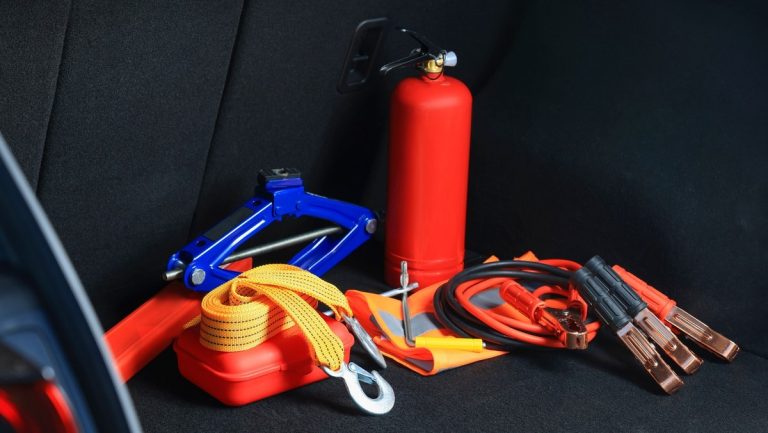
Family vehicles and road-trip rigs may justify a larger pack or a more complete roadside kit. The right choice depends on how often the car sits, where it parks, and how far help is when the battery dies.
Storage needs, cold-weather performance, and post-use inspection requirements
Keep the pack charged and store it where temperatures stay reasonable. Extreme heat and deep cold can shorten battery pack life and reduce usefulness when you need it most.
After use, inspect the clamps, cables, and housing for damage. A pack that was dropped or soaked should be checked before it goes back in the trunk.
Transparent product-review limits: evidence-based evaluation, drawbacks, alternatives, and warranty/support
Without verified first-hand testing, the safest approach is to judge tools by manufacturer specs, warranty terms, and owner-reported patterns rather than by guesses. That means looking at support, replacement parts, and clear instructions, not just marketing claims.
For more battery-testing context, see what are common battery testing mistakes and how to test a battery with a Topdon scanner.
Battery Maintainers, Chargers, and Replacement Options: Which Fix Fits Your Vehicle?
Side-by-side comparison: maintainer vs. charger vs. replacement battery
| Option | Best for | Owner consideration | Driver consideration |
|---|---|---|---|
| Battery maintainer | Vehicles that sit for days or weeks | Usually low ongoing cost, but needs a safe power source | Helps prevent surprise no-starts after storage |
| Battery charger | Recovering a discharged battery | Must match battery chemistry and charging mode | Not a quick roadside fix if the battery is badly worn |
| Replacement battery | Old, damaged, or weak batteries | Upfront cost is higher, but it may end repeated failures | Most reliable if the battery no longer holds charge |
Compatibility factors: battery size, chemistry, AGM/EFB needs, and vehicle electronics
Not every charger or replacement battery fits every vehicle. Battery group size, chemistry, and charging profile all matter, especially on vehicles that use AGM or EFB batteries.
Modern electronics can also be sensitive to incorrect charging. Always match the battery and charger to the vehicle manual, especially on newer cars with start-stop systems.
Ideal use cases and limitations for each option
A maintainer is best when the car sits unused. A charger is best when the battery is drained but still healthy enough to recover. Replacement is best when the battery is old, damaged, or repeatedly failing after a proper charge.
None of those options fix a bad alternator or parasitic drain by themselves. If you choose the wrong fix, the dead-battery problem will likely return.
When a professional battery test or installation is the safest next step
If you are unsure about fitment, battery chemistry, or electrical diagnosis, a professional test can save time and reduce risk. That is especially true if the battery is hard to access or the vehicle uses a special procedure.
Tire, TPMS, and Emergency Preparedness Checks That Prevent a Bad Morning
Door-jamb placard, cold pressure, and gauge accuracy before you drive
A dead battery often starts a chain of other problems. If the car has sat overnight, check tire pressure before driving, because cold weather and storage can change readings.
Use the door-jamb placard for the correct pressure, and measure when the tires are cold. A decent gauge matters because a weak battery and a low tire at the same time can turn a simple morning into a roadside delay.
Inflator duty cycle, TPMS relearn limits, and what the warning light can miss
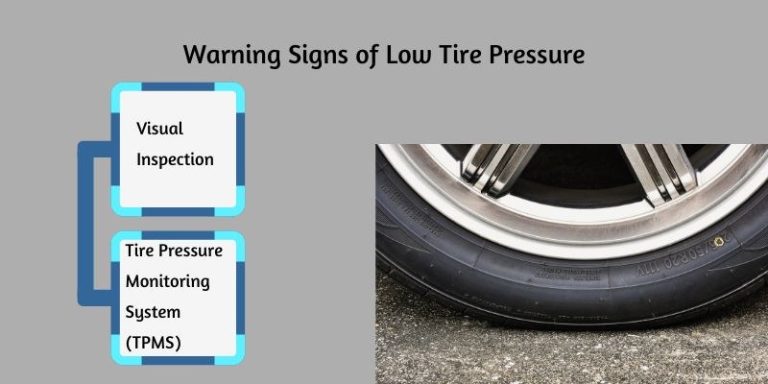
Portable inflators vary in how long they can run before they need a cool-down period. TPMS can warn you about low pressure, but it may not tell you which tire is losing air slowly or whether the pressure is only slightly off.
If your vehicle needs a TPMS relearn after tire service, follow the manual or a professional procedure. A warning light that goes away does not always mean the tire problem is solved.
Puncture location, temporary-repair limits, and professional-repair thresholds
Some punctures can be repaired, but sidewall damage and large cuts usually cannot. Temporary sealant or plug kits are only short-term measures and may not be appropriate for every tire.
If the puncture is in a repairable tread area, a proper shop repair is safer than relying on a temporary fix. If the tire is damaged beyond repair, replacement is the right call.
Why tire condition matters when a weak battery turns a minor issue into a roadside problem
When the battery is weak, you may not want to gamble on a long drive or a tire that is already low. Good tire condition helps reduce the chance that a battery problem becomes a bigger safety issue.
That is especially true for parents, commuters, and drivers who travel in dark or cold conditions. A ready battery and healthy tires make the vehicle easier to trust the next morning.
Conclusion
If your car battery is dead after sitting overnight, start by checking the battery itself, then look for a parasitic drain or charging-system problem. The right fix depends on whether the battery is weak, something is drawing power while parked, or the car is not recharging properly.
Use safe checks first, avoid replacing parts blindly, and stop if the battery looks damaged or the diagnosis is unclear. A careful test now is usually cheaper than repeated jump-starts later.
- Best for: Drivers who need a fast, practical way to narrow down an overnight no-start without guessing.
- Think twice if: The battery is swollen, leaking, frozen, or the vehicle has hybrid/EV-specific jump procedures you have not confirmed.
- Next step: Check battery age, resting voltage, terminal condition, and the owner’s manual before buying parts or repeating jump-starts.
Frequently Asked Questions
Yes. A weak battery, a small parasitic draw, or a charging problem can drain it while the car sits. Cold weather and short-trip driving can make the problem show up faster.
Check the resting voltage and look at how the car behaves after a jump and a short drive. If it keeps dying again, the battery may be worn out or something may be draining it.
Yes, especially if the battery is already old or weak. Common causes include interior lights, dash cams, aftermarket electronics, and modules that do not go to sleep properly.
Only if the battery is not damaged, swollen, leaking, or frozen. Follow the owner’s manual for the correct jump points and connection order.
A scanner can help read codes and check some live data, but it usually cannot prove the exact drain by itself. A proper parasitic draw test may be needed if the problem keeps returning.
Test first if you can. A bad alternator, loose terminal, or parasitic draw can make a new battery fail too, so diagnosis is usually the cheaper next step.