Why Does My Check Engine Light Come Back After Clearing Codes
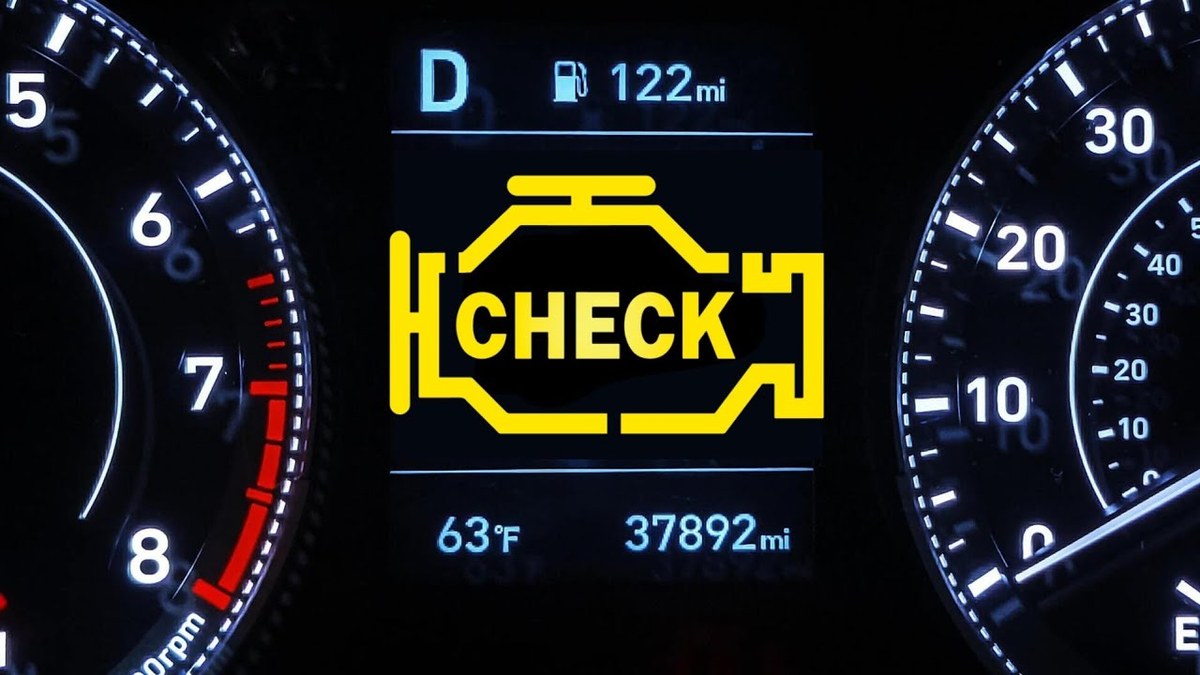
Clearing a check engine code turns the light off, but it does not fix the fault that caused it. If the ECU sees the same problem again during its self-tests, the light will come back.
why does my check engine light come back after clearing codes? In most cases, clearing codes only erases the warning and stored data for a while. If the original fault is still present, or the car’s self-checks see the problem again during normal driving, the light will return.
- Reset vs repair: Clearing codes removes the warning, not the root cause.
- Readiness matters: A reset can leave emissions monitors incomplete and cause inspection trouble.
- Battery check: Low voltage can trigger repeat or misleading engine codes.
- Tool limits: Basic scanners may miss transmission, ABS, hybrid, or manufacturer-specific faults.
- Stop signs: A flashing light, overheating, stalling, or severe power loss means get service instead of.
Why the Check Engine Light Comes Back After Clearing Codes
Temporary reset vs actual repair: what clearing codes really does
Clearing a code is not the same as fixing the cause. A scan tool tells the engine computer, often called the ECU or PCM, to erase stored diagnostic trouble codes and turn the light off. That can be useful for testing, but it does not repair a bad sensor, vacuum leak, ignition issue, EVAP leak, charging problem, or wiring fault.
Think of it like clearing a phone notification without reading the message. The alert disappears, but the reason behind it may still be there. Once the vehicle sees that fault again, the check engine light comes back.
How the ECU decides to turn the light back on after a drive cycle
Your vehicle does not usually switch the light back on the second you start the engine. The ECU runs self-checks called monitors during a drive cycle. These checks happen under certain conditions, such as a cold start, steady cruising, idling, deceleration, or highway speed.
If the same fault appears again and meets the computer’s criteria, the code may move from pending to confirmed, and the light returns. Some problems trigger the light on one trip. Others need two or more trips before the ECU decides the issue is real.
Why pending, confirmed, and permanent codes matter in 2026 vehicles
Modern vehicles can store several code types at once. A pending code means the car noticed a problem but has not fully confirmed it yet. A confirmed code means the fault met the conditions needed to store the code and often turn on the light. A permanent code is different. It stays in memory until the car proves through successful monitor tests that the repair actually worked.
That matters more on newer vehicles because emissions systems and onboard diagnostics are stricter than they were on older models. Even if a basic scanner says “codes cleared,” permanent codes and incomplete monitors may still affect inspection readiness.
What to Check First Before You Clear Codes Again

Loose gas cap, low system voltage, and recent battery disconnects
Start with the simple stuff. A loose or damaged gas cap can trigger EVAP-related codes. A weak battery or unstable charging system can also create strange faults across multiple systems. If the battery was recently disconnected, some monitors may need time and specific driving conditions to run again.
If you have repeated low-voltage issues, it helps to understand why a car battery can die after sitting overnight. A battery drain or charging problem can easily make the check engine light return even when the engine itself seems fine.
Driveability symptoms that mean you should stop troubleshooting and seek service
If the car is shaking, stalling, overheating, losing power, or flashing the check engine light, stop treating it like a simple reset problem. A flashing light often points to an active misfire that can damage the catalytic converter. Low oil pressure, high coolant temperature, or severe power loss also means it is time to stop guessing.
Safe-location basics if the light appears during a trip or roadside stop
If the light comes on while driving, do not start plugging in tools on the shoulder unless you are well away from traffic. Pull into a parking lot, service area, or another safe place. Shift into park, set the parking brake, and keep loose clothing and hands away from moving engine parts if the hood is open.
- Pull over only when you can do so safely and legally
- Check for obvious issues like a loose gas cap or warning lights for temperature and oil pressure
- Scan and record codes before clearing anything
- Stand close to traffic to diagnose a minor warning
- Ignore a flashing light, severe shaking, or overheating
- Keep clearing codes to “see if it goes away” without collecting data
How OBD2 Resets Work on Different Model Years and Vehicles
1996+ OBD2 coverage, CAN and newer protocol differences, and diesel/hybrid/EV exceptions
Most US-market 1996 and newer light-duty vehicles support OBD2 for emissions-related diagnostics, but coverage is not the same across every system. Engine codes are the most universal. Transmission, ABS, airbag, body, and hybrid control modules often need a better scanner, better software, or both.
Diesels, hybrids, plug-in hybrids, and EVs can also behave differently. Some still use OBD2-style diagnostics for emissions or powertrain monitoring, but the available data and reset functions vary by make, model, and system.
OBD2 port location, correct ignition mode, and why some scanners miss modules
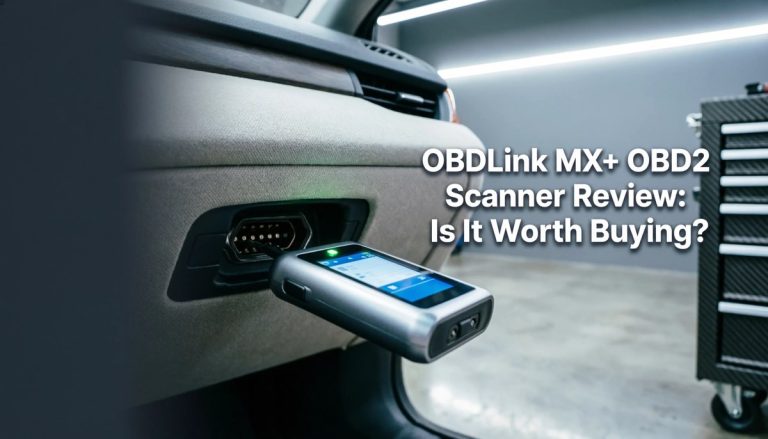
The OBD2 port is usually under the dash near the driver’s side, but exact location varies. Some vehicles require key-on engine-off mode for scanning, while others work best with the engine running for live data. If the scanner is in the wrong mode, it may connect poorly or miss useful information.
Basic readers also tend to see only generic powertrain codes. If you are having trouble linking up, this guide on why an OBD2 scanner won’t connect covers common port, power, ignition, and app issues.
Check: Verify your vehicle’s model year, engine type, protocol support, and whether you need engine-only or full-system coverage. Limitations: Many low-cost readers clear generic check engine codes but do not access ABS, SRS, transmission, hybrid, or manufacturer-specific modules.
Code-reading limits vs live-data limits in basic readers, apps, and pro scan tools
A cheap code reader may be enough to pull and clear a P-code, but that does not mean it can explain the cause. Live data matters because it shows what the car is seeing right now: fuel trims, coolant temperature, oxygen sensor activity, misfire counters, and voltage behavior. Without that context, a code can point you in the wrong direction.
That is why articles about whether a cheap OBD2 scanner can clear a check engine light often need a second question: can it read enough data to help you fix the real problem?
Firmware updates, app permissions, and phone compatibility issues that affect results
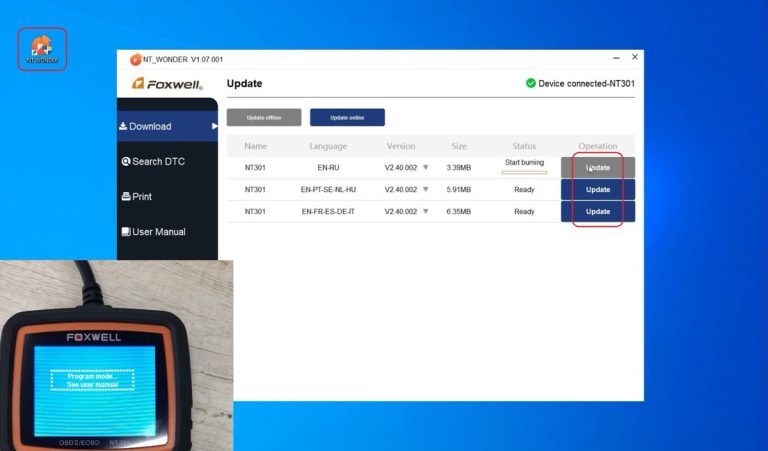
Bluetooth dongles and app-based scanners add another layer of possible trouble. The adapter may need firmware updates. The app may need Bluetooth, location, or background permissions. Your phone’s operating system version can also affect pairing and data stability.
If scan results seem incomplete, check the app’s support notes, update status, and vehicle coverage list before assuming the car is at fault.
Why the Light Returns Even When the Car Seems Fine
Emissions monitors, readiness status, and why a reset can fail inspection
After a reset, readiness monitors often go to “not ready.” That means the vehicle has not completed enough self-tests to prove emissions systems are working properly. In many states, that can cause an inspection failure or delay registration until the monitors finish and the car passes.
A car can feel normal and still fail a monitor. EVAP leaks, catalyst efficiency problems, and oxygen sensor faults often do not create obvious driveability symptoms at first.
Intermittent faults, temperature-related failures, and faults that need multiple trips to confirm
Some failures only happen when the engine is cold, when the weather is humid, or after the car reaches full operating temperature. Others show up only under load, at highway speed, or after sitting overnight. That is why the light may stay off for a day or two and then return.
These patterns are common with coils, sensors, small vacuum leaks, EVAP leaks, and aging wiring. The vehicle may seem fine around town but still store a code when the exact test conditions return.
Permanent codes, manufacturer-specific faults, and reset limitations no scanner can bypass
Permanent codes are designed to stop simple “clear and sell” behavior. If the repair is not complete, the vehicle will keep that record until it sees enough successful monitor results. Also, many manufacturer-specific faults need factory-level data or service information to diagnose correctly.
A reset command is not a shortcut around a real fault. It is only one step in the process.
Battery, Charging, and Electrical Problems That Trigger Repeat Codes
Normal system voltage ranges and how undervoltage creates false or recurring faults
Low voltage can confuse modules and create codes that look unrelated. A weak battery during startup or a charging problem while driving can trigger sensor reference issues, communication faults, throttle warnings, and transmission complaints. The exact normal range varies by vehicle and charging strategy, so the vehicle service information matters.
If voltage drops too low during cranking or while idling with accessories on, modules may store repeat faults even though the root problem is electrical, not mechanical.
State of charge vs battery health, battery chemistry differences, and why both matter
A battery can be fully charged and still be weak. State of charge tells you how much energy is in it right now. Battery health tells you whether it can still deliver current properly. That is why a simple voltage reading does not always tell the whole story.
AGM, flooded lead-acid, EFB, and other battery types also have different charging behavior. If you are checking the battery yourself, this explanation of what a battery tester tells you helps separate charge level from actual battery condition.
Correct battery connection order, damaged-battery stop conditions, and alternator checks
Any battery work should follow the vehicle manual and tool instructions. Wrong connection order, loose terminals, heavy corrosion, or a physically damaged battery can create more problems than the original code. Alternator output and cable condition also matter, especially if the light returns after every cold start or after running accessories.
Hybrid and EV high-voltage cautions: when DIY diagnosis is not worth the risk
Hybrid and EV systems can store dangerous voltage even when the vehicle seems off. A simple 12-volt issue may still be safe to check, but orange high-voltage cables, battery packs, inverters, and related connectors are not casual DIY territory. If a returning warning involves hybrid drive, charging, or isolation faults, professional diagnosis is usually the smart move.
Common Root Causes Behind a Returning Check Engine Light
EVAP leaks, oxygen sensors, catalytic converter efficiency, and misfire codes
These are some of the most common repeat offenders. A small EVAP leak can come from a loose gas cap, cracked hose, purge valve, vent valve, or fuel tank seal problem. Oxygen sensor and catalyst codes may point to a failed sensor, exhaust leak, wiring issue, or an engine problem that damaged the converter over time.
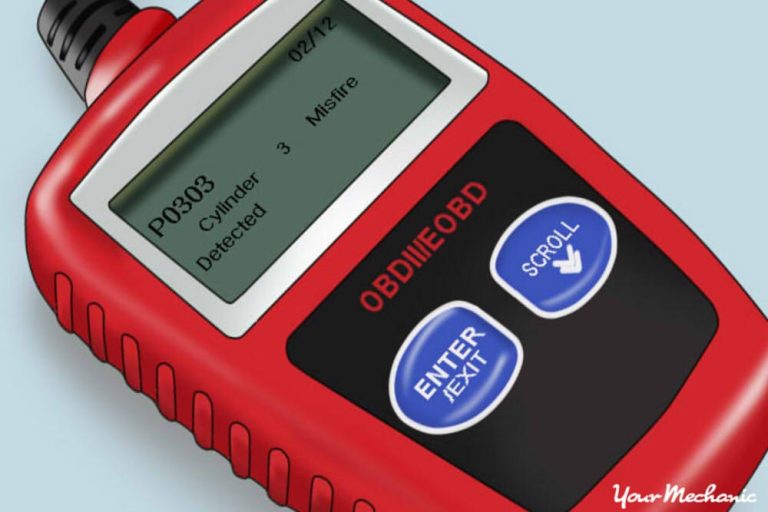
Misfire codes can come from spark plugs, ignition coils, injectors, compression problems, vacuum leaks, or fuel delivery issues. Clearing the code may hide the symptom briefly, but it will not stop the monitor from seeing the misfire again.
Air intake, MAF/MAP, vacuum leak, fuel trim, and ignition system problems
Airflow and fuel-trim codes often overlap. A dirty or failing MAF sensor, a leaking intake boot, a stuck PCV valve, weak fuel pressure, or leaking vacuum hose can all affect the air-fuel mix. The ECU then adjusts fuel trim to compensate, and once those corrections go too far, a code sets.
Ignition problems can feel minor at first. A small stumble under load may not seem serious to the driver, but the ECU tracks it closely.
Transmission, cooling, and network communication faults that basic code readers oversimplify
Sometimes the check engine light is tied to a transmission issue, thermostat performance problem, cooling fan fault, or a network communication problem between modules. A basic scanner may show a generic code that sounds simple when the actual cause is not.
That is one reason owners of newer turbo vehicles, hybrids, and multi-module vehicles often outgrow entry-level scan tools quickly.
Scanner, App, or Professional Diagnosis: Which Option Fits Your Vehicle and Budget?
Basic code reader vs Bluetooth OBD2 app vs professional diagnostic scan
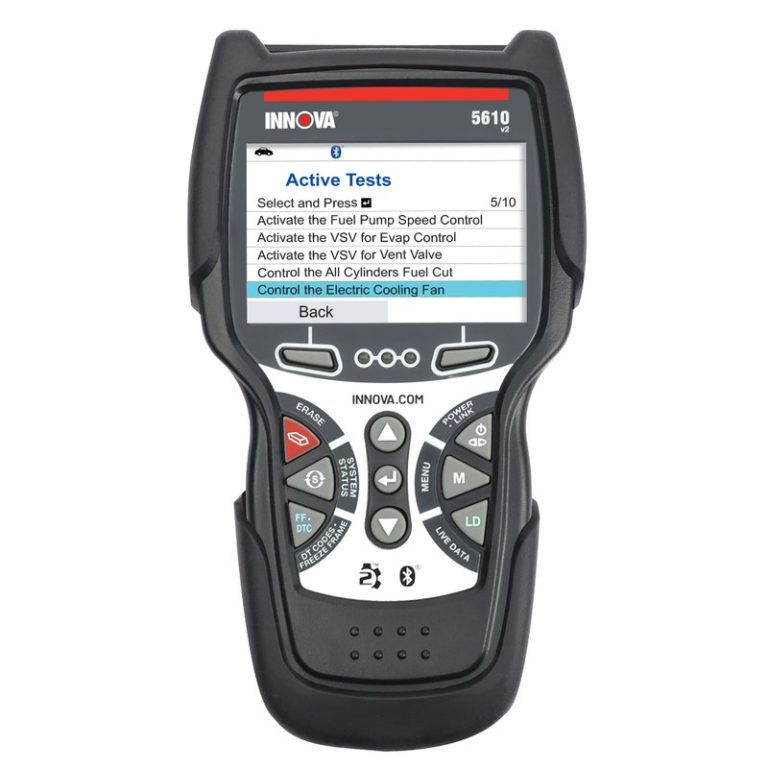
A basic reader is best for simple code checks and readiness status. A Bluetooth app setup can be more flexible if the app is well supported and your phone is compatible. A professional scan is usually the best choice when you need full-system coverage, manufacturer-specific data, guided tests, or confirmed repair direction.
Side-by-side comparison: cost, compatibility, live data, readiness checks, and reset capability
| Option | Best for | Owner consideration | Driver consideration |
|---|---|---|---|
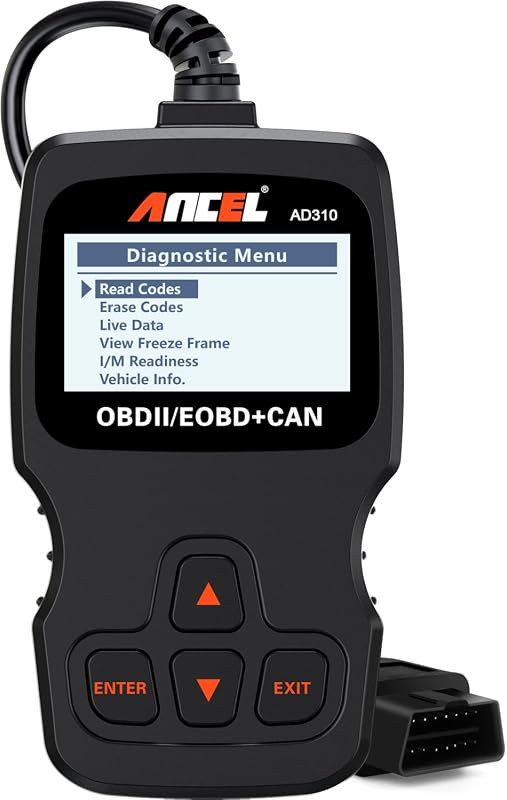
| Basic code reader | Older vehicles and simple engine-code checks | Usually the lowest cost, but limited module coverage | Good for quick parked checks, not deep diagnosis |
| Bluetooth OBD2 app | Owners who want portable live data and phone access | May depend on app support, permissions, updates, and subscriptions | Do setup while parked to avoid distraction |
| Professional diagnostic scan | Intermittent faults, newer vehicles, hybrids, and complex repairs | Higher upfront service cost, but often faster and more accurate | Better for issues that affect safety, power, or drivability |
Best fit for commuters, older vehicles, newer turbo models, hybrids, and multi-car households
If you commute in an older gas vehicle and mainly want to check engine codes and readiness, a simple tool may be enough. If you own a newer turbo vehicle, a hybrid, or several family cars, broader coverage and stronger app support usually matter more than the lowest price.
For households trying to avoid repeat parts-swapping, better live data is often more valuable than easy code clearing.
When Clearing Codes Creates Bigger Problems
Inspection and legal variation by state: readiness monitors, emissions testing, and registration delays
Resetting codes right before inspection can backfire. Even if the light stays off, incomplete monitors may still fail the test. In some areas, that can delay registration or require another inspection visit after the car completes enough drive cycles.
Loss of stored data that helps diagnose intermittent issues correctly
Freeze-frame data shows what the engine was doing when the code set. That can include load, RPM, coolant temperature, speed, and fuel-trim information. Erasing that data too early removes clues that a technician or advanced DIY owner could use to avoid wrong parts and wasted time.
Privacy and app-data concerns with connected scan tools and cloud-based diagnostics
Some tools sync data to the cloud or tie scans to a user account. That can be convenient for maintenance records, but it also means you should understand who stores the data, how long they keep it, and whether it may be shared with service partners.
What to Do Next if the Check Engine Light Keeps Coming Back
Use freeze-frame and live data before resetting anything again
Before you clear the light another time, pull the code, note whether it is pending, confirmed, or permanent, and save freeze-frame details if your tool supports it. Then look at live data for voltage, fuel trims, coolant temperature, and relevant sensor behavior. That gives you a much better shot at finding the real cause.
Decide whether the issue is safe to monitor, needs prompt repair, or requires towing
If the vehicle runs normally and the light is steady, you may have time to plan the next step. If the light is flashing, the engine is overheating, the transmission is acting up, or the car is unsafe to drive, do not keep experimenting with resets. Arrange proper service or towing.
Ownership cost, repair planning, and how to choose a qualified shop for final diagnosis
Ask whether the shop has experience with your make, engine type, hybrid system, or transmission. Confirm whether they can access manufacturer-specific codes and data, not just generic OBD2 codes. A clear diagnostic process usually saves money compared with repeated code clearing and random parts replacement.
- Best for: Owners who want to understand why a cleared check engine light returns and avoid wasting time on repeated resets.
- Think twice if: You plan to use code clearing as a fix, especially before inspection or when the vehicle has serious symptoms.
- Next step: Scan the vehicle, save freeze-frame and live data, check battery and charging condition, and repair the root cause before clearing codes again.
Frequently Asked Questions
Sometimes, but only if the light is steady and the vehicle feels normal. If the light is flashing, the engine is overheating, or the car is losing power, stop driving and get it checked.
Usually not right away. Clearing codes often resets readiness monitors, and many states require those monitors to complete before the vehicle can pass.
Yes, low system voltage can create repeat or misleading codes. That is especially common on newer vehicles with several control modules and sensitive electronics.
No. Many entry-level tools only clear generic engine codes, while better scanners may access more modules and manufacturer-specific data depending on the vehicle.
The ECU may need a certain drive cycle or operating condition before it confirms the fault again. Some problems only show up when the engine is cold, hot, under load, or at highway speed.
Usually no. Leaving the code stored gives the shop more useful clues, including freeze-frame data and monitor status, which can make diagnosis faster and more accurate.