How Long Does a Fanttik Tire Inflator Last? Lifespan and Performance Factors
A Fanttik tire inflator can handle several car-tire top-ups on one charge, but its runtime depends on the model and the pressure you need. The X8 Apex can run for up to about 40 minutes without a load, while real-world use usually lasts less because inflating tires requires more power.
You can typically expect several car-tire inflations per charge, with heavy use, cold weather, and low tire pressure reducing battery life. Charging often takes about two to three hours through USB-C, though larger models may need longer.
This guide explains expected runtime by model, factors that affect battery endurance, charging options, and practical ways to extend battery life.
Key Takeaways
- Expect several tire top-ups per full charge.
- Heavy loads and cold temperatures reduce runtime.
- Recharge through USB-C before the battery runs low.
Typical Runtime By Inflator Model
Runtime depends on battery size, tire pressure, temperature, and how hard you use the compressor. A compact model may provide several tire top-ups, while a higher-capacity unit can run longer but still needs breaks to prevent overheating.
Compact Portable Units
Compact Fanttik inflators, such as the X8 APEX, typically provide up to about 40 minutes of no-load operation on a full charge at room temperature. Actual pumping time is shorter because the motor works under pressure. Cold weather, low battery charge, and large tires can reduce the available runtime.
You can usually use this class of inflator for several small top-ups or multiple car tires, but the exact number depends on how much pressure each tire needs. The X8 APEX supports cars, motorcycles, bicycles, and sports equipment. Its automatic shutoff stops inflation at your selected pressure, which helps prevent unnecessary battery use.
For regular use, charge the unit fully before a long drive. Let it cool during repeated inflation sessions, especially when filling large car or SUV tires.
Higher-Capacity Battery Models
Larger models may offer stronger motors, faster inflation, and a different balance between runtime and charging speed. The Fanttik X9 Pro, for example, lists a runtime of about 23 minutes. Its shorter stated runtime does not necessarily mean weaker performance because its motor can inflate tires more quickly.
Your actual runtime depends on the work required. Filling a tire from 28 to 33 PSI uses less battery than inflating a nearly flat tire. High pressure, large tire size, and repeated use also increase heat and reduce operating time.
Check the model’s manual for its rated runtime and charging instructions. Treat published figures as test conditions, not a fixed number of tires. Allow the inflator to cool when the housing becomes hot, and recharge it before storing it in your vehicle.
Factors That Affect Battery Endurance
Your Fanttik inflator runs longer when it fills small tires from moderate pressures. Large tires, low starting pressure, cold conditions, and an aging battery increase operating time and reduce the number of inflations per charge.
Tire Size And Starting Pressure
Tire size strongly affects battery use. A bicycle or motorcycle tire holds less air than a passenger-car tire, so the compressor usually runs for less time. SUV, truck, and trailer tires need more air volume and can drain the battery faster.
Starting pressure also matters. Raising a tire from 30 to 35 PSI requires much less work than raising it from 10 to 35 PSI. A nearly flat tire may require a long, continuous run and can trigger the inflator’s heat protection.
Check the tire for punctures before inflating. A leak can keep the compressor running without restoring pressure, which wastes battery power. Let the unit cool between tires when you inflate several large or very low tires.
Target PSI And Inflation Volume
A higher target PSI usually requires more compressor runtime. Adding 2 or 3 PSI for routine adjustment takes less energy than filling a tire after a major pressure loss.
The total amount of air matters as much as the pressure number. Inflating four car tires from 28 to 35 PSI uses more battery than inflating one tire by the same amount. Air mattresses, sports equipment, and other large items can also consume significant power because they require a large volume of air.
Use the correct preset and check the pressure with a reliable gauge when finished. Stop the inflator after it reaches the recommended tire pressure rather than running extra cycles. Avoid repeated starts, which add motor load without adding useful air.
Ambient Temperature And Battery Condition
Temperature affects lithium-ion battery output. Fanttik states that the X8 APEX can run for about 40 minutes without a load at 25°C, but heavy use or lower temperatures can reduce that figure. Cold weather can lower available power and may make the compressor work less efficiently.
Battery age also changes endurance. Frequent deep discharges, high heat, and storage at full charge can reduce usable capacity over time. The inflator may still show a full battery while delivering less runtime than when new.
Store your inflator in a cool, dry place. Recharge it after use, keep the vents clear, and follow the manual’s charging instructions. If the unit becomes hot, allow it to cool before continuing.
Expected Number Of Tire Top-Ups
The number of top-ups depends on your tire size, pressure increase, battery condition, and inflator model. Small pressure adjustments use less battery than filling a nearly flat tire, so your results may vary.
Passenger Car Tires
A Fanttik inflator can typically handle several passenger-car tire top-ups on one charge. For example, the S100 APEX is rated to inflate a 26.3-inch tire from 28 to 33 PSI in about 56 seconds, while some Fanttik models advertise up to 40 minutes of operating time.
If you add only 2–4 PSI to each tire, you may service multiple vehicles before recharging. Filling a tire from a very low pressure takes longer and reduces the number of available top-ups. Cold weather, older batteries, and repeated use without cooling can also shorten runtime.
Check the recommended pressure on your vehicle’s door-jamb label, not the maximum PSI printed on the tire. Let the inflator cool if its manual requires it, and recharge it after roadside use so it remains ready.
Motorcycle And Bicycle Tires
Motorcycle and bicycle tires need less air volume than passenger-car tires, so a Fanttik inflator can usually complete more top-ups per charge. A motorcycle tire that needs a small pressure correction may take only a short operating cycle, leaving substantial battery capacity for additional tires.
Bicycle tires vary widely. A narrow road tire may require high PSI but little air volume, while a wide mountain-bike tire needs more air. Use the correct inflation mode and pressure unit, such as PSI, BAR, or kPa, before starting.
You should avoid relying on the pump’s maximum pressure rating as a measure of speed or battery life. High-pressure bicycle tires may inflate more slowly near the target setting, even though they contain less air than a car tire.
Larger Vehicle Tires
Larger tires on trucks, SUVs, vans, and trailers require more air than standard passenger-car tires. A Fanttik inflator may still correct a small pressure loss, but it will use more battery and take longer for each tire. Several severely underinflated large tires may exceed one charge.
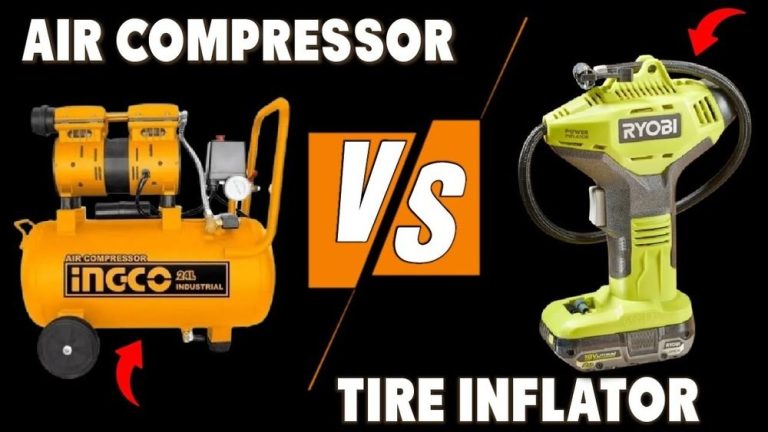
Use the inflator mainly for pressure adjustments and emergencies, unless your model’s manual confirms that it can complete the job safely. Do not expect a compact cordless unit to replace a high-volume shop compressor for repeated full fills.
Before a long trip, charge the battery fully and test the hose, connector, and pressure display. If you need to inflate multiple large tires, allow cooling breaks and keep a vehicle power source or larger compressor available.
Charging Time And Power Options
Your Fanttik inflator’s runtime depends on the model, battery condition, and workload. USB-C charging suits regular home use, while vehicle power or an external battery can help when you need to recharge away from an outlet.
USB-C Charging
Many Fanttik models, including the X8 Apex, charge through USB-C. A full charge typically takes about 3–4 hours, depending on the charger and battery level. The X8 Apex can run for up to about 40 minutes under light, no-load conditions, but inflating car or truck tires uses more power.
Use a compatible USB-C wall charger and cable. A higher-power charger may reduce charging time, but the inflator only draws the power it supports. Check the charging indicator before use, and allow the unit to cool after repeated inflations.
Battery life also changes with tire size and pressure. Small top-ups use little energy, while inflating a tire from near-flat requires much more. Store the inflator with a partial or full charge, and recharge it before long trips.
Vehicle Power And External Batteries
Some Fanttik models include a vehicle power option, while others work only from their internal battery and USB-C charging port. If your model supports vehicle charging, you can recharge it from a 12-volt outlet while parked. Do not use the outlet while driving unless the device and vehicle manual allow it.
A USB-C power bank can provide another charging option. The power bank must support the inflator’s required input, and its capacity determines how much charge it can add. A 65-watt USB-C source may work with compatible models, but you should confirm the required rating in your manual.
External power does not extend the inflator’s motor runtime unless the model supports operation while connected. Let the unit cool between tires, especially when using it for several vehicles or large tires.
Signs It Is Time To Recharge Or Replace The Battery
A slow motor and shorter use time can show that your Fanttik inflator needs a full recharge or battery service. Heavy loads, cold temperatures, and battery age can also reduce performance, so check these factors before replacing the unit.
Reduced Inflation Speed
If your inflator takes much longer than usual to fill the same tire, check the battery level first. A low charge can reduce motor speed and make inflation feel weak. Charge the device fully with a compatible, certified charger, then test it on the same tire and pressure setting.
The inflator may also slow down because of heat protection. Stop using it and let it cool before testing again. Avoid running it continuously beyond the recommended duty cycle, especially when filling large tires or raising pressure by many PSI.
If the motor remains slow after a full charge and a cooling period, the battery may have lost capacity. A damaged hose, blocked air path, or loose valve connection can cause similar symptoms, so inspect those parts before replacing the inflator.
Shortened Operating Time
A Fanttik X8 APEX battery can run for about 40 minutes without a load at 25°C, but real inflation takes more power. Large tires, high target pressures, cold weather, and repeated use can shorten that time.
When your inflator stops much sooner than it once did, charge it fully and compare its performance with your normal tire work. If it shuts off quickly, shows an inaccurate battery reading, or loses power soon after charging, the battery may be worn or damaged.
Store the inflator in a cool, dry place and avoid leaving its battery fully empty for long periods. Do not open or replace a built-in lithium battery yourself. Contact Fanttik or an authorized service provider if the battery swells, becomes unusually hot, leaks, or fails to hold a charge.
Tips To Extend Service Life
Good storage protects the battery, while controlled use limits heat and motor wear. Charge the inflator correctly, keep it clean and dry, and follow its duty-cycle limits during inflation.
Proper Storage
Store your Fanttik inflator in a cool, dry place away from direct sunlight, moisture, and hot vehicles. Extreme heat can shorten lithium-ion battery life, while damp conditions may damage electronic parts. Keep the unit, hose, and adapters together so the connections do not get lost or damaged.
Before long-term storage, charge the battery to about 40–60% rather than leaving it empty or fully charged for months. Check the charge every few months and recharge it if needed. Do not store or use the inflator if the battery case looks swollen, cracked, or damaged.
Clean dirt from the air outlet, hose connector, and control panel with a dry or slightly damp cloth. Do not immerse the inflator or spray cleaners into its openings. Use the charger recommended for your model, and unplug it after charging if the manual advises this.
Avoiding Overheating And Overuse
Follow the rest periods in your model’s manual. Inflating several tires in a row, using the highest pressure setting, or working in hot weather can make the motor and battery heat up. If the case becomes hot, the unit slows down, or a protection warning appears, stop and let it cool before continuing.
Use the correct mode and target pressure for the item. Check the valve connection for leaks, since a poor seal forces the pump to run longer. Keep the hose straight and avoid blocking the air vents.
Do not use the inflator for tasks outside its rated purpose. Avoid running it continuously while unattended, and do not keep restarting it after thermal protection shuts it off. Recharge the battery only after the unit has cooled, and stop using it if you notice unusual noise, burning smells, smoke, or repeated shutdowns.
Frequently asked questions
How long does the Fanttik X8 APEX battery last?
You can usually inflate several car tires on one charge, but the exact number depends on tire size, starting pressure, and target pressure. Fanttik lists about 40 minutes of operating time under its stated conditions.
How long does it take to inflate a car tire?
The X8 APEX can inflate a typical tire in about a minute when you add a few PSI. Tests have reported filling a 215/55 R17 tire from 28 to 33 PSI in roughly 56 seconds. Larger tires or bigger pressure increases take longer.
Does the battery last for years?
The rechargeable battery’s service life depends on charging habits, heat, storage, and how often you use the pump. Avoid leaving it fully discharged for long periods, and store it in a cool, dry place.
Can you use it while charging?
Check your model’s manual before doing this. A portable inflator may charge through USB-C, but charging does not always mean the compressor can run at the same time.
How long does a full recharge take?
Charging time depends on the charger, cable, and remaining battery level. Use a compatible charger and follow the indicator lights rather than relying on a fixed time.
What happens when the battery runs out?
The compressor stops, and you must recharge it before continuing. Set the target pressure first, since the automatic shutoff helps prevent overinflation while power remains.
Conclusion
A Fanttik tire inflator typically gives you several car-tire inflations per charge, depending on tire size, starting pressure, temperature, and the model you own. The X8 Apex, for example, can run for up to about 40 minutes without a load, but real use under pressure reduces that time.
You should treat the battery as an emergency and maintenance tool, not as a replacement for a full-size air compressor. Recharge it after use, especially if you inflate a tire from very low pressure.
| Use | Expected battery demand |
|---|---|
| Small top-up | Low |
| Bike or motorcycle tire | Low to moderate |
| One car tire from low pressure | Moderate to high |
| Several car tires from low pressure | High |
Your inflator may also support USB-C charging, a built-in light, or a car-power adapter, depending on the model. Check your specific manual for charging limits, battery details, and supported power sources.






2 Comments