Do Tire Repair Kits Really Work for a Temporary Roadside Fix?
Yes, tire repair kits can work for a small tread puncture long enough to reach a shop. They are not a permanent fix, and they should not be used on sidewall damage, large cuts, or a tire that was driven flat for too long.
do tire repair kits really work is the right question to ask before you trust one on the shoulder of a busy road. The short answer is yes, but only for certain punctures and only as a temporary fix until the tire can be inspected or replaced.
For most drivers, a repair kit is a get-home tool, not a full repair. It can buy time after a nail or small tread puncture, but it cannot safely solve every flat, sidewall cut, bead leak, or damaged wheel problem.
- Temporary only: Most kits are meant to get you to a repair shop, not replace a.
- Damage matters: Small tread punctures are the best match; sidewall and structural damage are not.
- Check pressure: Use the vehicle placard pressure and a cold-tire reading when possible.
- Maintain the kit: Sealant dates, battery charge, hoses, and adapters can all affect whether it works.
- Get help fast: Repeated air loss or a tire driven flat usually means the tire needs professional.
Direct Answer: What do tire repair kits really work Means for Owners and Drivers
When people ask whether tire repair kits really work, they usually want to know if the kit will hold air long enough to reach a shop. In that sense, many kits do work when the damage is small, the puncture is in the tread, and the tire is still structurally sound.
The catch is that “work” does not mean “permanent.” A plug, sealant, or patch-style emergency product may restore enough pressure for a short drive, but it does not erase the need for a proper inspection. If the tire has been driven on while flat, the inside may already be damaged.
For owners, the main value is convenience and reduced towing risk. For drivers, the main value is time: a way to move the car to a safer location without changing a tire on the roadside.
How It Works and What It Can Actually Do
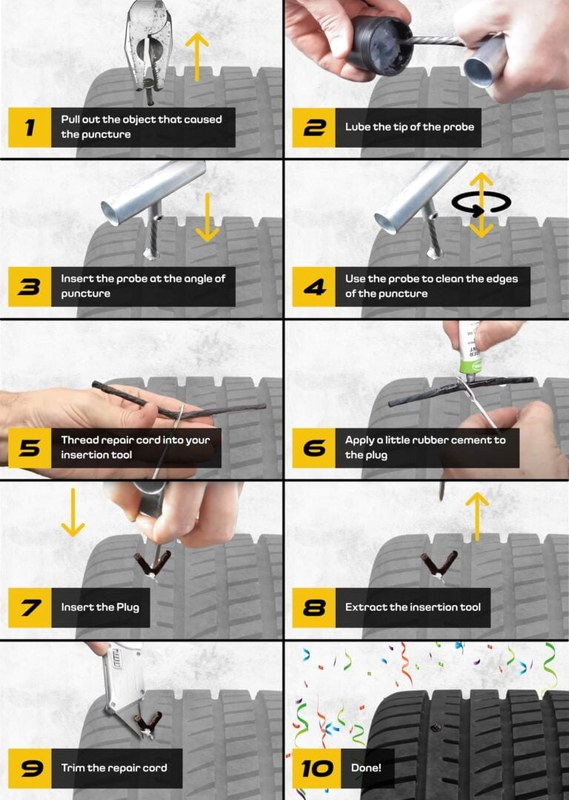
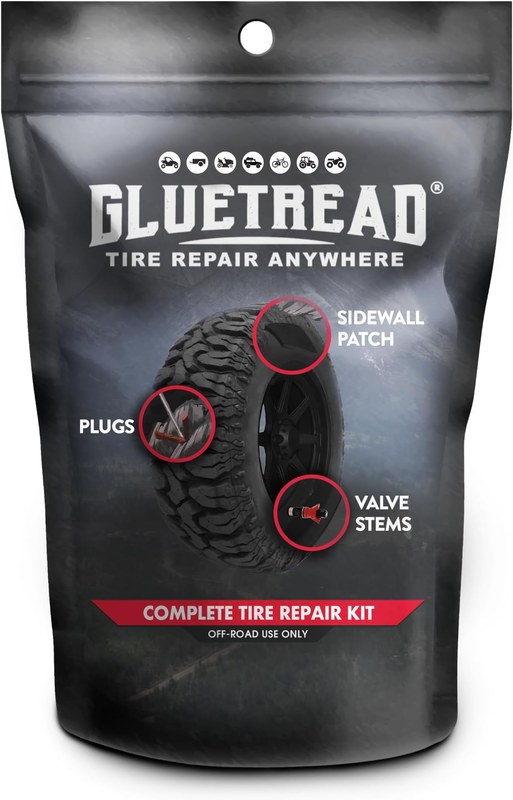
Most roadside tire repair kits use one of three ideas. Some inject sealant into the tire, some push a sticky plug into the puncture, and some combine a plug with an inflator. Each method has different limits and different cleanup needs.
Sealant products can help with very small punctures by coating the inside of the tire and slowing air loss. Plug kits fill the hole from the outside or through the tread area. Inflator kits simply restore pressure after the leak has been slowed or temporarily blocked.
The important limit is that these products do not fix every leak. They are not designed for large punctures, damaged valve stems, rim leaks, or tire damage near the shoulder or sidewall. If the leak is too large, the kit may only buy a few minutes.
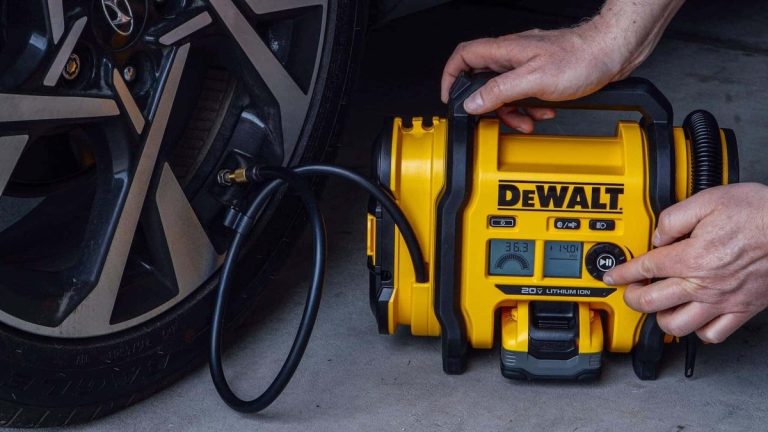
For a broader look at emergency tire equipment, it helps to understand how a portable tire inflator is used and when inflation alone is not enough. If you are comparing compact roadside tools, our guide to the best portable tire inflator can help you separate simple air pumps from full repair kits.
Vehicle and Tool Compatibility Requirements
Compatibility matters because not every tire, wheel, or vehicle setup can accept a temporary repair. The safest first check is the owner’s manual and the tire information placard on the driver’s door jamb. That placard shows the recommended cold pressure, which is the baseline you should restore after any temporary fix.
Check: Verify make, model, year, trim, tire size, valve access, and whether the vehicle uses a compact spare, run-flat tire, or tire sealant system from the factory. Limitations: Some vehicles restrict sealant use, and some TPMS sensors may be affected by certain sealant products.
Run-flat tires and foam-filled tires may have different repair rules than standard passenger tires. Some tire makers allow only certain puncture repairs, while others advise replacement after specific damage. That is why the tire brand’s guidance matters as much as the kit instructions.
If your vehicle already has a factory sealant or inflator system, adding another product may create a mess or complicate later service. That is especially important for leased vehicles and newer models where wheel and sensor damage can increase repair cost.
Drivers who also want a better understanding of vehicle coverage should review whether OBD2 scanners work on all cars. The lesson is similar: tool usefulness depends on the vehicle platform, not just the product label.
Correct Connection, Measurement, or Repair Procedure

Temporary tire repair works best when the steps are calm, clean, and done in the right order. First, move the vehicle to a safe, level area away from traffic if you can do so without driving on a severely flat tire. Then inspect the tire from the outside before deciding whether the kit is appropriate.
Look for a small hole in the tread area, not a sidewall cut or large tear.
Use the vehicle placard pressure as the target and measure before adding air when safe.
Use the sealant, plug, or inflator in the sequence listed by the manufacturer, then recheck pressure.
Cold-tire pressure is important because heat from driving can change the reading. If you inflate a warm tire, the number may look fine in the moment but still be off once the tire cools. A basic accurate gauge is more reliable than guessing by feel.
After any temporary repair, drive gently and avoid high speeds, hard cornering, and long trips. If the tire loses air again, the repair has failed and the vehicle should be stopped as soon as it is safe to do so.
Safety Limits, Results, and Ownership Costs
The biggest safety limit is simple: a kit can only help if the tire still has enough structure left to hold a temporary repair. If the tire was driven flat for too long, internal sidewall damage may be hidden even when the outside looks fine.
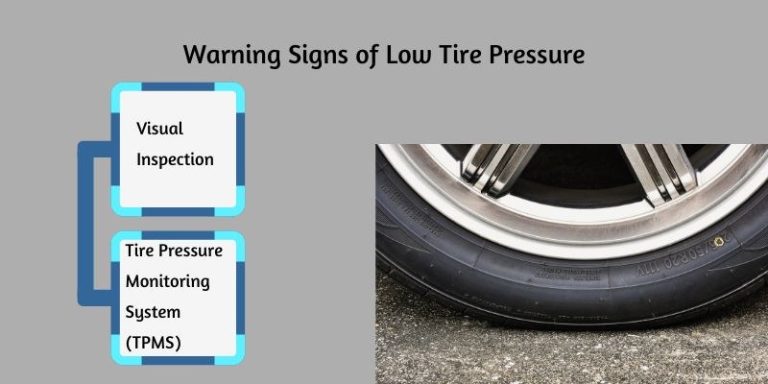
Another limit is TPMS behavior. A tire pressure monitoring system can alert you to low pressure, but it cannot tell you whether the tire is repairable. It also does not replace a physical inspection of the tread, valve stem, and wheel.
Ownership cost is often low at first, but some kits use single-use sealant bottles or cartridges that must be replaced after use or after a shelf-life limit. That means the cheapest kit on the shelf is not always the cheapest to keep ready.
For owners who want to compare emergency inflation tools, our related guides on the Fanttik X8 Apex tire inflator and Fanttik tire inflator lifespan can help explain why storage, duty cycle, and replacement parts matter over time.
Testing, Maintenance, and Storage
Even a good kit can fail if it is neglected in the trunk. Sealant can expire, hoses can crack, batteries can lose charge, and pressure gauges can drift. That is why maintenance matters as much as the original purchase.
Before long trips, check that the kit is complete. If the product uses a 12V plug, make sure the cord reaches the vehicle outlet and that the outlet still works. If it uses a rechargeable battery, verify the charge level before you leave home.
Storage also affects usability. A kit buried under luggage is less helpful than one secured in an easy-to-reach spot. Keep gloves, a flashlight, and a pressure gauge with it if the kit does not already include them.
Common Mistakes and When to Get Professional Help
The most common mistake is using a repair kit on damage it was never meant to handle. Another is driving too far after the first warning light, which can turn a repairable puncture into a tire replacement.
- Confirm the puncture is in the tread and small enough for temporary repair
- Use the vehicle placard pressure as your target
- Inspect the tire again after inflation and before highway driving
- Assume sealant makes the tire permanently safe
- Use a kit on a sidewall cut, bent wheel, or shredded tire
- Ignore repeated pressure loss after the temporary fix
Get professional help if the tire is losing air quickly, if the puncture location is unclear, or if the tire has already been driven flat. A tire shop can inspect the inside of the tire, check the wheel, and decide whether a proper plug-patch repair or replacement is needed.
It is also smart to get help if you are unsure about the vehicle’s repair rules. Some tire and vehicle makers are strict about what can be repaired and what must be replaced, especially on performance tires, low-profile tires, and certain run-flat setups.
Roadside repair practices, tire disposal, and emergency equipment use can vary by state and local rule. Verify current requirements with your state agency or tire shop before relying on a temporary repair as a long-term solution.
Final Recommendation
Tire repair kits do work for many small tread punctures, but only as a temporary roadside fix. They are best for drivers who need to reach a safe location or a repair shop, not for anyone looking for a permanent solution.
- Best for: Drivers who want a compact emergency option for a small tread puncture and a short drive to service.
- Think twice if: Your tire has sidewall damage, repeated air loss, or unknown structural damage.
- Next step: Check your tire placard pressure, confirm kit compatibility, and plan for a professional inspection after any temporary repair.
Frequently Asked Questions
No. They usually help only with small punctures in the tread area. Sidewall damage, large cuts, and bent wheels need professional service.
Usually not. Most kits are meant for a short drive to a repair shop or safe location. Follow the product instructions and keep speeds modest.
It can, depending on the product and vehicle. Check the tire and vehicle manuals before use so you know what cleanup or service may be needed.
Check your tire placard pressure, the kit type, storage needs, and whether it includes a gauge or inflator. Also review sealant shelf life and replacement cost.
Keep it dry and away from extreme heat or freezing when possible. Inspect the sealant date, hose condition, and power source before trips.
Stop if the tire keeps losing air, the puncture is in the sidewall, or the tire was driven flat for too long. A tire shop can tell you whether repair or replacement is safer.