What Vehicles Are Compatible With Foxwell NT301: Compatibility Guide
The Foxwell NT301 works with most OBD2-compliant cars, SUVs, and light trucks. It generally supports vehicles made from 1996 in the United States, 2000 in Europe, and 2000 in many Asian markets, though exact coverage varies by model and engine.
The NT301 is compatible with a vehicle that has a standard 16-pin OBD2 port and meets the required emissions standard. It mainly reads engine and emissions data, so it may not support systems such as airbags, ABS, or transmission control on every vehicle. Checking the vehicle’s year, market, VIN, and Foxwell coverage list can prevent compatibility problems.
Key Takeaways
- The NT301 supports many OBD2 vehicles from the listed model years.
- Its main coverage focuses on engine and emissions diagnostics.
- The vehicle’s port, market, model, and VIN affect compatibility.
Supported Vehicle Standards
The Foxwell NT301 supports vehicles that use recognized OBD-II or EOBD communication standards. Compatibility depends on the vehicle’s model year, market, engine, and installed diagnostic system.
OBD-II Compliance Requirements
The NT301 works with most OBD-II-compliant passenger cars, SUVs, light trucks, hybrids, and vans. Typical coverage includes gasoline vehicles from 2001 onward and diesel vehicles from 2004 onward, although some earlier vehicles may also work.
For vehicles sold in the United States, OBD-II coverage generally begins with 1996 models. The vehicle must have a standard 16-pin diagnostic connector, usually located beneath the dashboard. Its emissions label should also state that the vehicle meets OBD-II requirements.
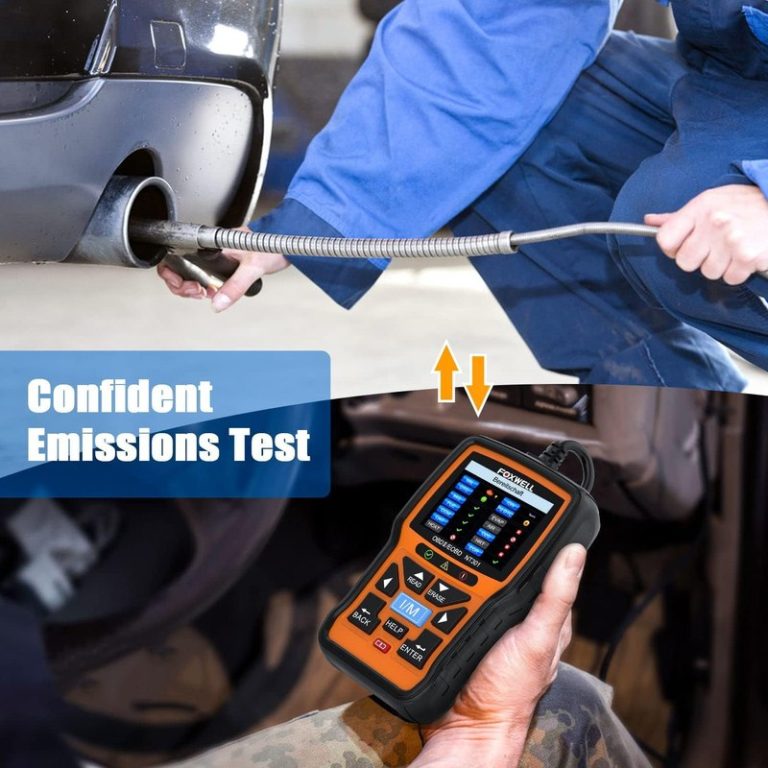
The NT301 mainly reads emissions-related data, including stored and pending fault codes, live sensor information, the VIN, and some oxygen sensor results. It does not provide full manufacturer-level access on every vehicle, so supported functions can vary by year, make, model, and engine.
EOBD Coverage for European Models
The NT301 supports EOBD-compliant European vehicles when they use the required 16-pin connector and compatible communication protocols. European gasoline models commonly qualify from 2001 onward, while diesel coverage commonly begins with 2004 models.
A vehicle’s emissions label or owner’s manual can help confirm EOBD compliance. The scanner may read engine and emissions faults, but it may not access systems such as airbags, ABS, transmission, or body controls unless the specific tool version supports those manufacturer functions.
Before purchase, the owner should check Foxwell’s coverage checker using the vehicle’s exact year, make, model, engine, and market. This check confirms both basic connection compatibility and the diagnostic functions available for that vehicle.
Vehicle Makes And Model Years
The Foxwell NT301 supports vehicles that use standard OBD2 or EOBD systems, but coverage depends on the vehicle’s market, engine, model year, and diagnostic protocol. It usually reads emissions-related codes and live data; it does not provide full coverage for every manufacturer system or advanced service function.
U.S. Gasoline Vehicles
The NT301 generally supports U.S.-market gasoline vehicles from the 1996 model year onward when they have a standard 16-pin OBD2 port. This includes many cars, SUVs, light trucks, hybrids, and vans sold under brands such as Ford, Chevrolet, Dodge, Toyota, Honda, Nissan, Hyundai, Kia, Volkswagen, and Subaru.
It can typically check the engine or powertrain control system for emissions-related trouble codes, clear codes, display live sensor data, and verify some readiness monitors. A compatible vehicle may still limit access to manufacturer-specific systems, such as air bags, transmission modules, body controls, or advanced maintenance functions.
The vehicle must meet OBD2 requirements and have a working diagnostic connector. Some early 1996 models and vehicles with unusual wiring may require a compatibility check before purchase.
U.S. Diesel Vehicles
U.S.-market diesel vehicles generally need to be 1996 or newer and OBD2 compliant. The NT301 may read standard emissions-related data from compatible diesel cars, SUVs, vans, and light-duty trucks through the 16-pin connector.
Diesel support can vary more than gasoline support because manufacturers use different control systems and protocols. The scanner may identify engine fault codes and show available live data, but it may not access every diesel-specific system, including certain glow-plug, diesel exhaust fluid, particulate filter, or regeneration controls.
Heavy-duty trucks and vehicles using nonstandard connectors may fall outside its coverage. Before buying, the owner should confirm the exact year, make, model, engine, and connector type with Foxwell’s coverage checker.
European And Asian Vehicles
The NT301 supports many European vehicles from about 2001 onward and Asian vehicles from about 2005 onward, provided they use compatible EOBD or OBD2 systems. Coverage may include models from BMW, Mercedes-Benz, Volkswagen, Audi, Volvo, Toyota, Honda, Nissan, Mazda, Hyundai, and Kia.
These dates serve as general starting points, not guarantees for every model. Some vehicles introduced earlier or later may use a different protocol, while certain models may need an adapter cable. European and Asian vehicles can also restrict access to manufacturer-specific modules and functions.
The owner should check the exact vehicle record before purchase. The check should include the model year, engine type, market, VIN, and whether the car has a standard 16-pin OBD2 port.