Best Car Battery Tester With Printer: Shop and DIY Buyer Guide
Last Updated: September 15, 2026
Quick Verdict: A Printer Is Worth It When You Need Proof
The best car battery tester with printer is the one that gives you a clear battery, cranking, and charging-system report you can hand to a customer, keep with service records, or use during a used-car inspection. TOPDON BT300P-style testers, ANCEL printer testers, and Foxwell battery analyzers are good comparison starting points, but verify supported battery types and paper availability before buying.
A printed battery test report is not necessary for every driveway owner. If you only test your own car twice a year, a standard digital tester may be enough. But for small shops, mobile mechanics, detailers, used-car buyers, and serious DIY owners, a built-in printer makes the result easier to document and explain.
| Tester type | Best for | Before you buy, check |
|---|---|---|
| Printer battery tester | Printed records, customer explanation, used-car inspections | Battery type support, print paper, language/report format |
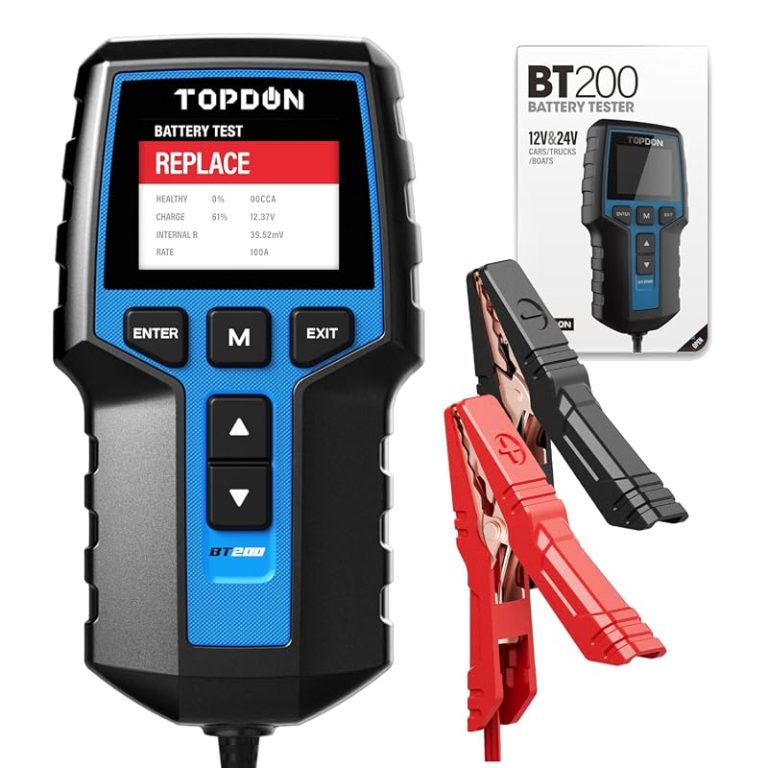
| Standard digital battery tester | Home battery health checks without paper reports | Display clarity, CCA range, 12V support, charging test |
| Bluetooth/app battery tester | Drivers who want saved reports on a phone | App support, account requirements, export options |
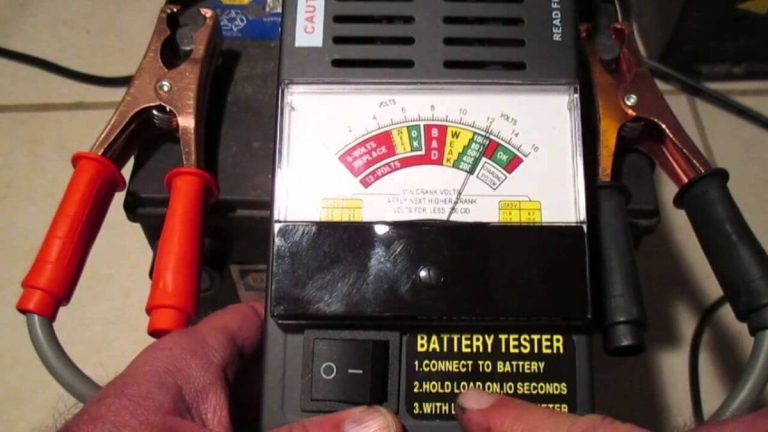
| Carbon pile/load tester | Old-school load testing and shop diagnostics | Safety, training, battery condition, tool size |
Best Battery Testers With Printers to Compare
TOPDON BT300P battery tester
The TOPDON BT300P is a natural comparison point for buyers who want a printed report from a recognizable automotive diagnostic brand. Confirm the current listing details before buying.
ANCEL battery tester with printer
ANCEL printer testers are worth comparing if you need a simple report workflow for 12V battery and charging-system checks. Match the exact model to your battery types.
Foxwell battery analyzer with printer
Foxwell battery analyzers can be a useful alternative when you want a diagnostic-tool brand and a report-focused workflow. Verify print and battery support on the exact model.
Who Should Pay Extra for a Printer?
- Small shops: A printed result helps customers understand why a battery replacement or charging-system check is recommended.
- Mobile mechanics: Paper reports make driveway service look more professional and easier to document.
- Used-car buyers: A printed battery and charging result can support your inspection notes.
- Fleet or family vehicle owners: Printed records help track battery decline over time.
- Basic DIY owners: Skip the printer if you only need occasional yes/no battery health checks.
What to Look for in the Report
A useful printed report should show enough information to explain the result: measured voltage, battery health result, cranking or charging-system result when tested, and basic battery rating input. If you are still learning the basics, start with CarValleyNJ’s guide to how to test a battery with a battery tester, the roundup of the best TOPDON battery testers, and the explanation of what a TOPDON-style tester checks.
It is worth it if you need records for customers, fleet maintenance, used-car checks, or service documentation. For occasional home use, a non-printer tester may be enough.
Some do, but you must confirm AGM support on the exact model and select the correct battery type during testing.
Many battery testers include cranking and charging-system checks, but support varies by model. Read the listing and manual before buying.
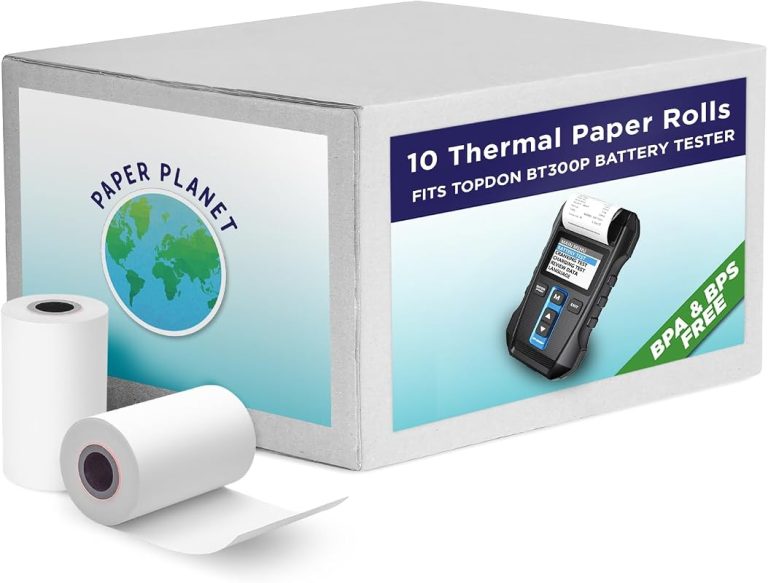
Most use thermal printer paper, but size and refill availability vary. Check refill compatibility before relying on it for shop use.
Final verdict: Buy a battery tester with printer if documentation matters. For pure home diagnostics, a simpler digital tester can be better value; for small-shop or inspection use, the printed report can justify the extra cost.