Why Is One Tire Losing Air but There Is No Nail? Valve Stem Leaks
One tire can lose air with no nail when the valve stem, bead seal, TPMS gasket, or wheel surface leaks. A soapy-water test at home usually finds the exact spot before you pay for a shop repair.
If you have been searching for why is one tire losing air but there is no nail, the answer is usually hiding in a part you cannot see from the tread surface. Valve stem leaks, bead seal failures, wheel corrosion, and TPMS sensor gaskets can all cause a slow pressure drop without a single visible puncture. This guide walks through each cause, shows you how to test at home, and explains when a repair is safe.
- Valve stem first: The valve core and stem body are the most common hidden leak points.
- Bead and wheel: Dirt, rust, or curb rash can break the tire-to-rim seal.
- TPMS gasket: A worn sensor seal can leak even when the tread looks perfect.
- Soapy-water test: A spray bottle and dish soap find most slow leaks in minutes.
- Know the limits: Sidewall punctures and tires driven flat need replacement, not a plug.
The Quick Answer: Why One Tire Loses Air With No Nail — Valve Stems and Beyond
A tire holds air inside an assembly, not just the rubber casing. Air can escape through four main paths: the valve stem, the bead seal, the wheel surface, or the rubber itself. A nail is only one possibility. When you find a low tire with no nail, start by checking the valve stem first.
Valve Stems, Bead Seals, and Wheel Damage: The Usual Suspects
The valve stem is the small rubber or metal tube that sticks out of the wheel. It is the most common hidden leak point because it is exposed to sun, heat, and road chemicals. The bead seal is the edge of the tire that presses against the rim. Wheel damage, such as curb rash or rust, can break that seal. All three can leak slowly without leaving any visible mark on the tread.
Why the Door-Jamb Placard and Cold Pressure Set the Baseline
The door-jamb placard lists the cold inflation pressure for your vehicle. Cold means the car has been parked for at least three hours or driven less than a mile. Checking a warm tire gives a false reading. Use the placard number, not the number molded on the sidewall, as your target.
Valve Stem Leaks: The Most Common Hidden Culprit
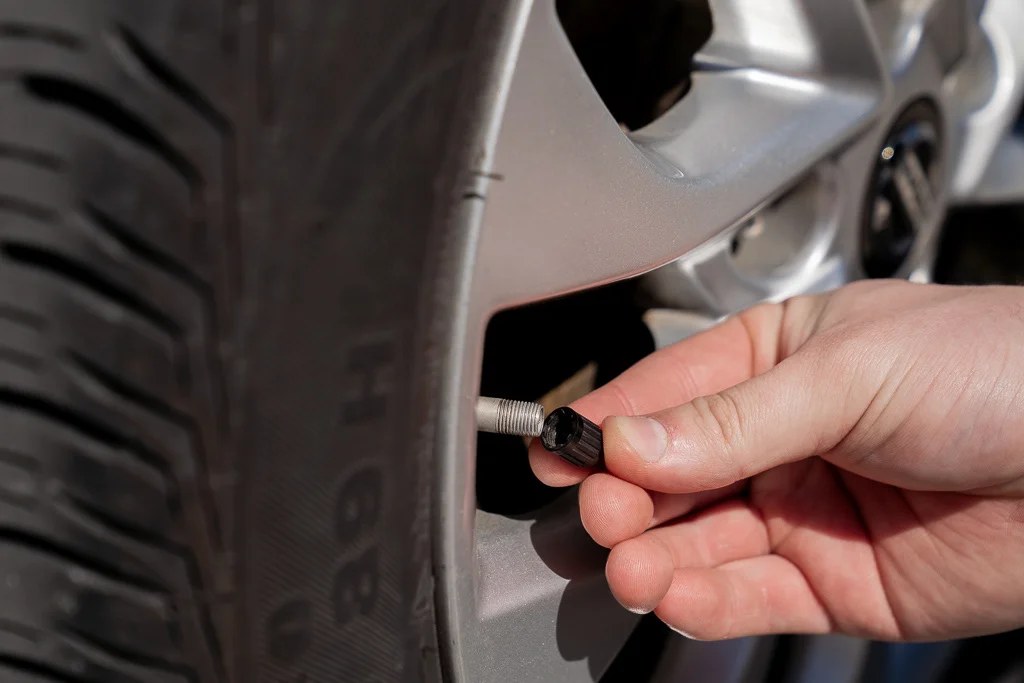
Valve stem leaks are the most common cause of a tire losing air with no nail. The stem seals against the wheel, holds the valve core, and keeps dirt and moisture out.
Valve Core vs. Valve Stem Body: Where the Leak Actually Starts
The valve core is the tiny threaded piece inside the stem that seals the air. The stem body is the outer rubber or metal tube. Both can leak. A loose or dirty valve core is a common cause. The rubber stem body can also crack with age, especially on vehicles exposed to sun and road salt.
How to Test a Valve Stem Leak With Soapy Water
Mix a few drops of dish soap with water in a spray bottle. Spray the entire valve stem, including the base where it meets the wheel. Watch for bubbles that grow or multiply. A steady stream of bubbles means you found the leak. Tighten the valve core with a small tool first, then re-test. If bubbles stop, you saved yourself a trip to the shop.
Valve Stem Replacement: Installation Steps, Compatibility, and Ownership Cost
If the stem body is cracked, replacement is the fix. A shop can install a new rubber or metal snap-in stem in minutes. Metal clamp-in stems are common on TPMS-equipped vehicles. Some TPMS sensors have the stem built into the sensor body. Compatibility depends on the wheel type, sensor design, and vehicle model year.
Bead Leaks and Wheel Corrosion: Where Rubber Meets Metal
The bead is the reinforced edge of the tire that locks against the wheel rim. This seal has to stay airtight through cornering, braking, and temperature swings. When it fails, the tire loses pressure slowly, often a few PSI per week.
How Dirt, Rust, and Curb Rash Break the Seal
Dirt can pack between the tire and rim during off-road driving or after years on the road. Rust forms on steel wheels when the paint or coating wears away. Curb rash scrapes the edge of aluminum wheels, leaving a rough surface. Any of these can let air sneak past the bead.
Why Wheel Material, Age, and Finish Affect Repair Success
Steel wheels can rust and pit over time. Alloy wheels can corrode where the clear coat is damaged. A shop may clean the bead surface and re-seat the tire, which often works. If the wheel is cracked, bent, or heavily corroded, replacement may be the safer option. Wheel repairs have limits, and a damaged wheel is not worth the risk.
TPMS Sensor Gaskets and Tire Porosity: Less Obvious Causes
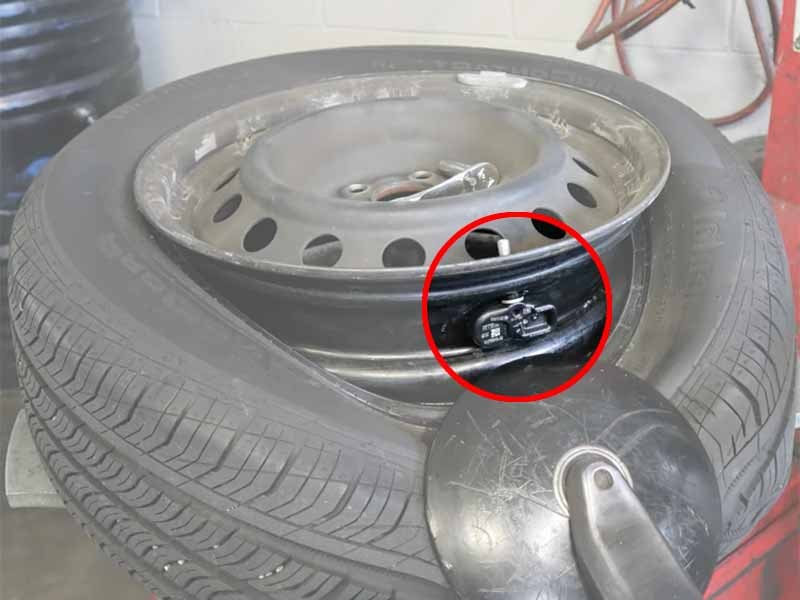
Some leaks hide behind parts you never see. TPMS gaskets and the rubber itself can both cause a slow drop.
The Sensor’s Gasket: A Small Part With a Big Job
Most direct TPMS sensors mount inside the wheel and use a rubber gasket to seal the opening. That gasket can dry out, crack, or shift during tire service. When it fails, air escapes around the sensor body. The leak is slow and hard to spot without removing the tire.
Tire Porosity: When the Rubber Itself Weeps Air
Tire rubber is not completely airtight. A small amount of air passes through the rubber over time, which is normal. In rare cases, a tire with a damaged inner liner or a manufacturing defect loses pressure faster than normal. This is less common than valve or bead leaks, but it explains why some tires lose a few PSI every month with no obvious cause.
How to Diagnose the Leak Yourself at Home
You do not need a shop to find most slow leaks. Basic tools and ten minutes can pinpoint the problem.
Tools You Need: Accurate Gauge, Spray Bottle, and Soapy Water
You need a tire pressure gauge you trust, a spray bottle, dish soap, water, and a valve core tool. A digital gauge is easier to read than a pencil-style gauge. If your gauge readings seem inconsistent, check our guide on how accurate portable tire inflator gauges are before you chase a leak that is not there.
Step-by-Step Leak Test: From Valve Core to Tread Surface
Start with the tire inflated to the placard pressure. Spray the valve core, stem, and base. Then spray the entire bead area on both sides of the wheel. Finally, spray the tread and sidewall, looking for bubbles. Mark any spot where bubbles appear. If nothing shows, the leak may be on the inside of the tire, which needs a shop.
Gauge Accuracy and Inflator Duty Cycle: Know Your Limits
A gauge that reads 2 PSI high or low can make a healthy tire look like it has a leak. Check your gauge against a known-good unit. Inflators also have duty cycles; a small portable model may overheat if run too long. If the inflator stops early, it may be a duty cycle issue, not a tire problem.
TPMS Relearn and Reset: Limits and Protocols
After you fix the leak and refill the tire, the TPMS light may stay on. The system often needs a relearn or reset before it clears.
Model-Year and Protocol Coverage: Direct vs. Indirect TPMS
Direct TPMS uses a sensor inside each wheel. Indirect TPMS uses the ABS wheel-speed sensors to estimate pressure. The relearn process is different for each. Direct systems often need a tool or a specific button sequence. Indirect systems may need a simple reset through the dashboard menu.
OBD2 Port Location, Ignition Mode, and Relearn Tools
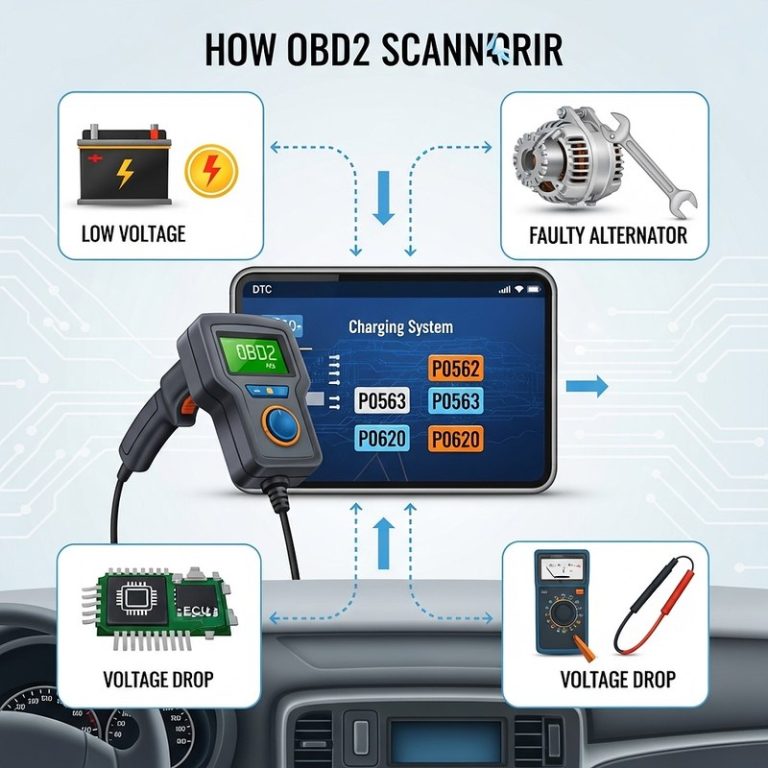
Some vehicles allow TPMS relearn through an OBD2 scanner. The port is usually under the driver’s side dash. The ignition may need to be in a specific mode, such as RUN with the engine off. A dedicated TPMS tool can trigger each sensor in order. The process varies by make, model, and model year.
Code Reading, Live Data, and Reset Limitations
A basic OBD2 scanner can read TPMS-related trouble codes on some vehicles. Live data may show individual sensor pressures. Clearing a code does not fix a physical leak. If the sensor battery is dead or the sensor is damaged, the light will return. Learn the difference between TPMS relearn and TPMS reset before you spend money on the wrong fix.
App Permissions, Firmware Updates, and When to See a Professional
Wireless TPMS tools sometimes use a phone app. The app may need location or Bluetooth permissions. Firmware updates can add vehicle coverage but may require a computer or subscription. If the tool cannot communicate with your vehicle, a professional shop has factory-level equipment.
When to Repair vs. Replace: Professional Thresholds
Not every leak is repairable. Knowing the difference can keep you and your passengers safe.
Temporary Repair Limits: Plugs vs. Patches and Safety Risks
A plug pushed in from outside is a temporary fix. A patch applied to the inner liner is more durable. Many shops use a combination patch-plug. Neither is safe for every puncture. The tire industry generally says no repair if the puncture is larger than 1/4 inch or the tire was driven flat. See the tire plug vs. patch comparison for more.
Puncture Location Rules: What Shops Can and Cannot Fix
Repairable punctures must be in the tread area, away from the shoulder and sidewall. Sidewall damage weakens the structure of the tire and cannot be safely patched. A puncture near a previous repair is also a problem. If the shop refuses to repair, replacement is the safe choice.
Legal Variation and State Inspection Rules for TPMS and Tire Condition
Tire and TPMS rules vary by state. Some states include TPMS operation in their safety inspection. Others only check tread depth and visible damage. A tire that fails inspection may need replacement before you can renew registration. Check your state’s current rules before deciding.
Preventative Maintenance and Next Steps
The best way to handle a slow leak is to catch it early. A simple monthly routine takes minutes.
Monthly Pressure Checks, the Door-Jamb Placard, and Seasonal Cold Pressure
Check all four tires once a month, plus before long trips. Use the placard pressure. Seasonal changes affect pressure; a drop of about 1 PSI per 10 degrees Fahrenheit is typical. If one tire needs air every week, find the leak before it becomes an emergency. Learn how to check tire pressure at home for a complete routine.
When to Visit a Professional: Safety, Cost, and Long-Term Value
If your soapy-water test finds nothing and the tire keeps losing air, the leak may be inside the tire. A shop can remove the tire, inspect the inner liner, and check the wheel for damage. This service is worth the cost because a slow leak can become a sudden failure. Professional diagnosis also covers TPMS sensor health and valve condition.
- Best for: Home DIYers who want to find a slow tire leak before paying a shop.
- Think twice if: The tire keeps losing air fast or the sidewall is damaged; that needs professional attention, not a temporary fix.
- Next step: Grab a spray bottle, soapy water, and an accurate gauge, then test the valve stem first.
Frequently Asked Questions
Yes. Valve stem leaks, bead seal failures, wheel corrosion, and TPMS sensor gaskets are common causes. A soapy-water test can usually find the exact spot.
Inflate the tire to the placard pressure, then spray a soapy-water mixture over the valve stem, bead area, and tread. Bubbles that grow steadily mark the leak.
Cost varies by shop, vehicle, and whether the TPMS sensor is integrated. A basic stem replacement is usually inexpensive, but a sensor-integrated stem costs more.
You can tighten a loose valve core with a small tool and test it again. If the rubber stem body is cracked, replacement is safer and usually needs a shop.
The system may need a relearn or reset procedure after inflation. If the light stays on, there may still be a leak, a dead sensor battery, or a fault code.
Replace the tire if the puncture is in the sidewall, larger than about 1/4 inch, or if the tire was driven while flat. A shop can tell you if a repair is safe.