Why Does Tire Pressure Increase After Driving? and When to Worry
Tire pressure rises after driving because heat makes the air inside expand, and a 4 to 8 PSI increase is normal. Worry only if one tire runs much hotter than the rest, pressure climbs more than 10 PSI, or you see bulges or vibration.
Wondering why does tire pressure increase after driving? The short answer is heat, and in most cases, it is completely normal. As your tires roll, friction, sidewall flexing, and hot pavement warm the air inside, which makes the pressure climb. Knowing the difference between a normal rise and a warning sign can save you from an unnecessary repair bill — or a dangerous blowout.
This guide explains the science behind rising PSI, how much of a jump is normal, and exactly when you should take action. You will also learn how to check pressure the right way, what your TPMS light means, and when a tire needs professional attention.
- Normal rise: A 4 to 8 PSI increase after driving is typical; more than 10 PSI.
- Cold pressure: Always set tires to the door-jamb placard number when tires are cold.
- Don’t bleed hot tires: Releasing air from a hot tire leaves it underinflated once cooled.
- TPMS limits: The warning light triggers only at about 25% below placard, so check pressure manually.
- Monthly habit: Check cold pressure, tread, and sidewalls monthly to extend tire life.
The Short Answer: Heat Is What Raises Your Tire Pressure
Tire pressure does not rise because the tire is gaining air from outside. It rises because the air already inside gets hotter. Heat makes gas molecules move faster and push harder against the tire’s inner walls, so your gauge reads higher.
The Science: Friction, Flexing, and the Ideal Gas Law
Three things heat up a tire while you drive:
- Rolling friction: The tire grips and releases the road surface thousands of times per mile, creating heat.
- Sidewall flexing: The rubber bends and rebounds with every rotation, generating internal heat.
- Road and brake heat: Hot pavement and braking energy transfer into the tire.
This follows the ideal gas law: when temperature rises, pressure rises too, as long as the volume stays roughly the same. A tire’s volume changes only slightly as it spins, so the pressure increase is driven mostly by temperature.
How Much of a Rise Is Normal Right After Driving?
For most passenger cars and SUVs, a rise of 4 to 6 PSI after a normal drive is common. On a hot summer day or after a long highway trip, you may see 8 PSI or more. That is expected behavior, not a defect.
The exact amount depends on outside temperature, speed, vehicle load, and tire type. What matters is not the hot number itself, but how it compares to your vehicle’s cold pressure specification.
Cold Pressure vs. Hot Pressure: Why the Door-Jamb Placard Matters
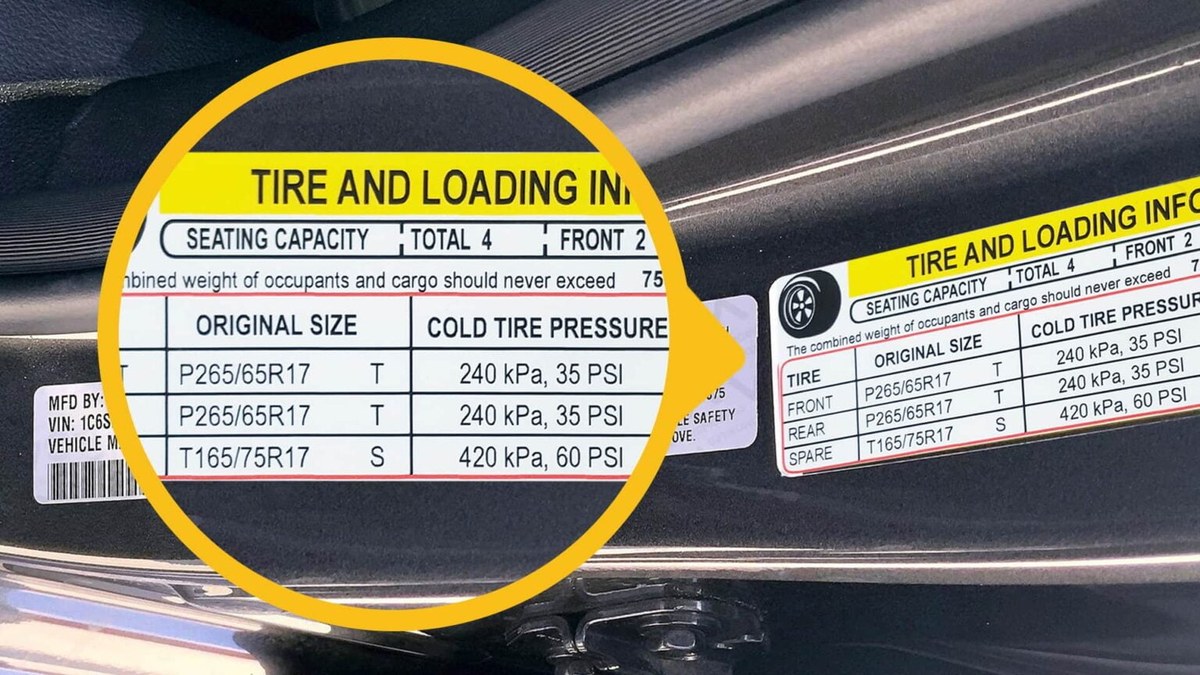
Your vehicle’s recommended tire pressure is always a cold pressure. That means the tires have not been driven for at least three hours, or have been driven less than one mile at low speed. The placard number is your reference for every pressure decision.
Where to Find the Correct Cold Pressure for Your Vehicle
Look for the tire pressure placard on the driver’s side door jamb. In some vehicles, it is on the fuel door, glovebox lid, or inside the center console. The owner’s manual also lists the correct cold pressure.
Do not use the number molded into the tire sidewall. That is the maximum pressure the tire can hold, not the recommended pressure for your vehicle. Filling to the sidewall number makes the ride harsh and causes uneven wear.
Why You Should Never Bleed Air From a Hot Tire
If you stop after a long drive and see 38 PSI on a tire that should be 32 PSI cold, do not let air out. That reading will drop back toward 32 PSI as the tire cools overnight. Bleeding a hot tire leaves it underinflated when cold.
How Much Should Tire Pressure Increase After Driving?
There is no single correct hot pressure for every vehicle, but there are useful ranges. A typical passenger tire gains about 4 to 6 PSI from cold to hot. If your hot reading climbs more than 10 PSI above the cold placard, stop and inspect the tire.
Typical PSI Rise: Highway Cruising vs. Stop-and-Go City Driving
Highway driving produces sustained speeds, which means more friction and more heat. You will often see the largest pressure rise after a long interstate trip. Stop-and-go city driving also raises pressure, but usually less, because speeds are lower and the tires shed heat between stops.
Heavy loads change the picture too. A loaded vehicle squashes the tires more, increasing flex and heat. If you regularly carry cargo, check pressure before loading and again after the tires cool.
Seasonal and Altitude Effects on Hot Pressure Readings
Outside temperature matters. Tire pressure drops about 1 PSI for every 10°F drop in air temperature, and rises the same way when it warms. A tire that reads 32 PSI on a 30°F morning may read 36 PSI on a 90°F afternoon before you even drive.
Altitude also plays a small role. Because outside air pressure is lower at high elevations, a sealed tire’s gauge reading can appear higher. This is normal and does not mean the tire is overfilled.
When a Pressure Increase Means Trouble
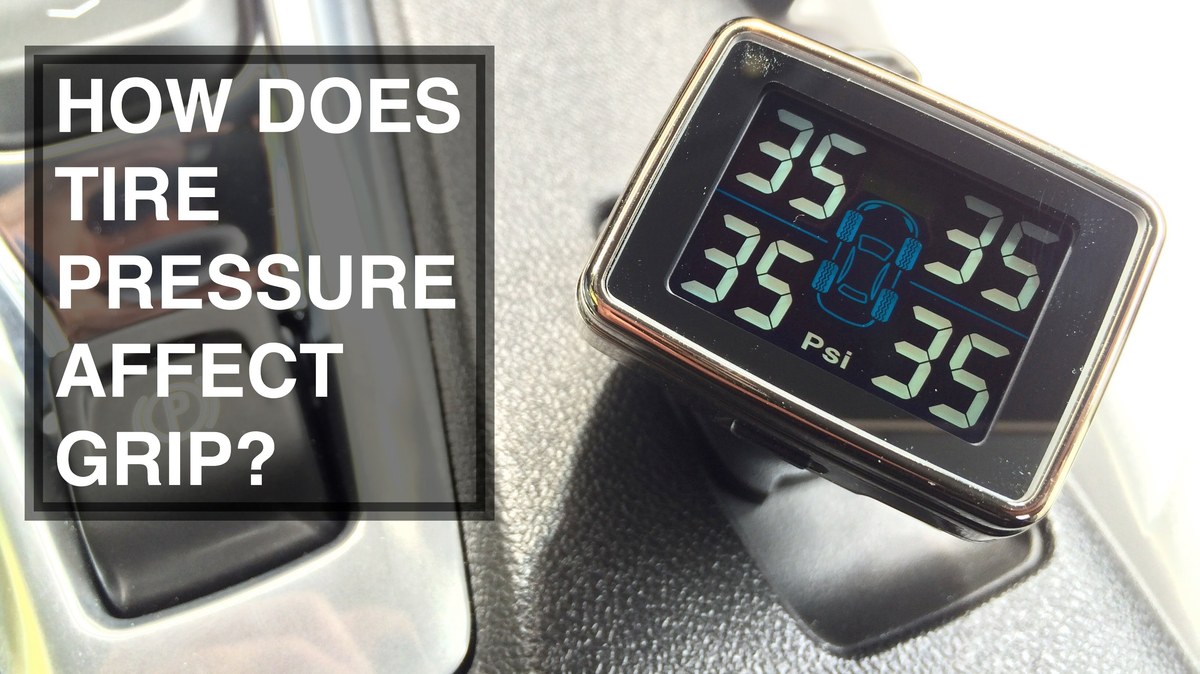
Most pressure increases are harmless, but some are not. Look at the whole picture: the size of the rise, the temperature of the tire, and any physical signs of damage.
| Reading | Typical cause | Action |
|---|---|---|
| 4–8 PSI rise after driving | Normal heat buildup | No action; set pressure when cold |
| 10+ PSI rise | Overload, high speed, or possible tire fault | Let tire cool and inspect |
| One tire much hotter than the others | Underinflation, dragging brake, or internal damage | Pull over and check |
Warning Signs: Bulges, Vibration, and Uneven Wear
A pressure increase by itself is rarely a problem. But when paired with other signs, it deserves attention:
- Bulges or blisters on the sidewall or tread mean the internal belts may be damaged.
- Vibration at highway speed can indicate a separated belt or an out-of-balance tire.
- Uneven wear — bald edges or a worn center — suggests the tire has run at the wrong pressure for a long time.
Pressure Rise Plus Excessive Heat: When to Pull Over
If a tire feels noticeably hotter than the others, or you smell hot rubber, pull over safely. Let the tire cool for at least an hour, then check the cold pressure. A tire that keeps overheating may be underinflated, overloaded, or structurally damaged.
How to Check Tire Pressure Correctly
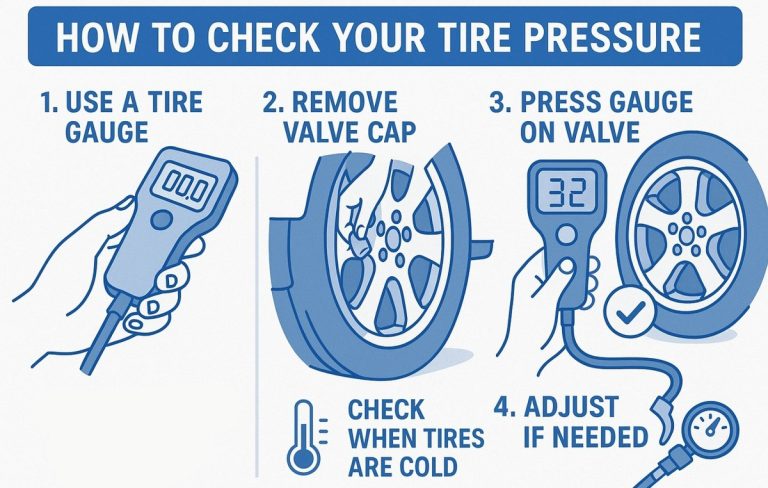
Checking pressure sounds simple, but small mistakes lead to wrong readings. Use a quality gauge, measure at the right time, and compare against the cold placard number.
Gauge Accuracy: Digital vs. Analog and Calibration Checks
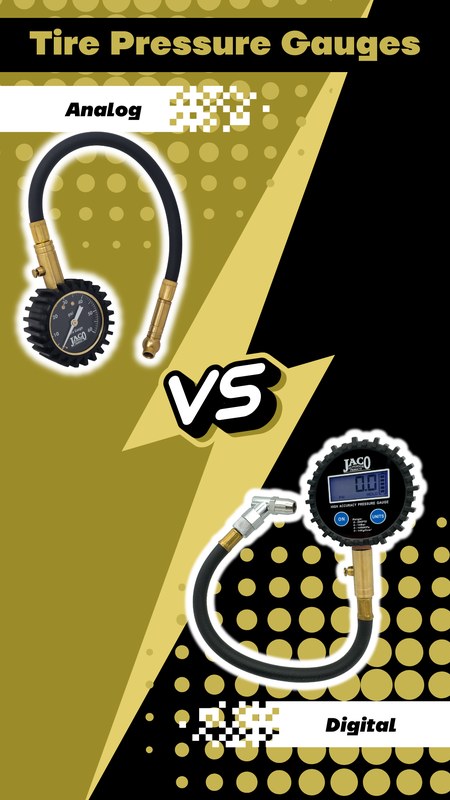
Digital gauges are generally easier to read and hold their accuracy well. Analog gauges work fine if kept clean and protected from drops. Our comparison of digital vs analog tire pressure gauges explains the trade-offs in detail.
Whichever type you choose, check it occasionally against a known-good gauge or a shop air chuck. A gauge that reads 2 PSI low will lead you to overinflate every tire, every time.
The Right Time to Measure and the 3-PSI Rule of Thumb
Measure when the tire is cold — at least three hours after the last drive, or after less than one mile of slow driving. The 3-PSI rule of thumb helps here: a hot tire normally reads at least 3 PSI higher than its cold pressure, and often 4 to 6 PSI higher. A rise in that range is normal heat buildup. A rise above 10 PSI is not — stop and inspect.
For more detail on timing, our guide on how long you should wait to check tire pressure after driving walks through the full process.
- Check pressure monthly and before long trips
- Use the cold placard number as your target
- Measure all four tires, including the spare if it has a sensor
- Bleed air from a hot tire
- Use the sidewall maximum as your target
- Ignore a TPMS light because the tires look fine
TPMS Lights and Relearn Limits: What Your Dashboard Is Telling You
Your tire pressure monitoring system is a helpful warning system, but it has limits. Most systems only warn when pressure drops about 25% below the placard number. A tire can be significantly underinflated before the light appears.
Why the Warning Light Comes On After Driving
Sometimes the light comes on after driving because a tire was already low when cold, and heat pushed pressure over the trigger threshold. Other times, a slow leak only shows up once the tire warms. If the light stays on after you fill the tires, there may be a sensor or system issue. Our article on why the tire pressure light comes on when tires are fine covers the common causes.
TPMS Relearn, Reset Limitations, and Sensor Compatibility
After a tire rotation or sensor replacement, many vehicles need a relearn procedure so the system knows which sensor is in which position. Some cars relearn automatically while driving; others require a handheld tool. Sensor compatibility varies by make, model, and year, so check the owner’s manual before buying replacement sensors.
Punctures and Repairs: When to Patch, Plug, or Replace
A nail in the tread is a common reason tire pressure changes. But not every puncture can be safely repaired, and the repair method matters.
Puncture Location and the Repairability Threshold
Industry guidance says a tire can usually be repaired if the puncture is in the tread area, is no larger than about 1/4 inch in diameter, and the tire was not driven while seriously underinflated. Punctures in the sidewall or shoulder are generally not repairable because those areas flex constantly and a patch cannot seal reliably.
Temporary Repair Limits and When You Need a Professional
A rubber plug pushed in from the outside can get you to a shop, but most tire professionals consider it temporary. The accepted permanent repair is a combination patch-plug applied from the inside after the tire is removed from the wheel. If you are weighing options, our comparison of tire plug vs patch which is safer explains the difference.
If a tire was driven flat or run at very low pressure, the internal structure may be damaged even if the puncture looks small. In that case, replacement is the safer choice.
Inflator Duty Cycle and a Simple Tire Maintenance Routine
Keeping tires at the right pressure is easier with a good portable inflator. But portable inflators have limits, and understanding them prevents frustration.
Choosing a Portable Inflator That Won’t Overheat
Every portable inflator has a duty cycle — the recommended run time before it needs to cool down. A small 12-volt inflator may need a break after 10 or 15 minutes of continuous running, while larger units can run longer. If your inflator keeps shutting off or getting hot, our article on why a tire inflator gets hot explains what is happening.
Look for a unit with a clear duty-cycle rating in the manual, an accurate built-in gauge, and enough hose length to reach all four tires. A completely flat tire may take several cycles to fill, so plan for cool-down breaks.
A Monthly Tire Care Checklist That Extends Tread Life
Properly inflated tires wear more evenly, improve fuel economy, and handle better. Underinflation is a leading cause of premature tire wear, so a monthly check is one of the cheapest maintenance habits you can build.
The Bottom Line: When to Worry and What to Do Next
Most of the time, a pressure rise after driving is nothing to worry about. The numbers to remember: 4 to 8 PSI is normal, and anything above 10 PSI deserves a closer look. Combine that with physical checks — bulges, vibration, heat, or smells — and you will catch problems early.
If your TPMS light is on, check cold pressure first. If the tires are fine and the light stays on, the system may need a relearn or a new sensor. And if you find a puncture, remember that location and size decide whether a repair is safe.
Your next step is simple: check your cold tire pressure this week, compare it to the placard, and keep a reliable gauge and inflator in the car. That small habit prevents most pressure-related problems before they start.
- Best for: Drivers who want a clear, practical answer to whether rising tire pressure after driving is normal.
- Think twice if: You notice one tire running much hotter than the rest, a bulge, or a pressure rise above 10 PSI — those need inspection, not just a pressure check.
- Next step: Find your door-jamb placard, note the cold pressure, and check all four tires when they are cool.
Frequently Asked Questions
Yes. Heat from friction, sidewall flexing, and the road makes the air inside the tire expand. A rise of 4 to 8 PSI is typical for most passenger vehicles.
A rise above 10 PSI from the cold placard number, or one tire that is much hotter than the others, deserves an inspection. Let the tire cool and check for bulges, vibration, or damage.
No. Bleeding a hot tire to match the cold placard number leaves it underinflated when it cools. Always set tire pressure when the tires are cold.
A tire that was already low when cold can trigger the light once heat pushes pressure higher, or a slow leak may only show up during driving. Check cold pressure first; if the tires are fine, the sensor or system may need service.
Wait at least three hours, or drive less than one mile at low speed, so the tires return to cold temperature. Checking a hot tire gives a reading that is 4 to 8 PSI higher than normal.
Not without inspecting it first. Pull over, let the tire cool, check the cold pressure, and look for bulges or damage. If anything looks wrong, have a professional inspect the tire.