Can You Replace One TPMS Sensor Without Replacing All Four? Yes
Yes, you can replace one TPMS sensor without replacing all four on most direct-TPMS vehicles. Replace just one if the sensor failed early; consider a full set if the others are near the end of their battery life.
If you’re wondering can you replace one TPMS sensor without replacing all four, the short answer is yes for most vehicles with direct TPMS — but sensor age, battery health, and programming requirements decide whether that’s the smart move.
- Direct TPMS only: Single-sensor replacement applies to direct systems; indirect systems use wheel-speed sensors and have no.
- Match the sensor: Frequency, protocol, and part number must match your vehicle’s make, model, and year.
- Relearn required: Most vehicles need a relearn or programming step before the new sensor ID is.
- Battery age matters: Sensors last about 5 to 10 years; replace a full set if yours are.
- Cost trade-off: One sensor costs less upfront, but a full set can save money and shop.
Yes, You Can Replace One TPMS Sensor — Here’s What to Know First
The Short Answer: One Sensor Is Fine, With Caveats
Most modern cars, trucks, and SUVs use direct TPMS, which means each wheel has its own sensor. When one sensor fails, the system can usually accept a single replacement after a relearn procedure.
The main caveat is battery life. TPMS sensors run on internal batteries designed to last roughly 5 to 10 years, depending on the vehicle, climate, and sensor brand. If your car is older than that, the other three sensors may fail soon after.
Driving with a bad sensor is possible, but it leaves you blind to low pressure in that tire. If you’re deciding whether to wait, check our guide on driving with a bad TPMS sensor before you delay the repair.
When a Single-Sensor Replacement Actually Makes Sense
A single replacement makes sense when the sensor failed early, the vehicle is relatively new, or the other sensors are known to be in good shape. Many OEM sensors last well past their stated warranty period, so a failure at year three or four is often an isolated event.
It also makes sense if you plan to sell or trade the vehicle soon. You need a working TPMS to pass inspection in many states, and one new sensor is the cheapest way to get there.
Why Tire Shops Often Recommend Replacing All Four
Shops recommend a full set for practical reasons. They want to avoid comeback visits when the next sensor fails, and they can often offer a better per-sensor price on a set of four. It also saves you from paying for tire dismounting and mounting labor multiple times.
That recommendation is not always wrong. If your car is 8 to 10 years old and the sensors are original, replacing all four at once is usually the more cost-effective long-term choice. But if your sensors are young, a single replacement is perfectly reasonable.
How TPMS Works: Direct vs. Indirect Systems
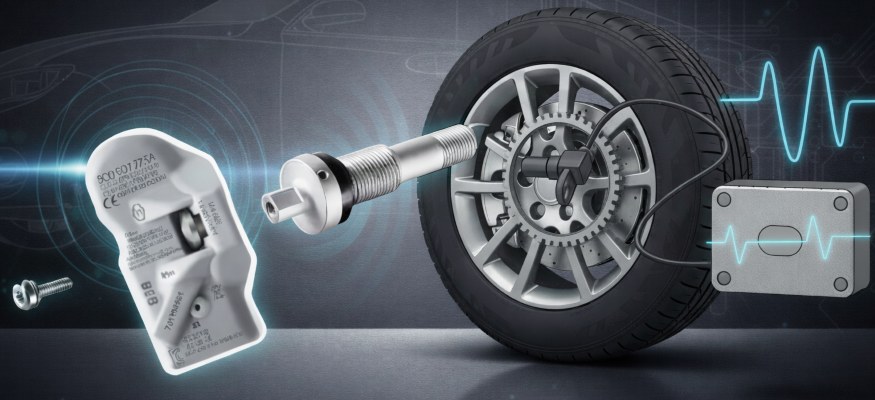
Direct TPMS: The Sensor You’re Replacing
Direct TPMS uses a battery-powered sensor mounted inside each wheel, usually attached to the tire valve stem. Each sensor measures actual tire pressure and temperature, then sends that data to the car’s computer by radio frequency.
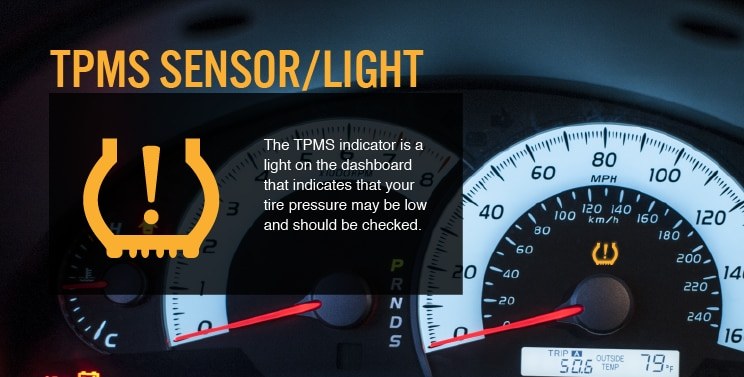
When a direct sensor fails, the dashboard usually shows a solid or flashing TPMS light. The car may also display a message like “Tire Pressure Monitor Fault” or “Service TPMS System.”
Indirect TPMS: Why This Question Doesn’t Apply
Indirect TPMS systems don’t use wheel sensors at all. Instead, they use the anti-lock brake system’s wheel-speed sensors to detect when one tire is rotating faster than the others, which indicates low pressure.
If your car has indirect TPMS, there are no sensors to replace, so the question of replacing one versus four doesn’t apply. Check your owner’s manual to confirm which system your vehicle uses.
Compatibility Check: Will a Single Replacement Sensor Work?
Check: Verify make, model, year, trim, and whether the vehicle uses direct or indirect TPMS. Limitations: Sensor frequency, protocol, and programming requirements vary by manufacturer and model year.
OEM vs. Aftermarket: Frequency, Protocol, and Programming
Most vehicles use sensors that broadcast at 315 MHz or 433 MHz. The car’s receiver expects a specific frequency and protocol, so a replacement sensor must match. OEM sensors are guaranteed to match, while aftermarket sensors often cover multiple frequencies and protocols.
Aftermarket sensors may need to be programmed with the vehicle’s original sensor ID or cloned to match the old sensor. Some can be copied with a TPMS programming tool, while others need to be learned by the vehicle through a relearn procedure.
Model-Year, Protocol, and Firmware Coverage for 2026 Vehicles
Newer vehicles, including many 2026 models, use updated TPMS protocols and sometimes require specific sensor part numbers. A sensor that works on a 2020 model may not communicate with a 2026 model, even from the same brand.
Before buying a single sensor, confirm the exact part number for your vehicle’s year and trim. Tire shops and parts stores can look this up by VIN, which is the most reliable way to avoid a mismatch.
Door-Jamb Placard, Cold Pressure, and Gauge Accuracy
After replacing a sensor, set the tire to the pressure listed on the driver’s side door-jamb placard, not the number molded into the tire sidewall. The placard pressure is the vehicle manufacturer’s recommendation for normal driving.
Always check pressure when the tires are cold, meaning the car hasn’t been driven for at least a few hours. A tire that reads 35 psi after a long drive may actually be below spec once it cools down. Use a quality gauge rather than relying on the vehicle’s display alone.
Installation Guide: Swapping a Single TPMS Sensor Safely
Safe Work Location, Traffic Visibility, and Jacking Basics
TPMS sensor replacement requires removing the tire from the wheel, so you need a safe, level work area. A driveway or garage floor is fine. Never work on a tire while the vehicle is supported only by a scissor jack.
Tire Disassembly, Sensor Removal, and Torque Specs
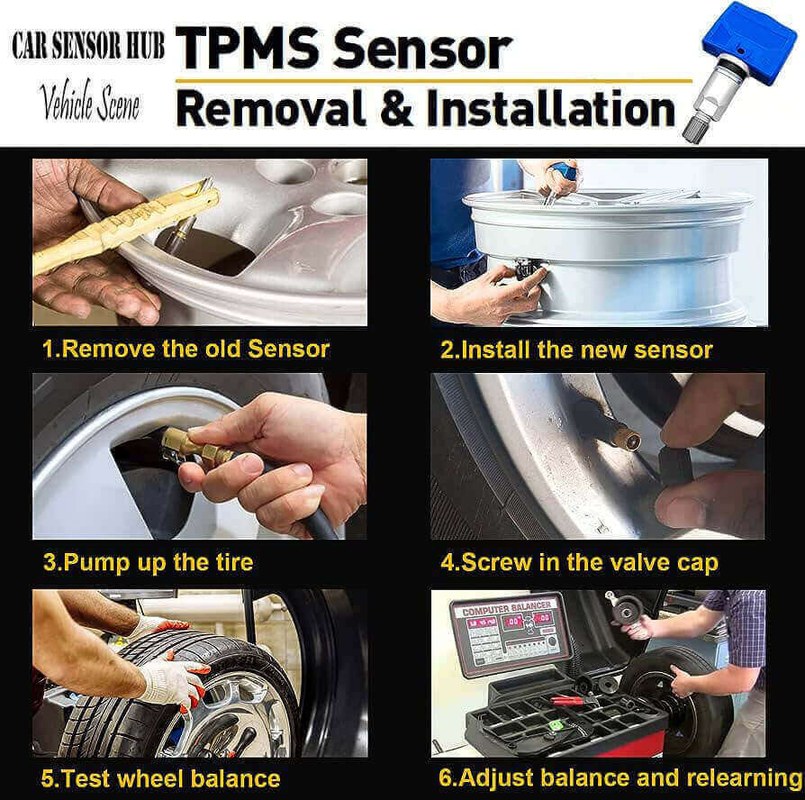
Removing a TPMS sensor requires breaking the tire bead, so you’ll need a tire machine or tire spoons. Once the tire is loose, the sensor unbolts from the valve stem inside the wheel. The new sensor gets torqued to the manufacturer’s specification, usually printed in the service manual.
When reinstalling the wheel, use a torque wrench on the lug nuts. Over-tightening can warp brake rotors, and under-tightening can let the wheel come loose. Check your owner’s manual for the correct lug nut torque value.
Moderate to Difficult: Tire disassembly, bead breaking, and sensor programming require specialized tools. Most owners are better off having a shop handle the physical swap.
TPMS Relearn: Trigger Tools, OBD2, and Dashboard Menus
After installing a new sensor, the vehicle needs to learn its ID. Some cars do this automatically as you drive, while others require a relearn procedure using a TPMS trigger tool, an OBD2 scanner, or a sequence of dashboard button presses.
If you’re replacing a sensor yourself, check whether your vehicle supports a manual relearn through the driver information display. Many GM, Ford, and Toyota models do. Others, including many Honda and Nissan models, need a trigger tool or a scan tool. Our guide on TPMS programming after replacement explains the difference.
Inflator Duty Cycle, Tool Completeness, and Post-Use Inspection
Once the sensor is installed, inflate the tire to the placard pressure. If you’re using a portable inflator, pay attention to its duty cycle. Most portable units are designed for occasional topping off, not continuous inflation of a completely flat tire.
After inflation, inspect the tire bead area for leaks using soapy water. A slow bubble means the bead didn’t seat correctly. Also check the valve stem cap and core for damage before reinstalling the wheel.
- Confirm the replacement sensor matches your vehicle’s frequency and protocol
- Torque the sensor nut and lug nuts to manufacturer specifications
- Perform the relearn procedure before clearing the TPMS warning light
- Don’t reuse a damaged valve stem or corroded sensor nut
- Don’t rely on a portable inflator beyond its rated duty cycle
- Don’t clear TPMS codes before recording which sensor failed
OBD2 and Diagnostics: What You Can and Can’t Do Yourself
Port Location, Ignition Mode, and Reading TPMS Codes
The OBD2 port is usually under the dashboard on the driver’s side. To read TPMS codes, the ignition needs to be in the “on” position with the engine off or running, depending on the vehicle and scanner.
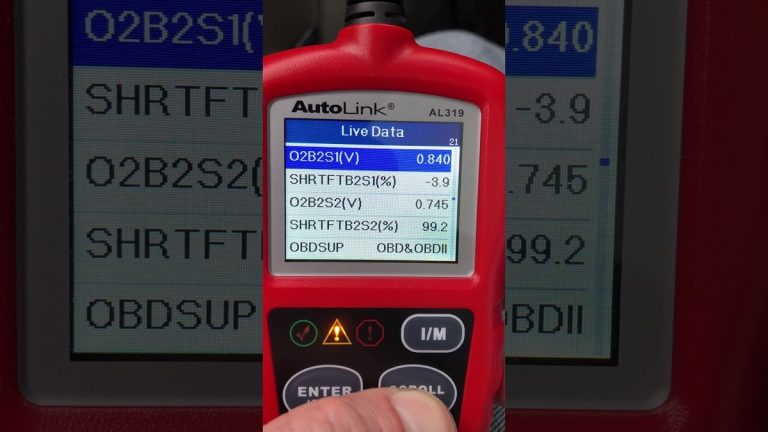
A basic OBD2 scanner can read engine codes but often can’t access TPMS data. You need a scanner with TPMS coverage or a dedicated TPMS tool to see individual sensor IDs, pressures, and fault codes.
Live Data, Emissions Readiness, and Reset Limitations
If your scanner supports TPMS live data, you can watch each sensor’s pressure and temperature in real time. That’s useful for confirming a new sensor is communicating before you finish the job.
Clearing TPMS codes usually requires the relearn procedure to be complete. Some scanners can clear the codes, but the light will return if the vehicle hasn’t learned the new sensor ID. Note that clearing emissions-related codes on some vehicles can affect readiness monitors, so don’t clear codes randomly.
App Permissions, Firmware, and When a Professional Scan Is Required
Many modern OBD2 tools pair with smartphone apps for live data and code definitions. Before using one, check the app’s permissions and understand what data it collects. Some apps require account creation and cloud storage of vehicle data.
If your vehicle uses a protocol your scanner doesn’t support, or the TPMS light stays on after several relearn attempts, a professional scan is the safer next step. The same applies if the tool’s firmware is outdated for your vehicle’s model year.
Cost Comparison: One Sensor vs. Replacing All Four
Parts, Labor, and Programming Fees in 2026
As of 2026, TPMS sensor prices vary widely by vehicle brand, sensor type, and whether you buy OEM or aftermarket parts. A single aftermarket sensor is typically the least expensive route, while OEM sensors for luxury or European vehicles cost more.
Labor is where the cost gap narrows. Mounting and balancing one tire costs less than doing all four, but shops often charge a flat fee per wheel. Programming or relearn fees may be added on top, or bundled into the tire service.
The practical takeaway: replacing one sensor saves money upfront, but the price difference shrinks when you factor in the likelihood of future failures.
Battery Life, Sensor Longevity, and Long-Term Ownership Cost
TPMS sensor batteries are sealed inside the sensor unit. When the battery dies, the whole sensor is replaced. Most manufacturers design them to last 5 to 10 years, but cold climates and frequent off-road use can shorten that.
If you replace one sensor on a 6-year-old car, you may need another replacement within a year or two. Over a five-year ownership period, replacing all four at once can actually cost less than paying for three separate single-sensor services.
On the other hand, if you plan to sell the car soon, a single replacement is the lowest-cost way to keep the TPMS light off and pass inspection.
Battery and Electrical Cautions for TPMS Work
Sensor Battery Chemistry, Voltage, and State of Charge vs. Health
TPMS sensors use small lithium or lithium-ion batteries. They are not user-serviceable, so there’s no way to charge or test them separately from the sensor. A sensor that reports low battery voltage needs replacement, not a recharge.
If you’re using a TPMS tool that reads battery voltage, understand the difference between state of charge and battery health. A sensor can show adequate voltage when the car is warm and still fail when temperatures drop.
Correct Connection Order and Damaged-Battery Stop Conditions
If you’re using a TPMS programming tool that clips onto the sensor, connect it according to the tool’s instructions. Wrong polarity can damage the sensor or the tool.
Stop immediately if the sensor shows signs of corrosion, swelling, or damage. A damaged battery can leak or fail unexpectedly. Dispose of old sensors through a shop or recycling program rather than throwing them in household trash.
Hybrid and EV Cautions for TPMS Service
Hybrid and electric vehicles use the same TPMS sensors as gas models, but the service process has extra cautions. High-voltage systems are active whenever the battery is connected, so avoid cutting into any orange cables or working near the high-voltage battery pack.
Many EVs also have specific jacking points to protect the battery. Use the locations shown in the owner’s manual, and never place a jack under the battery housing. If you’re not comfortable with these precautions, a tire shop familiar with EVs is the safer choice.
For more on whether a dead sensor can be revived, see our comparison of TPMS battery replacement versus a new sensor.
Single vs. Full Set: Side-by-Side Comparison and Verdict
Comparing Cost, Labor Time, Reliability, and Convenience
| Option | Best for | Owner consideration | Driver consideration |
|---|---|---|---|
| Single sensor | Newer vehicles, isolated failure, quick sale | Lowest upfront cost; possible repeat visits | TPMS light clears quickly; monitoring restored |
| Full set of four | Older vehicles, original sensors, long-term ownership | Higher upfront cost; fewer future interruptions | All wheels monitored with matched sensor age |
Which Option Fits Your Driving Profile and Vehicle Age
If your car is under five years old and one sensor fails, replace just that one. The other sensors likely have years of life left, and the cost savings are real.
If your car is approaching the 8-to-10-year mark, or you don’t know when the sensors were last replaced, a full set is the more reliable choice. The same logic applies if you regularly take long road trips and don’t want a TPMS failure in the middle of nowhere.
For daily commuters who plan to keep the car for several more years, the full set often wins on convenience even when it costs more upfront.
Next Steps: Temporary Repairs, Professional Thresholds, and Maintenance
Puncture Location, Temporary Repair Limits, and Professional Repair Thresholds
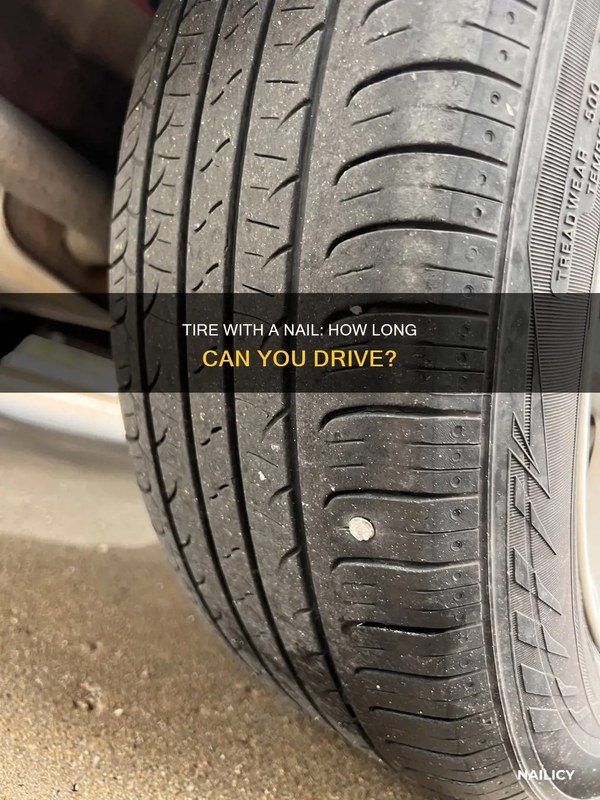
A low-tire warning doesn’t always mean a failed sensor. Sometimes the tire has a puncture. TPMS sensors can be damaged by road debris, potholes, or improper tire repair, so inspect the tire before assuming the sensor is at fault.
Temporary tire plugs are meant for short-term use in the tread area only. Sidewall damage, punctures larger than about a quarter-inch, and damage near the shoulder usually require professional repair or tire replacement. If the puncture is in a repairable zone, a shop can patch the tire and check the sensor in one visit. Our guide on driving with a nail in your tire explains the limits.
Ongoing TPMS Maintenance and When to Call a Pro
If the TPMS light flashes for about a minute before staying on, the system is telling you a sensor is faulty. That’s different from a solid light, which usually means low pressure. Our article on why the TPMS light flashes then stays on covers the difference.
Call a professional if you can’t complete the relearn, if the sensor ID won’t register, or if the tire won’t hold pressure after installation. These are signs of a deeper problem that DIY troubleshooting won’t solve.
- Best for: Owners with a newer vehicle, an isolated sensor failure, or a short remaining ownership period.
- Think twice if: Your sensors are original and the vehicle is 8 to 10 years old; a full set is usually more reliable and less annoying over time.
- Next step: Confirm your vehicle’s TPMS type and sensor part number by VIN before buying a single replacement.
Frequently Asked Questions
Yes, for most vehicles with direct TPMS. A single sensor can be replaced and programmed on its own. If the other sensors are near the end of their battery life, a full set may be more cost-effective.
Costs vary by vehicle, sensor brand, and shop. You’ll pay for the sensor, tire dismount and mount, and possibly a programming or relearn fee. Replacing one sensor is usually cheaper upfront than replacing all four.
Usually yes. Most vehicles require a relearn procedure so the system recognizes the new sensor’s ID. Some cars do this automatically, while others need a TPMS trigger tool, OBD2 scanner, or dashboard menu sequence.
Most TPMS sensor batteries are designed to last 5 to 10 years. The battery is sealed inside the sensor, so when it dies, the entire sensor is replaced. Cold climates and rough roads can shorten battery life.
It’s possible if you have the right tools, including a tire machine or spoons to break the bead. The harder part is programming the new sensor. Many owners prefer having a shop handle the swap and relearn.
A flashing TPMS light for about a minute before staying solid usually means a sensor fault or system malfunction, not just low pressure. Have the system scanned to identify the failed sensor.