Why Does a TPMS Light Come on After New Tires Are Installed? Fixes
After new tires are installed, the TPMS light usually means a relearn step was skipped, the pressure was set wrong, or a sensor was damaged during mounting. Start with a pressure check and a relearn before replacing any parts.
If you are wondering why does a TPMS light come on after new tires are installed, the short answer is that the system either has not learned the new sensors, the tire pressure was set wrong, or a sensor was damaged during mounting. In most cases, the fix is a simple pressure adjustment or a relearn procedure. In others, a sensor needs to be replaced.
- Most common cause: The TPMS light after a tire install usually means the system has not learned.
- Relearn matters: Many vehicles need a magnet, TPMS reset tool, or OBD2 scan tool to store.
- Check pressure first: Always set all four tires to the cold pressure on the driver’s door placard.
- Flashing means fault: A flashing TPMS light signals a sensor fault, not low pressure, and needs a.
- Cost control: Confirm the shop’s relearn procedure before paying for new sensors; the relearn is often.
Direct Answer: What “Why Does a TPMS Light Come On After New Tires Are Installed” Means for Owners and Drivers
When the TPMS light stays on after a tire installation, it does not always mean the tire is flat. It means the system has detected a problem with tire pressure or with the sensor signal itself.
For owners, the most common causes are:
- Sensor damage during mounting: Tire machines can crush or snap a sensor if the wheel is not positioned correctly.
- No relearn performed: Many vehicles require a relearn procedure after new sensors are installed so the car can learn the new sensor IDs.
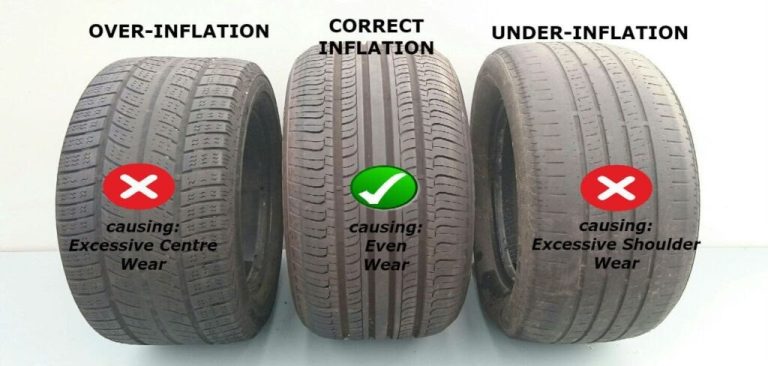
- Wrong pressure set: The shop may have used a generic pressure instead of the pressure on your door placard.
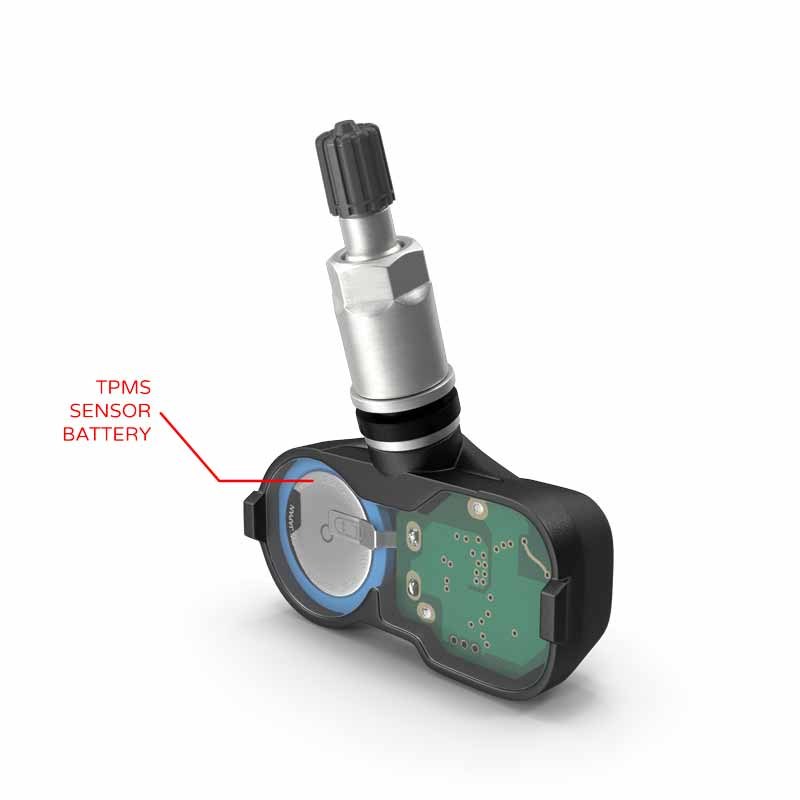
- Dead or dying sensor battery: TPMS sensor batteries typically last 5 to 10 years. If the old sensors were reused, one may have failed.
- Spare tire sensor: Some vehicles monitor the spare tire, and a low spare can trigger the light.
For drivers, the light is a warning, not a breakdown signal. You can drive carefully to a safe location and check pressures, but you should not ignore it for long.
How It Works and What It Can Actually Do
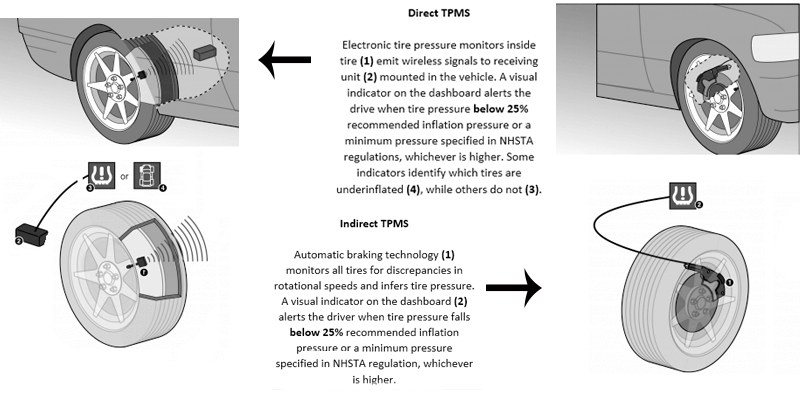
TPMS stands for Tire Pressure Monitoring System. It has been required on all new passenger vehicles sold in the US since 2007 under Federal Motor Vehicle Safety Standard 138, which was phased in starting in 2005. There are two main types.
Direct TPMS: Each wheel has a sensor mounted inside the tire that measures actual air pressure and temperature. The sensor transmits data wirelessly to the car’s body control module or a dedicated receiver.
Indirect TPMS: There are no in-wheel sensors. The system uses the anti-lock brake system’s wheel speed sensors to compare how fast each wheel rotates. A low tire has a smaller diameter and spins faster, which the system detects.
What the system can do:
- Warn you when pressure drops below a certain threshold, usually about 25 percent below the placard pressure.
- Alert you to a sensor signal loss or sensor fault.
- Display individual tire pressures on newer vehicles with digital readouts.
What it cannot do:
- It cannot prevent a flat tire or a blowout.
- It cannot tell you the exact pressure on older systems that only show a warning light.
- It does not work reliably when the vehicle is parked and the engine is off, because most sensors wake up only when the wheels are turning.
That last point matters after a new tire install. If the technician inflated the tires correctly but the car was not driven after the install, the system may not have received a signal yet.
Vehicle and Tool Compatibility Requirements
Not all TPMS systems are the same. Your vehicle’s make, model, and model year determine which sensors and tools you need.
Check: Verify your vehicle’s TPMS frequency, sensor part number, and relearn method before buying sensors or a reset tool. Limitations: Some vehicles require a dealer-level scan tool for sensor programming; a basic TPMS reset tool will not work for every make and model.
Most vehicles use sensors that broadcast on either 315 MHz or 433 MHz. The sensor must match the vehicle’s frequency and protocol. Aftermarket sensors are often programmable, but the programmer must know the correct vehicle profile.
Relearn methods vary widely:
- Automatic relearn: The vehicle learns the sensor IDs automatically as you drive. No tool needed.
- Magnet relearn: A special magnet is placed over the valve stem or a specific location while the vehicle is in relearn mode.
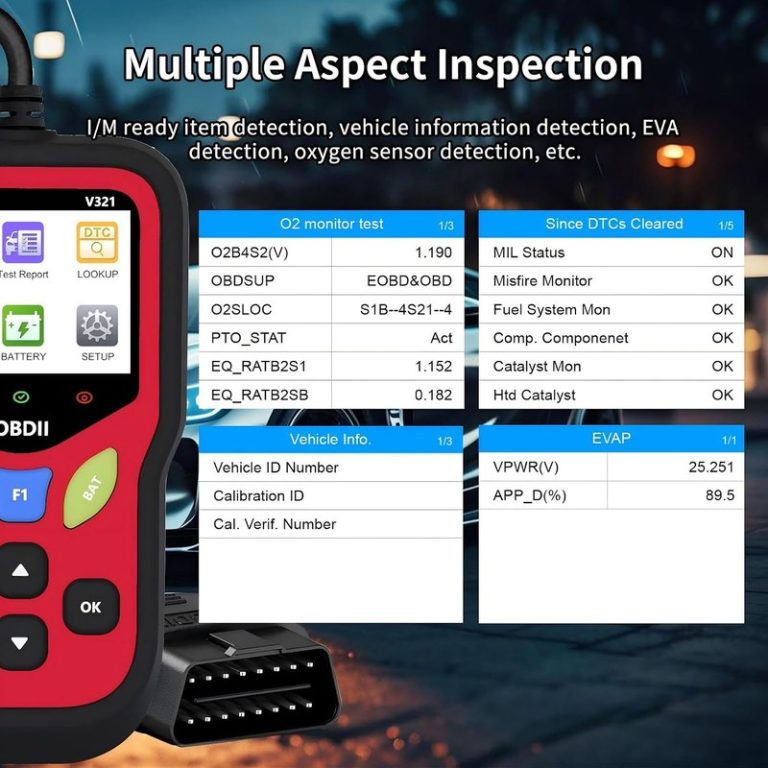
- OBD2 scan tool relearn: A diagnostic tool sends the sensor IDs to the vehicle’s module through the OBD2 port.
- TPMS reset tool relearn: A handheld tool activates each sensor in sequence, and the vehicle stores the new IDs.
If you are doing the job yourself, check your owner’s manual first. The relearn procedure is often described there. If you are using a TPMS reset tool, confirm it supports your vehicle make and model before purchasing. If you are not sure, a tire shop or dealer can perform the relearn for a fee.
If you are dealing with a light that stays on even when the tires are fine, our guide on why the tire pressure light comes on when the tires are fine covers the other common causes.
Correct Connection, Measurement, or Repair Procedure
If the TPMS light is on after new tires, work through these steps in order. Do not skip the pressure check.
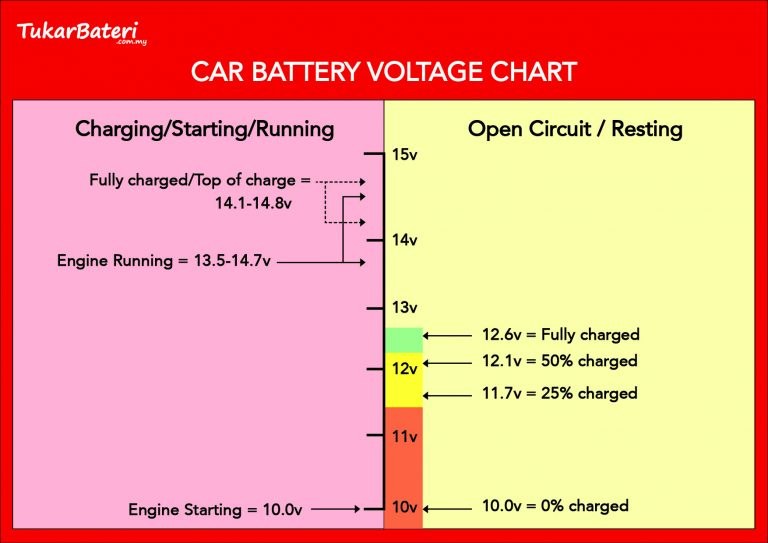
Find the tire pressure placard on the driver’s door jamb, glove box, or fuel door. Use the cold tire pressure listed there, not the pressure molded into the tire sidewall.
Use a quality tire gauge. Check the tires when they are cold, meaning the car has sat for at least three hours or has been driven less than a mile.
Most TPMS sensors wake up and transmit once the wheels are turning. Drive for 10 to 15 minutes above 15 mph so the system can receive fresh data.
If the light stays on, use the method from your owner’s manual, a TPMS reset tool, or an OBD2 scan tool to teach the vehicle the new sensor IDs.
Use a TPMS diagnostic tool to confirm each sensor is broadcasting. If one sensor shows no signal, it may be damaged, dead, or incompatible.
If the light is flashing and then stays on, the system is telling you there is a sensor fault, not just a low-pressure warning. That is a different problem. Our article on why the TPMS light flashes then stays on explains the difference in detail.
Safety Limits, Results, and Ownership Costs
TPMS is a warning system, not a tire-pressure guarantee. It can fail, and it can be fooled. Do not treat the light as the only way to monitor your tires.
Ownership costs for TPMS vary. If the new tires came with new sensors, the cost was likely included in the tire installation package. If you are replacing sensors later, here is what to expect:
If you are deciding between replacing a sensor battery and buying a new sensor, our comparison of TPMS sensor battery replacement versus a new sensor can help you weigh the cost and effort.
Testing, Maintenance, and Storage
After a new tire installation, the TPMS should be tested to confirm it works. A shop with the right diagnostic tool can read each sensor’s ID, pressure, temperature, and battery status. If you own a TPMS reset tool, you can do a basic check yourself, but a diagnostic tool gives more detail.
Regular maintenance is simple:
- Check tire pressure monthly, even when the TPMS light is off.
- Have the sensors inspected each time you get new tires.
- Replace the valve stem caps and cores if they are cracked or corroded.
- Note that sensor batteries are not user-replaceable on most models; the whole sensor is replaced.
If you plan to store a vehicle for a long period, keep the tires inflated to the placard pressure to avoid flat spots and sensor damage. Temperature changes affect pressure, so recheck before driving again.
Common Mistakes and When to Get Professional Help
Many TPMS problems after a tire install come from avoidable mistakes. Here are the most common ones.
- Do confirm the shop used the correct sensor part number for your vehicle
- Do check the cold tire pressure against the door placard before doing anything else
- Do ask whether the relearn procedure was completed and which method was used
- Do inspect the valve stems for damage, cracks, or missing caps
- Don’t ignore a flashing TPMS light; it means a sensor fault, not just low pressure
- Don’t clear diagnostic codes before recording which sensor is failing
- Don’t assume the light will turn off on its own if the system requires a relearn
- Don’t install a used sensor of unknown age or battery condition
When should you get professional help? If the light stays on after you have set the correct pressure and completed the relearn, or if a diagnostic tool shows no signal from a sensor, a shop should inspect the wheel. The sensor may have been damaged during mounting, or the wheel may have a slow leak from a poor bead seal.
If you are filling the tires and the light remains on, our guide on why the TPMS light stays on after filling the tires walks through the next steps.
Final Recommendation
Start with the cheapest fix first: check the placard pressure, inflate to spec, and drive the car for a few minutes. If the light stays on, do the relearn procedure for your vehicle. Only after that should you suspect a damaged or failed sensor.
- Best for: Owners who just had new tires installed and want to avoid an unnecessary trip back to the shop.
- Think twice if: The light is flashing, or a diagnostic tool shows no signal from a sensor; that points to a real fault that needs professional attention.
- Next step: Locate your owner’s manual TPMS relearn section and confirm whether your vehicle needs a tool-based relearn or an automatic one.
Frequently Asked Questions
It can take a few minutes of driving, usually 10 to 15 minutes above 15 mph, for the system to receive fresh sensor data. If the light stays on after that, the vehicle may need a relearn procedure or a sensor may need service.
Yes. Tire mounting machines can crush or snap a sensor if the wheel is not positioned correctly. If the TPMS light comes on right after a tire install, a damaged sensor is one of the first things a technician should check.
No. Some vehicles learn new sensor IDs automatically as you drive, while others require a magnet, a TPMS reset tool, or an OBD2 scan tool. Check your owner’s manual for the exact procedure.
A flashing TPMS light usually means a sensor fault, not just low pressure. It can indicate a dead sensor battery, a damaged sensor, or a missing sensor ID. Have the system scanned with a TPMS diagnostic tool.
Costs vary by vehicle and region. Aftermarket sensors are generally less expensive than dealer parts, and the total usually includes the sensor, mounting, balancing, and relearn service. Get a written quote before approving the work.
You can drive carefully to check the pressure, but you should not ignore the light for long. Low tire pressure affects handling, braking, and tire life, and a flashing light indicates a sensor fault that needs diagnosis.