Can an OBD2 Scanner Diagnose a Bad Mass Airflow Sensor? Check P0101
Yes, an OBD2 scanner can diagnose a bad mass airflow sensor when you read live data, not just the code. Check MAF grams per second, fuel trims, and freeze frame before replacing any parts.
Can an OBD2 scanner diagnose a bad mass airflow sensor is easier to understand when you compare compatibility, safe use, ownership needs, and real limitations.
Yes, an OBD2 scanner can diagnose a bad mass airflow sensor, but the trouble code alone is only half the story. A scanner with live-data capability shows you the exact readings you need to confirm the failure before you spend money on parts.
- P0101 is a clue, not a verdict: It points to the MAF circuit but does not prove the sensor is bad.
- Live data confirms the failure: Watch MAF g/s, RPM, and fuel trims to separate a bad sensor from a.
- Intermittent faults hide: A failing MAF may show only a pending code or no code at all.
- Low voltage creates false codes: Check battery health before condemning the MAF.
- Buy the right scanner: A live-data scanner beats a basic code reader for MAF work.
Yes, an OBD2 Scanner Can Diagnose a Bad Mass Airflow Sensor — Here’s How
The short answer is yes. An OBD2 scanner can point you to a mass airflow (MAF) problem, and the right scanner can confirm it. How you use the scanner matters more than the scanner itself.
What the P0101 Code Actually Tells You (and What It Misses)
P0101 is the generic powertrain code for “Mass Air Flow (MAF) Sensor Circuit Range/Performance Problem.” It sets when the engine computer sees a MAF reading outside the expected range for the current RPM, throttle position, and engine load.
Here is what P0101 does not tell you: whether the sensor element is dirty, the connector has a bent pin, the wiring is chafed, or an unmetered air leak is fooling the computer. All of those causes can produce the same code.
Why Live Data Matters More Than the Trouble Code for MAF Diagnosis
A basic code reader tells you the code. A live-data scanner tells you what the sensor is actually doing while the engine runs. That difference is the key to a correct MAF diagnosis.
Live data lets you watch MAF flow in grams per second, engine RPM, intake air temperature, and fuel trims in real time. Comparing those values at idle, cruise, and wide-open throttle shows whether the sensor is tracking engine demand or drifting out of range. For more detail, see our guide on finding live data on an OBD2 scanner.
Pre-Scan Setup: OBD2 Port Location, Ignition Mode, and Protocol Compatibility

Before you connect anything, confirm where the port is and which ignition mode the scanner needs. Getting this wrong wastes time and can produce confusing readings.
Finding the Port and Getting the Ignition in the Correct Mode
In most US vehicles from 1996 and newer, the OBD2 port sits under the dash on the driver’s side, usually near the steering column or hood release. If you cannot find it, the owner’s manual includes a diagram.
For reading codes, turn the ignition to the “ON” position with the engine off. For live data, start the engine and let it reach normal operating temperature before judging MAF readings. A cold engine reads differently than a warm one.
OBD2 Protocol Coverage: Model-Year Limits and 1996-and-Newer Exceptions
Gasoline vehicles sold in the US have been required to support OBD2 since the 1996 model year. Some 1994 and 1995 models included it early, so coverage is not always a clean cutoff. Diesel trucks and heavy-duty chassis may follow different rules.
If the scanner cannot connect, the issue is often protocol mismatch rather than a dead tool. Confirm your vehicle’s protocol and the scanner’s coverage before assuming the MAF is at fault.
Check: Confirm your vehicle’s model year, fuel type, and OBD2 protocol before buying a scanner. Limitations: Some budget scanners cover only the most common protocols and may fail on older or heavy-duty vehicles.
Using Live Data to Confirm a Failing MAF Sensor
Once connected, the live-data screen becomes your diagnostic window. Focus on a handful of PIDs instead of scrolling through everything at once.
Key PIDs to Watch: MAF g/s, RPM, IAT, and Short/Long Fuel Trims
The most useful PIDs for MAF diagnosis are MAF flow in grams per second, engine RPM, intake air temperature, and short and long term fuel trims.
Fuel trims are especially useful. A failing MAF that under-reports airflow makes the computer think the engine is getting less air than it is. The computer adds fuel to compensate, and the trims drift positive.
Healthy vs. Failing MAF Readings at Idle, Cruise, and Wide-Open Throttle
At warm idle, a healthy MAF on most cars reads between 2 and 7 grams per second, depending on engine size and calibration. At cruise, the reading climbs smoothly with RPM. At wide-open throttle, it jumps sharply as the throttle plate opens.
A failing MAF often shows one of these patterns: a reading stuck near zero, a reading that spikes and drops randomly, or a reading that climbs too slowly when you snap the throttle. None of these patterns alone proves the sensor is bad, but combined with fuel trims and freeze frame data, they build a strong case.
Where an OBD2 Scanner Hits Its Limits on MAF Diagnostics

An OBD2 scanner is a powerful tool, but it has limits. Knowing them prevents you from replacing good parts.
Freeze Frame, Pending Codes, and Intermittent MAF Failures
Freeze frame captures the engine conditions at the moment the code set. That snapshot can show RPM, load, and coolant temperature when the MAF reading went out of range. It is often more useful than the code itself.
Intermittent faults may show up as a pending code before the check engine light turns on. A pending code means the fault happened once but has not repeated enough to confirm. If the MAF fails only when warm or under load, you may need to drive with the scanner connected to capture the event.
When the MAF Fails Without Setting a Code at All
A MAF sensor can degrade gradually without ever setting a code. The readings stay within the computer’s acceptable range, but they drift far enough to hurt fuel economy and throttle response. In that case, the scanner shows no trouble code, and only live-data comparison against known-good values reveals the problem.
Emissions Readiness, Reset Limitations, and State Inspection Rules
Clearing codes also resets the emissions readiness monitors. If your state requires an OBD2 emissions inspection, a freshly cleared computer may fail because the monitors show “not ready.” Our article on clearing a check engine light with a cheap scanner covers this trap in detail.
Electrical Checks That Protect Your Scanner, Battery, and Engine
MAF codes are sometimes caused by electrical problems, not the sensor itself. A weak battery can produce false readings and false codes.
System Voltage, Battery Chemistry, and False MAF Codes
With the engine running, system voltage should sit in the normal charging range. If voltage is low, the MAF sensor may not receive enough power to produce accurate readings, and the computer may set a MAF code that disappears after the battery is charged.
If you suspect battery trouble, test the battery before condemning the MAF. A multimeter check of resting voltage is a quick first step.
State of Charge vs. Battery Health: Why Low Voltage Breaks Diagnosis
State of charge tells you how full the battery is. Battery health tells you whether it can deliver current under load. A battery can show a healthy resting voltage but collapse when the starter draws power, causing a slow crank and a cascade of false codes.
If the engine cranks slowly, charge the battery or confirm its health before trusting any MAF readings. A low battery can make a good MAF sensor look bad.
Connection Order, Damaged-Battery Stop Conditions, and Hybrid/EV Cautions
Plug the scanner into the OBD2 port before turning the ignition on. Unplug it only after the ignition is off. This protects both the scanner and the vehicle’s modules.
On hybrid and electric vehicles, high-voltage components sit under the hood and near the battery. An OBD2 scan uses the low-voltage diagnostic port and is safe, but do not touch orange high-voltage cables or attempt MAF cleaning near live high-voltage components.
App Permissions, Firmware Updates, and Scanner Security
Bluetooth OBD2 scanners rely on a smartphone app for display. That app needs certain permissions, and those permissions deserve scrutiny.
What Your Bluetooth Scanner App Can Access — and Why It Matters
Most diagnostic apps request access to the vehicle’s VIN, diagnostic trouble codes, and live sensor data. Some also request location access, which they may use to log where the scan happened. Before granting permissions, check whether the app stores your vehicle data in the cloud and what the privacy policy says about sharing.
Firmware Updates and Compatibility With Future Vehicle Protocols
OBD2 protocols have expanded over the years, and some newer vehicles use enhanced data streams that older scanners cannot read. Firmware updates can add protocol support and fix bugs, so check whether the scanner manufacturer offers updates and whether they cost extra.
A scanner that cannot be updated may become obsolete when you buy a newer vehicle. If you plan to keep the scanner for years, choose one with a clear update path.
DIY vs. Professional Diagnosis: Cost, Accuracy, and Knowing When to Stop
MAF diagnosis is one of the most DIY-friendly jobs in modern cars, but it has a stopping point.
Step-by-Step DIY Verification Before You Replace the MAF
Follow these steps before buying a replacement sensor:
Note the code, freeze frame data, and live MAF readings before clearing anything.
Check the air duct, clamps, and vacuum lines between the air filter and throttle body.
Look for bent pins, corrosion, and chafed wires at the MAF connector.
Watch MAF g/s at idle and at a steady 2,500 RPM, then compare with fuel trims.
When to Call a Pro: Wiring Harness Issues, PCM Faults, and Multiple Codes
If the MAF readings look normal but the code keeps returning, the problem may be in the wiring harness, the engine computer, or a shared sensor circuit. A professional scan tool can perform bidirectional tests and view manufacturer-specific data that consumer scanners cannot.
Multiple codes pointing to different sensors also suggest a common cause, such as a bad ground or a failing computer. That is the moment to stop guessing and hand the vehicle to a qualified technician.
Choosing the Right OBD2 Scanner for MAF Work: A Side-by-Side Comparison
Not every scanner can do the job. Here is how the three main types compare for MAF diagnosis.
| Scanner Type | Best for | Owner consideration | Driver consideration |
|---|---|---|---|
| Basic code reader | Reading and clearing codes | Lowest cost, but no live data | Cannot confirm a MAF failure |
| Live-data scanner | MAF, fuel trim, and sensor diagnosis | Mid-range price, app or screen display | Shows real-time readings while driving |
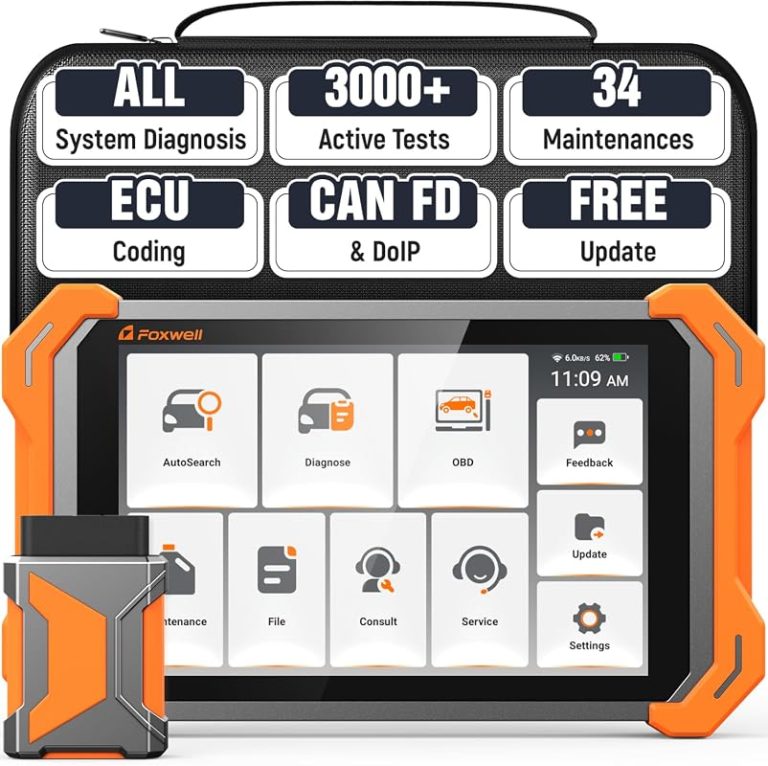
| Professional scan tool | Bidirectional tests and enhanced data | High cost, steep learning curve | Best accuracy for complex faults |
Basic Code Reader vs. Live-Data Scanner vs. Professional Scan Tool
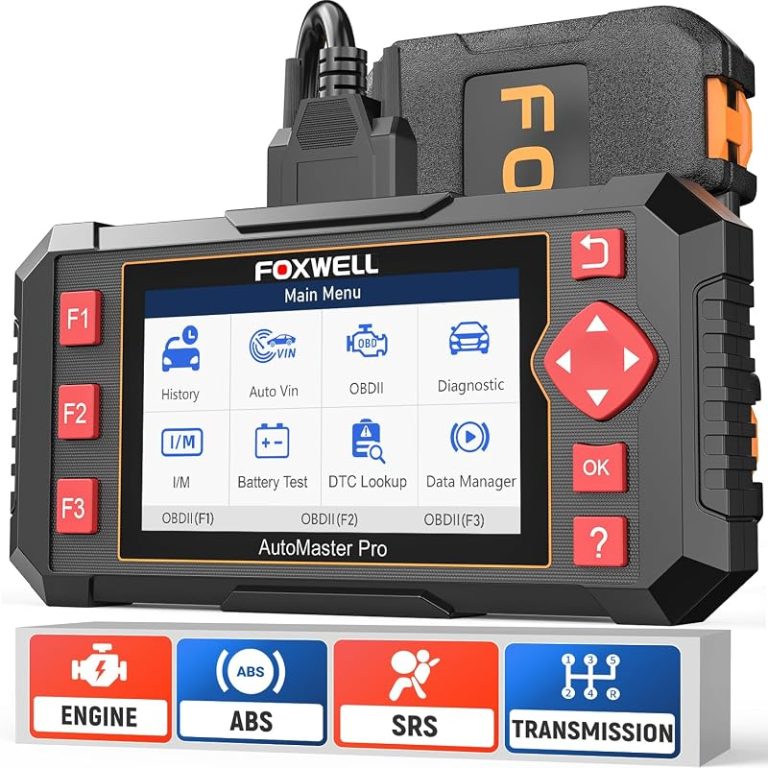
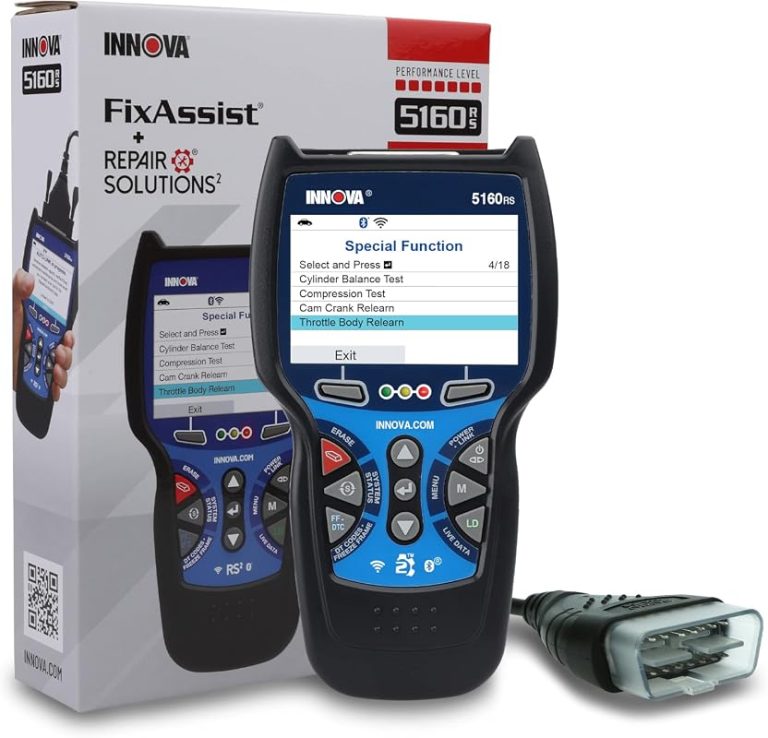
A basic code reader confirms P0101 but cannot show you the MAF reading. That makes it nearly useless for confirming a bad sensor. A live-data scanner, even a budget Bluetooth model, shows MAF g/s, RPM, and fuel trims in real time. A professional scan tool adds bidirectional commands and manufacturer-specific tests, which matter mainly for wiring and computer faults.
Which Scanner Fits Your Vehicle, Skill Level, and Budget
For most home mechanics, a live-data scanner is the sweet spot. It costs more than a basic reader but far less than a professional tool, and it handles the majority of MAF and fuel-trim diagnostics. If you plan to work on multiple vehicles, check protocol coverage and update support before buying. Our guide to the best OBD2 scanner for home mechanics compares specific models.
Your Next Steps After Diagnosis: Replacement, Maintenance, and Ownership Costs
Once you have confirmed the MAF is failing, decide between cleaning and replacing. The choice depends on the sensor type and how far it has degraded.
Cleaning vs. Replacing the MAF Sensor: Cost and Longevity
A dedicated MAF cleaner can remove oil and dirt from the sensor element. Cleaning works best when the sensor is dirty but not damaged. It costs little and takes about 15 minutes. The catch is that cleaning does not fix an electrically failed sensor, and some sensors are not designed to be cleaned.
Replacement is the reliable route when the sensor element is burned, the housing is cracked, or cleaning does not restore normal readings. Part costs vary widely by make and model, so check OEM and quality aftermarket options for your specific vehicle.
Post-Repair Verification, Driving Habits, and When to Recheck Codes
After replacing the MAF, clear the codes and drive the vehicle through the conditions that triggered the original fault. Warm up the engine, include some highway cruising, and watch live data to confirm the MAF reading tracks smoothly with throttle.
Recheck the codes after a few drive cycles. If P0101 returns, the problem is elsewhere in the intake, wiring, or computer. If the check engine light stays off and fuel trims settle near zero, the repair is confirmed.
- Best for: Home mechanics who want to confirm a MAF failure with live data instead of guessing from a code.
- Think twice if: You have only a basic code reader, or the vehicle shows multiple codes pointing to a wiring or computer fault.
- Next step: Verify your scanner supports live data, then record MAF g/s and fuel trims before replacing anything.
Frequently Asked Questions
P0101 means the engine computer detected a mass airflow reading outside the expected range for the current operating conditions. It points to the MAF sensor circuit, but intake leaks, wiring problems, and dirty sensor elements can also trigger it.
Yes. A MAF sensor can fail intermittently, especially when it warms up or when the engine is under load. The code may appear as pending first, and the check engine light may stay off until the fault repeats enough times.
A healthy MAF reading at warm idle typically falls between 2 and 7 grams per second on most cars, depending on engine size and calibration. Instead of memorizing a single number, compare your reading with the value your vehicle spec calls for and watch whether it climbs smoothly with RPM.
Sometimes. A dedicated MAF cleaner can remove oil and dirt from the sensor element. Cleaning works best for dirty sensors but will not fix an electrically failed sensor, and some sensors are not designed to be cleaned.
No. Clearing the code only erases the stored fault and resets the emissions readiness monitors. If the MAF is actually failing, the code will return, usually within a few drive cycles.
Replacement cost varies widely by make, model, and whether you choose an OEM or aftermarket part. Labor is usually minimal because the MAF is accessible under the hood, but some vehicles place it in a harder-to-reach location.