Why Does the Check Engine Light Come on After Getting Gas: Loose Cap
A loose or improperly sealed gas cap is the most common reason the check engine light appears after refueling. Tighten the cap until it clicks, then drive through a full drive cycle to see if the light clears.
Why does the check engine light come on after getting gas? In the vast majority of cases, the culprit is a loose, cracked, or improperly seated gas cap. The cap seals your vehicle’s evaporative emissions (EVAP) system, and when that seal fails, the engine computer detects a fuel vapor leak and turns on the warning light.
This is one of the most common and least expensive check engine light causes. It can happen to any car, truck, or SUV, and it’s usually an easy fix you can handle at the pump or in your driveway. This guide explains why it happens, what codes to look for, and how to keep the light off for good.
- Gas cap seal: Tighten until you hear two to three clicks to restore the EVAP system seal.
- Common codes: P0455, P0456, P0442, and P0457 all point to fuel vapor leaks.
- Drive cycle: The light may take a day or two to clear after the cap is.
- Scanner check: An OBD2 scanner confirms the code before you spend money on repairs.
- Shop visit: Recurring codes, fuel smells, or hissing near the tank need professional diagnosis.
The Short Answer: A Loose Gas Cap Triggers an EVAP Leak Code
The gas cap does more than keep fuel from splashing out. It seals the fuel system so gasoline vapors are captured and routed back into the engine instead of escaping into the atmosphere. When you finish refueling and don’t tighten the cap properly, air and fuel vapors can escape.
Your vehicle’s onboard diagnostic system monitors the EVAP system for leaks. A loose cap creates a small leak, and the computer stores a trouble code. The most common codes include:
- P0455 – Large EVAP system leak
- P0456 – Small EVAP system leak
- P0442 – Small leak detected
- P0457 – Loose fuel cap detected
The light usually doesn’t come on the moment you drive away from the pump. The computer runs its EVAP self-test when certain conditions are met, often during the first few minutes of driving or after a cold start. That’s why the light may appear hours or even a day after refueling.
How the EVAP System Detects a Loose Cap After Refueling
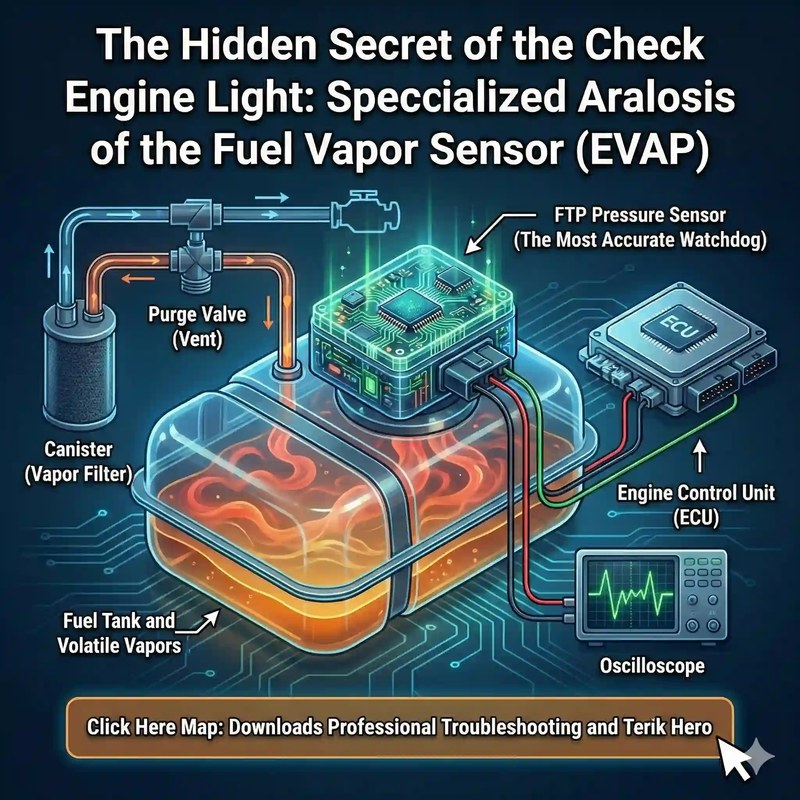
The EVAP system is a sealed network of hoses, valves, and the fuel tank. Its job is to trap fuel vapors and send them to the engine to be burned during normal operation. Key components include the fuel tank, gas cap, charcoal canister, purge valve, vent valve, and a pressure sensor or leak detection pump.
When you open the gas cap to refuel, you break the system’s seal. After you close it, the system needs to re-establish pressure. If the cap isn’t tight, the system can’t hold vacuum or pressure. The computer notices this during its self-test and sets an EVAP code.
Modern vehicles use a leak detection pump or a fuel tank pressure sensor to monitor the system. When the computer sees pressure dropping when it shouldn’t, it records the fault. The code may indicate a small leak (P0456) or a large leak (P0455), depending on how much vapor is escaping.
Tightening the cap until it clicks – usually two to three clicks – restores the seal. Once the leak is gone, the light may turn off on its own after several drive cycles, or you can clear the code with an OBD2 scanner.
Other Refueling-Related Causes: Purge Valves, Vents, and Filler Necks
While a loose cap is the most common culprit, other refueling-related issues can trigger the same light. Here’s what else to consider:
Purge valve stuck open. The purge valve routes fuel vapors from the charcoal canister into the engine. If it sticks open, the system can’t hold pressure and may set a large leak code. This can happen after refueling because the sudden change in fuel level and pressure can dislodge debris.
Vent valve failure. The vent valve controls airflow into the charcoal canister. If it fails to close, the system can’t pressurize during testing. This produces codes similar to a loose cap.
Filler neck damage. A rusted or damaged filler neck can leak vapors even with a new gas cap. This is more common in older vehicles or in areas where road salt is used.
Overfilling the tank. Topping off after the pump clicks can send liquid fuel into the charcoal canister. This can flood the canister and damage the purge valve, often causing a check engine light shortly after refueling.
Worn gas cap gasket. The rubber seal on the cap can crack, harden, or stretch. Even if the cap clicks, a worn gasket may not seal properly. Gas caps are inexpensive and easy to replace.
What Your OBD2 Scanner Can Reveal About the Problem
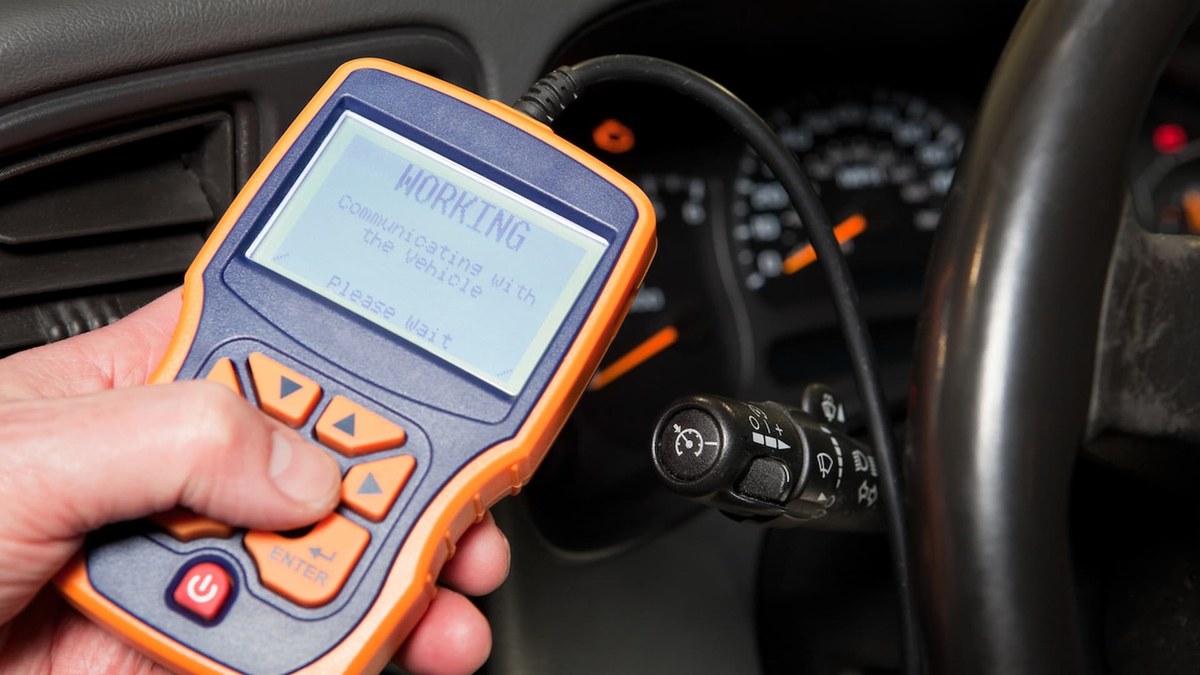
An OBD2 scanner is the fastest way to confirm what’s triggering the light. It reads the diagnostic trouble codes stored in the engine computer and shows you which system is failing. You don’t need a professional-grade tool for a basic EVAP diagnosis, but a cheap OBD2 scanner may have limits on what it can clear or display.
Model-Year Coverage and Protocol Compatibility
OBD2 has been required on all cars and light trucks sold in the US since 1996. Most scanners support the standard protocols used since then. However, some budget-friendly scanners may not read manufacturer-specific codes or live data from newer vehicles.
If you drive a 2008 or newer vehicle, confirm the scanner supports CAN (Controller Area Network) protocol. Nearly all modern scanners do, but very old or ultra-cheap models may not.
Port Location, Ignition Mode, and Reading the Codes
The OBD2 port is usually under the dashboard on the driver’s side, near the steering column. Plug in the scanner with the engine off, then turn the ignition to the “on” position without starting the engine. The scanner will power up and communicate with the computer.
For EVAP issues, you’ll typically see P0455, P0456, P0442, or P0457. Write down the code and any freeze frame data. Freeze frame data shows the engine conditions when the code was set, which helps with diagnosis.
Keep in mind that an EVAP code tells you the system detected a leak, but it doesn’t pinpoint the exact location. Finding the source may require a smoke test or further inspection.
Live Data, App Permissions, and Firmware Limits
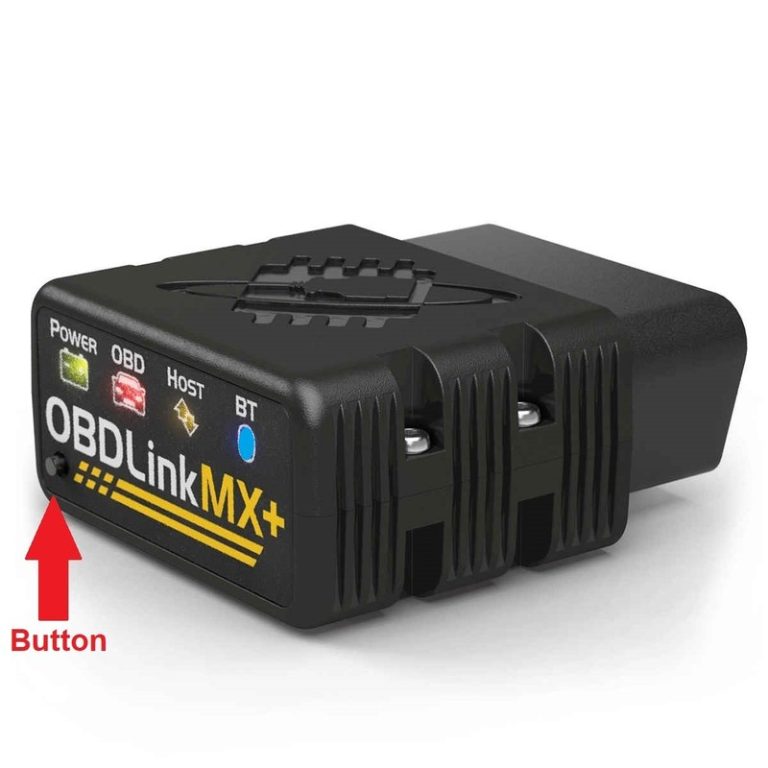
Many modern OBD2 scanners connect to a smartphone app via Bluetooth. These apps can display live data like fuel tank pressure, which is useful for EVAP diagnosis. However, app permissions and data privacy vary. Some apps collect vehicle data, location, or diagnostic information. Review the app’s privacy policy before connecting it to your vehicle.
Firmware updates matter too. Older scanners may not recognize newer vehicle protocols or may display incomplete data. Check whether the scanner offers free or paid updates, and confirm it covers your vehicle’s make and model year.
Emissions Readiness Monitors and Reset Limitations
Clearing a check engine light with a scanner is straightforward, but there’s a catch. When you clear codes, the computer resets the emissions readiness monitors. These monitors track whether your vehicle’s emissions systems are functioning correctly.
Most states that require emissions testing will not pass a vehicle with incomplete readiness monitors. After clearing codes, you need to complete a drive cycle – a specific pattern of driving that lets the computer run its self-tests. Drive cycles vary by vehicle, but they often include a mix of city and highway driving with the engine warmed up.
Some newer vehicles also store permanent codes that can’t be cleared with a standard OBD2 scanner. These codes remain in the computer until the system completes its own diagnostic tests and confirms the issue is fixed. This prevents people from simply clearing codes to pass an emissions test.
If you clear codes before fixing the underlying issue, the light will come back – often within a few drive cycles. That’s why it’s important to address the root cause, not just erase the code.
DIY Fixes vs. Professional Diagnosis: When to Call a Shop
Start with the simplest fix: check the gas cap. Remove it, inspect the gasket for cracks or debris, and reinstall it. Tighten until you hear two or three clicks. This is free and takes less than a minute.
If the cap looks worn or damaged, replace it. Gas caps are available at auto parts stores and online. Make sure you buy the correct cap for your make, model, and year – a cap that doesn’t fit properly won’t seal.
After tightening or replacing the cap, clear the code with an OBD2 scanner or simply drive normally. If the light was caused by the cap, it should stay off after the system runs its self-test.
Call a professional if the light comes back after tightening or replacing the cap, you smell fuel inside or outside the vehicle, you hear a hissing sound near the fuel tank, or the code returns with rough idling or poor fuel economy. A professional can perform an EVAP smoke test, which injects smoke into the system to pinpoint leaks in hoses, valves, or the charcoal canister.
- Check the gas cap first and tighten it until it clicks
- Inspect the cap gasket for cracks, debris, or wear
- Use an OBD2 scanner to confirm the code before repairing
- Replace a damaged cap with the correct part for your vehicle
- Clear codes without addressing the underlying leak
- Overfill the tank after the pump clicks off
- Ignore a recurring check engine light or fuel smell
- Use a gas cap that doesn’t match your vehicle’s specifications
Prevention, Emissions Testing Laws, and Ownership Costs
Preventing EVAP issues starts at the pump. Always tighten the gas cap until it clicks. Don’t overfill the tank – stop when the pump clicks off. Keep the cap clean and free of debris. Replace the cap every few years or if the gasket shows signs of wear.
Emissions testing laws vary by state. Some states require annual or biennial tests, while others don’t test at all. If your state tests, a check engine light or incomplete readiness monitors will likely cause a failure. Check your state’s requirements before clearing codes or scheduling a test.
Ownership costs for EVAP issues are usually modest. A replacement gas cap costs roughly $10 to $30 at most auto parts stores. Professional EVAP diagnosis, including a smoke test, costs more but is still far less than many major repairs. The key is catching the problem early and not ignoring the light.
Next Steps: Clearing the Light and Keeping It Off
Here’s a clear action plan to resolve the issue:
Remove it, inspect the gasket, and reinstall it tightly. Listen for clicks.
If the cap is cracked, worn, or won’t seal, buy a replacement that matches your vehicle.
Use an OBD2 scanner to read and clear the code, or drive normally and let the computer reset itself.
If you cleared codes, drive through the recommended cycle so readiness monitors reset.
If the light returns, the problem is more than the cap. Schedule a professional diagnosis.
If you’re using a budget-friendly scanner and the code keeps coming back, it may be worth checking whether your scanner can actually clear EVAP codes or if it’s limited to reading them. Some entry-level tools can read codes but can’t clear them, which is a common frustration for DIY owners.
- Best for: Drivers who want to resolve a common post-refueling check engine light without a shop visit.
- Think twice if: The light returns after tightening or replacing the cap, or if you smell fuel.
- Next step: Check and tighten your gas cap, then verify the code with an OBD2 scanner.
Frequently Asked Questions
It can take one or more drive cycles, usually a day or two of normal driving. The computer must run its EVAP self-test and confirm the leak is gone before it turns the light off.
Yes, driving with a loose gas cap is generally safe in the short term. However, you are releasing fuel vapors into the atmosphere, and the light will stay on until the cap is tightened and the system passes its self-test.
Yes, in most states. A check engine light or an incomplete readiness monitor will cause an automatic failure. Tighten the cap, clear the code, and complete a drive cycle before testing.
Tighten the cap until you hear two or three clicks. This confirms the ratchet mechanism has engaged and the seal is secure. Don’t force it beyond the clicks.
Yes. Topping off after the pump clicks can send liquid fuel into the charcoal canister, flooding it and potentially damaging the purge valve. This can trigger EVAP codes.
A replacement gas cap typically costs $10 to $30. Professional diagnosis with a smoke test costs more, and repairs to hoses, valves, or the canister vary widely by vehicle.