How Many Tire Plugs Can You Put in One Tire? Safe Limit Explained
Most tire manufacturers and industry repair standards cap passenger tires at two plugs per tire. Each puncture must be in the tread, smaller than 1/4 inch, and spaced so repairs don’t overlap.
Wondering how many tire plugs can you put in one tire before it becomes unsafe? The most common industry limit is two plugs per tire, and even that is only safe when each puncture meets strict size, location, and spacing rules. Here’s what you need to know before plugging a second hole.
- Safe limit: Two plugs per tire is the most common industry maximum for passenger vehicles.
- Location and size: Plugs only work in the tread on punctures under 1/4 inch; sidewall damage means.
- Spacing matters: Two repairs must be far enough apart that the plug-patch materials don’t overlap.
- Temporary vs. permanent: A string plug is an emergency fix; a shop-installed plug-patch is the permanent repair.
- Replace instead: Three punctures, close punctures, low tread, or prior damage all point to a new.
Quick Answer: How Many Tire Plugs Can You Put in One Tire?
Most tire manufacturers and the Tire Industry Association (TIA) set the safe limit at two repairs per tire for passenger vehicles. Some brands allow more in specific cases, but two is the most common maximum, and many tire shops will not repair more than two punctures in a single tire.
Even with two plugs, every puncture must be in the tread area, no larger than 1/4 inch in diameter, and spaced far enough apart that the repair materials do not overlap. The tire also needs adequate tread depth and no prior structural damage.
If a tire has three or more punctures, or two punctures sit close together, replacement is the safer call.
What a Tire Plug Can and Cannot Fix: Puncture Location and Size Limits

A tire plug is a rubber strip coated with adhesive that is pushed into a puncture from the outside. It seals the hole and stops air from escaping. Plugs work well for small, round punctures in the tread caused by nails, screws, and similar objects.
Plugs cannot fix sidewall punctures, shoulder damage, large cuts, or damage from driving on a flat tire.
The 1/4-Inch Rule and Why Sidewall Punctures Are Never Repairable
The 1/4-inch rule is the industry benchmark. Any puncture larger than 1/4 inch in diameter is too large for a reliable plug or patch. The hole is simply too big for the repair material to seal and hold under load.
Sidewall punctures are never repairable, no matter how small. The sidewall flexes constantly as the tire rolls, and a plug cannot hold a seal under that movement. It also carries much of the tire’s structural strength, so a puncture there means replacement. If you’re unsure, our guide on whether a tire plug kit can fix a sidewall puncture covers the details.
Industry Safety Standards: TIA and Tire Manufacturer Guidelines for Multiple Plugs
Two organizations set the repair standards most US tire shops follow: the Tire Industry Association (TIA) and the U.S. Tire Manufacturers Association (USTMA), formerly the Rubber Manufacturers Association. Both require a combination plug-patch applied from inside the tire after it is removed from the wheel.
A string plug inserted from outside is a temporary emergency repair, not a permanent fix. Industry standards require a one-piece plug-patch that seals the hole and bonds to the inner liner.
How Many Repairs Do Tire Manufacturers Allow?
Tire manufacturers publish their own repair limits, and they vary by brand and tire type. The most common limit for passenger tires is two repairs per tire. Some manufacturers allow more if each puncture is in a separate tread area, while others allow only one.
The safest approach is to check your tire manufacturer’s published repair policy before deciding. If you cannot confirm the limit, treat two as the maximum and replace the tire if a third puncture appears.
State Inspection Laws and Tire Repair Regulations
Some states require safety inspections that include tire condition. A tire with multiple plugs, visible repair materials, or signs of damage can fail inspection.
TPMS Relearn Limits and Sensor Compatibility After Plugging
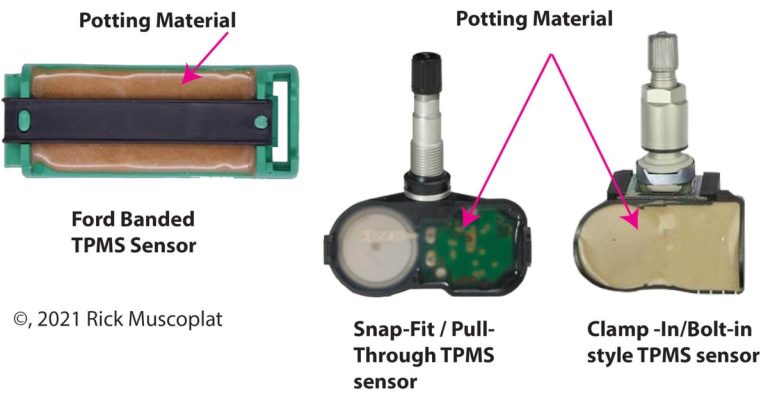
Plugging a tire does not normally affect the TPMS sensor unless the puncture is near the sensor or the repair process damages it. After a professional repair that removes the tire from the wheel, the sensor may need a relearn procedure so the vehicle recognizes it again.
Relearn steps vary by make and model. Some vehicles relearn automatically, while others need a scan tool or a button sequence. Our guide on resetting the TPMS light after a tire rotation explains the process on many vehicles.
Factors That Determine Whether Multiple Plugs Are Safe in One Tire

Two plugs are not automatically unsafe, but the distance between punctures, tread condition, tire age, and repair history all matter.
Distance Between Punctures and Tread Block Integrity
When two punctures sit close together, the repair materials can overlap and the tire structure between them becomes weak. Most repair guidelines require enough separation that each plug-patch unit remains fully independent.
If two punctures are within a few inches of each other, replacement is usually the safer choice. The tread block between the repairs may not have enough strength for normal driving loads.
Tire Age, Tread Depth, and Prior Repair History
A tire that is already worn, aged, or previously repaired has less margin for another plug. Tires should be replaced when tread depth reaches 2/32 inch, which is the level of the built-in wear bars. Many manufacturers also recommend replacing tires at 6 to 10 years old, regardless of tread.
If your tire is near either threshold, adding a second plug is not worth the risk.
Plug vs. Patch vs. Replacement: Choosing the Right Tire Repair
Understanding the difference between a plug and a patch matters. A plug is a rubber strip pushed into the puncture from outside. It seals the hole but does nothing for damage inside the tire. A patch is a rubber disc bonded to the inside of the tire.
A combination plug-patch does both: it fills the hole and seals the inner liner. Industry standards require this combination repair for a permanent fix. Our comparison of tire plug vs. patch and which is safer explains the difference in more detail.
When a Plug Is Acceptable for Temporary Emergency Repair
A plug is acceptable as a temporary emergency repair to get you to a shop. It can hold for a short time if the puncture is small, in the tread, and not leaking rapidly. Drive slowly, avoid long highway trips, and check the pressure at every stop.
When a Patch or Full Replacement Is Required
A proper plug-patch repair from a tire shop is required for a permanent fix. Replacement is required when the puncture is in the sidewall, larger than 1/4 inch, or the tire has multiple close punctures, prior repairs, low tread, or visible damage.
Step-by-Step Emergency Tire Plugging Procedure with Safety Cautions
If you decide to plug a tire yourself, follow these steps in order. Work only on a tire that is safely supported, and never attempt a plug repair on a tire that has been driven on while flat.
Park on a flat, hard surface away from traffic. Turn on hazard lights, set the parking brake, and place a wheel chock behind the opposite tire.
Listen for air, feel for it with your hand, or spray soapy water and watch for bubbles. Mark the spot so you can find it after removing the object.
Pull out the nail or screw, then use the rasp tool to clean the hole and roughen its surface so the plug can grip.
Thread the plug through the eye of the insertion tool, coat it with rubber cement if included, and push it into the hole until about half an inch remains outside.
Pull the tool out, trim the excess plug close to the tread, and inflate the tire to the pressure on the door-jamb placard. Check with a gauge.
Roadside Safety, Tool Completeness, and Inflator Duty Cycle
Before starting, check your plug kit. It should include the rasp, insertion tool, plugs, rubber cement, and a valve core tool. If the kit is missing parts, don’t improvise with household tools.
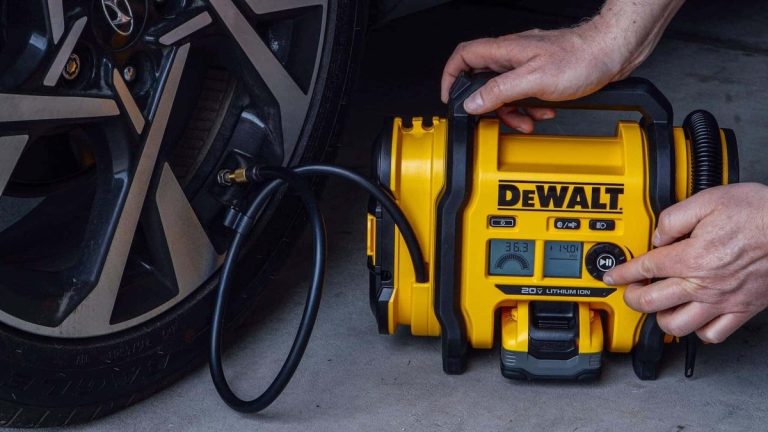
If you’re using a portable inflator, remember that most have a duty cycle. They need to cool down after a few minutes of continuous running. Overheating can shut the unit down or damage it, leaving you with a half-inflated tire.
Cold Pressure, Door-Jamb Placard, and Gauge Accuracy After Plugging
Always inflate to the pressure listed on the driver’s door-jamb placard, not the number molded into the tire sidewall. The sidewall number is the maximum pressure, not the recommended pressure.
Check pressure when the tire is cold, meaning the vehicle hasn’t been driven for at least three hours. A digital gauge is easier to read accurately than a pencil-style gauge. Our guide on checking tire pressure at home walks through the process.
- Confirm the puncture is in the tread and smaller than 1/4 inch
- Inflate to the door-jamb placard pressure and verify with a gauge
- Have a professional plug-patch repair done as soon as possible
- Plug a sidewall, shoulder, or oversized puncture
- Drive on a plugged tire at highway speed for long distances
- Add a second plug without checking your tire manufacturer’s repair limit
When to Call a Professional Instead of Plugging Your Tire
Call a professional if the puncture is in the sidewall or shoulder, the puncture is larger than 1/4 inch, the tire was driven on while flat, or you cannot find the leak. Also call if the tire has low tread, is older than six years, or already has one or more repairs.
If your kit is incomplete or you’re not comfortable, a professional repair is worth the cost. A tire failure at speed costs far more than a shop visit.
Signs That Your Plug Failed or Needs Professional Attention
After plugging, watch for a slow leak, a thumping or vibration, bulges in the tread or sidewall, or the TPMS light coming back on. If the plug pops out or the tire loses pressure again, stop driving and have the tire inspected or replaced.
Cost, Maintenance, and Next Steps After a Tire Plug
The cost depends on which route you choose: a DIY plug kit, a professional repair, or a replacement tire.
Ownership Cost of Plug Kits vs. Professional Repairs vs. Replacement
Prices vary by retailer, region, and tire size. A professional repair is the best value because it is the only permanent fix that meets industry standards.
Post-Use Inspection and Storage Conditions for Emergency Kits
After using a plug kit, clean the tools, check the remaining plugs, and store the kit in a dry place. Rubber cement dries out, so replace it if the bottle is old. Check the kit before every road trip.
- Best for: A single, small tread puncture on a tire with good tread depth and no prior repairs.
- Think twice if: The tire has multiple punctures, sidewall damage, low tread, or an uncertain repair history.
- Next step: Check your tire manufacturer’s published repair limit and have a professional inspect any tire with more than one plug.
Frequently Asked Questions
Yes, most tire manufacturers and industry guidelines allow up to two repairs per passenger tire. Both punctures must be in the tread area, smaller than 1/4 inch, and spaced so the repair materials don’t overlap.
Repair guidelines require enough separation that each plug-patch unit works independently. If two punctures sit close together, the tire structure between them is weakened, and most shops will recommend replacement instead.
It can be safe if both repairs were done properly, each puncture met the size and location rules, and the tire has good tread depth. Have a professional inspect the repairs and check the tire pressure regularly.
Replacement is the safer choice. Three repairs exceed the limit most tire manufacturers allow, and the accumulated damage makes a blowout more likely.
A proper combination plug-patch installed by a shop can last the remaining life of the tire. A string plug inserted from outside is a temporary repair and should be replaced with a proper plug-patch soon.
Usually not, unless the puncture is near the sensor or the repair process damages it. After a shop removes the tire for a plug-patch repair, the sensor may need a relearn procedure that varies by vehicle.