What Does Open Loop and Closed Loop Mean on a Scan Tool? Explained
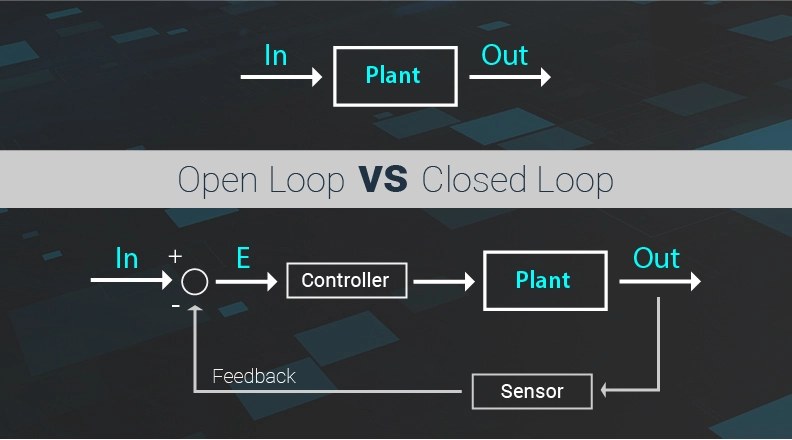
Open loop means your car’s engine is running on preset fuel maps and ignoring the oxygen sensors. Closed loop means the engine is actively using the O2 sensors to fine-tune the air-fuel mixture in real time.
If you have ever asked what does open loop and closed loop mean on a scan tool, the short answer is that they describe how your engine computer controls the air-fuel mixture. Closed loop means the computer is actively using the oxygen sensors to fine-tune fuel delivery in real time. Open loop means it is ignoring those sensors and running on base fuel maps that are pre-programmed into the engine control module (ECM). Knowing which mode your engine is in is one of the most useful diagnostic clues for a wide range of drivability and emissions problems.
The terms look confusing on a live data screen, but they are not difficult to understand. Once you know what they represent, you can use that information to spot failing sensors, understand why your check engine light is on, and plan a smarter repair. This guide breaks down the difference, what triggers each mode, and how to use loop status with your scan tool to fix your car.
- Loop status is a diagnostic clue: It tells you whether the engine computer is trusting its oxygen sensors or running.
- Closed loop is the normal target: For most daily driving, a warm engine should be in closed loop to maintain.
- Open loop triggers are specific: Cold starts, wide-open throttle, and certain sensor failures will force open loop for protection.
- Emissions readiness depends on it: Your car’s monitors often need closed loop operation to complete and pass an OBD2.
- Use it with other data: Loop status alone doesn’t fix a car; combine it with fuel trim, sensor voltages.
Open Loop vs. Closed Loop: The Short Answer
The engine computer constantly decides how much fuel to inject. It makes this decision based on several inputs, but the key difference between the two loop modes is whether the oxygen sensors are part of the equation.
Open Loop: Running on Base Fuel Maps
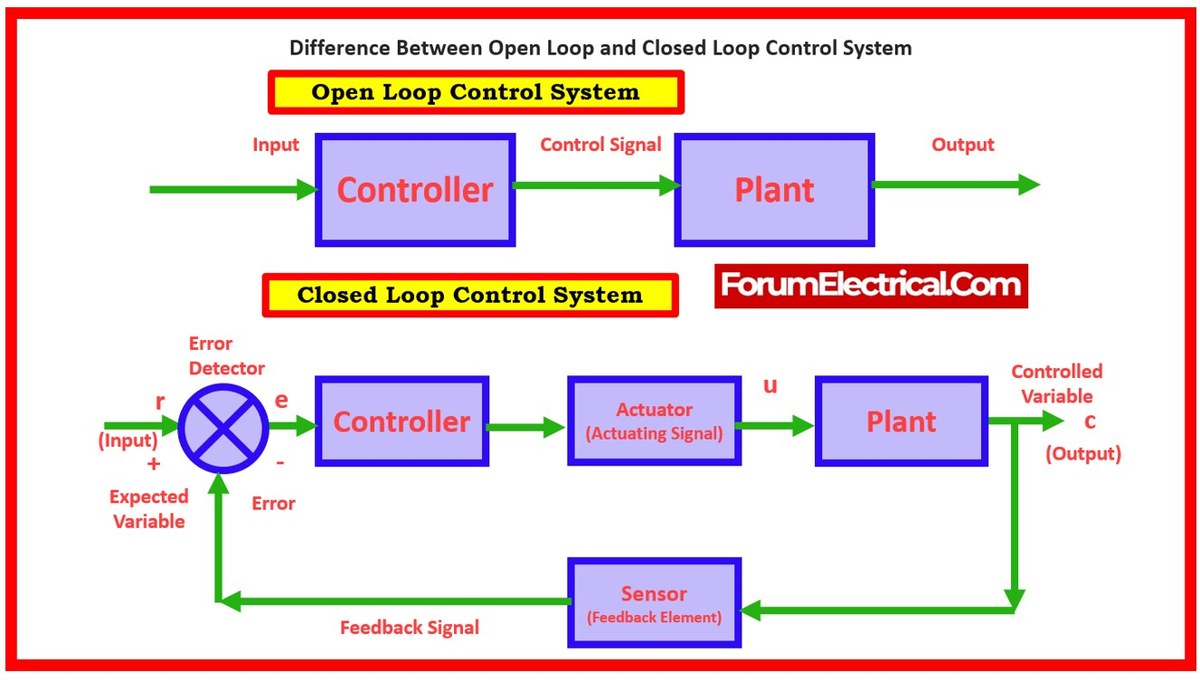
In open loop, the ECM uses data from sensors like the throttle position sensor, coolant temperature sensor, and mass airflow (MAF) sensor to calculate fuel delivery. It ignores feedback from the O2 sensors entirely. The engine runs on a base fuel map that the manufacturer calibrated to be safe and reliable in specific conditions.
This mode is necessary during a cold start because the O2 sensors are too cold to work properly. It is also used at wide-open throttle when the driver needs maximum power and the precise air-fuel ratio for emissions is less critical than preventing engine damage from a lean condition.
Closed Loop: Using Oxygen Sensors to Fine-Tune
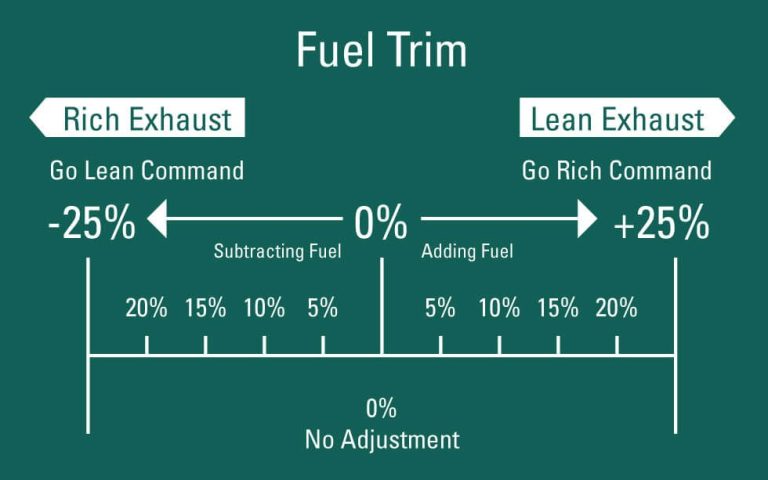
Closed loop is the normal operating mode for a warm engine under light to moderate load. In this mode, the ECM reads the voltage signals from the oxygen sensors and continuously adjusts the fuel trim to maintain the ideal air-fuel ratio of about 14.7 parts air to 1 part fuel.
This ratio is important because it allows the catalytic converter to work at maximum efficiency. The feedback loop between the O2 sensors and the fuel injectors is what keeps tailpipe emissions in check and fuel economy at its best. When you see “Closed Loop” on your scan tool, it means the computer is actively managing the fuel mixture and your sensors are doing their job.
How Your Scan Tool Displays Open and Closed Loop
Finding this information on your scan tool is straightforward if your tool can view live data. The exact menu name varies, but it is usually listed under “Fuel System Status” or “Fuel System 1” and “Fuel System 2”.
Finding the Fuel System Status PID in Live Data
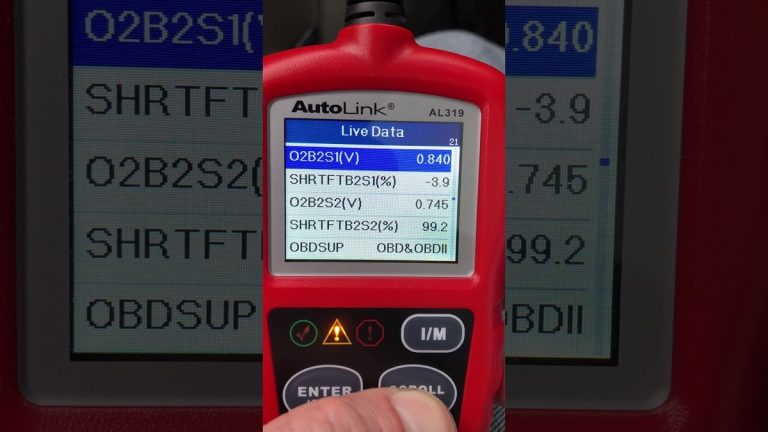
On most OBD2 scanners, you need to navigate to the live data or data stream menu. Scroll through the list of parameters until you find “Fuel System Status”. The value will display as “Closed Loop”, “Open Loop”, or a more specific code like “Closed Loop, Fault” or “Open Loop Due to Driving Conditions”. Some professional-grade tools use a numeric value for this parameter. A value of 0 usually means open loop, and a value of 2 typically means closed loop. If you need to see live data, we have a guide on how to find live data on an OBD2 scanner that walks through the menus.
Port Location, Ignition Mode, and Connection Basics
Before you can see any live data, the scan tool needs power and a connection to the vehicle’s computer. The OBD2 port is usually located under the dashboard on the driver’s side, near the steering column. Plug the scanner in, turn the ignition to the “On” position, or start the engine if the tool requires it. For some manufacturers, the port may be hidden behind a panel; consult your owner’s manual if you cannot find it.
Model-Year and Protocol Coverage: OBD1 vs. OBD2
Open and closed loop status is standardized on OBD2 vehicles, which includes most gasoline cars and light trucks sold in the US since 1996. If you are scanning an OBD1 vehicle (1995 and earlier), the ability to see loop status depends entirely on the manufacturer and the specific scan tool. Many OBD1 systems do not show this parameter in a plain text format. Check your scan tool’s specifications to confirm the model years it supports. Some older vehicles use proprietary connectors and protocols that a standard OBD2 scanner cannot access, a common issue that explains why a scanner says your vehicle is not supported.
Check: Confirm your vehicle is OBD2 compliant (usually 1996 or newer for US models). Verify your scan tool supports the “Read Live Data” function, as basic code readers may not show the Fuel System Status PID. Limitations: Some entry-level tools filter out this PID or only show it in a subset of data modes.
Why Loop Status Matters for Real Diagnostics
Loop status is not just an interesting statistic. It is a high-level health check for the engine management system. When the loop status does not match the engine’s conditions, it is a strong signal that something is wrong.
What Open Loop at the Wrong Time Tells You
If your scan tool shows open loop while the engine is fully warmed up and driving at a steady speed, you have a problem. The computer is not trusting the O2 sensor data)Skip. This can happen if an oxygen sensor is dead, unplugged, or has an open heater circuit. It can also be caused by a coolant temperature sensor that is stuck reading cold, which prevents the ECM from entering closed loop. A vacuum leak can also confuse the system enough to force open loop as a failsafe. Driving in open loop constantly will lower fuel economy and may lead to a failed emissions test.
What Closed Loop at the Wrong Time Tells You
Seeing closed loop at the wrong time is less common, but it can point to a problem. If you are at wide-open throttle and the scan tool shows closed loop, the engine may not be entering its power enrichment mode. This can happen if the throttle position sensor is not reading full throttle or if the computer has a software issue. A lack of power enrichment means the engine may run lean under hard acceleration, which can cause knocking or hesitation.
Common Open Loop Triggers and What They Mean
There are several normal and abnormal reasons why the engine computer switches to open loop. Recognizing them helps you decide if you need to take action.
Cold Start and Coolant Temperature Thresholds
The most common trigger is a cold engine. The ECM keeps the engine in open loop until the coolant temperature reaches a set threshold, usually around 104°F to 122°F, and the O2 sensors are hot enough to generate a voltage. If your scan tool shows open loop for several minutes on a warm day, it could be a sign of a failing coolant temperature sensor or a stuck-open thermostat. A faulty sensor can keep the loop open, leading to rich fuel trims and fouled spark plugs.
Wide-Open Throttle and Power Enrichment
When you press the accelerator to the floor, the ECM switches to open loop to provide a richer fuel mixture. This is called power enrichment mode. The extra fuel cools the combustion chamber and prevents detonation under heavy load. If you are monitoring live data on a dyno or test drive, you will see loop status change from closed to open as the throttle position sensor reaches a high percentage. This is normal behavior.
Fault Codes, Failing Sensors, and Failsafe Modes
The ECM will also force open loop if it detects a critical fault in the O2 sensor circuit or another major sensor. If the ECM cannot get valid feedback, it stops trying to fine-tune and reverts to the safe base fuel map. A pending code for a lean or rich condition may also trigger this fail-safe. For example, a large vacuum leak that pulls in unmetered air can make the O2 sensor read lean, and the ECM may eventually decide the sensor data is unreliable.
Emissions Readiness, Drive Cycles, and Loop Status
For drivers preparing for an emissions inspection, loop status is a critical piece of the puzzle. Your vehicle’s onboard diagnostics system will not finalize its self-tests, called readiness monitors, unless it can enter closed loop operation.
Why Emissions Monitors Require Closed Loop Operation
The catalytic converter monitor, oxygen sensor monitor, and fuel system monitor all require the engine to be in closed loop to run their tests. The computer needs to see the O2 sensor switching normally and the fuel trims staying within a certain range. If the engine is stuck in open loop, the monitors will not run, and your vehicle will show a “Not Ready” status, which causes an automatic failure in many US states. You can learn more about this state in our article on what an incomplete readiness monitor means.
Reset Limitations After Clearing Diagnostic Codes
Clearing a trouble code with your scan tool wipes the memory of the readiness monitorsтный. This resets the ECM to its default state, and the engine will start in open loop again. To get your car ready for an inspection, you must drive it through a complete drive cycle. This process requires a cold start, normal city driving, highway speeds, and deceleration to allow all monitors to run. The specific drive cycle varies by make and model, so check your vehicle repair manual for the exact procedure.
Scan Tool Limitations and When to Call a Professional
While any OBD2 scanner with live data can show loop status, there are limits to what an entry-level tool can tell you. Knowing these limitations helps you set realistic expectations.
Live Data vs. Freeze Frame: What Your Tool Can Actually Show
Live data shows what the sensors are doing right now. This is the best way to watch the mode change as you drive. Freeze frame data, on the other hand, is a snapshot of the engine conditions at the exact moment a trouble code was set. A freeze frame may show the loop status as part of the data, but it is a single point in time. If the problem is intermittent, you need to monitor live data and look for patterns. If your scan tool keeps losing connection during this process, you might be dealing with a scanner that keeps disconnecting, which may be a separate hardware issue.
App Permissions, Firmware, and Tool Capability Limits
Bluetooth and Wi-Fi scan tools that use a smartphone app are popular because they can graph live data on a large screen. However, these apps need the correct permissions to access the vehicle’s Bluetooth/Wi-Fi. Also, the parameter ID (PID) for fuel system status is not universally supported on all vehicles. Some automakers use a different PID or do not broadcast it on certain models. If you see no value for “Fuel System Status”, it may be that your vehicle’s ECU does not broadcast that specific PID, or your tool’s app does not decode it. Update the app firmware and check the tool’s compatibility list if this happens.
When Open/Closed Loop Diagnosis Requires a Professional
If you confirm the engine is stuck in open loop but cannot find the cause, or if you have a wiring issue that you cannot access, it is time to call a professional. A shop has a digital multimeter, a lab scope, and OEM-level software to test the wiring harness, O2 sensor waveforms, and CAN bus communications. A hesitation, misfire, or fuel smell combined with open loop can also be a sign of a mechanical issue like a fuel pressure problem or a failing fuel pump, which is beyond the scope of a general OBD2 scanner.
Sensor Health and Its Direct Effect on Loop Status
The health of your sensors has the most direct impact on whether your engine can enter closed loop. A scan tool that shows live data will help you see which sensor is causing the issue.
O2 Sensor Behavior, Aging, and Heater Circuit Issues
To enter closed loop, the ECM needs to see a stable voltage signal from the oxygen sensor. A healthy sensor switches rapidly between rich (near 0.8 volts) and lean (near 0.2 volts). As a sensor ages, it responds more slowly Signals become sluggishest. If the voltage stays flat or takes a long time to switch, the ECM may not trust the signal and will stay in open loop. Heater circuit issues are another common cause. The heater wire brings the sensor up to temperature quickly. If the heater fails, an engine code like P0030 or P0036 will be set, and the ECM will refuse to enter closed loop because the sensor is not hot enough to generate a reliable signal.
MAF Sensors, Coolant Temp Sensors, and Vacuum Leaks
While the O2 sensors are the primary decision-makers for closed loop, other sensors influence whether the ECM allows it. A dirty or failing MAF sensor can send incorrect airflow data, causing the fuel mixture to be too rich or too lean. The O2 sensor will see this and try to correct it, but eventually the correction add the values may exceed the ECM’s limit. A faulty coolant temperature sensor that reads below -40°F will keep the engine in open loop indefinitely. A vacuum leak, which allows unmetered air into the engine, can also cause the fuel trims to max out, and the ECM may revert to open loop as a protective measure.
Open vs. Closed Loop on Modified or Tuned Vehicles
The rules of loop status change when you are dealing with a modified car or a custom tune. Understanding your system’s setup is crucial.
Narrowband vs. Wideband Oxygen Sensors
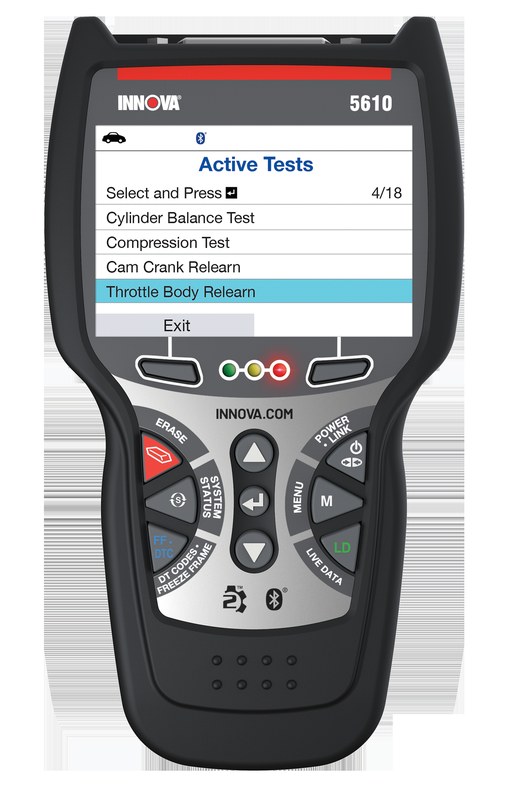
Most factory vehicles use narrowband O2 sensors that can only provide rich, lean, or stoichiometric information. These sensors are good for maintaining the 14.7:1 ratio but are not accurate enough to tune for maximum power. Modified engines often use a wideband O2 sensor, which provides a linear voltage signal that can measure air-fuel ratios from 10:1 to 20:1. The ECM or a standalone engine management system uses this wideband data to fine-tune the fuel map, not just to switch between open and closed loop. For more details on how tuners use these tools, check out our comparison of the Innova 5610 vs. Topdon scan tools.
How Tuning Calibration Changes Loop Behavior
When you get a custom tune, the tuner may change the thresholds that trigger open loop and closed loop. For example, a tuner might delay closed loop entry until the engine is hotter to prevent coolant temperature issues in a modified engine. They may also disable closed loop at certain RPMs to prevent the ECU from fighting with the performance fuel map. If you are driving a tuned car stan и see unusual loop behavior that was not present before the tune, contact your tuner look for a calibration error. The scan tool is still a valuable diagnostic tool; you just need to understand that the baseline behavior has changed.
Next Steps: Using Loop Status to Plan Your Repair
Seeing “Open Loop” on your scan tool is just the starting point. The next step is turning that observation into a clear action plan.
Confirm the Root Cause Before Replacing Parts
If the engine is stuck in open loop, do not immediately buy a new O2 sensor. Use your scan tool to check the O2 sensor voltage live data. Has the sensor voltage changed at all in the last 30 seconds? If it is stuck at 0.45V or 0 V, that points to a sensor or wiring problem. If the sensor is switching but the engine is still in open loop, the fault lies elsewhere, such as the coolant temperature sensor or a wiring fault. Reading live data and freeze frame data will save you from a wrong purchase. For general safety, always read the code and the freeze frame before clearing anything. You can find more practical guidance in our piece on what a pending code means on an OBD2 scanner.
Track Loop Status Data Over Time to Verify Fixes
After you replace a suspected sensor, do not just clear the code and assume the job is done. Take the car for a drive and watch the fuel system status on the live data screen. A healthy system should show “Closed Loop” shortly after the engine reaches operating temperature and should stay in closed loop during normal driving. Data logging, if your scan tool supports it, is useful for this. Over a 10-minute drive, you can see exactly when the loop status changes and confirm that your repair worked. This kind of verification prevents a second trip to the repair shop and gives you peace of mind that your diagnostic skills are improving.
- Check live data for the O2 sensor voltage to see if it is switching before you blame the sensor itself
- Watch the loop status on a test drive to see if it changes under acceleration and deceleration
- Let the vehicle fully warm up and drive for at least 10 minutes to allow monitors to run
- Don’t replace O2 sensors based only on a stuck open loop code without checking the wiring and heater circuit
- Don’t clear codes before saving freeze frame data, as you may lose crucial diagnostic clues
- Don’t assume a tuned or modified car behaves like a stock car; its loop entry points may be different
- Best for: DIYers and drivers who want to understand why their car feels rough, gets poor fuel economy, or fails an emissions test.
- Think twice if: You only have a basic code reader that cannot show live data, as you will not be able to see this parameter.
- Next step: Connect your scanner, go to the live data menu, and note the “Fuel System Status” after a cold start to verify your engine enters closed loop as it warms up.
Frequently Asked Questions
Open loop means the engine computer is using pre-programmed fuel maps and ignoring the oxygen sensors. Closed loop means the computer is actively reading the oxygen sensors to adjust the air-fuel mixture in real time for efficiency and emissions control.
During a cold start, the engine needs a richer fuel mixture to run smoothly while it warms up. The oxygen sensors also need to reach operating temperature to produce accurate readings. So the computer keeps the engine in open loop until the coolant temperature and O2 sensors are ready.
Yes, usually. If a warm engine never enters closed loop, it often points to a problem with the oxygen sensors, coolant temperature sensor, or a vacuum leak. A constant open loop condition can waste fuel, increase emissions, and may not set a check engine light until it becomes severe.
Most basic OBD2 scanners that can display live data have a parameter called ‘Fuel System Status’ that will show ‘Open Loop’ or ‘Closed Loop’. Very cheap code readers that only show trouble codes may not display this live data parameter at all.
Check for trouble codes and look at the fuel trims. A common cause is a failed or sluggish oxygen sensor. A vacuum leak can also cause the computer to run rich in an attempt to compensate. You need a scan tool that shows live data to see what the sensors are doing.
Yes. Clearing diagnostic trouble codes resets the engine computer’s readiness monitors and fuel trims. The engine will run in open loop until the drive cycle conditions are met again, which includes the engine reaching operating temperature and the O2 sensors warming up.