OBD2 Scanner Says No Codes but Check Engine Light Is on? Start Here
No codes on your scanner does not mean the engine is healthy. Check pending codes, the gas cap, and the battery before you decide the light is a false alarm.
When your obd2 scanner says no codes but check engine light is on, the light may still be telling the truth. A quiet tool usually means the scanner cannot see the fault yet — not that everything under the hood is fine.
- Check pending codes: The ECM often stores a pending fault before it triggers the check engine light.
- Know your scanner’s limits: Generic tools may miss manufacturer-specific P1xxx codes and Mode 6 data.
- Start with easy causes: A loose gas cap or weak battery can turn on the light without a.
- Don’t clear and forget: Clearing codes without fixing the fault usually brings the light right back.
- Stop on a flashing light: An active misfire can damage the catalytic converter quickly.
The 30-Second Answer: No Codes Does Not Mean No Problem
The check engine light is a warning from your engine control module (ECM). The ECM can turn the light on before it has enough evidence to store a code. A scanner that reports “no codes” is telling you what it can read, not what is actually wrong.
Three Reasons Your Scanner Is Quiet: Generic Limits, the Two-Trip Rule, and Ignition Mode
Three common causes explain a quiet scanner: generic code limits, the two-trip rule, and the wrong ignition mode. Generic tools miss manufacturer-specific codes. The ECM may wait for a second failure before logging anything. And if the ignition is in the wrong position, the tool may connect but read nothing.
Find Your OBD2 Port, Get It in KOEO, and Rule Out the Easy Stuff First
Your OBD2 port is usually under the dashboard on the driver’s side. Plug in the scanner and turn the ignition to key-on, engine-off (KOEO). Do not start the engine yet. Give the tool a few seconds to sync before reading again.
Many modern cars need the ignition in the RUN position before the ECM responds. If the scanner connects but shows zero data, move the key one click and retry.
Generic OBD2 Scanners Only Read Half the Alphabet: P0xxx vs. P1xxx Codes
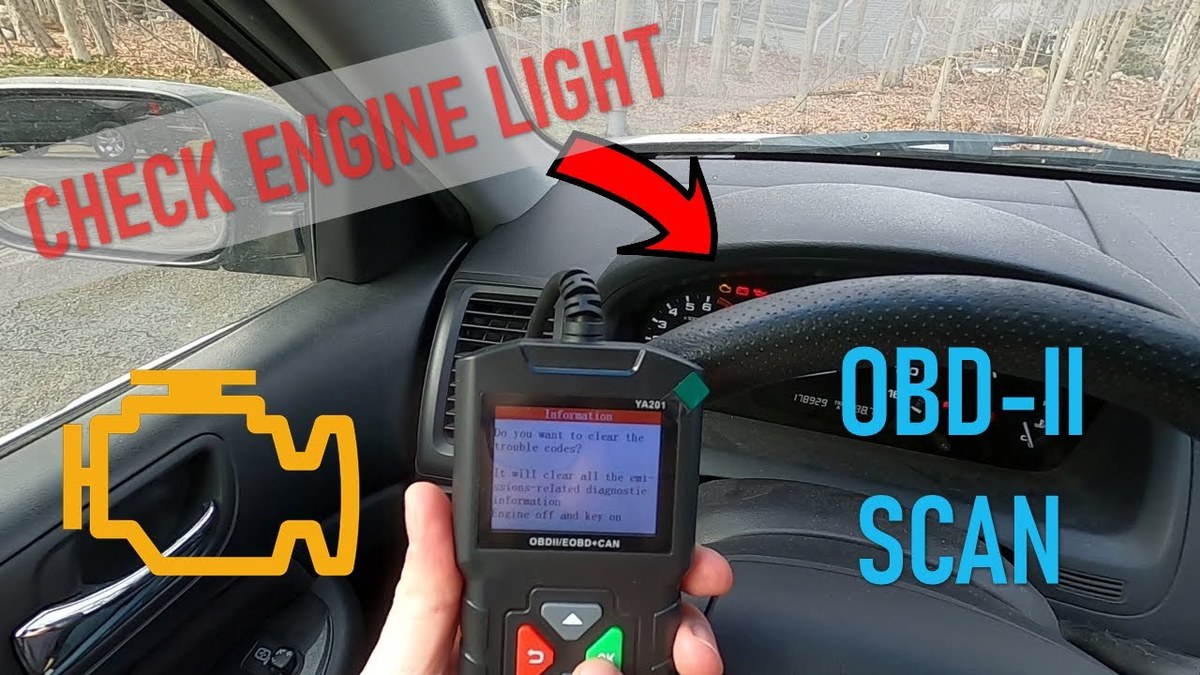
Generic OBD2 scanners are built to read standardized P0xxx codes shared across makes and models. Useful — but only part of the story.
Manufacturer-Specific Codes: What a Budget Tool Can’t See on Your Make and Model
Many faults log P1xxx codes, which are manufacturer-specific. A Ford, Toyota, or BMW might store a P1xxx code a budget scanner cannot display. The light stays on while the tool reports nothing.
A generic scan is not proof the engine is healthy. If your brand uses proprietary codes, a make-specific scanner may be worth the money.
Live Data Limits: Why “No Codes” Is Not a Clean Bill of Health
Code reading is only one job of a diagnostic tool. Live data lets you watch sensor values in real time. Many budget scanners read codes but offer limited or stale live data.
Without live data, you cannot see whether oxygen sensors are switching, coolant temperature is rising, or engine load is normal. A sensor can fail without logging a code — another reason “no codes” is not a clean bill of health.
The Two-Trip Rule: How Your ECM Decides Whether to Store a Code
Your ECM does not always store a code the first time a fault happens. Many systems use a two-trip rule. The first failure is recorded, and if the same fault returns on a later trip, the ECM stores a code and turns on the light.
Pending Codes, Freeze-Frame Data, and the Silent First Failure
That first failure often creates a pending code, which is readable even when no stored code exists. Ask your scanner for pending codes and read the freeze-frame data, which records engine conditions at the moment of the fault.
If you never check pending codes, the first trip looks like “no codes” when a warning is actually waiting. Learn more about what a pending code means on an OBD2 scanner.
Emissions Readiness Monitors and Your State’s Inspection Rules
Your car also runs emissions readiness monitors. These self-tests cover the catalytic converter, oxygen sensors, and EVAP system. If a monitor has not run yet, the ECM may not store a code even when a fault is present.
Inspection rules vary by state. Some states check readiness status, and a car can fail with a “not ready” monitor and no stored code. Clearing codes resets these monitors, which drags the problem out.
Intermittent Faults: The Check Engine Light That Prints No Receipt
Some faults are intermittent. A loose wire, a failing sensor, or a brief voltage dip can trigger the light for a moment, then vanish. By the time you plug in a scanner, the evidence is gone.
The Loose Gas Cap and EVAP Small Leak: The Most Common Silent Trigger
The loose gas cap is the classic example. The EVAP system sees a small leak, the light turns on, and the driver has already tightened the cap. A generic scanner may show no code, or only a pending EVAP leak code.
Tighten the cap until it clicks, then drive normally for a few days. The light may turn off on its own after the EVAP system runs a successful pressure test.
Wiring, Connectors, and the Five-Minute Wobble Test
Intermittent faults often hide in wiring and connectors. With the engine off, do a five-minute wobble test. Gently wiggle harnesses near the battery, fuse box, and engine sensors while watching the scanner’s live data screen.
Do not wiggle high-voltage hybrid cables or anything near moving engine parts. If live data changes or the scanner registers a fault, you found a loose connection — and saved a diagnostic fee.
Model-Year and Protocol Gaps: From the 1996 Mandate to Your 2026 Daily Driver
OBD2 became standard on most gasoline cars in 1996. Since then, communication protocols have changed. Older cars used ISO 9141 or KWP2000. Most newer cars use CAN, or Controller Area Network.
CAN vs. Pre-CAN Protocols: Why Some Older Cars Pair Better With Cheap Scanners
Many cheap scanners handle older pre-CAN protocols surprisingly well. Those systems are simpler to read. A budget tool may work perfectly on a 1998 sedan yet fail to communicate with a 2018 crossover.
If your scanner shows “protocol not supported” or “vehicle not supported,” the tool may not speak your car’s protocol. Our guide on what “vehicle not supported” means on an OBD2 scanner can help you tell a tool problem from a car problem.
Newer Cars, Stricter Monitors, and the Scanners That Can’t Keep Up
Newer cars use more complex ECM software and stricter monitors. Even in the 2026 model year, automakers keep adding sensors and self-tests. A scanner from a decade ago may connect but may not understand newer data streams.
Check the scanner’s compatibility list before buying. A tool that works on a friend’s older car may not work on your new daily driver.
Check: Verify the scanner supports your vehicle’s make, model year, and protocol (CAN vs. older standards). Limitations: Budget tools may skip manufacturer-specific codes and enhanced data even when they connect fine.
Bluetooth, App Permissions, and Firmware Quirks That Hide Codes
Bluetooth OBD2 scanners add another layer of possible problems. The connection between the dongle and the phone app can fail in ways that hide codes.
Pairing Problems, Locale Permissions, and the Dreaded “No Response” Connection
Some phones require location services to be enabled before Bluetooth scanning works. If the app says “no response,” check the pairing, permissions, and the dongle’s power light. The scanner may be fine; the phone may be blocking it.
Not all dongles pair the same way. Some need a default PIN like 1234. If the app shows a connection but no data, forget the device and pair again.
Firmware Updates and Your Data Privacy: Know What Your App Uploads
Scanner apps receive firmware updates that change what they can read. An outdated scanner may miss newer code definitions. Check the manufacturer’s app page for update notes before buying a new tool.
Reset Limitations: System Voltage, Battery Health, and the Cheap-Scanner Trap
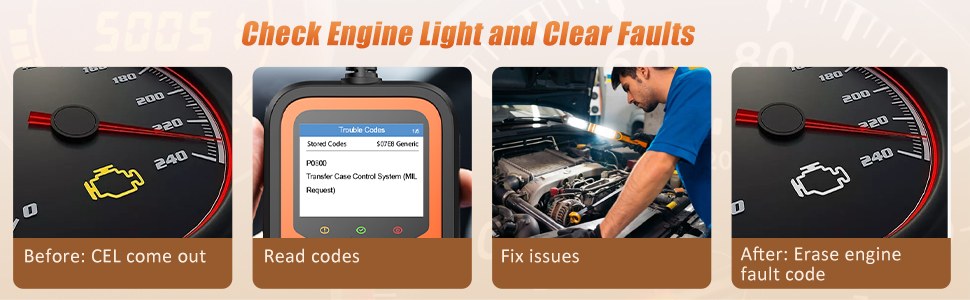
Another common trap is the reset button. Many owners clear codes only to watch the light return. Clearing does not fix the fault, and some cheap scanners cannot truly clear codes at all. Before you blame the tool, our guide on whether a cheap OBD2 scanner can clear the check engine light explains the limits.
Why “Clear Codes” Doesn’t Always Turn Off the Light
Some budget tools clear code memory but fail to reset the light. Others need a second command hidden in a menu. Your ECM may also hold permanent codes that survive a generic clear.
Permanent codes live in a separate memory area. If you clear a code without fixing the cause, the light usually comes back within a few drive cycles. Read more about why the check engine light returns after clearing codes.
Low Voltage, Weak Batteries, and Hybrid/EV High-Voltage Cautions
System voltage matters during diagnostics. A weak battery can make the ECM behave oddly, including refusing to store codes. If the engine cranks slowly or interior lights dim, check the battery first.
For hybrids and EVs, never touch the orange high-voltage cables. Stay with the 12-volt accessories and follow the vehicle manual. Damaged high-voltage wiring is a job for a qualified technician.
When a Silent Scanner Demands a Professional: Safety, Costs, and Limits
Some situations are too risky for a quiet scanner. If the check engine light is flashing, that is an urgent warning, not a suggestion.
Flashing Light, Misfires, and Catalyst Damage: Stop Driving First
A flashing check engine light usually means a misfire is happening right now. Unburned fuel can flood the catalytic converter and destroy it. Replacing a catalytic converter is expensive.
Professional Scanners, Mode 6 Data, and the $150 Diagnostic Cap
Professional tools read manufacturer-specific codes, live data, and Mode 6 data. Mode 6 shows the results of each emissions monitor test, even with no code stored. That data can point a technician to a failing sensor before it logs a code.
Our guide covers what Mode 6 data on an OBD2 scanner shows and how to use it. A diagnostic fee at an independent shop varies by region, but catching a problem early almost always costs less than a tow plus a ruined converter.
Next Steps: What Your Scanner Should Have Been Able to Do
Before you replace your scanner, re-check the one you have. Many tools that seem broken are just being used in the wrong mode or with a weak connection.
Re-Check After a Drive Cycle: The 100-Mile Rule
Some faults only appear after the engine reaches operating temperature. A cold-start scan may show nothing. Drive a full cycle that includes a cold start, warm-up, highway cruise, and stop-and-go traffic.
Many owners report needing about 100 miles of mixed driving before a code appears. If the light is steady and the car drives fine, give the ECM time to confirm or clear the fault.
Choosing a Better Scanner: Code Coverage, Live Data, and Reset Ability Compared
If your current tool truly cannot see anything, compare features before buying. Look at code coverage, live data refresh, pending code support, and reset capability.
| Feature | Basic scanner | Better scanner | Why it matters |
|---|---|---|---|
| Code coverage | P0xxx only | P0xxx + P1xxx | Catches manufacturer-specific faults |
| Live data | Limited or none | Real-time sensor values | Reveals failing sensors before codes appear |
| Pending codes | Sometimes | Usually included | Shows the silent first failure |
| Mode 6 data | Rare | Included on some models | Shows monitor results without a code |
For most owners, a mid-range tool that reads generic and manufacturer-specific codes, offers live data, and shows pending codes is the sweet spot. Check the compatibility list and confirm firmware is current before you pay.
- Confirm the scanner matches your vehicle’s make, model year, and protocol
- Turn the ignition to KOEO and check pending codes before judging the scan
- Fix the underlying cause before clearing any codes
- Assume “no codes” means the car is healthy
- Clear codes while the check engine light is flashing
- Ignore a weak battery when the light is on with no stored code
- Best for: Owners who need to understand why a quiet scanner is not proof of a healthy engine and want safe, practical next steps.
- Think twice if: The check engine light is flashing — that needs immediate professional attention.
- Next step: Re-scan in KOEO, check pending codes, tighten the gas cap, and log about 100 miles of mixed driving before booking a shop visit.
Frequently Asked Questions
Generic scanners often miss manufacturer-specific codes, and the ECM may wait for a second failure before storing a code. Check pending codes, confirm the ignition is in the KOEO position, and make sure the scanner supports your vehicle’s protocol.
Yes. A loose gas cap can make the EVAP system detect a small leak and turn on the light. If you tighten the cap before scanning, the fault may remain only as a pending code or disappear entirely.
A pending code is the silent first record of a fault that has not yet met the ECM’s confirmation rules. A stored code is a confirmed fault that triggers the check engine light. Many scanners show pending codes separately.
For most code reading, turn the ignition to the key-on, engine-off (KOEO) position instead of starting the engine. Some live data functions and system tests require the engine to run. Follow the scanner and vehicle instructions for each function.
Yes, if the underlying fault is still present. Clearing codes does not repair anything, and permanent codes can survive a generic clear command. The light often returns within a few drive cycles.
If the light is flashing, pull over when it is safe and turn the engine off. A flashing light usually means a misfire that can damage the catalytic converter. If the light is steady and the car drives normally, you can usually drive to a shop, but get it diagnosed soon.