Can an OBD2 Scanner Detect a Bad Catalytic Converter? Read the Codes
The short answer is yes. An OBD2 scanner reads the codes that point to a failing converter, but you still need live data and a professional check to confirm the cause before replacing parts.
Can an OBD2 scanner detect a bad catalytic converter is easier to understand when you compare compatibility, safe use, ownership needs, and real limitations.
Yes, an OBD2 scanner can detect a bad catalytic converter, and the check engine light is usually your first clue. The scanner reads the diagnostic trouble codes (DTCs) that your car’s computer stores when the converter stops working efficiently. The most common codes are P0420 and P0430, which tell you the catalyst is performing below the expected threshold. But reading the code is only step one. You also need to confirm the cause, because other faults can produce the same warning.
- P0420/P0430: These are the two most common codes for low catalytic converter efficiency.
- Oxygen sensors: The scanner compares upstream and downstream sensor readings to judge converter performance.
- Live data matters: Freeze frame and live sensor values give more useful evidence than a basic code.
- Clearing isn’t fixing: Erasing the code hides the problem and can complicate state emissions testing.
- Confirm first: Exhaust leaks and bad oxygen sensors can trigger the same codes as a dead.
Yes, an OBD2 Scanner Can Detect a Bad Catalytic Converter — Here’s How
Your engine computer runs a catalyst efficiency monitor while you drive. It compares the oxygen readings from sensors placed before and after the converter. When the converter can no longer store oxygen properly, the computer sees the difference shrink and stores a fault code. An OBD2 scanner pulls that code from the computer in seconds.
The two codes you will see most often are P0420, which means catalyst efficiency is below threshold on Bank 1, and P0430, which means the same thing on Bank 2. Bank 1 is the side of the engine with cylinder number one. Bank 2 is the opposite side. Vehicles with a single exhaust bank only use P0420.
These codes are generic, which means any OBD2 scanner can read them on any car built after 1996. That makes the scanner a reliable first step for any owner who wants answers before visiting a shop.
How OBD2 Scanners Diagnose Catalytic Converter Efficiency
The Oxygen Sensor Comparison Behind the Code
Your car has oxygen sensors in two positions. The upstream sensor sits before the converter and measures the exhaust leaving the engine. The downstream sensor sits after the converter and measures the exhaust leaving the catalyst. A healthy converter smooths out the oxygen levels, so the downstream signal stays fairly flat while the upstream signal swings up and down.
When the converter degrades, the downstream sensor starts to mirror the upstream sensor. The computer calculates the efficiency from this pattern. When the efficiency drops below the manufacturer’s threshold, it sets P0420 or P0430 and lights up the check engine light.
If you want to know whether the scanner can point to a specific sensor, read our guide on whether an OBD2 scanner can tell which oxygen sensor is bad. The short answer is that a generic scanner reads the code, but it does not always name the exact sensor.
Live Data, Drive Cycles, and Emissions Readiness Monitors
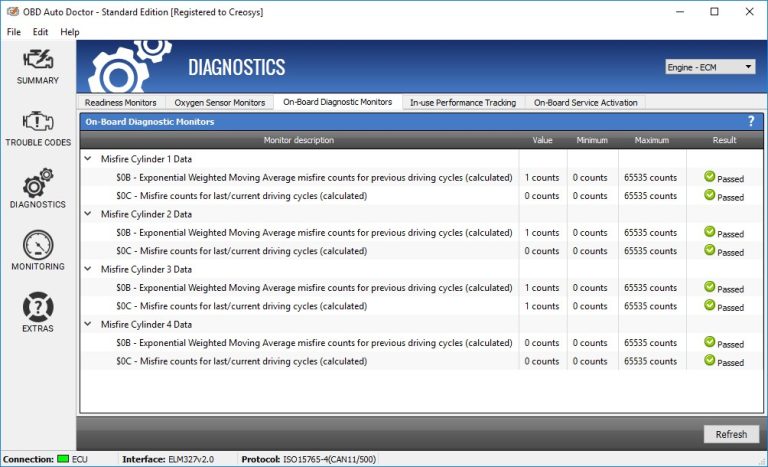
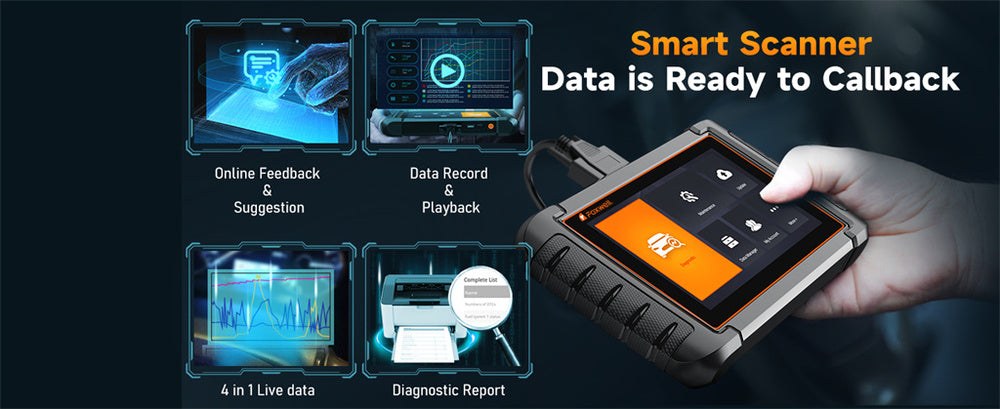
Codes are only part of the story. A scanner with live data shows real-time sensor voltages, fuel trims, and coolant temperature while the engine runs. Freeze frame data records the conditions when the code was set, such as engine speed, load, and coolant temperature. That snapshot helps you understand whether the failure happened during normal cruising or under heavy load.
The catalyst monitor does not run every time you drive. The computer needs to complete a drive cycle, which is a specific sequence of starts, idles, accelerations, and steady cruising. If the monitor has not run, the scanner may show it as “not ready.” That matters for emissions testing, because most states will not pass a vehicle with incomplete monitors.
Learning how to find live data on an OBD2 scanner can save you a trip to the shop. Pending codes, which are faults that have not yet turned on the check engine light, can also warn you that a converter problem is developing.
What an OBD2 Scanner Can’t Tell You About a Failing Converter
Generic vs. Manufacturer-Specific Codes and Data Limits
A generic OBD2 scanner reads the same standard codes on every car built after 1996. That is useful, but it has limits. The scanner will tell you that catalyst efficiency is below threshold. It will not tell you the exact efficiency percentage, the internal temperature of the converter, or whether the honeycomb structure is physically clogged or melted.
Manufacturer-specific scan tools can read additional data from the computer, such as calculated catalyst efficiency values and converter temperature readings. These tools cost more, and they are often worth it for European and Asian brands that store detailed emissions data. A basic scanner is still enough to confirm that the catalyst monitor failed.
False Positives and Reset Limitations: Why Clearing the Code Isn’t a Fix
A P0420 code does not always mean the converter is dead. A small exhaust leak before the downstream sensor can pull in fresh air and fool the computer. A failing oxygen sensor can send bad readings. A misfiring engine can dump unburned fuel into the converter and overheat it. Each of these can set a catalyst code even when the converter itself is fine.
Clearing the code with a scanner will turn off the check engine light, but it will not repair anything. The computer will run the monitor again, and the code will return if the underlying problem remains. Some states also check for recently cleared codes during emissions testing, so erasing the light can create a bigger headache. Our guide on whether a cheap OBD2 scanner can clear the check engine light explains what to expect from budget tools.
Choosing the Right OBD2 Scanner for Catalytic Converter Diagnosis
Code Readers vs. Bluetooth Scanners vs. Professional Scan Tools: Side-by-Side
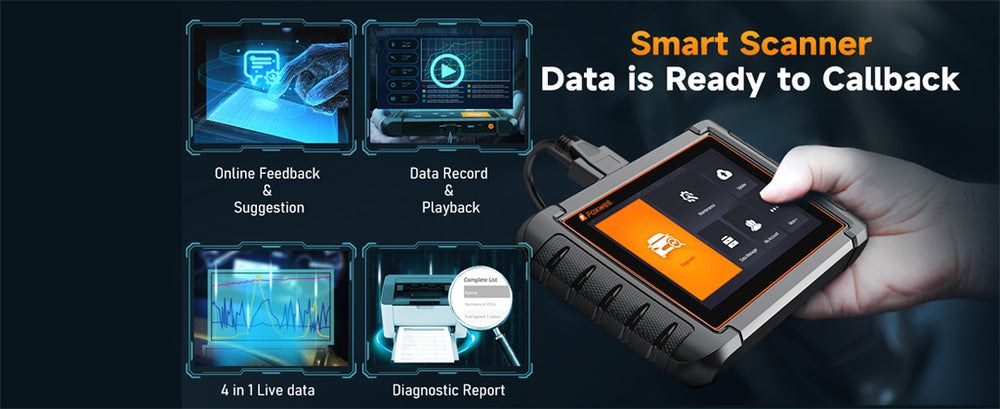
Not every scanner gives you the same information. A basic code reader shows the code and little else. A Bluetooth scanner pairs with your phone and adds live data, graphs, and freeze frame. A professional scan tool adds manufacturer-specific tests and bidirectional controls. Here is how they compare for converter diagnosis.
| Option | Best for | Owner consideration | Driver consideration |
|---|---|---|---|
| Basic code reader | Reading and clearing P0420/P0430 codes | Low upfront cost; no live data or freeze frame | Safe to use with ignition on and engine off |
| Bluetooth scanner with app | Live data, freeze frame, and phone-based graphs | Requires app setup, firmware updates, and phone storage | Secure the phone while driving; no distracted scanning |
| Professional scan tool | Manufacturer-specific data and bidirectional tests | Higher cost and a steeper learning curve | Follow the manual for hybrid and EV high-voltage systems |
Must-Have Features: Live Data, Freeze Frame, Model-Year Coverage, and Firmware
If you want to diagnose a catalytic converter properly, look for a scanner with live data and freeze frame. Without live data, you are guessing. Model-year coverage matters too. A scanner that works on an older vehicle may not read the enhanced emissions data on a newer model. Check the manufacturer’s coverage list before you buy.
Firmware updates keep the scanner current with new vehicle protocols. Some brands charge for updates, while others include them free for a limited time. Read the warranty and update policy carefully, because a scanner that cannot be updated will eventually become outdated.
App Permissions and Data Privacy: What Your Scanner Sends to the Cloud
Bluetooth scanners pair with a phone app, and that app often collects data. Before you connect, check what the app can access. Some apps request location, contacts, or storage permissions that have nothing to do with car diagnostics. Read the privacy policy to see whether your VIN, codes, or driving data are stored or shared.
Before You Scan: Port Location, Ignition Mode, and Battery Checks
OBD2 Port Location and Ignition Mode: Powering Up Without Starting the Engine
The OBD2 port is usually under the driver’s side dash, within easy reach of the steering wheel. Some vehicles hide it behind a small cover or near the fuse panel. If you cannot find it, check the owner’s manual. The port has a distinctive trapezoid shape with sixteen pins.
For most scans, turn the ignition to the “On” position without starting the engine. This powers the computer and the scanner without creating exhaust or moving parts. Some live-data tests require the engine to be running, but code reading does not. Our guide on whether you need the engine running to use an OBD2 scanner covers the exceptions.
Battery Health, System Voltage, and Electrical Safety: Connection Order, Stop Conditions, and Hybrid/EV Cautions
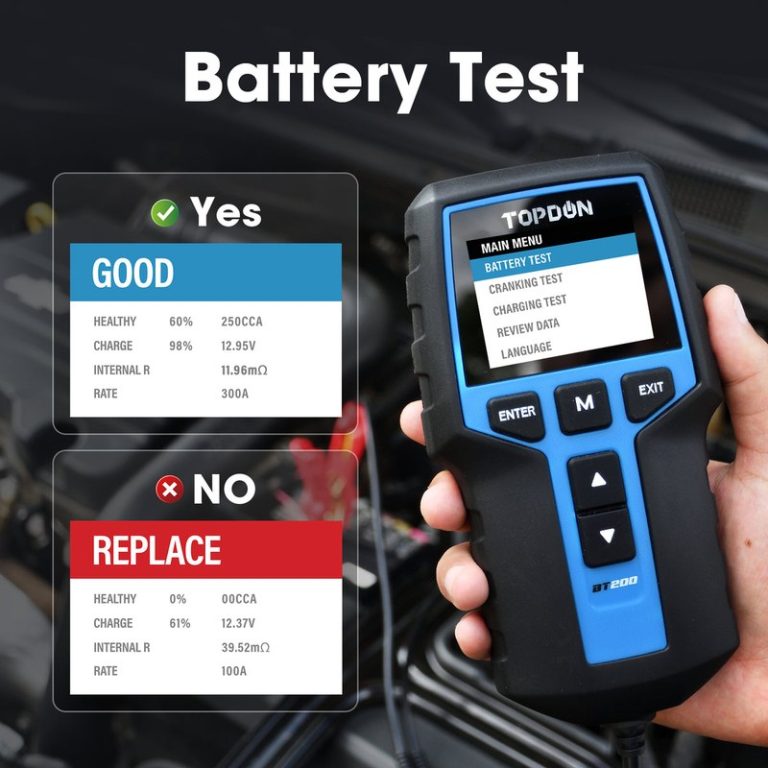
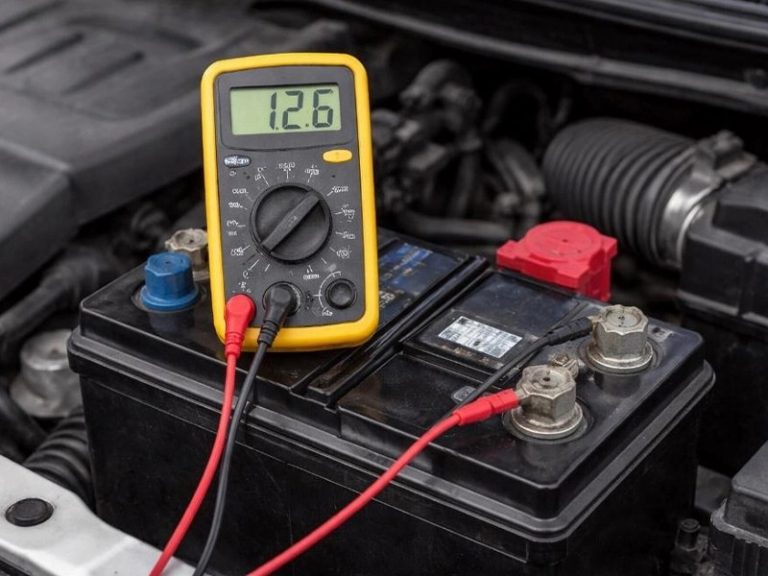
Plug the scanner in firmly, then turn the ignition on. If the scanner does not power up, check the port pins and the vehicle’s battery voltage. A weak battery can cause the scanner to lose connection or report false communication errors.
- Confirm the scanner matches your vehicle’s model year and protocol
- Record the code, freeze frame, and live data before clearing anything
- Check the battery voltage if the scanner will not power up
- Clear codes before saving the diagnostic evidence
- Scan while driving or while distracted
- Assume P0420 always means a new converter is needed
After the Code: Repair Costs, Emissions Readiness, and Legal Rules
Catalytic Converter Replacement Costs and State Emissions Testing
Catalytic converter replacement costs vary widely by vehicle, brand, and location. A welded factory unit on a truck costs more than a bolt-on aftermarket unit on a compact car. Labor also varies by shop. Get written quotes from at least two repair shops, and ask whether the quote includes gaskets, sensors, and labor.
Emissions testing rules vary by state and county. Some states require an OBD2 plug-in test, some use a tailpipe probe, and some exempt older vehicles. If your converter code is active, the vehicle will likely fail the OBD2 portion of the test. Check your state’s requirements before scheduling an inspection.
DIY vs. Professional Diagnosis: When to Stop Scanning and Call a Shop
You can safely scan codes, record data, and check for obvious exhaust leaks. If the code points to the converter, a shop can measure exhaust backpressure, inspect the converter visually, and run manufacturer-specific tests. These steps separate a clogged converter from a failing sensor or a simple leak.
If your car is misfiring, overheating, or losing power, stop driving and call a shop. A severely clogged converter can raise exhaust pressure and damage the engine. Do not rely on the scanner alone when the vehicle is behaving dangerously.
The Bottom Line: Trust the Code, Confirm the Cause
An OBD2 scanner gives you a fast, accurate starting point for catalytic converter diagnosis. Codes like P0420 and P0430 tell you the catalyst efficiency is below threshold, and live data helps you see why. But the scanner is a tool, not a verdict. Confirm the cause with a professional before you spend money on a replacement converter.
- Best for: Owners who want to read P0420/P0430 codes, check live oxygen sensor data, and bring solid evidence to a repair shop.
- Think twice if: You expect the scanner to name the exact failed part or fix the problem without further diagnosis.
- Next step: Verify your scanner supports your vehicle’s model year, then record the code and freeze frame before clearing anything.
Frequently Asked Questions
P0420 (Bank 1) and P0430 (Bank 2) are the most common codes. Both mean catalyst efficiency is below the manufacturer’s threshold.
Yes. P0420 and P0430 are generic powertrain codes, so even a basic code reader can display them. Cheap scanners may lack live data and freeze frame, which limits deeper diagnosis.
For stored codes, no. Turn the ignition on with the engine off and read the codes. For live data and monitor readiness, the engine may need to run and the car may need a drive cycle.
No. Clearing the code only erases the stored fault. The computer will run the catalyst monitor again, and the code will return if the converter is still failing.
It can show emissions readiness monitor status, which is one part of the test. A complete pass depends on state rules, monitor status, and the absence of active codes.
It depends on the cause. A clogged converter can cause power loss and engine damage. If the car runs poorly, stop driving and have it checked.