Why Is My TPMS Light Still on After Filling the Tires? Sensor Reset
The TPMS light usually stays on because the system needs time to relearn, or because the tires were filled to the wrong cold pressure. If it still stays on after driving, check for a dead sensor battery, a slow leak, or a sensor that needs a relearn.
If you have been asking why is my tpms light still on after filling the tires, you are not alone. This is one of the most common tire-pressure questions we hear from US drivers. The good news is that the fix is often simple, and sometimes the light just needs time to catch up.
- Check cold pressure first: Use the door-jamb placard, not the sidewall maximum, and fill tires when cold.
- Drive to relearn: Most systems update after a few minutes of driving; some need a manual relearn.
- Watch sensor battery age: TPMS sensors typically last 5-10 years and need replacement when the battery dies.
- Don’t ignore a flashing light: A flashing TPMS light signals a system fault, not just low pressure.
- Know when to call a pro: Slow leaks, failed relearns, and module faults need professional diagnosis.
The Short Answer: Why Your TPMS Light Stays On After Filling the Tires
Your TPMS light can stay on for several reasons. The most common is that the system has not yet relearned the new pressure. Another possibility is that you inflated to the wrong pressure for your vehicle.
The System Needs Time and Driving Distance to Relearn
Most TPMS systems do not update instantly. After you add air, the sensors need to send a new reading while the vehicle is moving. This usually happens within a few minutes of driving at normal speeds.
Some vehicles need a full relearn procedure. That is different from simply waiting. If your owner’s manual mentions a reset button or a special sequence, you may need to follow those steps while parked.
You May Have Inflated to the Wrong Pressure (Cold vs. Hot)
If you filled the tires after driving, the readings will be higher than cold pressure. The TPMS compares the current reading to the cold inflation target. A hot tire can read several psi higher and still be fine once it cools.
If you filled to the pressure shown on the sidewall instead of the door placard, you may have over-inflated. The sidewall number is the maximum, not the recommended pressure.
Start With the Door-Jamb Placard, Cold Pressure, and a Reliable Gauge
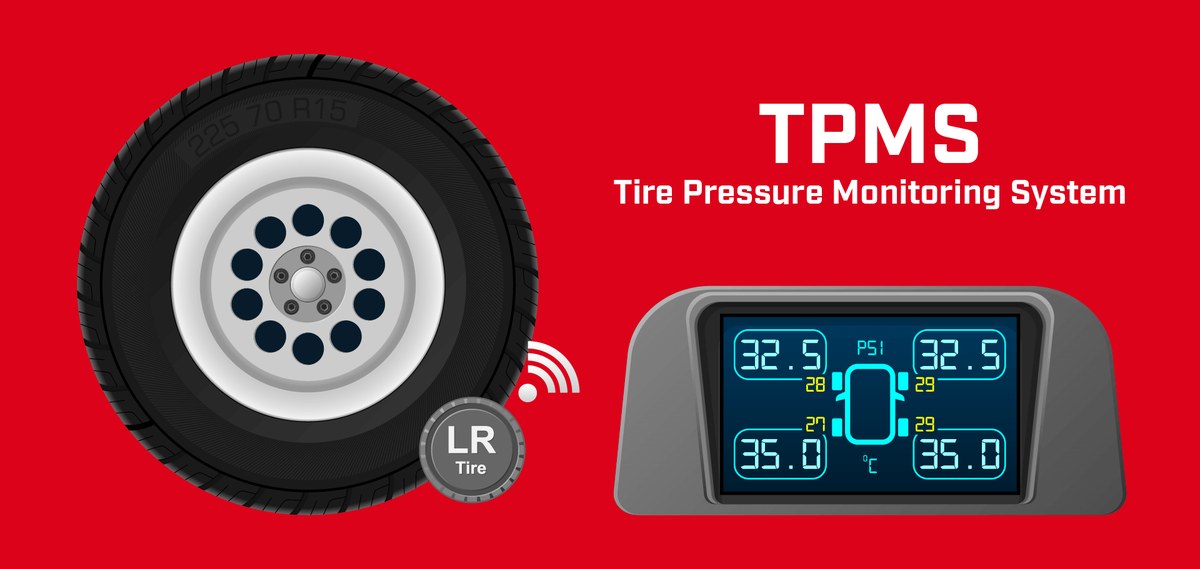
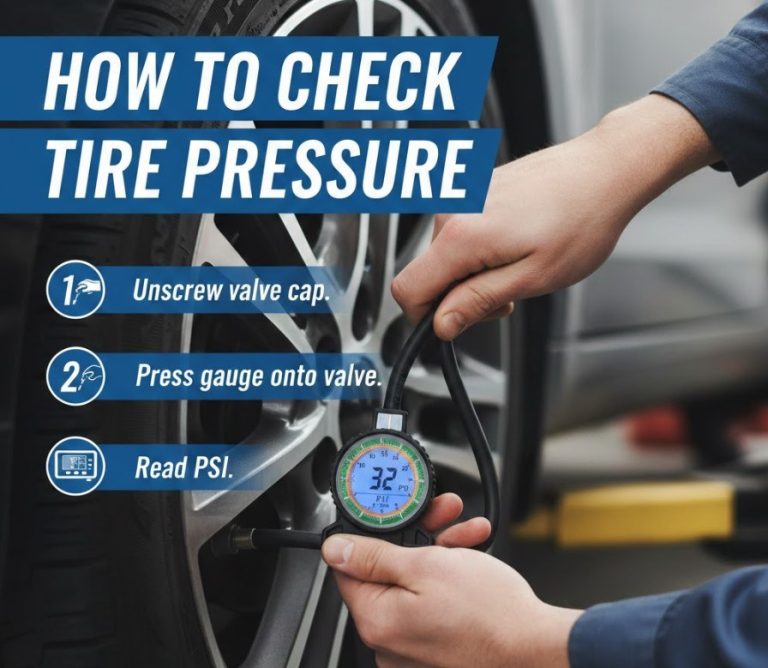
Before doing anything else, check the placard on the driver’s side door jamb. It lists the correct cold tire pressure for your vehicle. This number is different from the maximum pressure printed on the tire sidewall.
Cold vs. Hot Pressure and Gauge Accuracy
Cold pressure means the vehicle has been parked for at least three hours, or driven less than a mile at moderate speed. Check and fill tires when they are cold for the most accurate result.
Gauge accuracy also matters. A worn or inexpensive gauge can be off by several psi. If your gauge disagrees with the reading at a gas station air pump, trust the one you can verify or replace it.
Inflator Duty Cycle and Over-Inflation Risks
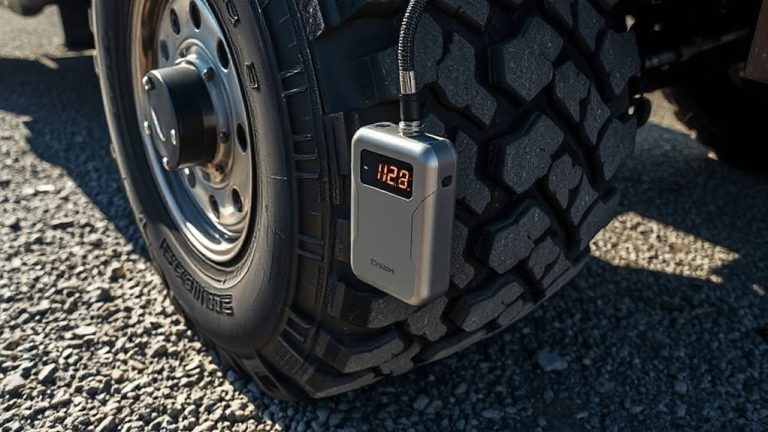
Portable tire inflators have a duty cycle. Most need to cool down after several minutes of continuous use. If the inflator stops before reaching your target pressure, let it cool and try again rather than forcing it to keep running.
Over-inflation is a real risk. Too much air reduces traction and makes the ride harsh. It can also cause uneven tire wear. Never exceed the maximum pressure on the sidewall.
Five Common Reasons the TPMS Light Won’t Reset
If the light stays on after correct inflation, one of these five issues is usually the cause.
Dead or Failing Sensor Battery
TPMS sensors have internal batteries. Most last between 5 and 10 years, but the lifespan varies by vehicle and usage. When the battery gets weak, the sensor may stop transmitting or send intermittent readings.
You can learn more about TPMS sensor battery replacement versus a new sensor to decide which route makes sense for your vehicle.
Sensor Not Relearned After Rotation or Replacement
If you recently rotated tires or replaced a sensor, the system may not know which sensor is in which position. Many vehicles require a relearn procedure after any tire rotation. Without it, the TPMS can show a false low-pressure warning.
Check our guide on how to reset the TPMS light after tire rotation for step-by-step help.
Slow Leak, Puncture Location, and Temporary-Repair Limits
A slow leak can drop pressure overnight even after you fill the tires. Soapy water applied to the tread and valve stem can reveal a small bubble. If you find a nail or screw, the location matters.
Punctures in the sidewall or shoulder are usually not repairable. A temporary plug can get you to a shop, but it is not a permanent fix. A professional patch or replacement is safer.
Overnight Temperature Drop
Tire pressure drops about 1 psi for every 10 degrees Fahrenheit of temperature drop. A cold night can easily lower pressure enough to trigger the TPMS. If you filled the tires during a warm afternoon, a cold morning may still show a warning.
This is similar to the situation where the tire pressure light comes on when the tires are actually fine.
Faulty TPMS Module or Antenna
Less common, but possible, is a failed TPMS receiver module or antenna. This usually requires a diagnostic scan to confirm. A professional shop can test the system and pinpoint the faulty part.
How to Perform a TPMS Relearn (and Its Limits)
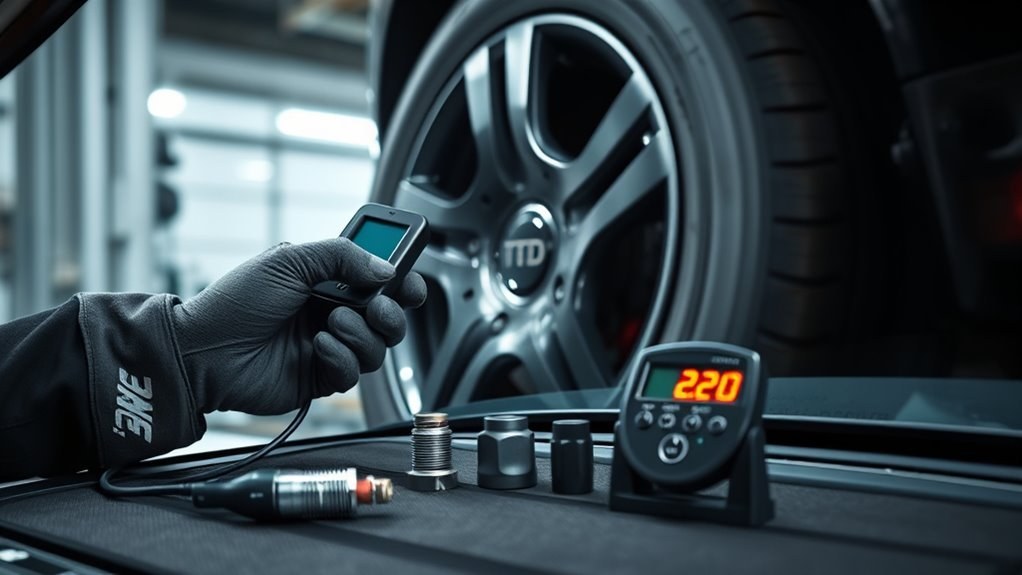
A relearn tells the vehicle to accept the current sensor positions and readings. It is not the same as simply resetting the warning light. Understanding the difference between a TPMS relearn and a TPMS reset helps you avoid frustration.
Relearn Methods by Vehicle Type
Relearn procedures vary by make and model. Some vehicles use a button under the dash. Others require lowering and raising tire pressure in a specific order. Many newer vehicles use a TPMS tool that triggers each sensor.
Your owner’s manual is the best source for the correct procedure. Some vehicles do not support a driver-performed relearn at all and need a scan tool.
When Relearn Fails and Professional-Repair Thresholds
If a relearn fails, the sensor may be dead, damaged, or the wrong part number. The vehicle may also have a fault in the TPMS module. At this point, a professional diagnostic is the safer and often cheaper path than guessing.
Using an OBD2 Scanner or TPMS Tool for Diagnosis
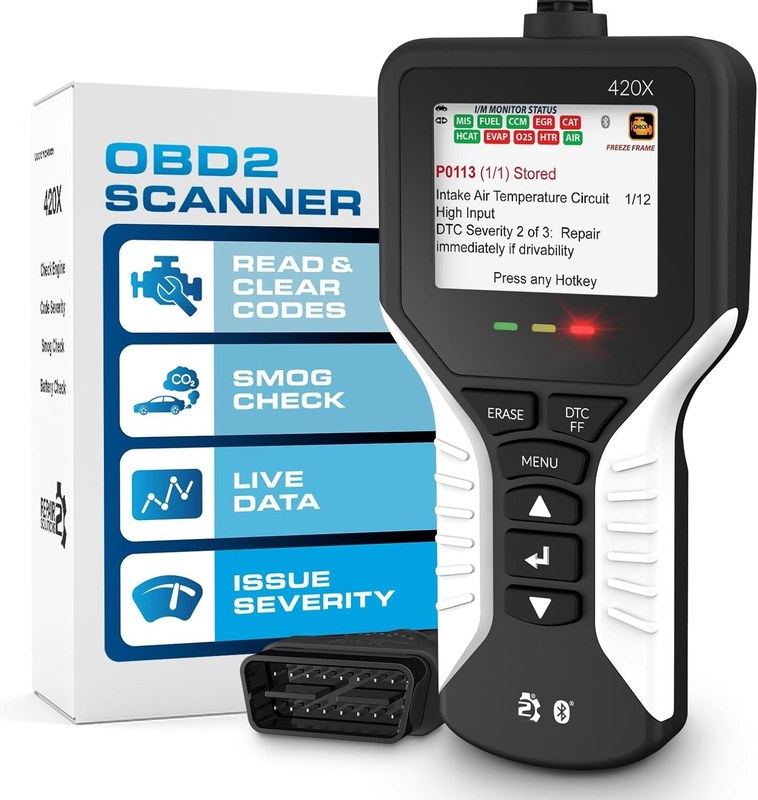
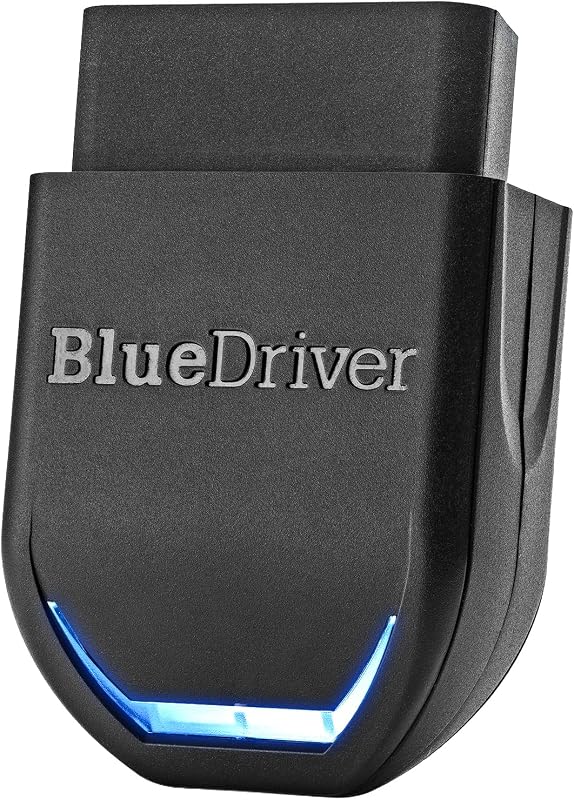
A TPMS tool can read sensor IDs, battery status, and pressure readings. An OBD2 scanner can read TPMS-related trouble codes and live data. Both are useful, but they have limits.
Check: Verify that the TPMS tool or OBD2 scanner supports your vehicle’s make, model, and year. Some tools only work with certain sensor frequencies, such as 315 MHz or 433 MHz. Limitations: Older or budget tools may not support newer vehicles or every protocol.
Model-Year and Protocol Coverage, Port Location, and Ignition Mode
OBD2 scanners need to connect to the diagnostic port under the dash. Most vehicles have it near the steering column. The ignition usually needs to be in the “on” position, with the engine off, for the scanner to power up.
Not every scanner supports every protocol. If you own an older vehicle or a newer hybrid, check the tool’s coverage list before buying.
Code and Live-Data Limits, Reset Limitations, and App Permissions
A basic OBD2 scanner can read and clear codes, but it may not perform a TPMS relearn. That function often requires a bidirectional tool or a dedicated TPMS tool. Some apps also require account creation and permissions that share data.
Emissions Readiness, Firmware, and When to Call a Professional
Clearing TPMS codes can also clear emissions readiness monitors in some vehicles. That can cause a failed inspection if you test too soon. Check your state’s rules and drive the required drive cycle before an emissions test.
If a scanner shows codes you do not understand, or if the TPMS light returns after clearing, call a professional. A shop with factory-level tools can diagnose the system more completely.
Sensor Battery Life, Electrical Cautions, and Hybrid/EV Notes
TPMS sensor batteries are not user-replaceable in most designs. When the battery dies, the whole sensor is usually replaced. This is normal and expected over the life of the vehicle.
Sensor Battery Chemistry, State of Charge vs. Health, and System Voltage
Sensor batteries are typically lithium or other long-life cells designed for the sensor’s sealed housing. A TPMS tool can often show the sensor’s state of charge, but that is not the same as overall health. A sensor can report low battery even when the vehicle’s main battery is fine.
Connection Order, Damaged-Battery Stop Conditions, and Hybrid/EV Cautions
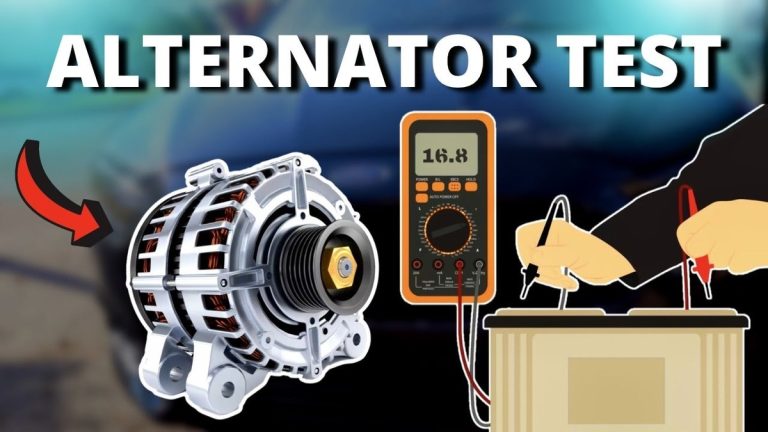
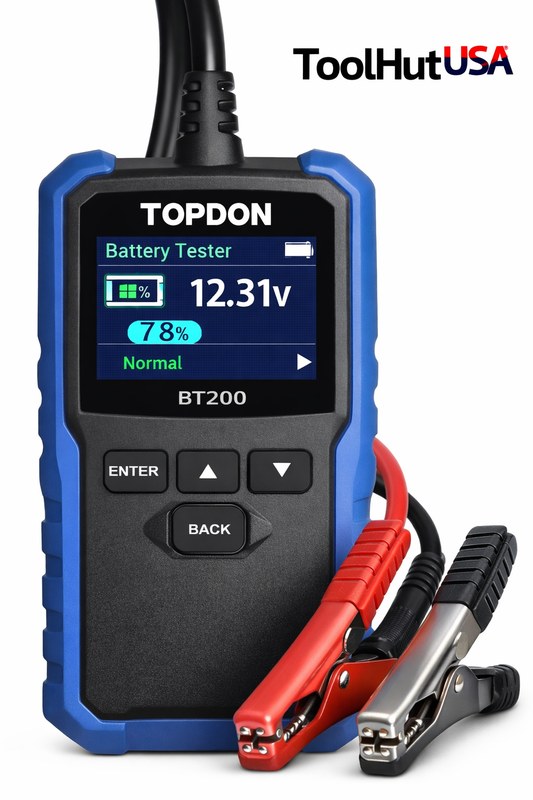
If you are working with any battery, including a jump starter or a vehicle battery, follow the correct connection order. Connect the positive cable first, then the negative. If a battery is swollen, leaking, or hot, stop and get professional help.
Temporary Repairs vs. Professional Tire Repair
A tire plug can get you back on the road quickly, but it is not always a permanent fix. Professional shops use a combination of plug and patch from the inside. That repair is more reliable and safer for long-term use.
Puncture Location and Professional-Repair Thresholds
Industry guidance generally says a puncture must be a safe distance from the sidewall and shoulder to be repairable. If the puncture is in the sidewall, or the hole is too large, the tire should be replaced. When in doubt, have a professional inspect the tire.
Ownership Costs, Legal Considerations, and Next Steps
TPMS sensor replacement costs vary widely by vehicle, sensor type, and shop. Some sensors cost more than others, and labor adds to the total. A relearn service is usually a small additional charge if the shop already has the tools.
Sensor Replacement and Relearn Costs
Because prices vary by region and vehicle, it is best to get a quote from a local tire shop. Ask whether the quote includes the sensor, the relearn, and any disposal fees. Some shops offer a lower price if you buy the sensor yourself, but warranty coverage may differ.
Legal Variation: State Inspection Rules and Safety Limits
Some states include a TPMS check as part of the vehicle inspection. A glowing TPMS light can cause a failed inspection in those states. Other states do not check TPMS at all. Rules change, so verify your state’s current inspection requirements.
- Use the cold pressure from the door-jamb placard, not the sidewall maximum
- Wait and drive for a few minutes to let the system relearn
- Check for slow leaks with soapy water and inspect the valve stem
- Follow the owner’s manual for the correct relearn procedure
- Ignore a flashing TPMS light, which signals a system fault
- Rely on a temporary plug as a permanent tire repair
- Clear codes before recording the diagnostic information
- Work near high-voltage cables in a hybrid or EV without training
- Best for: Drivers who filled their tires correctly and need to know whether to wait, reset, or seek professional help.
- Think twice if: The light is flashing, the tire is visibly damaged, or the system has failed a relearn more than once.
- Next step: Check the door placard, confirm cold pressure with a reliable gauge, then drive for a few minutes before assuming the sensor is bad.
Frequently Asked Questions
Most TPMS systems update within a few minutes of driving at speeds above 15-20 mph. Some vehicles need a manual relearn procedure. Check your owner’s manual for the exact method.
If the light is solid and the tire pressure is correct, you can drive carefully while you diagnose the issue. If the light is flashing, it signals a system fault, and you should have the vehicle checked soon. Never ignore a visibly low tire.
A flashing TPMS light usually means the system has detected a fault, such as a dead sensor battery or a sensor that is not communicating. After about a minute, the light may stay on solid. This is different from a simple low-pressure warning.
Some vehicles can be reset with a button or menu sequence. Others require a TPMS tool or an OBD2 scanner. Check your owner’s manual first, then decide if a tool is worth the cost.
Yes. Tire pressure drops about 1 psi for every 10 degrees Fahrenheit drop in temperature. A cold snap can trigger the light even without a leak. Fill the tires to the cold placard pressure and the light should clear.
Costs vary by vehicle, sensor type, and shop. The total usually includes the sensor, labor, and a relearn. Get a written quote before approving the work, and ask whether the relearn is included.