Battery Tester Says Good but Car Still Dies? Check the Alternator
If the battery tests good but the car keeps dying, check the alternator first. A multimeter voltage test can confirm whether the charging system is working before you replace any parts.
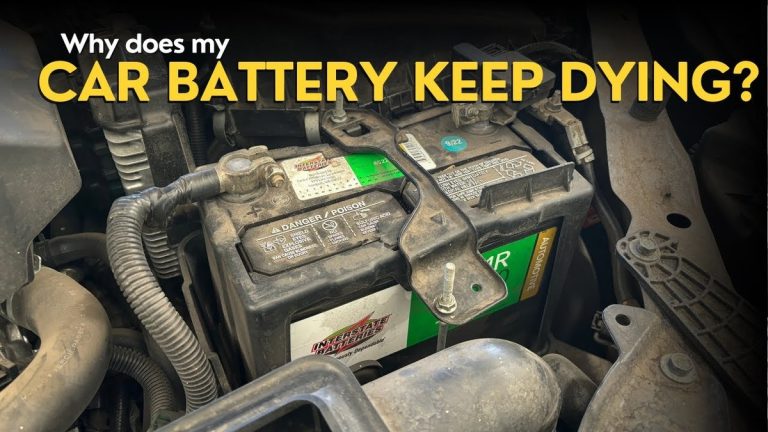
If your battery tester says good but car still dies, the alternator is usually the next thing to check. A healthy battery reading can hide a charging system that fails while you drive, leaving you stranded with a battery that never gets refilled.
- Check the alternator first: A good battery reading does not mean the charging system works.
- Use a multimeter: Resting, cranking, and charging voltage tests take about 10 minutes.
- Test for parasitic draw: Anything above 50 mA with the car off can drain the battery overnight.
- Inspect cables and grounds: Corrosion and loose grounds can cause the same symptoms.
- Know when to stop: Hybrid and EV high-voltage systems need a professional.
Why a Good Battery Reading Can Still Mean a Dead Car
A battery tester checks the battery itself, not the system that charges it. You can get a “good” result on the battery and still have a car that dies because the alternator, wiring, or grounds are failing. The tester only sees what is inside the battery case.
This is a common trap for DIY owners. The test result looks perfect, so you replace the battery. The car runs for a day, then dies again. The new battery was fine. The real problem was never the battery.
If you have seen this pattern before, you already know how frustrating it is. The good news is that the cause is usually findable with basic tools and a little patience. Learn more about why a car battery can test good but still die before you spend money on parts.
State of Charge vs. Battery Health: What the Tester Really Measures
State of charge (SOC) tells you how full the battery is right now. A battery that was just driven has a higher surface charge. State of health (SOH) compares the battery’s current capacity with its original rating. A tester can show “good” for both and still miss the real issue.
Most handheld testers apply a small load and watch how the voltage recovers. That method is useful for finding weak cells or a battery that has lost capacity. It does not check whether the alternator is producing enough power to keep the battery full.
A battery with a surface charge can fool a tester. If you test right after driving, the reading may look better than the battery really is. That is why many testers ask you to turn off the engine and wait a few minutes before testing.
Battery Chemistry and Voltage: Flooded, AGM, and Lithium Differences
Battery chemistry changes how a tester reads voltage. Flooded lead-acid batteries rest around 12.6 volts when fully charged. AGM batteries often sit near 12.8 volts. Lithium batteries can rest above 13 volts and need different test settings.
Check: Confirm your battery type and voltage before testing. Select the matching chemistry on the tester. Limitations: Many basic testers only support flooded and AGM batteries. Lithium testing requires a tester with a dedicated lithium setting.
Using the wrong chemistry setting can produce a false “good” or “replace” reading. If your tester does not list your battery type, do not guess. Check the battery label and the tester manual first.
The Alternator: The Usual Suspect Behind “Battery Good, Car Dies”
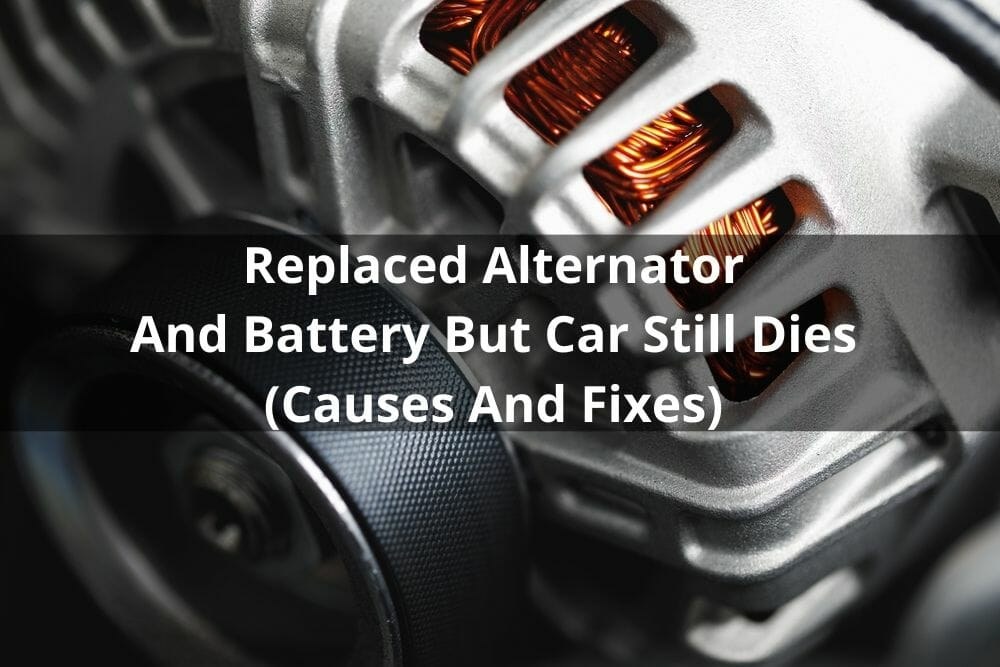
When the battery tests good but the car dies, the alternator is the most common cause. The alternator charges the battery while the engine runs and powers the electrical system. If it stops working, the battery drains until the car stalls.
An alternator can fail slowly or all at once. A slow failure may show up as dimming headlights, a weak radio, or a battery that needs jumping more often. A sudden failure leaves you stranded with no warning.
System Voltage Targets and Diode Ripple: What Testers Miss
A healthy charging system should produce about 13.8 to 14.4 volts with the engine running. Some vehicles have different targets, so check your owner’s manual. Many battery testers do not measure charging voltage at all.
Diode ripple is another thing most testers miss. The alternator’s diodes convert AC to DC. If a diode fails, the system produces AC ripple that can confuse the battery and cause electrical gremlins. A multimeter set to AC voltage can reveal this problem, but a basic battery tester cannot.
If you notice the voltage dropping while you drive, this guide on why car battery voltage drops while driving explains the common causes in plain language.
How to Test the Alternator at Home
You do not need a shop to check the alternator. A digital multimeter is enough for most cars. The test takes about 10 minutes and requires no special skills.
Multimeter Voltage Tests: Resting, Cranking, and Charging
Start with the engine off. Measure the battery voltage across the terminals. A fully charged battery should read around 12.6 volts. Then have someone crank the engine while you watch the meter. The voltage should stay above 9.5 volts during cranking.
With the engine running, measure again. You should see 13.8 to 14.4 volts. If the reading stays near 12.6 volts, the alternator is not charging. If it reads over 15 volts, the voltage regulator may be failing.
Engine off, measure across the battery terminals. Expect about 12.6 volts for a fully charged lead-acid battery.
Have a helper crank the engine. Voltage should stay above 9.5 volts while cranking.
With the engine running, expect 13.8 to 14.4 volts. Below 13 volts means the alternator is weak.
Multimeter vs. Load Tester: Which Fits Your Skill Level
A multimeter is cheap and works for basic voltage checks. A load tester applies a real electrical load and can catch problems a multimeter misses. If you are comfortable reading numbers and following steps, a multimeter is fine. If you want deeper testing, a load tester is a better investment.
For a closer look at how these tools compare, read our guide on battery tester vs multimeter for car batteries before you buy anything.
The 50 mA Parasitic Draw Test: Finding the Drain Your Tester Can’t See
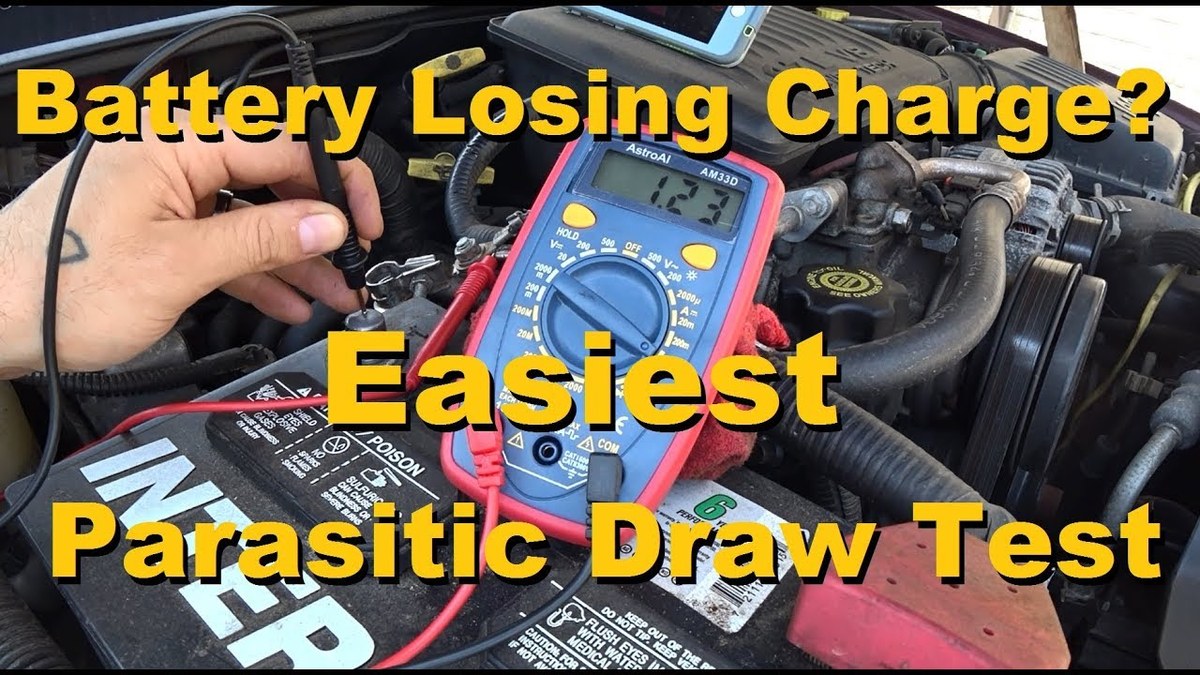
Sometimes the alternator is fine and the battery is fine, but something in the car keeps drawing power after the key is off. That is called a parasitic draw. Most cars should draw less than 50 milliamps with everything off. More than that can drain a battery overnight.
Measuring Parasitic Draw and Common Drain Sources
To measure parasitic draw, you need a multimeter that reads DC amps. Disconnect the negative battery cable and connect the meter in series between the negative post and the cable. Wait for the car’s modules to go to sleep. Then check the reading.
Common drain sources include trunk lights, glove box lights, aftermarket stereos, phone chargers left plugged in, and faulty door switches. A draw above 50 mA means something is staying awake when it should not.
- Wait at least 10 minutes after locking the car before measuring parasitic draw
- Use the correct amp setting on your multimeter to avoid blowing a fuse
- Reconnect the negative cable after the test
- Start the engine while the multimeter is in series with the battery
- Skip checking interior lights and trunk lights first
- Assume a single draw source without checking each circuit
Beyond the Alternator: Other Causes of Intermittent Electrical Death
The alternator is not the only suspect. Corroded battery cables, loose grounds, and failing starters can all cause a car to die even when the battery tests good.
Corroded Cables, Bad Grounds, and Failing Starters
Corrosion on battery terminals adds resistance. That resistance can make the battery look fine on a tester but fail to deliver power to the starter. Remove the cables and clean the terminals with a wire brush. Reconnect them tightly.
Bad grounds cause similar problems. The main ground strap between the engine and chassis can corrode over time. A failing starter can draw excessive current, which makes the battery voltage drop and the car die. If the alternator and battery check out, test the starter and grounds next.
Using OBD2 Diagnostics to Pinpoint Electrical Faults
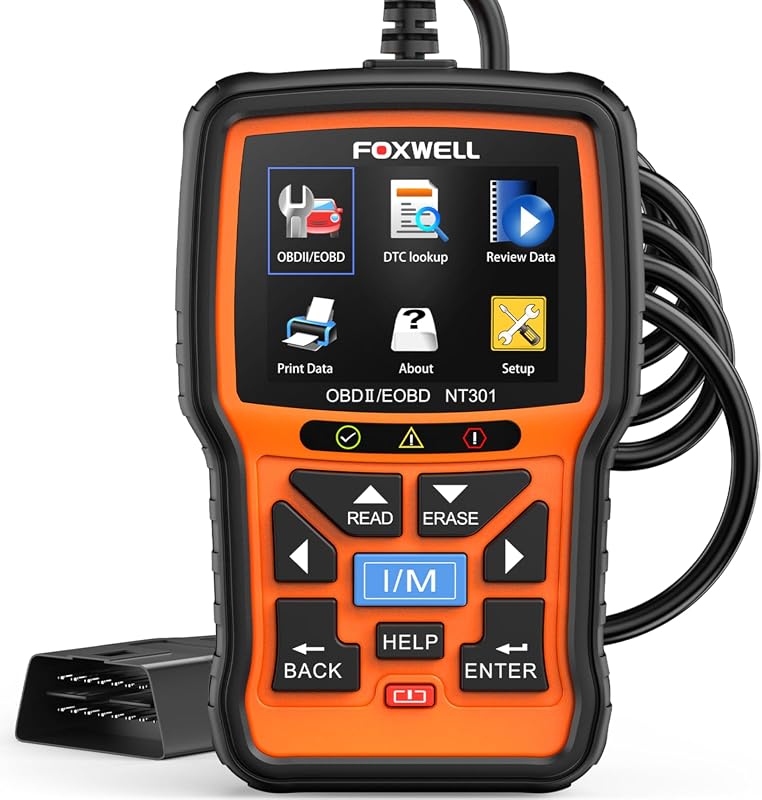
An OBD2 scanner can help you spot electrical faults that a battery tester cannot see. Many modern cars log charging system codes and voltage data. A basic scan can point you in the right direction.
OBD2 Port Location, Protocol Coverage, and Ignition Mode by Model Year
The OBD2 port is usually under the dashboard on the driver’s side. All 1996 and newer cars sold in the US use OBD2. But the protocol varies by manufacturer and model year. Some scanners only support certain protocols. Check the scanner’s coverage before relying on it.
Code and Live-Data Limits, Emissions Readiness, and Reset Limitations
A basic OBD2 scanner reads powertrain codes. It may not read body, chassis, or charging system codes. Live data can show battery voltage, but the accuracy varies. Clearing codes can also clear emissions readiness monitors. Do not clear codes before recording them, and do not clear them before an emissions test.
App Permissions, Firmware Updates, and When You Need a Professional Scanner
Many OBD2 scanners pair with a phone app. The app may ask for location, Bluetooth, or account permissions. Keep the app updated and check the scanner’s firmware. If the scanner cannot read the codes your car stores, you may need a professional-grade tool.
If you run into connection issues, our guide on OBD2 protocol not supported explains common fixes and compatibility limits.
Battery Safety: Connection Order, Stop Conditions, and Hybrid/EV Cautions
Working around a car battery involves real safety risks. Lead-acid batteries contain sulfuric acid and can produce explosive hydrogen gas. Follow the correct order when connecting or disconnecting cables.
Correct Jump-Start Order, Cable Condition, and Damaged-Battery Stop Conditions
When jump-starting, connect the positive cable to the dead battery first. Then connect the positive clamp to the good battery. Connect the negative clamp to the good battery, and the final negative clamp to bare metal on the dead car, not to the dead battery terminal. Remove cables in reverse order.
Hybrid and EV High-Voltage Cautions
Hybrid and electric vehicles have high-voltage battery packs that can deliver a lethal shock. The 12-volt battery in these cars is usually in the trunk or under the rear seat. Never touch orange high-voltage cables. If you are not trained, leave hybrid and EV electrical work to a professional.
Repair vs. Replace: Costs, Ownership Decisions, and Next Steps
Once you find the problem, you need to decide whether to repair or replace. The answer depends on the part, the car’s age, and your budget.
Alternator vs. Battery Replacement: Cost and Value Comparison
A new alternator typically costs more than a new battery. Alternator prices vary widely by make and model. Labor adds more if you pay a shop. A battery replacement is usually simpler and cheaper. If the alternator is failing, replacing it now can save you from being stranded later.
If you just replaced the battery and the car still dies, do not buy another battery. Test the charging system first. Many parts stores offer free charging system checks, but you can also do the multimeter test at home.
When to Call a Professional vs. DIY
If you are comfortable with basic hand tools and electrical testing, you can replace a battery or alternator at home. But if you are not sure, or if the car has complex electronics, call a professional. A misdiagnosis can cost more than a shop visit.
- Best for: DIY owners who want to rule out the alternator before spending money on a battery.
- Think twice if: You drive a hybrid or EV, or the car has complex electrical problems beyond basic testing.
- Next step: Test charging voltage with a multimeter, then check for parasitic draw if charging looks fine.
Frequently Asked Questions
The tester only measures the battery’s condition. It does not check the alternator, wiring, grounds, or parasitic drains. A good battery reading can still mean the charging system is failing.
Measure battery voltage with the engine off, then while cranking, then with the engine running. A healthy charging system should show 13.8 to 14.4 volts with the engine on. Below 13 volts means the alternator is weak.
A parasitic draw is power drained by something that stays on after the key is off. Connect a multimeter in series with the negative battery cable and read the amps. Most cars should draw less than 50 milliamps.
Yes. Corroded or loose ground connections add resistance and can interrupt power delivery. Clean the battery terminals and check the main ground strap between the engine and chassis.
Some modern cars store charging system codes and show battery voltage in live data. A basic scanner may not read body or charging codes. You may need a professional-grade scanner for full coverage.
No. Hybrid and EV high-voltage systems can deliver a lethal shock. Leave high-voltage testing and repairs to a qualified technician. The 12-volt battery in these cars is usually safe, but never touch orange cables.