What Does Low State of Health Mean on a Car Battery Tester? Replace
A low state of health reading means your battery has lost a significant share of its usable capacity and is approaching the end of its service life. Plan to replace the battery soon, especially before cold weather or a long trip.
If you have ever wondered what does low state of health mean on a car battery tester, here is the short answer: your battery has lost a meaningful share of its usable capacity and is closer to failure than a healthy unit. This reading is not the same as a low charge, and it usually means you should plan a replacement instead of waiting for a no-start.
- SOH vs SOC: A battery can be fully charged but still have low health, so voltage alone.
- Low SOH risks: Expect slower cranking, dimmer lights, more alternator strain, and a higher chance of being.
- Retest first: Charge the battery fully and retest before buying a replacement to avoid a false.
- Match the chemistry: Set the tester to flooded, AGM, or EFB correctly, and match the replacement to.
- Replace on schedule: A planned battery replacement almost always costs less than a tow and a lost.
What “Low State of Health” Means on a Car Battery Tester
State of Health vs. State of Charge: The Core Difference
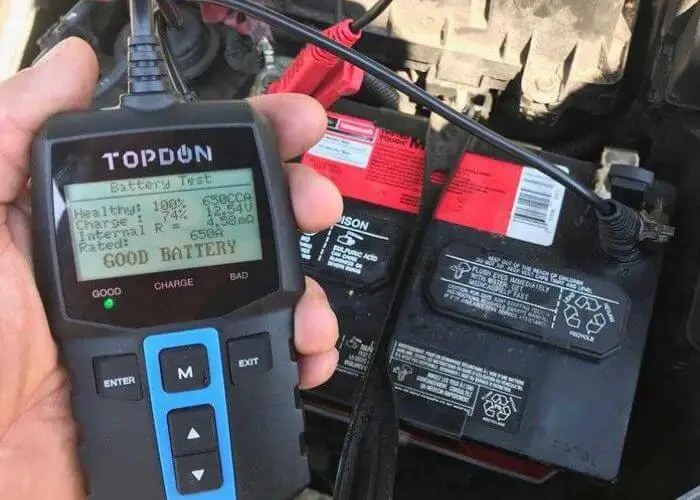
State of health (SOH) measures the battery’s overall condition compared with when it was new. A fresh battery starts near 100 percent SOH. As the battery ages, internal plates wear down, active material is lost, and the battery cannot store or deliver as much energy.
State of charge (SOC) tells you how full the battery is right now. Think of SOH as the size of the fuel tank and SOC as how much fuel is in it. A battery can be fully charged at 100 percent SOC but still have a low SOH because the tank itself has shrunk.
Typical SOH Ranges and What “Low” Really Means for Your Battery
Most modern testers display SOH as a percentage, and the exact ranges vary by brand. A common scale looks like this:
| SOH Reading | Typical Meaning | Recommended Action |
|---|---|---|
| 80–100% | Healthy battery | Keep testing at normal intervals |
| 60–79% | Fair but aging | Watch for slow cranking; plan ahead |
| Below 60% | Low SOH | Replace soon, especially before cold weather |
These numbers are general guidelines. Some shops consider anything below 70 percent as replacement territory. The key point is that “low” means the battery no longer has enough reserve capacity to handle cold starts, long cranking, or heavy electrical loads reliably.
How a Battery Tester Calculates State of Health — and Why It Can Read Low
Conductance vs. Load Testing: How the Tester Gets Its Number
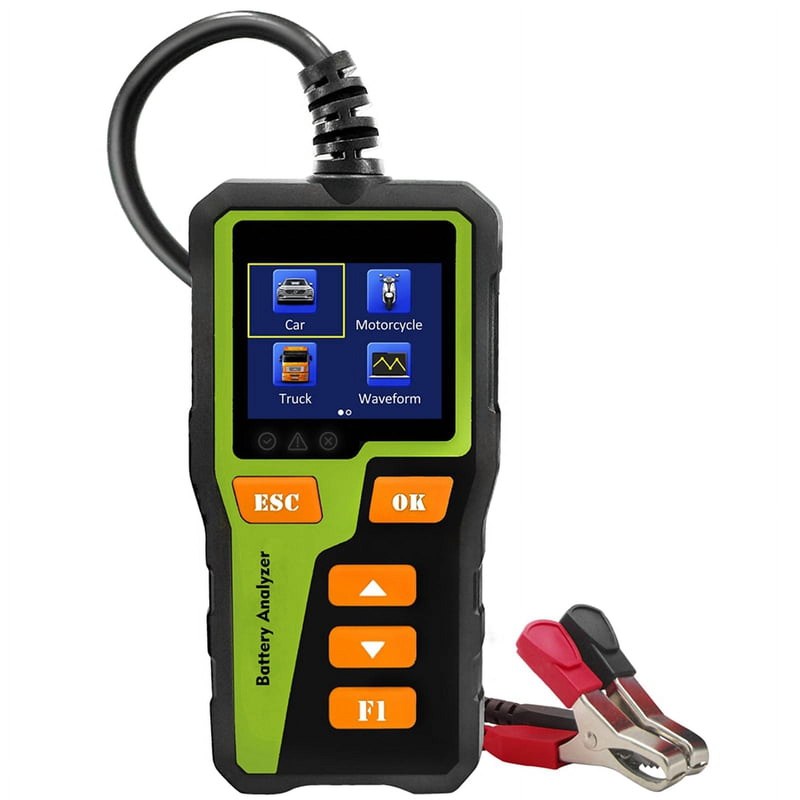
Handheld battery testers generally use one of two methods. Conductance testers send a small alternating signal through the battery and measure internal resistance. Lower conductance means more wear and a lower SOH estimate. Load testers draw a heavy current for a few seconds and measure how much voltage collapses under strain.
Both methods estimate the battery’s ability to deliver cranking power. Conductance testing is fast and safe for repeated use, while a load test gives a more direct look at real-world performance. For a deeper look at what these devices measure, read our guide on what does a battery tester tell you.
Surface Charge, Temperature, and Chemistry Errors That Skew Results
A low SOH reading is not always accurate. Surface charge from recent driving or charging can inflate voltage and confuse the tester. Cold temperatures reduce chemical activity, which can make a battery look weaker than it is. Choosing the wrong chemistry setting compares your battery against the wrong baseline.
Loose or corroded clamps also cause bad readings. Clean the terminals, make sure the clamps bite into clean metal, and retest after the battery has rested. If the reading does not change, the low SOH is probably real.
Is It Safe to Drive With a Low SOH Battery? Risks and Stop Conditions
Slow Cranking, Dimming Lights, and Alternator Strain
Driving with a low SOH battery is possible, but it carries real risks. The first signs are usually slow cranking on cold mornings, dimming headlights at idle, and flickering interior lights. The alternator has to work harder to keep a weak battery topped up, which adds strain to the charging system.
The bigger risk is being stranded. A battery with low SOH has less reserve capacity, so a short trip with headlights, wipers, and a heater running can drain it faster than you expect. If you rely on your car for work, school drop-off, or rideshare driving, the risk is higher.
Damaged-Battery Stop Conditions: When the Tester Refuses to Test
Some testers refuse to run a test at all if the battery voltage is too low or if the battery shows signs of damage. A swollen case, cracked terminals, leaking acid, or a strong rotten-egg smell are stop conditions.
Low State of Health vs. Low Voltage: Which Problem Does Your Battery Actually Have?
Resting, Cranking, and Running Voltage Checks: 12.6V, 9.6V, and 13.5–14.7V
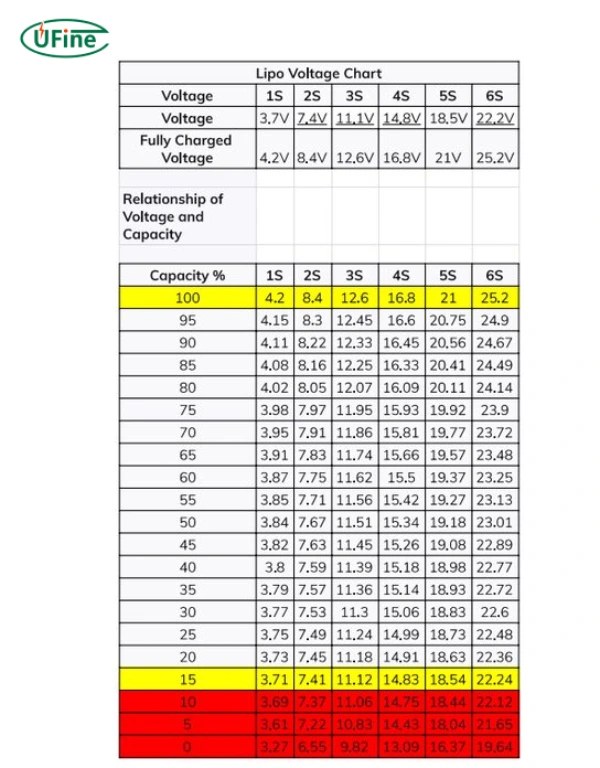
Voltage tells you about charge and electrical health, not the same thing as SOH. A rested battery at 12.6 volts is considered fully charged. During cranking, voltage should stay above roughly 9.6 volts. With the engine running, alternator output should land between about 13.5 and 14.7 volts.
A low SOH battery can show normal resting voltage and still fail under load. That is why a multimeter alone is not enough. A battery tester applies a load or measures conductance to reveal the internal condition that voltage cannot show.
Correct Connection Order and Test Safety: Positive First, Negative Last
When connecting a battery tester, always attach the positive (red) clamp first, then the negative (black) clamp. When removing, do the reverse: negative first, then positive. This reduces the chance of a short circuit if a tool touches metal.
Battery Chemistry and Vehicle Type: Why AGM, EFB, and Hybrid Results Differ
Flooded, AGM, and EFB: Matching the Tester Setting to Your Battery Chemistry
Modern vehicles use different battery chemistries, and the tester must be set to the right one. Standard flooded lead-acid batteries are the traditional type. AGM (absorbent glass mat) batteries are common in start-stop vehicles and premium cars. EFB (enhanced flooded battery) is an upgraded flooded design used in some start-stop systems.
If you test an AGM battery with a flooded setting, the SOH reading can be wrong. Check the battery label, confirm the chemistry, and select the matching option on the tester. For more on ratings, read our guide on CCA vs CA on a car battery tester.
Check: Confirm your battery’s chemistry, group size, and CCA rating before testing or replacing. Limitations: Not all handheld testers support every chemistry, and some need a specific battery type selected before the test will run.
Hybrid and EV Cautions: The 12V Auxiliary Battery Needs SOH Checks Too
Hybrids and electric vehicles still use a small 12-volt auxiliary battery to power the computer, lights, and door locks. When that battery loses state of health, you may see warning messages, a car that will not go into ready mode, or an interior that will not light up.
Only touch the 12-volt battery in a hybrid or EV. The high-voltage battery pack is dangerous and should only be serviced by trained technicians.
What to Do Next: Recharge, Retest, and Choose a Replacement Battery
The Recharge-and-Retest Procedure Before You Replace Anything
Before you spend money on a new battery, give the current one a fair chance. Charge it fully with a compatible charger, let it rest for at least a few hours, and then retest. If the SOH still reads low after a full charge, the battery has genuinely lost capacity.
This step matters because a battery that is simply discharged can look unhealthy. Our guide on whether you should charge a car battery before testing it explains the timing in more detail.
Choosing a Replacement: Group Size, CCA, and Chemistry Compatibility
When the time comes to replace the battery, match three things: group size, cold cranking amps (CCA), and chemistry. Group size is the physical footprint and terminal layout. CCA should meet or exceed the original equipment rating. Chemistry must match what the vehicle was designed to use.
If your car has a start-stop system, do not replace an AGM battery with a standard flooded battery. The charging strategy is different, and the wrong battery can fail early or trigger warning lights. If your tester says replace the battery but the car still starts, read our article on battery tester says replace battery but car still starts for the full picture.
Handheld vs. OBD2 Battery Testers: Coverage, Limits, and When to Call a Pro
OBD2 Port Location, Ignition Mode, and Model-Year Protocol Coverage
Handheld battery testers clamp directly to the battery and work on almost any 12-volt vehicle. OBD2 battery testers plug into the diagnostic port and rely on the vehicle’s computer to run the test. That means the ignition must be in the correct mode, and the vehicle must support the tester’s protocol.
Model-year coverage matters. Older vehicles may not communicate with newer OBD2 battery testers, and some testers only support specific manufacturers. Check compatibility before buying.
App Permissions, Firmware Limits, and When a Professional Diagnosis Is Required
Many OBD2 battery testers pair with a smartphone app. That app may require an account, location permissions, or a firmware update before it works. Keep the app updated and review what data it collects.
If a handheld tester reports a damaged battery or refuses to test, do not assume the tester is wrong. A professional shop can confirm the result with a different tester and check the charging system, starter, and wiring at the same time.
The Real Cost of Ignoring a Low SOH Battery vs. Replacing It Now
Battery Price, Core Charges, and State Disposal Laws
Car battery prices vary by type, brand, and region. AGM batteries cost more than standard flooded batteries, and luxury or start-stop vehicles often need the pricier type. Many retailers add a core charge that is refunded when you return the old battery.
Most states require lead-acid batteries to be recycled, and many retailers accept old batteries at no charge. Check your state’s rules before disposal, and never put a car battery in the trash.
Proactive Replacement vs. Roadside Assistance: The Actual Math
A new battery is a predictable expense. A dead battery at 6 a.m. in winter costs you a jump start, a late arrival, or a tow. Roadside assistance helps, but it does not fix the underlying problem, and you will still need a battery.
Replacing a low-SOH battery on your schedule is almost always cheaper and safer than replacing it after a failure. If the tester says low, treat it as a clear signal to shop for a replacement now rather than later.
- Best for: Drivers who want to avoid a surprise no-start and protect their charging system.
- Think twice if: You are testing a battery that has not been fully charged, since the SOH reading may be misleading.
- Next step: Charge the battery fully, retest, and if SOH stays low, buy a replacement that matches your vehicle’s group size, CCA, and chemistry.
Frequently Asked Questions
Most testers consider 80 to 100 percent state of health as good. Readings between 60 and 79 percent mean the battery is aging, and anything below 60 percent is usually a low state of health that calls for replacement.
Yes, a low-SOH battery can still start the car, especially in warm weather or after a full charge. The problem is that it has less reserve capacity, so cold mornings, short trips, or heavy electrical use can leave you stranded.
In most cases, yes. After charging and retesting, if the state of health still reads low, the battery has lost permanent capacity. Replacing it before it fails is cheaper and safer than dealing with a no-start.
A new battery can read low SOH if it was stored for months, left discharged, or tested with the wrong chemistry setting. Surface charge and cold temperatures can also skew the reading. Charge it fully, rest it, and retest.
State of charge tells you how full the battery is right now. State of health tells you how much usable capacity the battery has compared with when it was new. A battery can be fully charged but still have low health.
There is no fixed timeline. Some batteries last weeks, others fail within days. The safer approach is to replace the battery as soon as possible, especially if you notice slow cranking, dimming lights, or if cold weather is coming.