Why Does a New Car Battery Keep Going Dead? Test for Parasitic Draw
A new battery that keeps dying overnight is usually a symptom, not the cause. The real problem is often a parasitic draw, a charging fault, or an installation error — and a simple multimeter test can find it.
If you’re asking why does a new car battery keep going dead, the short answer is that a fresh battery can be drained, undercharged, or damaged by the vehicle it’s installed in. The battery is often the victim, not the culprit. Your next step is a simple electrical test to identify which of the three problems is actually draining it.
You don’t need a professional scan tool to start. A digital multimeter, basic hand tools, and about an hour of careful testing will point you toward the source of the drain. Here’s how to troubleshoot it in the right order.
- Test voltage first: A resting voltage below 12.4 volts means the battery is undercharged even if it’s.
- Measure parasitic draw: Normal sleep current is about 20–50 milliamps; anything higher can kill a battery in.
- Pull fuses to isolate: Removing one fuse at a time reveals which circuit is draining power.
- Check charging output: A failing alternator can leave a new battery half-empty no matter how fresh it.
- Match battery chemistry: Flooded, AGM, and EFB batteries have different voltage and charging requirements.
Why Does a Brand-New Battery Keep Going Dead? The Short Answer
A new battery goes dead for one of three reasons: a component keeps drawing power while the car is off, the charging system never fully recharges the battery, or the battery was installed incorrectly or could not hold a charge from the moment it left the store.
Parasitic Draw, Charging Faults, and Installation Errors: The Three Main Suspects
Parasitic draw is the most common hidden cause. Modern cars constantly use a small amount of current for the clock, radio memory, security system, and keyless entry. Normal draw is low, but a module that stays awake can drain a new battery in just a few days.
Charging faults are the second suspect. A failing alternator, loose drive belt, or damaged cable can keep voltage below what the battery needs. Short trips then leave the battery with less charge than it started with, and eventually the car won’t start.
Installation errors are the third. A new battery can be sold with a partial charge. If it’s installed and driven on short trips right away, it may never reach a full state of charge.
State of Charge vs. Battery Health: Why a New Battery Can Still Fail
State of charge means how full the battery is. Battery health means how much capacity it can actually hold. A brand-new battery can be perfectly healthy but nearly empty, and an empty battery won’t start the car. That condition is a big reason why a car battery tests good but still dies overnight.
Most battery testers measure both charge and health, but a quick voltage reading tells you only the charge level, not the internal condition. If you’re dealing with a new battery, checking the state of charge comes first.
Before You Blame the Battery: Check System Voltage and Battery Chemistry
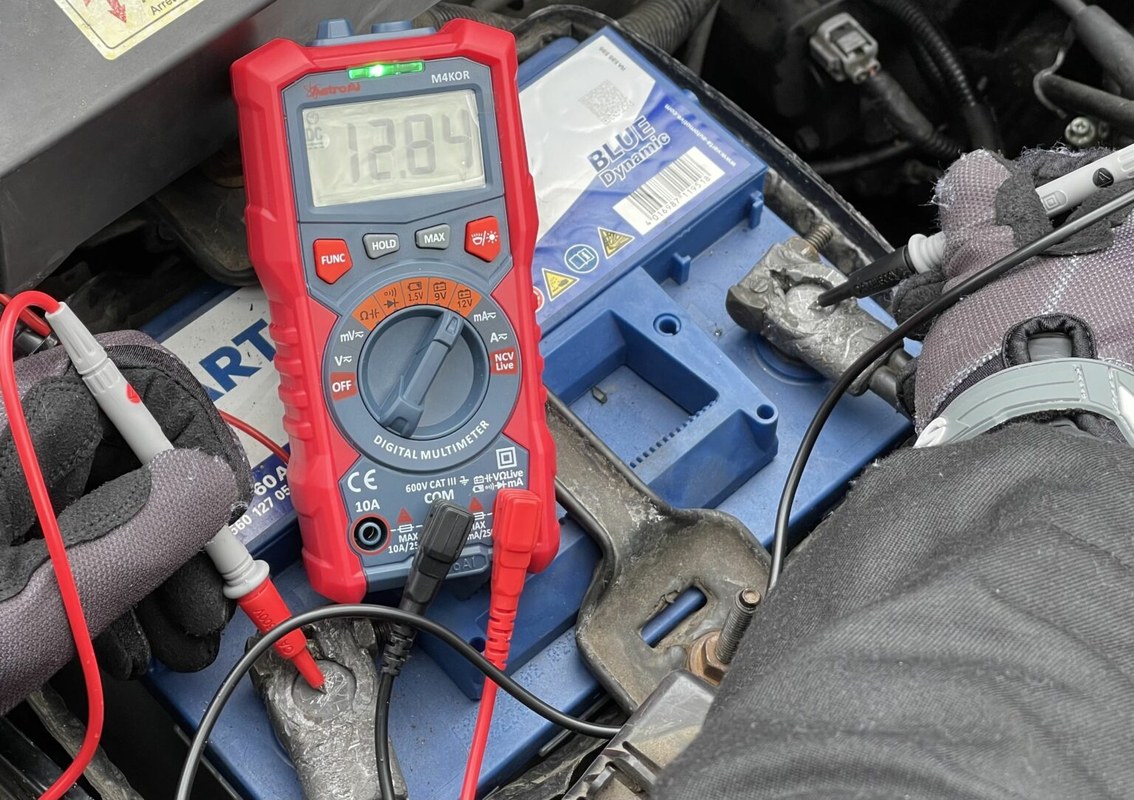
Start with the battery at rest. That means the car has been sitting overnight, or at least for a few hours with everything off. Open the hood and measure the battery terminal voltage with a multimeter before touching anything else.
What a Multimeter Tells You: Voltage Readings for Flooded, AGM, and EFB Batteries
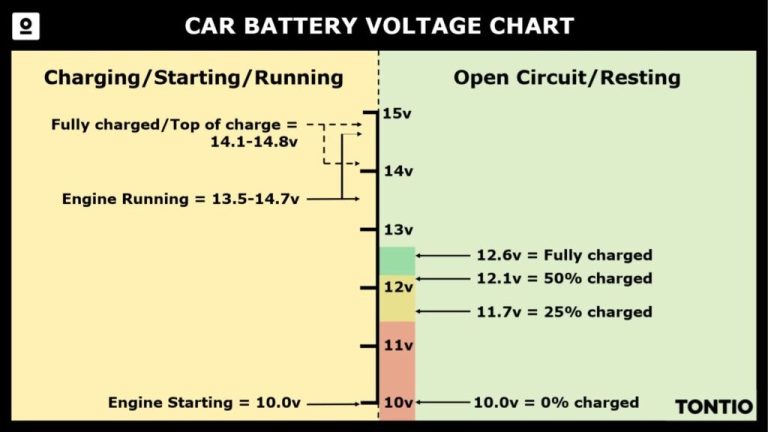
A fully charged battery should rest at about 12.6 volts or a little higher. Different battery chemistry changes the expected reading. Flooded lead-acid batteries typically rest around 12.6 to 12.7 volts. AGM batteries rest closer to 12.8 volts. EFB batteries, common in start-stop vehicles, usually rest in the same range as flooded batteries.
If you measure 12.4 volts, the battery is roughly half charged. At 12.2 volts or lower, the battery is significantly discharged, and a new battery will show the same symptoms as a failed one.
| Battery type | Approximate fully charged resting voltage | Common use |
|---|---|---|
| Flooded lead-acid | 12.6–12.7 volts | Basic sedans and trucks |
| AGM | 12.8 volts or slightly higher | Stop-start and luxury vehicles |
| EFB | 12.6–12.8 volts | Entry-level stop-start vehicles |
The 12.6-Volt Rule and Why Cold Weather Exposes a Weak Cell
The 12.6-volt rule is simple: a fully charged 12-volt battery reads about 12.6 volts at rest. Reading below that means charge is missing, whether the battery is new or old. For more detail on the lower limit, see what battery voltage is too low to start a car.
Cold weather makes the problem obvious. Low temperatures slow the chemical reaction inside the battery, so a weak or undercharged cell drops further. A new battery that seemed fine in summer can fail to crank on a cold morning, even though its overall health is acceptable.
The Parasitic Draw Test: Step-by-Step Guide to Finding the Drain
Once the battery is confirmed charged, move on to the parasitic draw test. The goal is to measure how much current the car is using while everything is off. This is the test that answers why your car is dead after sitting overnight.
Tools You Need and How to Set Up the Multimeter Safely
You’ll need a digital multimeter that can measure DC amps, protective gloves, a fuse puller, and basic sockets. Set the multimeter to the DC amp setting, and move the red lead to the high-current input port if your model has one.
Make sure the vehicle is off, the key is out of the ignition, and the doors are closed. If the car has hands-free entry, move the key fob far away — a nearby fob can wake the car and ruin the test.
Correct Connection Order and the Critical 10-Minute Settle Time
Disconnect the negative battery cable only; do not remove the positive cable. Connect the multimeter between the negative battery post and the disconnected negative cable. This puts the meter in series with the vehicle’s entire electrical system.
Now comes the crucial part: wait. Modern vehicle modules do not go to sleep instantly. Wait a full 10 minutes before trusting any reading; some vehicles need 20 minutes or longer. If you open a door or press a button during this period, the modules wake up and you have to start over.
Pulling Fuses and Interpreting the Current Drop
Once the reading is stable, note the current draw. A typical vehicle draws 20 to 50 milliamps at rest. If the meter shows several hundred milliamps or more, you have an active drain.
Pull fuses one at a time from the interior and engine bay fuse panels, and watch the meter after each pull. If the reading drops significantly, you’ve found the circuit. Write down the fuse number and circuit name for later troubleshooting.
- Confirm your multimeter is set to DC amps and use the high-current input jack if the model has one.
- Connect the meter in series between the negative battery post and the disconnected negative cable.
- Wait at least 10 minutes with the doors closed and the key fob away before recording your reading.
- Start the engine or turn the ignition on while the meter is measuring amps — that can blow the meter fuse.
- Open doors or wake modules during the settle time, or you’ll have to restart the wait.
- Pull a fuse that protects critical safety systems without checking the fuse box diagram first.
Common Parasitic-Draw Culprits in Modern Cars
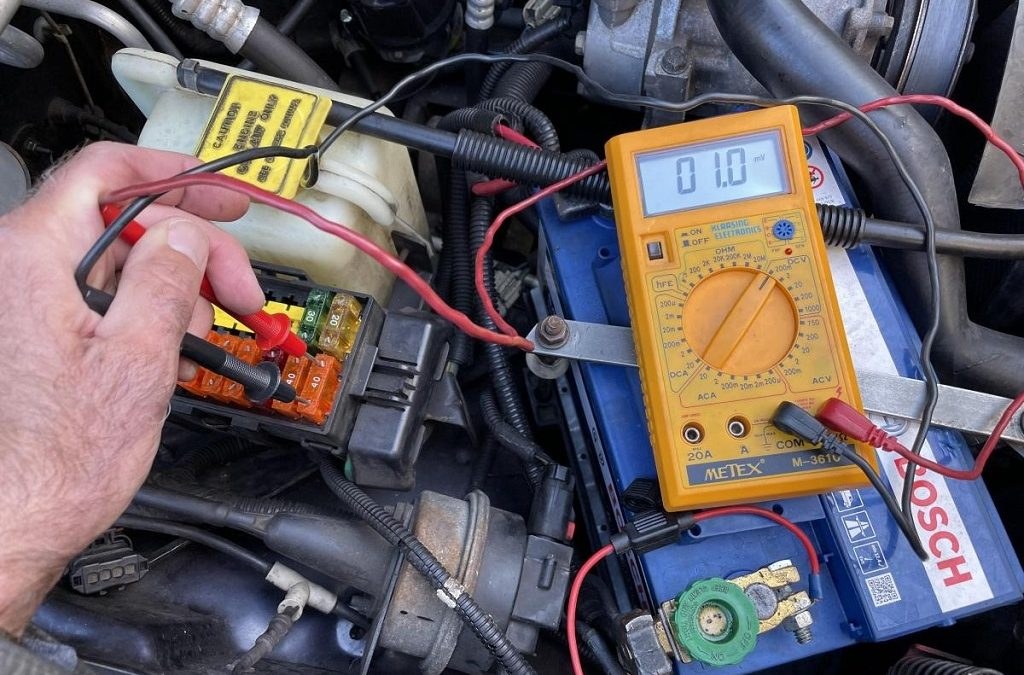
The drain is rarely a single obvious bulb. Most of the time it’s a module that refuses to go to sleep, or a switch that thinks a door or trunk is still open.
Infotainment, Telematics, and Modules That Never Fully Sleep
Infotainment head units, telematics systems like built-in emergency calling, keyless entry receivers, and audio amplifiers are common offenders. When one of these stays active, it can pull hundreds of milliamps and drain a healthy new battery over a weekend.
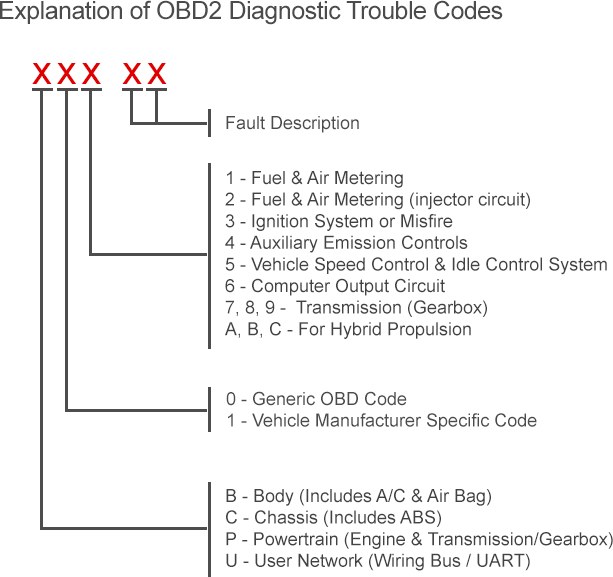
These modules often store a network fault code. That’s where an OBD2 or dealer-level scan tool becomes useful after the fuse test points you to the circuit.
Glovebox, Trunk, and Door Switches: The Hidden 20mA Drain
A stuck glovebox or trunk switch can keep an interior light on without being visible. A single map light can draw a small current, but even a 20mA switch drain adds up over several days.
Check every light lens manually before pulling fuses. The easiest parasitic draw to fix is a trunk light that never turned off.
OBD2 Diagnostics: What Your Scanner Can and Can’t Tell You
OBD2 scanners are excellent for reading trouble codes, but they’re not built to measure battery drain. A scanner reads engine and emissions data through the diagnostic port; it cannot measure amps flowing out of the battery.
Model-Year and Protocol Coverage: OBD2, CAN, and Newer Vehicle Networks
OBD2 has been required on cars sold in the US since 1996. Since 2008, most new vehicles use the CAN protocol. Some newer models use faster networks like CAN-FD, and a budget scanner may not read every module on a recent car. Before using a scanner for battery-related codes, check its protocol coverage against your vehicle’s model year.
Port Location, Ignition Mode, and Live-Data Limits
The OBD2 port is usually under the dashboard on the driver’s side, but a few vehicles hide it elsewhere. A scanner usually needs the ignition set to “on, engine off” to power up and communicate.
Live data shows sensor values from the engine and modules, but it won’t show how many milliamps the car is drawing when parked. Treat live data as a clue, not a measurement of parasitic load.
Emissions Readiness, Reset Limitations, App Permissions, and Firmware
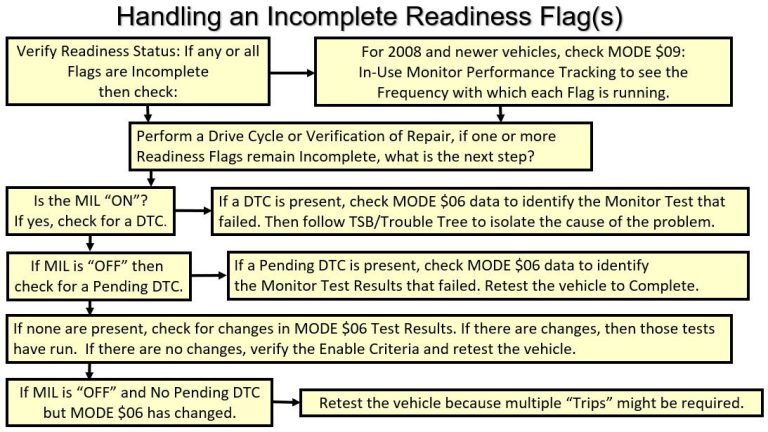
Some states require an OBD2 emissions test for registration or sale, and clearing codes can reset readiness monitors. Clear codes only after you’ve recorded the freeze-frame data.
App-based scanners need app permissions, account access, and regular firmware updates. A scanner that worked with your old phone may lose features after a phone update. If the OBD2 scanner keeps disconnecting, the problem may be vehicle protocol, app compatibility, or a failing cable rather than the tool itself.
When a Professional Scan Tool Is Required
Dealer-level scan tools can read body-control, infotainment, and network modules that generic OBD2 tools cannot. They can also run bidirectional tests and program modules. If your parasitic draw involves a body module, a professional scan tool may be the only way to identify it.
Is the Alternator the Real Problem? Charging System Checks
A new battery won’t hold its charge if the alternator isn’t charging it properly. The engine runs, the alternator spins, but if voltage is too low or a connection is loose, the battery slowly empties.
Voltage Output at Idle vs. Under Load: What the Numbers Mean
Start the engine and measure voltage at the battery terminals. A working charging system should show roughly 13.8 to 14.5 volts at idle, depending on the vehicle. Turn on the headlights, fan, and rear defroster, and voltage should stay in a similar range rather than dropping below roughly 13 volts.
If voltage stays at battery-rest levels while the engine runs, the alternator is not charging. If voltage is too high, the battery can be overcharged and damaged. Either way, the alternator or voltage regulator needs attention.
Battery Cables, Grounds, and Corrosion: The Overlooked Connection
Corrosion on terminals or a loose ground connection creates resistance. The alternator might produce the right voltage, but the charge never reaches the battery. Clean the terminals, inspect the cable ends, and make sure the battery sensor connector is secure.
Installation Mistakes That Kill a New Battery
A brand-new battery can be damaged during the swap. The most common errors are connecting cables in the wrong order, dropping the battery, using the wrong battery type, and ignoring a damaged case.
Correct Connection Order: Positive First, Negative Last
When installing a new battery, connect the positive cable first and the negative cable last. When removing an old battery, disconnect the negative cable first and the positive cable last. This order reduces the chance of an accidental short circuit when a wrench touches metal near the battery.
Damaged-Battery Stop Conditions: When to Stop and Return It Immediately
Inspect the new battery before installing it. Stop immediately if the case is cracked, swollen, leaking, or warm to the touch. A battery with those signs of damage should never be charged, tested, or jump-started.
Hybrid and EV Cautions: Don’t Treat These Like a Standard 12V Battery
Hybrids and EVs use a 12-volt auxiliary battery, but they manage it differently than a conventional car. The 12-volt battery is recharged by a DC-DC converter, not an alternator, and it’s often located in the rear cargo area rather than under the hood.
DC-DC Converters, Battery Location, and Why a Jump Start Is Risky
A jump start on a hybrid or EV isn’t always as simple as opening the hood. Some models have dedicated jump-start terminals; others require access to the rear battery. Using the wrong connection point can damage sensitive electronics. A portable jump starter can also harm a healthy battery if used against its polarity or jump-start guidelines — the same reason a portable jump starter can damage a car battery when misused.
High-Voltage Safety: What You Should Never Touch
Hybrid and EV high-voltage cables are bright orange. Never touch, cut, or poke those cables, even when the vehicle appears completely off. High voltage can remain in the system for a long time after shutdown, and only trained technicians with proper protective equipment should work near those components.
Next Steps: DIY vs. Professional Diagnosis and Ownership Costs
Now you know the main checks. Next, decide whether to continue at home or take the car to a professional shop.
Cost Comparison: Buying a Multimeter vs. Paying a Shop for a Parasitic-Draw Test
An entry-level digital multimeter is a small investment, and it doubles as a general electrical tool. A professional parasitic-draw diagnostic costs at least an hour of diagnostic labor, and shop rates vary by region. If you already own a multimeter, the DIY route is almost always cheaper for a first attempt.
New-Battery Warranty and Support: What’s Covered and What’s Not
Most new batteries carry a free-replacement period followed by a prorated period. The warranty covers defective materials and workmanship, not a battery that was drained by a vehicle fault. If testing shows the battery is healthy but empty, the drain is your problem, not the warranty’s.
When to Stop Troubleshooting and Call a Professional
Call a professional if the drain is in a body module you can’t identify, if the vehicle is a hybrid or EV, or if you’re not comfortable working around live battery cables. Stop immediately if you see smoke, melting, or unusual heat, or if the battery case is damaged. A professional with a dealer-level scan tool can pinpoint the module faster than a fuse-by-fuse search.
- Best for: Owners who want to stop replacing batteries and find the actual drain with a multimeter test.
- Think twice if: You work on a hybrid, an EV, or a late-model car with complex body modules and limited electrical experience.
- Next step: Start with a resting voltage check and a parasitic draw test before you buy another battery.
Frequently Asked Questions
Most modern cars draw between 20 and 50 milliamps after all modules have gone to sleep. Some vehicles with heavy security, telematics, and keyless systems may draw a little more. Check your specific vehicle’s service information before treating a reading as excessive.
Yes. A battery tester measures health and capacity, but a parasitic draw can drain a healthy battery overnight. The battery tests fine, but it is empty, so the car will not start. You need a parasitic draw test and a charging system check, not just another battery.
Most vehicle modules need at least 10 minutes to enter sleep mode, and some can take 20 minutes or longer. Opening a door, pressing a key fob button, or waking the network restarts the waiting period.
A trickle charger can refill the battery, but it cannot stop the drain that emptied it. Once you remove the charger, the battery will go dead again if the underlying parasitic draw or charging fault remains. Treat the charger as a temporary tool, not a repair.
Most OBD2 scanners read diagnostic trouble codes and live engine data; they cannot measure current draw. A multimeter connected in series between the negative battery post and cable is the correct way to measure parasitic current. A scanner may help identify a module-related code once the drain is found.
Battery warranties generally cover defects in materials and workmanship, not damage caused by a vehicle fault. If the battery is healthy but empty because of a drain, the claim may not be approved. Diagnose the drain before requesting a warranty replacement.