Can an OBD2 Scanner Detect a Bad Catalytic Converter? Yes, P0420
A basic OBD2 scanner can read the P0420 code that points to a failing catalytic converter. To confirm the diagnosis, you need live oxygen sensor data and a careful check for exhaust leaks or bad O2 sensors.
Can an OBD2 scanner detect a bad catalytic converter? Yes, it can—and the P0420 code is the main clue it finds. That code points to low converter efficiency, but you still need to verify the cause before spending money on a replacement.
- P0420 is a warning: The code means converter efficiency is low, not that the part is confirmed bad.
- Live data matters: Watch O2 sensor voltages to see if the rear sensor mirrors the front.
- Compatibility first: Check that your scanner supports your vehicle’s OBD2 protocol.
- False codes happen: Bad O2 sensors and exhaust leaks can trigger P0420.
- Emissions rules vary: Check state rules and CARB requirements before replacing.
The Short Answer: Yes, an OBD2 Scanner Can Detect a Bad Catalytic Converter
An OBD2 scanner reads diagnostic trouble codes stored by your vehicle’s engine computer. When the catalytic converter stops working efficiently, the computer sets code P0420, which stands for “Catalyst System Efficiency Below Threshold (Bank 1).” That is the scanner’s way of telling you the converter is likely failing.
What the P0420 Code Actually Tells You
P0420 means the rear oxygen sensor is seeing too little change in exhaust oxygen compared with the front sensor. In plain terms, the converter is not cleaning up the exhaust as well as it should. The code does not tell you whether the converter is clogged, melted, contaminated, or simply old. It only reports an efficiency problem.
The Difference Between a Code and a Confirmed Diagnosis
A code is a clue, not a verdict. A bad oxygen sensor, an exhaust leak, or even a misfire can trigger P0420 without the converter being at fault. That is why shops check live sensor data and look for other issues before recommending a replacement converter.
How a Catalytic Converter Fails and What a Scanner Sees
Internal Meltdown, Clogging, and Oxygen Sensor Symptoms
Catalytic converters fail in a few ways. Internal meltdown happens when unburned fuel overheats the honeycomb core. Clogging happens when oil or coolant residue blocks exhaust flow. Contamination happens when lead, silicon, or excess oil coats the catalyst material. All of these reduce efficiency and can set P0420.
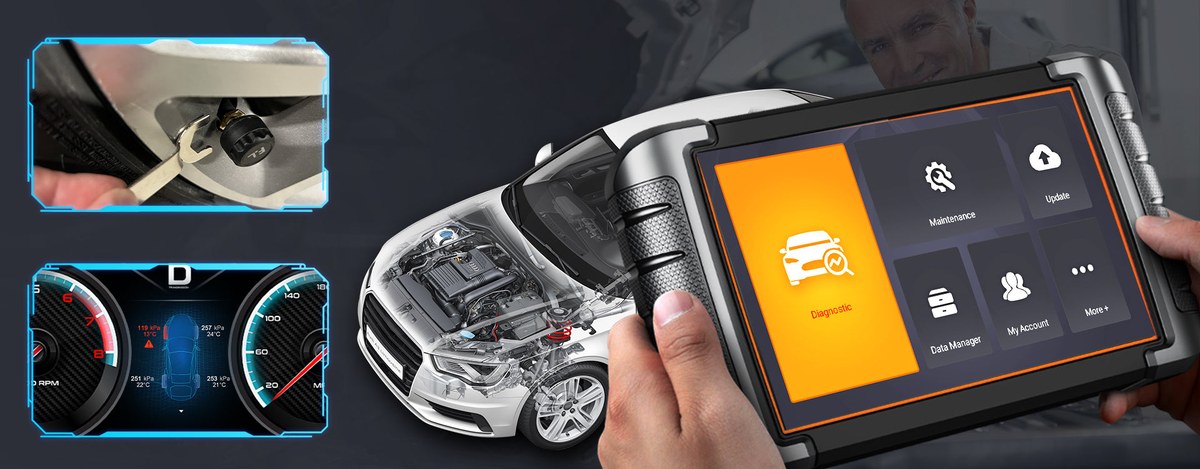
A scanner sees the result of that failure in the oxygen sensor readings. The front O2 sensor shows the air-fuel mixture entering the converter. The rear O2 sensor should show a much steadier signal after the converter does its job. When the rear signal starts mirroring the front signal, converter efficiency is dropping.
Live Data vs. Freeze-Frame Data: Beyond the Check Engine Light
Freeze-frame data records the engine conditions when the code was set, such as engine speed, coolant temperature, and fuel trim. That helps you understand what was happening at the moment of failure. Live data, on the other hand, shows real-time sensor readings while the engine runs. For converter diagnosis, live data is more useful because you can watch the oxygen sensors respond as you hold the engine at a steady speed.
Learning how to find live data on an OBD2 scanner is a key skill for this job. Most scan tools label the oxygen sensor readings as O2S B1 S1 (before the converter) and O2S B1 S2 (after the converter).
Which OBD2 Scanner Can Read Converter Efficiency?
OBD2 Protocol Coverage and Model-Year Compatibility
All 1996 and newer gasoline vehicles sold in the US use OBD2, but they use different communication protocols. Some use CAN (Controller Area Network), while older models may use ISO 9141, KWP2000, or VPW. Most modern scanners handle all five protocols, but very cheap units may not. If the scanner cannot talk to your vehicle’s computer, it will show a link error or “protocol not supported” message.
Check: Verify your vehicle’s model year, OBD2 protocol, and the scanner’s stated coverage before purchase. Limitations: Some budget scanners only read generic powertrain codes and cannot access manufacturer-specific codes or advanced live data.
Code Readers vs. Scan Tools: What You Get at Each Price Point
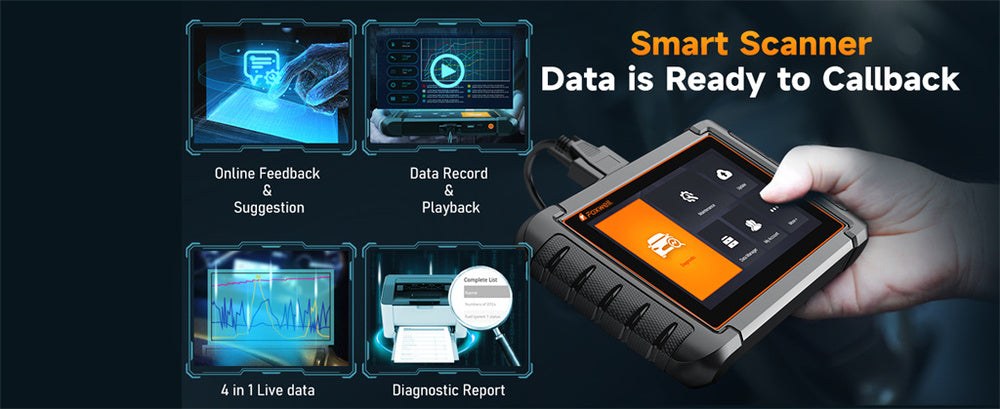
Basic code readers are usually the cheapest option. They read and clear codes, and some show freeze-frame data, but they often lack live data graphing. Mid-range scan tools cost more and add live data, emissions readiness tests, and sometimes Mode 6 data. Professional scan tools cost the most and add bidirectional controls, special tests, and manufacturer-specific coverage.
| Option | Best for | Owner consideration | Driver consideration |
|---|---|---|---|
| Basic code reader | Reading and clearing P0420 | Low cost, but limited live data | May not confirm the real cause |
| Mid-range scan tool | Live O2 data and emissions checks | Better value for DIY diagnosis | Helps avoid unnecessary repairs |
| Professional scan tool | Bidirectional testing and special functions | High upfront cost | Best for shops and serious DIYers |
Bluetooth Scanner App Permissions, Firmware, and Privacy Concerns
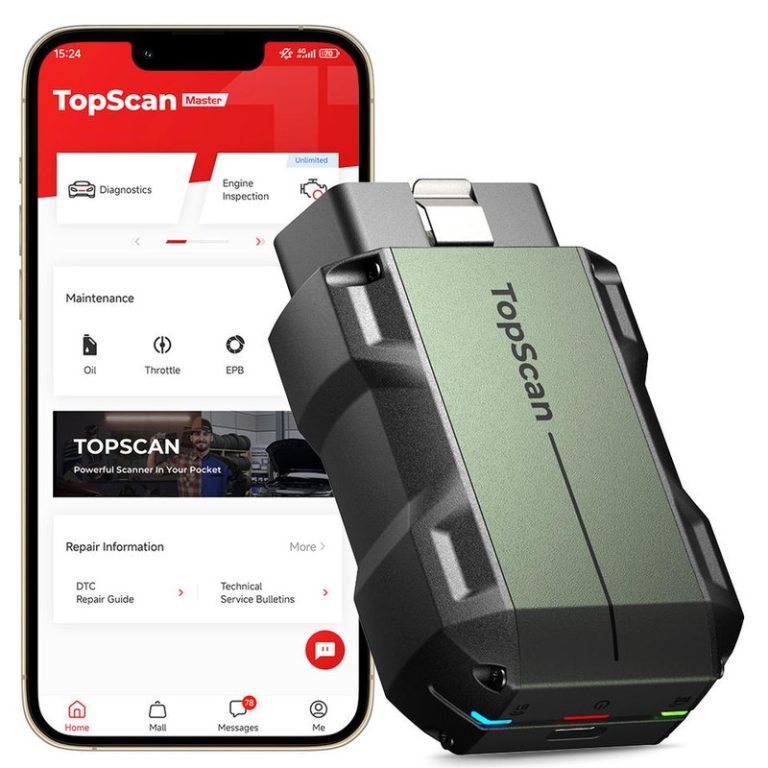
Bluetooth OBD2 scanners pair with a smartphone app and are popular because they are cheap and easy to use. The scanner itself is simple; the app does the heavy lifting. Before you buy, check whether the app requires an account, a subscription, or unusual permissions. Some apps collect vehicle data, location, or diagnostic codes and share them with third parties.
Step-by-Step: How to Test a Catalytic Converter with an OBD2 Scanner
Locating the OBD2 Port and Setting Ignition Mode Correctly
The OBD2 port is usually under the dashboard on the driver’s side, near the steering column or fuse box. Plug the scanner in, then turn the ignition to the “ON” position without starting the engine. Some scanners power up automatically; others have a power button. If the scanner needs the engine running to read live data, start the engine only after the initial connection is made.
If you are unsure whether the engine needs to be running, check the scanner manual. Reading codes usually works with the key in the ON position, but live oxygen sensor data requires the engine running.
Reading Oxygen Sensor Data to Verify P0420
With the engine warmed up and idling, look at the live data screen for oxygen sensor voltages. A healthy front sensor switches rapidly between about 0.1 and 0.9 volts. The rear sensor should hold a fairly steady voltage, usually around 0.6 to 0.7 volts, once the converter is warm. If the rear sensor starts switching like the front sensor, the converter is not storing oxygen properly.
Some scan tools also show a “catalyst monitor” test result under Mode 6 data. That test gives a numeric pass or fail reading for the converter. If you want to understand the numbers, our guide to Mode 6 data on an OBD2 scanner explains how to read them.
Running an Emissions Readiness Check
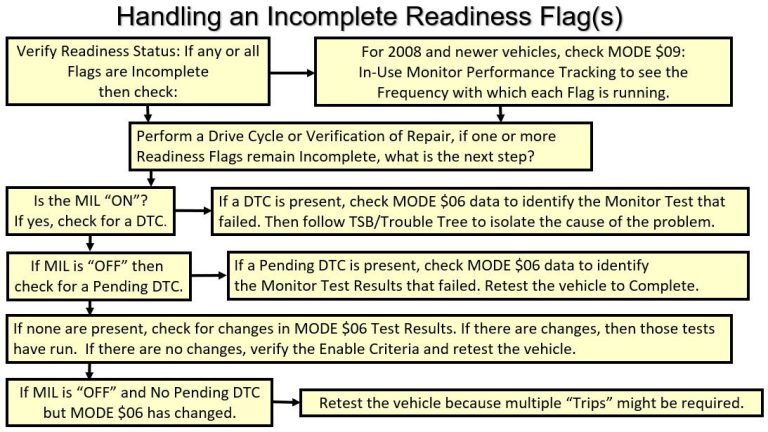
Most scan tools have an “I/M Readiness” or “Emissions Readiness” menu. This shows whether the vehicle’s monitors have completed their self-tests. A failing converter may show the catalyst monitor as “Not Ready” or “Incomplete.” If the battery was recently disconnected or codes were cleared, the monitors may need a specific drive cycle to complete.
- Record the code, freeze-frame data, and live O2 readings before clearing anything
- Warm up the engine fully before judging oxygen sensor behavior
- Check for exhaust leaks and damaged O2 sensors first
- Clear the code before you finish gathering diagnostic evidence
- Assume P0420 always means the converter is bad
- Drive long distances with a clogged converter that is causing poor performance
When the OBD2 Scanner Can’t Give You a Reliable Answer
Failed Oxygen Sensors, Exhaust Leaks, and False P0420 Codes
A lazy or dead rear oxygen sensor can make the computer think the converter is failing. Exhaust leaks upstream of the sensor can also skew readings. Even a faulty fuel injector or misfire can dump unburned fuel into the converter and cause a false P0420. A scanner can show you the sensor voltages, but it cannot tell you which part is the root cause.
If you suspect the sensor itself, our guide on whether an OBD2 scanner can tell which oxygen sensor is bad explains how to narrow it down. Live data and code location help, but you often need to test the sensor response directly.
Scanner Reset Limitations and Why Codes Come Back
Clearing the code with a scanner is not a repair. The check engine light will come back once the computer runs the catalyst monitor again and sees the same low efficiency. Some emissions-related codes are also “permanent codes” that a basic scanner cannot fully clear until the computer sees a successful test.
Many drivers ask whether a cheap OBD2 scanner can clear the check engine light. It can clear stored codes, but permanent codes and monitor status may remain until the vehicle completes a drive cycle.
When to Stop Diagnosing and Call a Professional
If you see P0420 plus a misfire code, or if the converter is physically rattling, stop diagnosing and get professional help. A clogged converter can create backpressure that damages the engine. A shop can perform a backpressure test, inspect the exhaust system, and confirm whether the converter or the oxygen sensor is the real problem.
Legal and Emissions Inspection Considerations
Emissions Readiness Monitors and Passing a State Inspection
Most states with emissions testing use the OBD2 system to check for stored codes and monitor readiness. A vehicle with a P0420 code will fail an OBD2-based inspection. Clearing the code before the test will not help if the monitors show “Not Ready,” because many states reject vehicles with incomplete monitors.
Federal vs. California (CARB) Regulations and Aftermarket Converter Rules
Federal law requires replacement catalytic converters to be certified by the EPA. California has its own stricter rules under CARB. If you live in a state that follows California emissions standards, you may need a CARB-compliant converter. Using a non-compliant converter can cause a future inspection failure or a fine.
When shopping for a replacement, look for the EPA or CARB executive order number printed on the converter. Keep the receipt and warranty paperwork in case you need to prove compliance.
What a Replacement Catalytic Converter Costs and Your Next Steps
OEM vs. Aftermarket Converter Pricing and Warranty Differences
Replacement converter prices vary widely by vehicle. OEM (original equipment manufacturer) converters cost more but are designed to match your car exactly. Aftermarket converters cost less, but quality and fit vary. Some aftermarket converters are direct-fit, while others are universal units that require welding or cutting. Warranty terms also differ, so read the fine print before buying.
Driving with a P0420 Code: Safety and Long-Term Damage Risks
Driving short distances with a P0420 code is usually safe if the car runs normally. But a clogged converter can cause poor acceleration, overheating, and engine damage over time. If the vehicle is running rough, losing power, or stalling, stop driving and address the problem.
Building a Diagnostic and Repair Plan That Saves You Money
Start by reading the code and recording freeze-frame data. Check the oxygen sensor readings and look for exhaust leaks. Verify the catalyst monitor result if your scanner supports Mode 6. Then decide whether to repair or replace. If the converter is truly bad, get quotes from a muffler shop and compare OEM, aftermarket, and direct-fit options.
- Best for: DIY owners who want to confirm a P0420 code before paying for a catalytic converter replacement.
- Think twice if: You only have a basic code reader with no live data, or your vehicle uses a protocol your scanner does not support.
- Next step: Check your vehicle’s OBD2 protocol, verify live O2 data, and rule out oxygen sensors and exhaust leaks before ordering parts.
Frequently Asked Questions
P0420 means the engine computer detected that the catalytic converter is working below its expected efficiency. It compares the oxygen sensor readings before and after the converter. The code is a warning, not a final diagnosis.
Yes. A lazy or failed rear oxygen sensor can make the computer think the converter is bad. Exhaust leaks and misfires can also cause a false P0420.
No. A mid-range scanner with live data and Mode 6 access is usually enough. Basic code readers may only show the code without the sensor data you need to confirm the diagnosis.
Probably not. Most states check for stored codes and emissions monitor readiness. If the catalyst monitor has not completed, the vehicle may still fail.
Short trips are usually fine if the car runs normally. A clogged converter that causes power loss, overheating, or a rotten-egg smell should be fixed immediately.
Costs vary widely by vehicle, brand, and labor. OEM converters cost more than aftermarket units, and universal converters cost less than direct-fit parts.