Why Does My Steering Wheel Shake After Adding Air to Tires? Fix It
The shake usually means overinflation, a pressure imbalance, or a tire that was already damaged. Set all four tires to the door-jamb placard cold pressure with a quality gauge, then test drive.
If you are asking why does my steering wheel shake after adding air to tires, you are not alone — and you are probably closer to the answer than you think. The shake usually comes from pressure that is wrong now, a tire that was already damaged, or a balance problem that low pressure was hiding.
- Check the placard: Use the door-jamb sticker, not the sidewall maximum, for correct cold pressure.
- Measure cold: Wait at least three hours after driving before checking or adjusting pressure.
- Trust a good gauge: Digital and quality pencil gauges beat worn gas-station inflator gauges.
- Inspect for damage: A bulge, thumping sound, or shake that stays after re-inflation means professional inspection.
- Know TPMS limits: The light warns of low pressure but cannot detect overinflation, imbalance, or belt separation.
Why Your Steering Wheel Shakes Right After Adding Air: The Short Answer
Adding air changes the shape, stiffness, and rolling behavior of your tires. When one tire is much firmer than the others, it can vibrate, pull, or send a wobble through the steering column. The fix is often simple, but the cause is not always just pressure.
The Three Most Common Culprits, Ranked by Likelihood
- Overinflation or a big pressure difference between the front tires. This is the most common cause, and it is easy to fix at home.
- Gauge or inflator error. A bad reading can push a tire 10 psi or more past the correct pressure without you knowing it.
- Existing tire damage. Belt separation, a slow leak, or a bad puncture can show up only after the tire is firm again.
Check the Door-Jamb Placard First: Your Correct Cold Pressure Is Not on the Sidewall
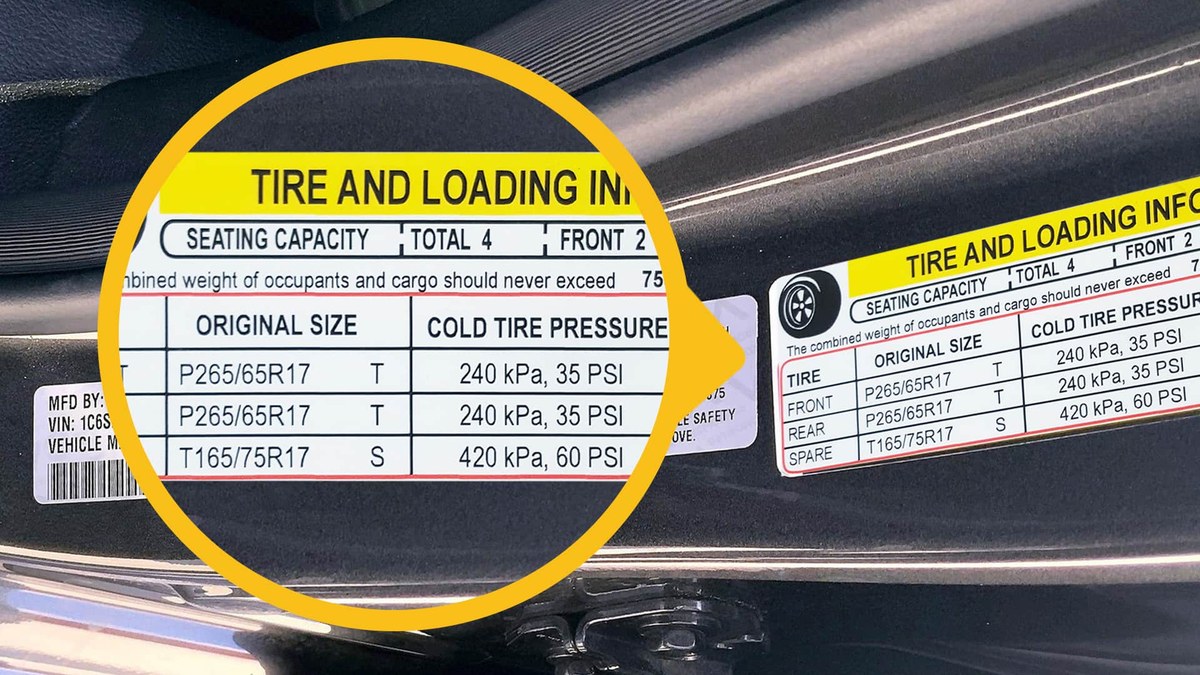
The single most common mistake is filling tires to the number printed on the sidewall. That number is the maximum pressure the tire can hold, not the pressure your vehicle needs.
Where the Placard Is and Why the Sidewall Number Misleads You
Open the driver’s door and look at the door jamb. You will see a sticker with the recommended cold tire pressure for the front and rear tires. The correct number is set by the vehicle manufacturer based on your vehicle’s weight, suspension, and typical load.
Cold Pressure vs. Hot Pressure: Check Tires Before You Drive
Cold pressure means the tire has not been driven on for at least three hours, or the car has been sitting overnight. Driving heats the air inside the tire, and pressure rises by several psi. If you fill a hot tire to the cold spec, it will be low once it cools. If you fill it while hot and then drive, it can end up overinflated.
For the full timing breakdown, see our guide on how long you should wait to check tire pressure after driving.
Gauge Accuracy and Inflator Duty Cycle: Bad Data Causes Overinflation
Even a good inflator can be wrong. The gauge on a gas station air pump is shared, dropped, and rarely calibrated. Trusting it blindly is how you end up with 40 psi in a tire that should have 32.
Pencil vs. Digital vs. Gas Station Gauges: Which One to Trust
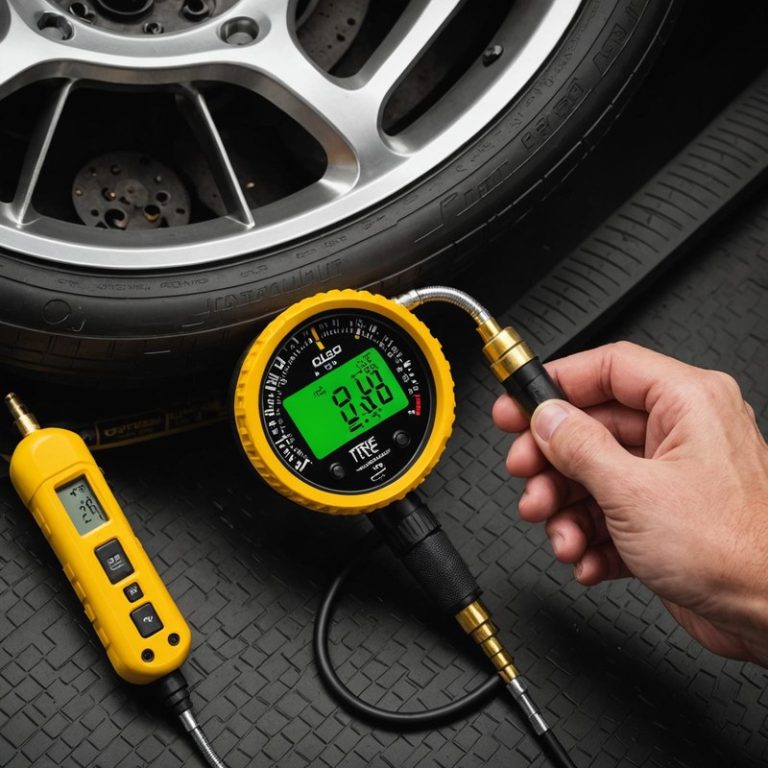
A quality digital gauge is usually the most accurate and easiest to read in low light. A good pencil gauge is cheap and reliable if it is not dropped. The built-in gauge on a gas station inflator is the least trustworthy because it gets heavy use and is rarely checked.
Inflator Duty Cycle: Why the Compressor Stops, Overheats, or Reads Wrong
Portable inflators have a duty cycle: they are designed to run for a few minutes, then cool down. If you keep filling past that window, the compressor can overheat and read low, which makes you add even more air. That is how a simple top-off becomes overinflation.
If your inflator keeps shutting off early, read our article on why a tire inflator stops before reaching the set pressure.
Overinflation vs. Underinflation: How Pressure Imbalance Creates the Shake
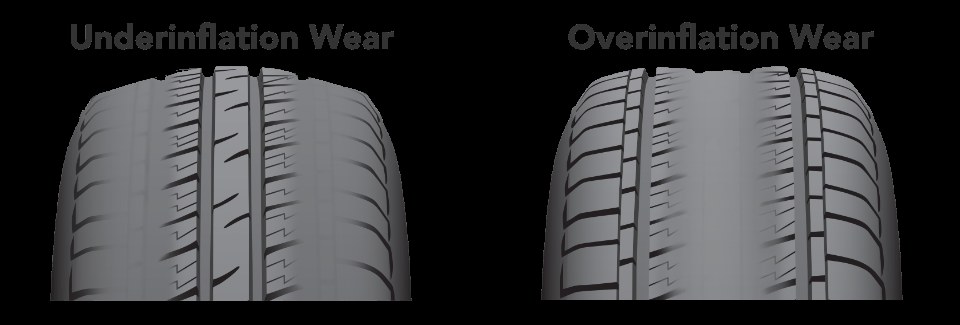
Your steering wheel is most sensitive to the two front tires. If one front tire is at 32 psi and the other is at 40 psi, the car will pull and vibrate because the two tires roll at different diameters and stiffness levels.
What Overinflation Feels Like: Harsh Ride, Shaking Wheel, and Less Grip
Overinflated tires feel hard. You will notice less grip, a harsher ride, and a steering wheel that vibrates or feels nervous on the highway. The center of the tread also wears faster, which shortens tire life.
Why One Low Tire Can Still Shake the Steering Wheel
The opposite also happens. If you added air to three tires but missed a slow leak in the fourth, the low tire creates the same imbalance. The fix is the same: set all four tires to the placard cold pressure.
The Tire Was Already Damaged: Belt Separation, Bead Problems, and Puncture Location
Sometimes the shake is not your fault. The tire was already damaged, and adding air simply made the problem visible.
Belt Separation: The Shake That Won’t Go Away After Re-Inflation
Belt separation happens when the steel belts inside the tire pull apart. It often shows up as a vibration that gets worse with speed and does not go away when you adjust pressure. You may also see a bulge or a wavy spot on the tread.
Puncture Location and Temporary-Repair Limits vs. Professional Patch-Plug Thresholds
A puncture in the tread center can often be repaired with a patch-plug by a professional. Punctures in the sidewall or shoulder usually mean the tire must be replaced. A string plug from an auto parts store is a temporary fix, not a permanent repair.
Balancing, Wheel Weights, and Bead Seating: Pressure Can Mask Other Problems
Wheel balance and tire pressure are connected in a way that surprises many drivers.
How Low Pressure Hides a Wheel Imbalance Until You Re-Inflate
A low tire rolls with a different shape and effectively masks a wheel imbalance. Once you add air, the tire rolls true again, and the existing imbalance becomes obvious as a shake at certain speeds.
Bead Seating and Missing Wheel Weights After Inflation
The bead is the edge of the tire that seals against the wheel. If the bead was not seated evenly, the tire will wobble. Also, a wheel weight can fall off during a tire change or after hitting a pothole. Both issues require a tire shop visit.
TPMS Relearn Limits: Why the Light Stays On and What the System Can’t Tell You
Your tire pressure monitoring system is a warning light, not a diagnostic tool. It can tell you that a tire is low, but it cannot tell you the exact pressure, which tire is shaking, or why.
What TPMS Can and Can’t Detect — and Where the Data Stays
TPMS detects pressure below the warning threshold, usually about 25 percent below the placard pressure. It does not detect overinflation, belt separation, or balance problems. If the light stays on after you add air, the system may need a relearn.
If the light is still on after filling, check our guide on why the TPMS light stays on after filling the tires.
Relearn Procedures, Sensor Age, and When a Scan Tool Is Required
Many vehicles need a relearn procedure after a pressure change or tire rotation. Some cars accept a simple button sequence; others require a TPMS scan tool to program sensor IDs. Sensor batteries also die after several years, and a dead sensor needs replacement.
For the steps, see our guide on how to reset the TPMS light after a tire rotation.
When to Stop DIY and See a Professional: Safety Thresholds, Costs, and Next Steps
Most pressure-related shakes are fixed in five minutes. Some are not, and knowing the difference keeps you safe.
Red Flags: Don’t Drive If You See or Feel These
- A visible bulge, bubble, or cut on the tire
- A vibration that gets worse as speed increases
- A thumping or flapping sound while driving
- Steering wheel that pulls hard to one side
- Shake that continues after all four tires are set to the placard pressure
What a Shop Will Check, What It Costs, and Legal Inspection Variations
A shop will check tire pressure, inspect the tread and sidewalls, test for leaks, and spin the wheels to check balance. Costs vary by shop and region. A tire inspection may be free or low cost, a rebalance is usually modest, and a replacement tire is the big expense. Some states also require annual safety inspections that include tire condition, so local rules vary.
Your Next 5-Minute Checklist Before You Drive
- Set all four tires to the placard cold pressure.
- Re-check with a quality gauge, not the gas station unit.
- Look at all four tires for bulges, cuts, or uneven wear.
- Drive slowly on a quiet road and feel for vibration.
- If the shake is gone, monitor pressure weekly for a month.
A Monthly Maintenance Plan to Keep the Shake From Coming Back
The shake usually comes back because the habit stops. A simple monthly routine prevents it.
Monthly Cold-Pressure Checks With a Quality Gauge
Check all four tires, including the spare if your vehicle has one, once a month before driving. Use the placard pressure and a gauge you trust. Also check the tread depth with the penny test and look for nails or cuts.
Rotate, Rebalance, and Know When Tires Are Done
Rotate your tires on the schedule in your owner’s manual, usually every 5,000 to 7,500 miles. If a vibration appears after rotation, have the wheels rebalanced. Replace tires when tread is below 2/32 inch or when you see damage — do not wait for a blowout.
- Best for: Drivers who want a fast, free fix for a pressure-related steering shake without a shop visit.
- Think twice if: The shake continues after correct cold pressure, or you see a bulge — that points to tire damage that needs professional inspection.
- Next step: Set all four tires to the door-jamb placard pressure with a quality gauge, then test drive on a quiet road.
Frequently Asked Questions
Yes. Overinflation makes the tire stiff and reduces grip, which can send vibration through the steering wheel. A big pressure difference between the two front tires causes the same shake.
Wait at least three hours, or check first thing in the morning. Driving heats the air inside the tires and raises pressure by several psi, so a cold reading requires the tires to cool down first.
The system may need a relearn procedure, or the sensor battery may be dead. TPMS also cannot detect overinflation, so the light can stay off even when a tire is too full.
Not if the shake is severe, or if you see a bulge or hear a thumping sound. A mild shake from overinflation is usually safe to fix at home, but tire damage requires a professional inspection.
Most portable inflators have a duty cycle and shut off to cool down. If it stops early, the gauge or thermal protection may be giving a wrong reading, and you risk overinflating the tire.
A tire inspection is often free or low cost, and a wheel rebalance is usually modest. A replacement tire is the big expense, so catching damage early saves money.