Can a Tire Plug Leak Over Time? Yes, Here’s What to Check
Yes, a tire plug can leak over time, especially if the puncture was large, the repair was rushed, or the plug has aged. Confirm it with a soapy-water test and cold-pressure checks, then move to a professional patch or replacement if it stays leaky.
Can a tire plug leak over time is easier to understand when you compare compatibility, safe use, ownership needs, and real limitations.
Yes, a tire plug can leak over time, and the leak usually comes from a cause you can find before it leaves you stranded. Plugs are fast and inexpensive, but they are not permanent repairs. This guide explains why plugs fail, how to test for a slow leak, and when you should stop adding air and get a professional repair or replacement.
- Plug vs. patch: A plug alone is a temporary fix; a patch seals the inner liner and.
- Diagnose first: Use a soapy-water test and consistent cold-pressure readings to confirm a plug leak before.
- Location matters: Plugs are only for center-tread punctures; sidewall or shoulder damage is a replacement situation.
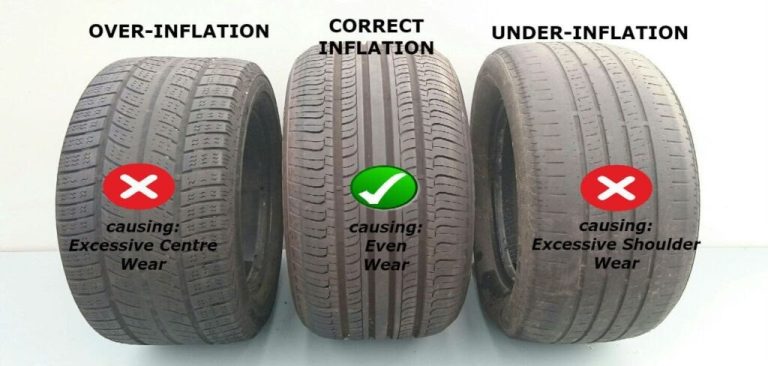
- Monitor and maintain: Check pressure weekly and follow the door-jamb placard, not the sidewall maximum.
- Know when to stop: A bulge, vibration, worn tread, or aged tire means professional inspection or replacement.
Yes, a Tire Plug Can Leak Over Time – Here’s Why
A tire plug works by filling the puncture channel and sealing against the inner layers of the tire. That seal depends on friction, the rubber cement supplied in the kit, and the plug’s own flexibility. As the tire flexes, heats up, and cools down, the plug may loosen, dry out, or shrink slightly. The result is often a slow leak that loses a few PSI over days or weeks.
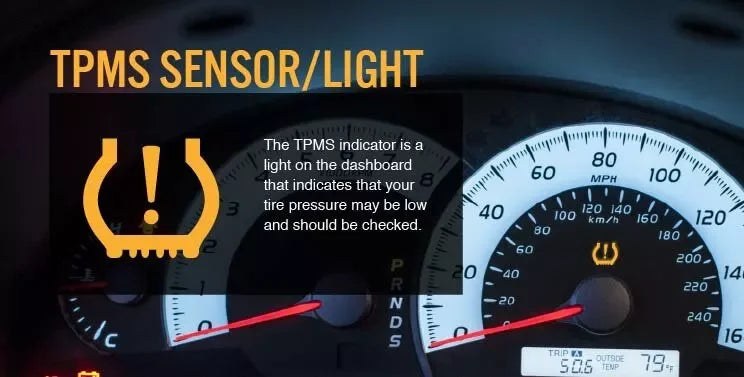
Leaks from a plug usually build slowly. You might notice the TPMS light flickering, or the tire looks slightly low during a walk-around. In some cases, the leak is so slow that it only shows up when you compare tire-pressure gauge readings over several days.
Common Causes of Plug Leaks: Installation Errors and Rubber Fatigue
Installation errors. A plug will not seal properly if the puncture hole was not cleaned, if the plug was not coated with rubber cement, or if it was pushed in at an awkward angle. Dirt, moisture, and rust inside the hole can break the seal from the start.
Rubber fatigue. The plug is made of rubber, and rubber ages. Temperature swings and constant flexing cause it to harden, shrink, or crack. A plug that looks fine for months can begin seeping after a harsh winter or a hot summer.
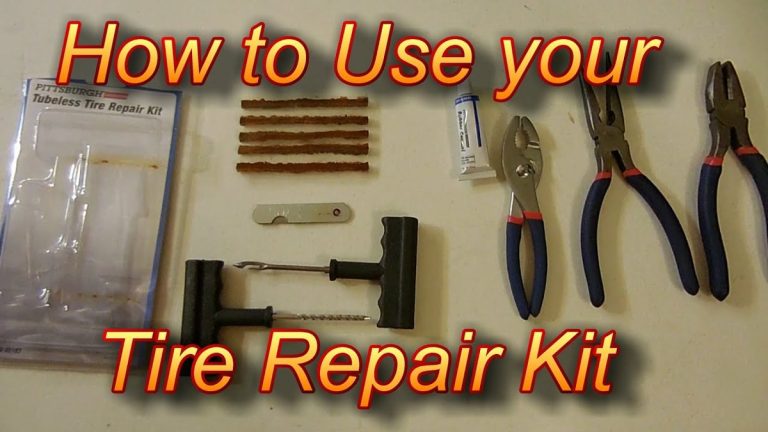
Repair-kit quality. Not all plug kits use the same rubber compounds. Some budget kits include thinner plugs that seal less reliably over time.
How Long Should a Plug Actually Last Before It Seeps?
There is no honest single number. A well-placed plug in a small, clean puncture inside the tread area can hold for years. A poorly installed plug can seep within weeks. It depends on the puncture size and location, the tire’s load, your driving style, and the climate where you live.
The safe approach is to treat a plug as a temporary repair and monitor it closely. If the tire starts losing pressure in a steady pattern, the plug has become a weak point.
Plug vs. Patch vs. Plug-Patch Combo: Know the Repair Standard
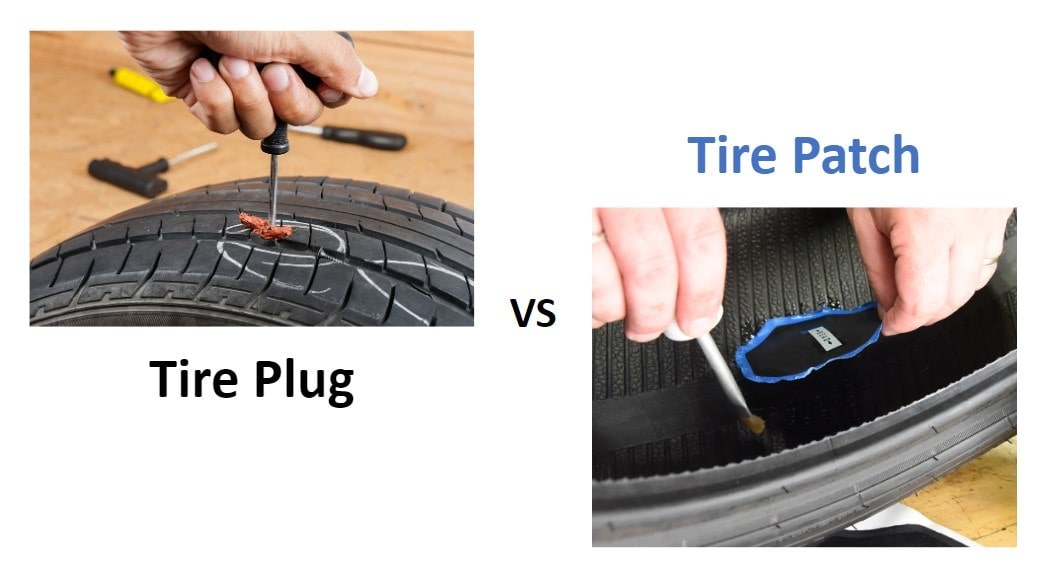
To understand whether a plug leak is an emergency or a maintenance annoyance, you need to know the repair classes. Plugs, patches, and plug-patch combos are not the same job.
Why a Plug Alone Is Considered a Temporary Fix
A plug seals the puncture from the outside. It does not seal the inner liner, which is the layer that actually holds the air. Many tire professionals describe a plug alone as a roadside fix that lets you reach a shop, not a permanent repair.
For the long term, accepted repair guidance points to an inside patch or a plug-patch combo. To see how the options compare, read our tire plug vs. patch safety comparison.
Professional-Repair Thresholds: What Tire Shops Follow
Most tire shops follow repairability standards that limit what a plug or patch can fix. A puncture should sit within the center tread areacaster and not on the sidewall or shoulder. Many published guidelines cap repairable punctures at about a quarter-inch in diameter. If the puncture is larger, or if the tire is already near its wear limit, shops often decline the repair.
If your plug was installed outside those limits, the tire was never a good candidate for a plug in the first place.
How to Diagnose a Slow Leak From a Tire Plug
A slow leak from a plug can be hard to confirm by sight alone. Here are practical checks that don’t require a shop visit.
The Soapy-Water Test and Visual Inspection
Mix a few drops of dish soap into a spray bottle of water. Spray the plug and the surrounding tread, then watch for clusters of small bubbles. If bubbles form around the plug head or along the puncture line, that is the leak.
Also look at the plug’s top. If it is cracked, split, or sitting unevenly, the plug body may be deteriorating. A swollen or mushroomed plug head can mean the plug has shifted inside the tire.
Using a Quality Gauge and Checking Cold Pressure
For a slow leak, you need a measurement, not a guess. Check the pressure when the tire is cold — meaning the car has not been driven for a few hours. Write down the reading, then re-check at the same cold condition the next day or the next week. A consistent drop of 1 to 2 PSI over a fixed window points to a real leak.
Cold readings matter, and the length of that wait changes the number on your gauge. Here’s our guide on how long to wait before checking tire pressure after driving.
Inflator Duty Cycle: Why Your Compressor Can’t Top Off Forever
If you are topping off the same tire every few days, the inflator is not the problem. Portable inflators have a duty cycle, meaning they are designed to run for a limited time and then cool down. A plugged tire that needs frequent top-offs will eventually stress the inflator’s motor and your patience.
Use the inflator to restore pressure so you can drive to a shop. Do not rely on it as a permanent answer to a leaking plug.
Start With the Door-Jamb Placard: Correct Cold Pressure Matters
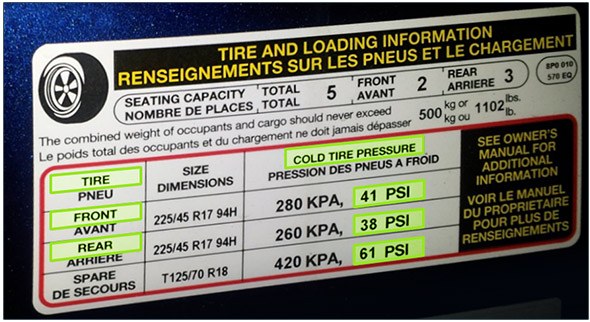
Locating the Placard and Setting PSI Correctly
Your vehicle’s correct cold tire pressure is printed on a placard, usually on the driver’s side door jamb, inside the fuel door, or in the glovebox. That number is your target. The “max pressure” printed on the tire sidewall is a limit, not a recommended setting.
Set the pressure only when the tires are cold. Driving warms the air inside the tire and raises the pressure, so a reading taken right after a highway trip will mislead you.
Gauge Accuracy: Why a $5 Gauge Can Mislead You
Basic pencil gauges can be off by several PSI, and that is enough to hide a slow leak or cause you to overinflate. A digital gauge or a quality analog gauge with a clear dial gives a better baseline for monitoring a plugged tire.
Use the same gauge each time you check. Switching between gauges adds error to your comparison and can make a slow leak look like a normal variation.
TPMS Warning Light and Relearn Limits After a Plug Repair
How TPMS Monitors a Plugged Tire
Your tire-pressure monitoring system watches air pressure, not plug condition. Direct TPMS sensors measure pressure inside the wheel; indirect systems use wheel-speed sensors. Either way, the system will not tell you a plug is failing. It only tells you the pressure is low, and often only after the drop has grown large enough to trigger a warning.
TPMS Relearn Limits and When You Need a Professional
If a shop replaces a TPMS sensor during the repair, many vehicles require a relearn procedure so the system knows which sensor is in which wheel. Some cars relearn automatically; others need a TPMS tool or a menu option in the vehicle. Check your owner’s manual for the exact process.
It also helps to understand why the tire pressure light can stay on even when the tire looks fine.
Puncture Location and Temporary-Repair Limits
Tread vs. Sidewall Punctures: Where Plugs Are Allowed
Plugs are meant only for puncture holes in the tread’s repairable zone — generally the center portion of the tread that contacts the road. Sidewall and shoulder punctures flex heavily as the tire rolls, so a plug there tends to work loose and leak. Worse, the sidewall structure can fail without warning.
Before installing a plug, confirm the puncture is in a repairable spot. Plugging a sidewall puncture is not a safe fix and often leads to replacement.
Speed, Distance, and Load Limits for a Plugged Tire
A plugged tire does not carry the same confidence as a properly patched tire. Keep your speed moderate, avoid long highway stretches at maximum speed, and reduce load if possible. Treat a plug as a repair that gets you to the tire shop, not as a ticket to drive normally for another 40,000 miles.
Signs Your Plugged Tire Needs Professional Attention or Replacement
Vibration, Bulges, and Cord Damage
If the plugged tire begins to vibrate at speed, or if you see a bulge in the tread or sidewall, stop driving. A bulge means the internal cords may be broken, and a plug cannot fix that. The tire needs to be dismounted, inspected from the inside, and likely replaced.
Tread Depth and Age: When Replacement Is the Safer Call
Tires wear out, and a worn tire is not a good home for a plug. Check tread depth with a penny: insert the penny into the tread with Lincoln’s head upside down. If you can see the top of Lincoln’s head, the tread is near the 2/32-inch wear limit and the tire should be replaced.
Age matters too. Many tire manufacturers recommend replacing tires after six to ten years, regardless of remaining tread. A plug does not reset that clock.
Maintaining a Plugged Tire and Next Steps for Drivers
Post-Repair Monitoring and Re-Torque Checks
After any plug repair, monitor pressure weekly for the first month. If the tire loses pressure gradually, the plug may be the issue. If the wheel was removed for an inside patch, re-torque the lug nuts to the vehicle’s specification after a short drive; some vehicles call for a re-torque check after about 50 to 100 miles. Your owner’s manual lists the exact spec and interval.
When to Upgrade to a Professional Patch or New Tire
If your plug seeps even after cleaning and reseating, schedule an inside patch or plug-patch combo from a tire shop. If the puncture is on the sidewall, the tire is at the wear limit, or the tire is old, replacement is the safer call. The money saved by “getting by” with a leaking plug is rarely worth the risk of a roadside failure.
- Check cold tire pressure weekly and record the reading
- Use a soapy-water test to confirm a suspected plug leak
- Follow the door-jamb placard pressure, not the sidewall maximum
- See a tire shop for an inside patch if the plug keeps leaking
- Drive on a plugged sidewall or shoulder puncture
- Ignore a bulge, new vibration, or repeated TPMS warnings
- Rely on a portable inflator to keep topping off a leaking tire
- Treat a plug as a permanent repair without a professional inspection
- Best for: A small, clean puncture in the tread area when you need a quick temporary repair and will monitor it closely.
- Think twice if: The puncture is on the sidewall or shoulder, the tire is worn or old, or the plug has already started to seep.
- Next step: Confirm the leak with a soapy-water test, check cold pressure against your door-jamb placard, and schedule a professional patch or replacement at the first sign of trouble.
Frequently Asked Questions
Yes. Heat, flexing, and rubber aging can cause a plug to loosen or dry out, creating a slow leak. A small, clean puncture in the tread area may hold for years, but a plug should always be treated as a temporary repair and monitored closely.
Mix dish soap with water in a spray bottle and mist the plug area. Clusters of small bubbles indicate escaping air. You can also check cold tire pressure at the same time each day and watch for a consistent drop.
No. Industry guidance and most tire professionals treat a plug alone as a temporary roadside repair. An inside patch or a plug-patch combo is the accepted long-term method because it seals the inner liner where the air is actually held.
You can, but only on a temporary basis and with extra caution. Keep your speed moderate, reduce load if possible, and avoid long-distance trips until a tire shop has completed a proper inside repair. A leaking or poorly installed plug should not be trusted for extended highway driving.
Replace the tire if the puncture is on the sidewall or shoulder, if it is larger than about a quarter-inch, if you see a bulge or vibration, or if the tread is near the 2/32-inch wear limit. Also replace if the tire is six to ten years old, even if the plug appears dry.
Not for a basic plug that does not involve the sensor. If a TPMS sensor is replaced or the wheels are rotated, many vehicles require a relearn procedure so the system maps the correct sensor position. Check your owner’s manual for the exact process.