Tire Plug vs Patch Which Is Safer? the Patch Wins
A professional patch repair from inside the tire is safer than a plug-only fix for permanent, long-term use. Use a plug only as a temporary emergency repair and have the tire professionally inspected and patched as soon as possible.
The question of tire plug vs patch which is safer has a clear answer for most US drivers: the patch wins when it’s installed as a professional inside-out repair. A plug is a useful emergency tool, but it doesn’t create the same long-term seal. This guide explains how both repairs work, when each is acceptable, and what to ask a shop before approving work.
- Patch wins for safety: A professional inside-out patch seals the inner liner and fills the injury, unlike a.
- Plugs are temporary: Use a plug only to reach a shop; it is not a permanent repair.
- Location matters: Sidewall and shoulder punctures are not repairable, and replacement is safer.
- Verify the shop: Ask if the tire will be dismounted and how the TPMS sensor will be.
- Monitor after repair: Check cold pressure weekly and watch for TPMS alerts or new vibration.
The Short Answer: A Patch Is Safer—But Only as a Professional Inside-Out Repair
Why “Patch Wins” Is True for Permanent, Long-Term Safety
A patch or combined plug-patch repair is applied to the inner liner of the tire. The shop removes the tire from the wheel, inspects the inside for hidden damage, and prepares the area before sealing it. That process catches problems a roadside plug can miss, such as moisture damage or broken belts. When done correctly, the repair is designed to last the remaining life of the tire.
The One Situation Where a Plug Is Acceptable: Emergency Temporary Use
A plug is acceptable when you’re stranded and need to reach a shop safely. It can stop a slow leak long enough to get off the shoulder or complete a short drive. Treat it as a temporary fix with limits. Industry guidance and most shop policies say a plug alone isn’t a permanent repair because it doesn’t seal the inner liner.
Plug vs Patch: How Each Repair Actually Works and Fails
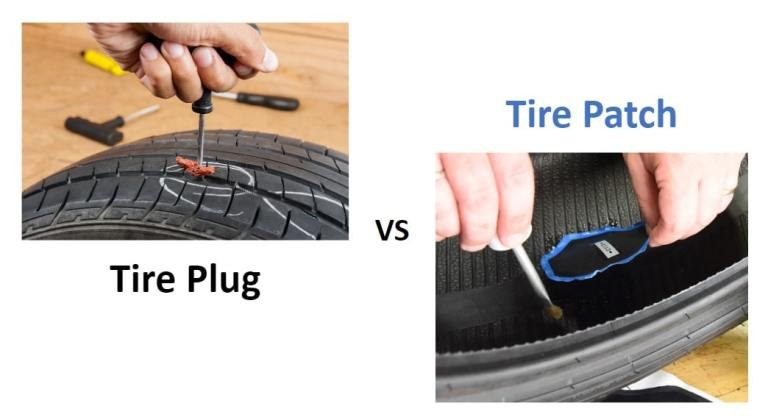
The Plug: A Friction-Fit Stopper Inserted From the Outside
A plug is a coated strip pushed into the puncture from outside the tire. The rubber-coated material is meant to fill the hole and create a friction fit. The plug never bonds to the inner liner, and the installer can’t see internal damage. Over time, flexing and heat can loosen the plug or let moisture travel along the injury.
The Patch: A Vulcanized, Sealed Bond Applied From the Inside
A professional patch starts with removing the tire from the wheel. The technician buffs the inner liner around the puncture, fills the injury, applies rubber cement, and presses a patch or combined plug-patch into place. The bond is designed to flex with the tire. This is the repair method recommended by tire makers and industry associations.
Sealing Power and Failure Modes Compared Side by Side
Here’s how the three realistic options compare for US owners and drivers:
| Option | Best for | Owner consideration | Driver consideration |
|---|---|---|---|
| Plug (temporary) | Emergency use and a short trip to a shop | Low upfront cost, but not a permanent fix | Time-limited; avoid sustained highway speed |
| Patch (professional) | Permanent repair for repairable tread punctures | Modest shop charge; tire returns to normal use | Full-speed capability after successful repair |
| New tire | Damage outside repairable zones or a worn tire | Highest cost | Restores full rated performance and safety margin |
A plug can fail gradually with a slow leak or suddenly if it works loose. A properly installed patch rarely fails before the tire wears out, as long as the puncture was within repairable limits.
Puncture Location and Size: The First Safety Gate
Repairable vs. Non-Repairable Zones: Sidewall, Shoulder, and Tread
Tire repair guidelines split the tire into zones. The tread area is generally repairable. The shoulder, where the tread meets the sidewall, and the sidewall itself are not. If a nail enters at an angle and damages the shoulder area, even a small puncture may be non-repairable. We explain more in our guide to whether a tire plug kit can fix a sidewall puncture.
Puncture Size Limits and Professional-Repair Thresholds
Industry guidelines generally say a puncture up to about 1/4 inch in diameter in the tread can be repaired. Larger injuries, oval-shaped damage, or damage with visible belt damage push the tire past the repair threshold. A technician also considers how many repairs the tire already has. Multiple repairs need to be spaced apart, and there are practical limits to how much repair a tire can accept. See our related guide on whether a tire can be plugged twice in the same spot.
Tire Type Compatibility: Run-Flat, Performance, and Load-Rated Tires
Run-flat tires, high-performance tires, and load-rated tires follow the same basic puncture rules, but the stakes are higher. A load-rated tire that fails is carrying more weight. Some tire makers have stricter repair policies for these categories. If you own a run-flat, check the tire maker’s specific repair guidance before assuming a patch will be allowed.
Installation Quality: Why Preparation Decides the Outcome
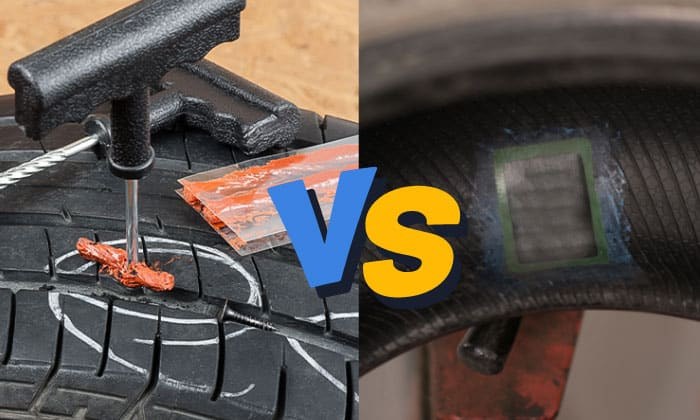
The Correct Patch Process: Buff, Fill, Cement, Patch, and Seal
A professional repair follows a defined sequence. First, the tire is removed and inspected from the inside. Next, the area around the puncture is buffed smooth. The injury is filled to block moisture. Then rubber cement is applied, and a patch or combined plug-patch is pressed into place. Finally, the tire is remounted, balanced, and checked for leaks.
Why Plug-Only Repairs Fail Over Time: Moisture, Flex, and the Void
A plug fills the hole but leaves the inner liner unsealed. Moisture and road salt can work their way into the tire’s internal structure. The constant flexing of the tire also stresses the friction fit. Over months, the plug can degrade, leak slowly, or work loose. The void left in the inner liner is the difference between a plug and a proper repair.
Door-Jamb Placard, Cold Pressure, and Gauge Accuracy After Repair
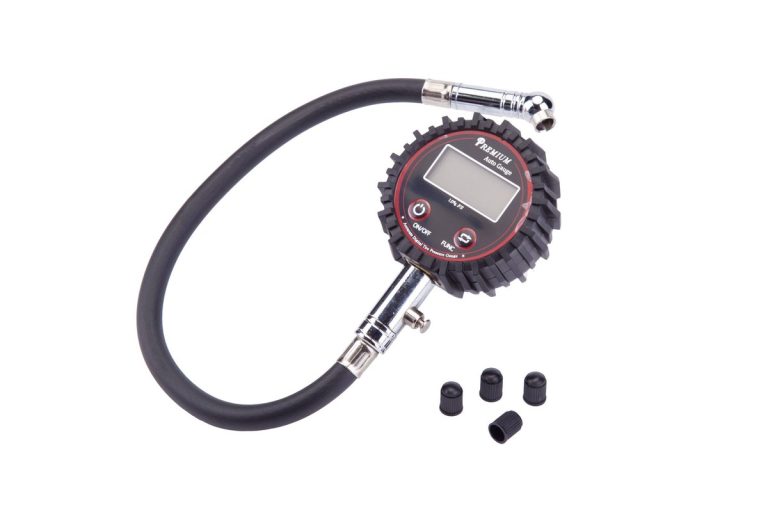
After any repair, set the pressure to the number on the driver’s door-jamb placard, not the number molded on the tire sidewall. Check the pressure when the tire is cold, before driving. Use a gauge you trust. Our comparison of digital vs analog tire pressure gauges explains the accuracy differences and which style suits daily use.
Temporary vs. Permanent: Legal and Industry Limits
RMA and USTMA Guidelines: What Counts as a Permanent Repair
The Rubber Manufacturers Association and its successor, the U.S. Tire Manufacturers Association, have published repair guidelines used across the industry. Those guidelines describe a permanent repair as one that seals both the inner liner and the injury itself. A plug alone doesn’t meet that standard. A patch applied from inside can, when the puncture is in a repairable zone and within size limits.
Temporary-Repair Limits: Speed, Distance, and Time Constraints
A plug-only repair is a bridge, not a destination. Avoid sustained highway speeds, keep the drive short, and head straight to a shop. These are practical limits, and shop policies vary. When in doubt, treat a plugged tire as requiring immediate professional follow-up before regular driving resumes.
State-by-State and Shop-Level Legal Variations You Should Know
Repair rules vary by state and by shop policy. Some states have safety inspection programs with their own standards. Individual tire chains also set store-level policies independent of state law. Call ahead and ask for the shop’s repair policy before approving any work.
TPMS, Relearn, and Post-Repair Pressure Management
TPMS Relearn Limits and Sensor Compatibility After a Patch or Plug
When a shop removes the tire from the wheel, the technician handles the TPMS sensor. Direct sensors can be damaged if pried against incorrectly. After the tire is back on the vehicle, some cars need a relearn procedure so the system recognizes the sensor again. Our guide to TPMS relearn vs TPMS reset explains when each is needed and why they’re not the same thing.
Inflator Duty Cycle and Cold-Pressure Checks for Newly Repaired Tires
If you top off a repaired tire at home, check the pressure when the tire is cold. Portable inflators have duty cycles, meaning they need rest periods between runs. Don’t rely on the inflator’s gauge alone for a final reading. A separate, accurate gauge gives you confidence that the repaired tire is at placard pressure.
When the TPMS Light Means a Recheck, Not a Relearn
A TPMS light after a repair may simply mean the tire was low for a while and needs a cold-pressure check. If the light stays on after filling, inspect the tire and watch the pressure over several days. A slow leak after a patch job needs a recheck at the shop. If you suspect a patch failure, don’t reset the light and drive on. For more, see why a TPMS light can stay on after filling the tires.
Cost and Ownership Impact: Plug vs Patch vs New Tire
Price Comparison: Plug Kit, Professional Patch Repair, and Replacement
A plug kit is the cheapest option, but it isn’t a permanent fix, which makes it poor value if you use it that way. A professional patch repair costs modestly more and brings the labor, inspection, and proper materials. A new tire costs the most, but it’s the only safe choice when damage is outside repairable limits. Shop rates vary widely by region, so ask for a written estimate before work begins.
When Replacement Is the Only Safe Option, Regardless of Cost
Replacement is the right call for sidewall damage, shoulder punctures, punctures larger than the repairable threshold, or tires with visible belt damage. It’s also correct when the tire is already worn near the treadwear indicators. No repair can restore a tire’s structure once the internal reinforcement is damaged.
Driver Impact: Ride Quality, Vibration, and Tire Life After Each Repair
A properly balanced, patched tire usually feels identical to before the puncture. A plug installed without removing the tire can leave the wheel unbalanced or the repair bulky, causing vibration at speed. Vibration isn’t just annoying; it can indicate the repair is moving. If you feel a new shake after any repair, have the tire checked and rebalanced.
Your Next Step: How to Get the Safest Repair at a Shop
Questions to Ask the Shop Before Approving the Work
Ask whether the tire will be dismounted for an inside-out inspection. Ask if they use a patch, a plug, or a combined plug-patch. Ask if the puncture is in a repairable zone and within size limits. Ask how they’ll handle the TPMS sensor and whether the car needs a relearn. Clear answers separate a careful shop from a quick-fix shop.
Red Flags That Signal an Unsafe or Unprofessional Repair
Walk away if a shop offers to plug the tire without removing it from the wheel for inspection. Walk away if they claim every puncture can be repaired. Walk away if they ignore the sidewall rule. A shop that rushes the repair is betting your safety won’t come back to them.
Post-Repair Maintenance: Monitoring Pressure, Wear, and TPMS Alerts
After the repair, check the pressure weekly for the first month and compare it to the placard. Watch for uneven wear or a TPMS light that returns. If you see either, return to the shop. A repaired tire shouldn’t leak, and it shouldn’t warn you twice. If it does, the repair failed or the damage was worse than originally assessed.
- Confirm the shop will dismount the tire and inspect it from inside
- Ask whether you’re getting a patch, plug, or combined plug-patch
- Verify TPMS sensor handling and whether your car needs a relearn
- Set pressure to the door-jamb placard and check it cold
- Monitor pressure, wear, and TPMS alerts for the first month
- Treat a plug-only repair as a permanent fix
- Repair sidewall or shoulder damage
- Ignore vibration after any tire repair
- Reset a TPMS light without checking cold pressure first
- Best for: Drivers who want a permanent, industry-standard repair that keeps the tire safe for normal highway use.
- Think twice if: The damage is in the sidewall or shoulder, larger than the repairable limit, or the tire is already near the end of its life.
- Next step: Contact a qualified tire shop, ask for an inside-out inspection and patch repair, and confirm TPMS handling before approving work.
Frequently Asked Questions
Yes, when the patch is installed professionally from inside the tire. A patch seals the inner liner and fills the injury, while a plug only stops the hole from the outside. A plug is best treated as a temporary emergency repair.
No. Industry guidelines treat a plug as a temporary emergency repair. Use a plug to reach a shop, then have the tire professionally inspected and patched before returning to normal driving.
No. Punctures in the sidewall or shoulder are generally not repairable because these areas flex heavily and support the tire’s structure. Replacement is the safer option for this damage.
It depends on the vehicle. Some cars require a relearn after tire service so the system recognizes the sensor again. Ask the shop whether your model needs a relearn before you drive away.
Pricing varies by shop and region. A patch repair is typically a modest shop charge and far less than the cost of a new tire. Ask for a written estimate before approving work.
Yes. Many professional repairs use a combined plug-patch, sometimes called a one-piece repair, that seals the inner liner and fills the injury. This is different from a roadside plug and is the preferred permanent repair method.