Can You Program a Key With BlueDriver? Key Fob Limits Explained
Can You Program a Key With BlueDriver?
No. BlueDriver can help with diagnostics, check-engine codes, and supported enhanced system scans, but it is not a key programmer. If your job is adding or pairing a key fob, look for an immobilizer/key-programming tool and confirm vehicle coverage before buying.
FAQ
Can you program a key with BlueDriver?
No. BlueDriver is a Bluetooth diagnostic scanner, not an immobilizer or key-fob programming tool. Use it for diagnostics, then choose a dedicated key programmer if you need to add or pair keys.
BlueDriver can diagnose many vehicle systems, but its key-programming abilities often get overstated. BlueDriver generally cannot program keys or key fobs because it lacks the specialized immobilizer access required for that task.
A dealership or qualified automotive locksmith can check vehicle compatibility and program a replacement key or fob. Dedicated key programmers may also work, but the correct tool depends on the vehicle’s year, make, model, and security system.
Key Takeaways
- BlueDriver mainly supports vehicle diagnostics.
- Key programming usually needs specialized equipment.
- A locksmith or dealer can provide the correct solution.
What BlueDriver Can Do
BlueDriver helps identify vehicle faults through its mobile app and Bluetooth OBD-II adapter. It can read and clear many engine, transmission, airbag, and ABS trouble codes, but it does not normally add or program keys.
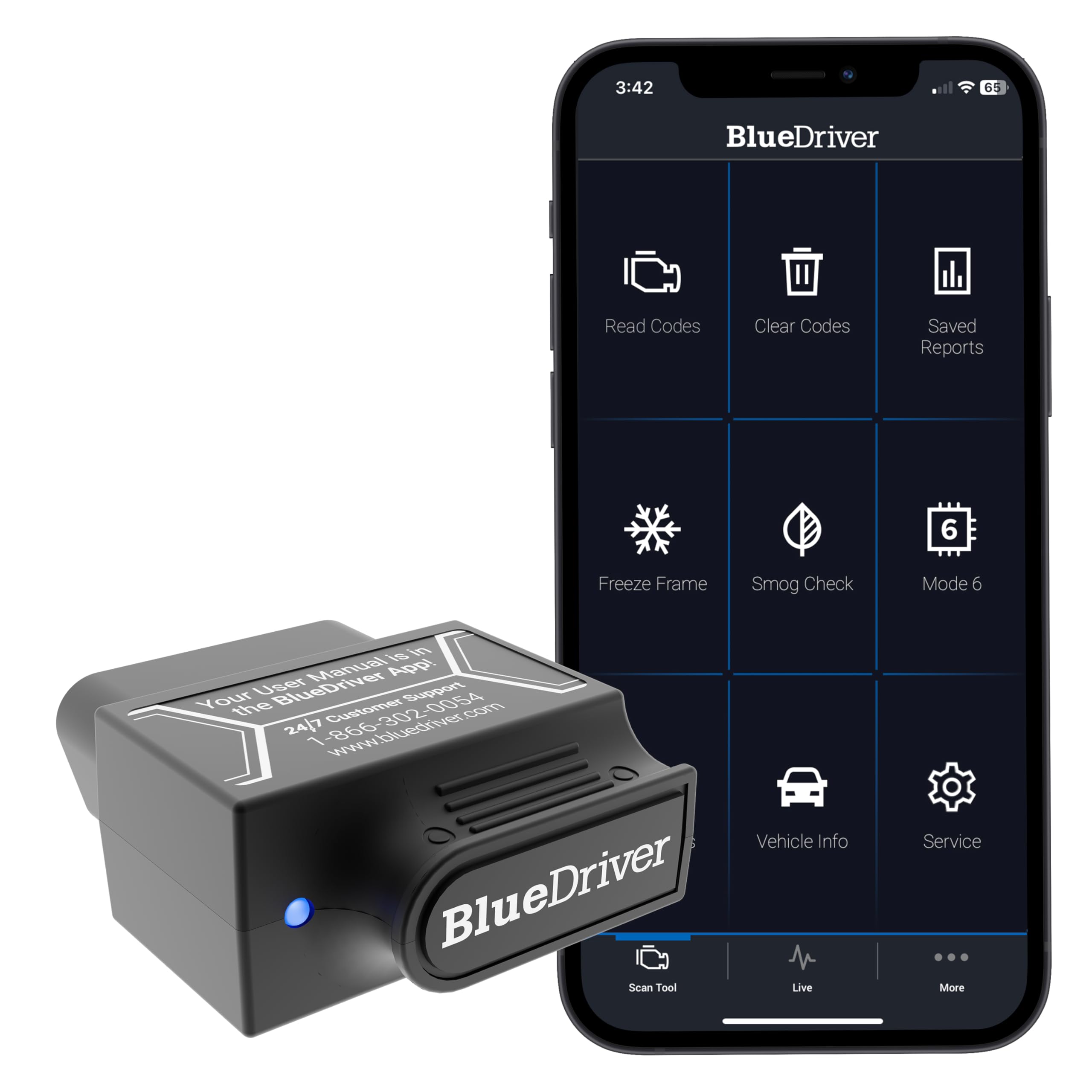
Related Product: BlueDriver For Diagnostics
Choose BlueDriver if your goal is to read codes, clear supported diagnostic trouble codes, view live data, and understand repair direction. Do not buy it expecting key fob programming or immobilizer pairing.
Diagnostic Capabilities
BlueDriver reads diagnostic trouble codes stored by supported vehicle control modules. It also provides code descriptions, possible causes, repair information, and live data such as engine speed, coolant temperature, fuel-system readings, and sensor values.
The tool can display data as gauges or graphs and can save reports for later review. It may access enhanced manufacturer codes on supported vehicles, which gives more detail than a basic code reader. However, its functions depend on the vehicle’s year, make, model, and installed systems.
BlueDriver is not a dedicated immobilizer or key programmer. It cannot generally pair a new transponder key, register a replacement smart key, or erase lost keys from the vehicle’s security system. Those tasks usually require manufacturer equipment or a locksmith tool.
Supported Vehicle Systems
BlueDriver works through the vehicle’s OBD-II port and supports standard emissions diagnostics on compatible vehicles. Depending on the vehicle, it may also provide enhanced access to systems such as:
- Engine and transmission
- ABS and traction control
- Airbags and supplemental restraints
- Body and instrument modules
- Battery or charging systems
Support varies by vehicle and module. A vehicle may allow code reading but not special functions, such as actuator tests, adaptations, immobilizer access, or key registration. The app shows the available features after it identifies the vehicle.
Security-related systems often require restricted access, manufacturer authorization, or a separate key-programming device. BlueDriver can help diagnose related fault codes, but it should not be treated as a replacement for an immobilizer programmer.
Why Key Programming Requires Specialized Access
Key programming depends on the vehicle’s immobilizer, security credentials, and manufacturer-specific steps. A diagnostic scanner may read faults or perform service functions without having the access needed to add, erase, or synchronize keys.
Immobilizer Security
The immobilizer prevents the engine from starting unless the vehicle recognizes an authorized transponder or smart key. During programming, the vehicle’s security module checks the key’s electronic identity and may update stored key data.
These functions often require a security PIN, an online authorization process, or a secure gateway connection. Newer vehicles may also require an active manufacturer subscription and proof of ownership. The process can change when all keys are lost because the vehicle may need to erase existing key records before accepting a replacement.
BlueDriver primarily works as a diagnostic scanner. It can read trouble codes and display vehicle data, but it is not a dedicated immobilizer tool. Its ability to program a key depends on the vehicle, and many models do not support key programming through BlueDriver.
Manufacturer-Specific Procedures
Each manufacturer uses different immobilizer systems, communication methods, and programming rules. Some vehicles support an onboard procedure that uses an existing working key. Others require a scan tool, a security code, or direct access to the manufacturer’s service network.
A compatible key must also match the vehicle’s frequency, transponder type, and electronic design. A key that fits the ignition or door may still fail to start the engine if its chip is incompatible or already locked to another vehicle.
Before attempting programming, the owner should check the vehicle’s exact year, make, model, and key type. A locksmith or dealer with the required credentials and equipment may be needed, especially for newer vehicles or an all-keys-lost situation.
Compatible Tools for Key and Fob Setup
Key and fob setup requires equipment that can access the vehicle’s immobilizer or body control system. The correct tool depends on the vehicle, the type of key, and whether a working key remains available.
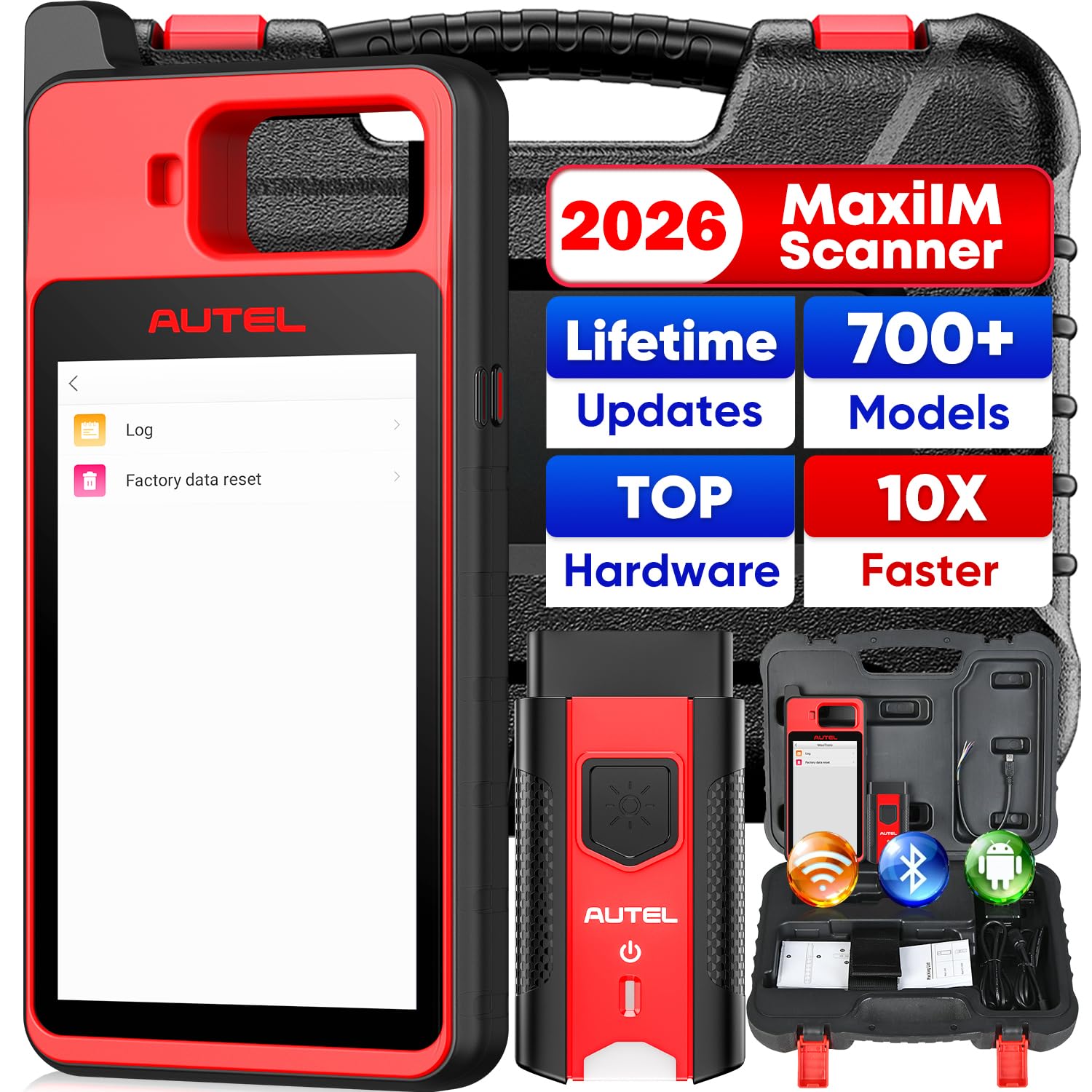
Related Product: Autel MaxiIM KM100 Key Programmer
If the real goal is adding or replacing a key fob, a dedicated IMMO/key programmer is a better direction than BlueDriver. Always confirm the exact year, make, model, key type, and whether a working key is still available.
Professional Scan Tools
Professional scan tools may support key registration on specific vehicle models. They connect through the diagnostic port and use security functions to add a key, erase lost keys, or synchronize a remote. Coverage varies by make, model, year, and system.
These tools often require current software, a security subscription, or manufacturer approval. Some vehicles also need a PIN, security code, or proof of ownership before programming can begin. A scan tool that reads engine, ABS, or airbag codes does not automatically support immobilizer work.
BlueDriver does not program keys or fobs. It can read and clear many diagnostic trouble codes, but it lacks the dedicated immobilizer functions needed for key setup. It should not replace a vehicle-specific key programmer.
Dealer Equipment And Locksmith Devices
Dealerships use manufacturer-specific equipment, such as factory diagnostic systems, to program keys and fobs. These systems provide the most direct support for the brand but may require online access, security credentials, and proof of ownership.
Automotive locksmiths use specialized devices designed for immobilizer and key work. Depending on the vehicle, these devices may add a spare key, generate a transponder, reset an immobilizer, or handle an all-keys-lost situation. Basic devices may only add a key when one working key is present.
Before choosing a tool, the owner should verify compatibility with the vehicle’s exact year, model, and key type. A locksmith or dealer can also confirm whether the replacement fob needs separate remote pairing after the immobilizer key has been registered.
Options for Adding or Replacing Keys
A dealership can program keys with factory equipment and confirm the vehicle’s security system accepts them. An automotive locksmith may offer a lower-cost option, while vehicle-specific instructions can help owners program some remote fobs without special equipment.
Using A Dealership
A dealership uses the manufacturer’s diagnostic system to add a transponder key, smart key, or key fob. It can verify the vehicle identification number (VIN), cut the mechanical key, and program the electronic security system.
The owner usually needs to bring photo identification, proof of ownership, and the vehicle’s VIN. The dealership may also require every existing key, because some vehicles erase keys that are not present during the programming process.
Costs vary by vehicle and key type. A basic remote fob may cost less than a smart key with push-button start. BlueDriver can help identify diagnostic trouble codes, but it does not replace the dealership’s dedicated immobilizer programming equipment.
Hiring An Automotive Locksmith
An automotive locksmith often programs replacement keys and fobs at the vehicle’s location. Many locksmiths can cut keys, add transponder keys, and handle some “all keys lost” situations.
Before scheduling service, the owner should provide the make, model, year, trim, and key type. The locksmith should also confirm whether the vehicle needs an original key, a compatible aftermarket key, or a special security code.
The owner should ask for the total price, including travel, cutting, programming, and emergency service fees. A reputable locksmith will verify ownership before programming a key. Availability and capability vary, so the owner should confirm that the locksmith supports the exact vehicle.
Following Vehicle-Specific Instructions
Some vehicles allow owners to program a remote fob through a sequence of ignition cycles, button presses, or door-lock actions. These steps usually add the remote’s locking functions but may not program the transponder chip that lets the engine start.
The owner should use the vehicle’s owner’s manual or the manufacturer’s official instructions. Exact steps differ by model, year, and security system. A procedure for one vehicle may fail or erase existing remotes on another.
Self-programming often requires at least one working key. If the vehicle has no working key, uses a smart key, or displays an immobilizer warning, it may require a locksmith or dealership with dedicated key-programming equipment.
Choosing the Right Solution
BlueDriver works mainly as a diagnostic scanner and does not normally program key fobs or immobilizer keys. Vehicle owners should compare the cost, vehicle coverage, security steps, and warranty effects before choosing a dealership, automotive locksmith, or dedicated key programmer.
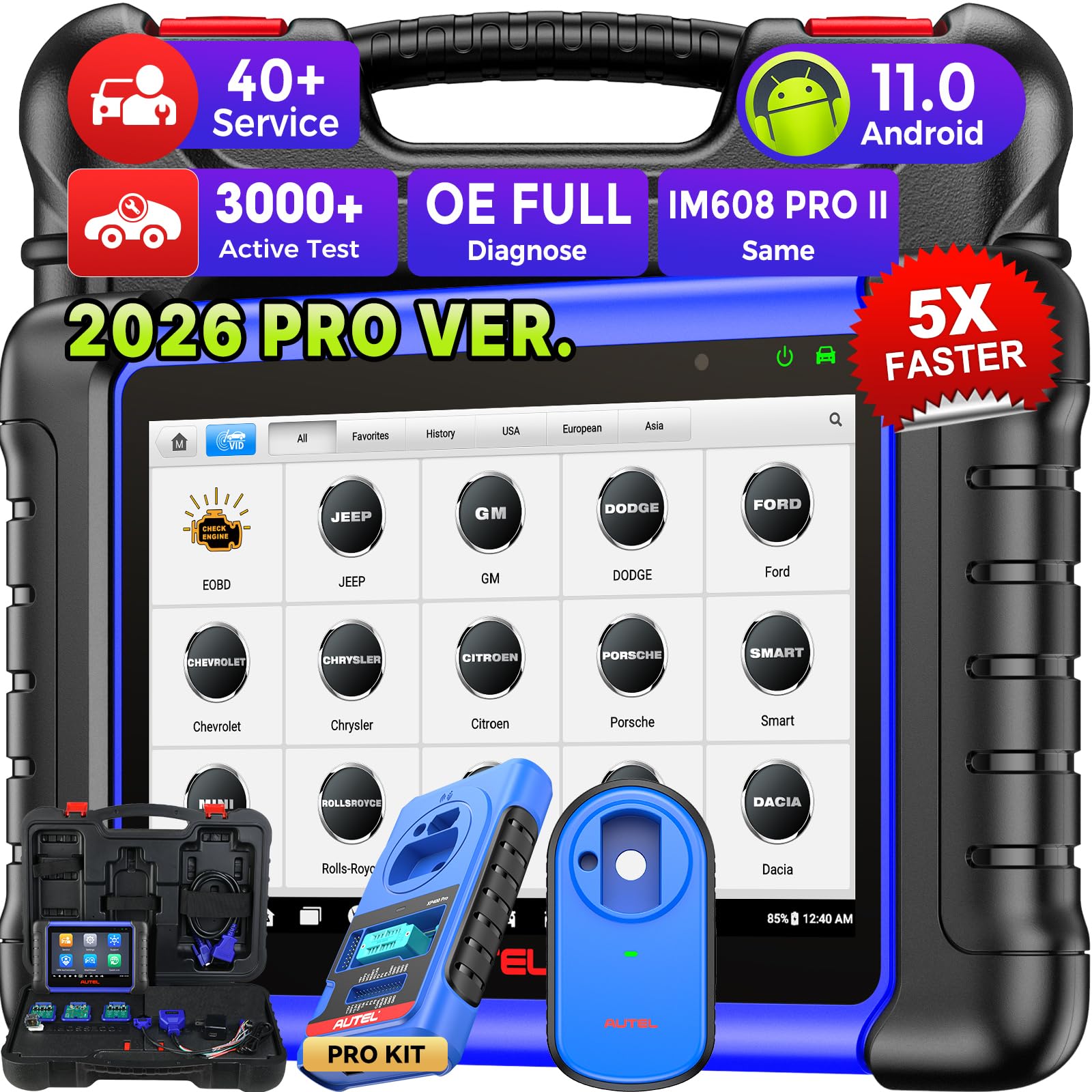
Related Product: Autel IM508S Pro For Advanced IMMO Work
For frequent key work, all-keys-lost situations, or broader immobilizer service, compare higher-level IMMO tools instead of a basic Bluetooth scanner. Coverage and security access still vary by vehicle.
Cost Considerations
BlueDriver can identify fault codes and help diagnose some vehicle systems, but buying the app and scanner does not usually cover key programming. A vehicle owner who needs a new programmed key may need to pay for the key, cutting, programming, and labor separately.
| Option | Typical cost factors |
|---|---|
| Dealership | Key price, programming fee, and labor |
| Automotive locksmith | Key type, travel fee, programming, and cutting |
| Dedicated programmer | Tool cost, software updates, vehicle coverage, and the key |
A locksmith often provides a lower total price than a dealership, especially for common vehicles. However, prices vary by make, model, year, key type, location, and whether an existing working key is available.
A dedicated programmer may suit a professional or someone who programs keys often. Before buying one, the user should confirm support for the exact vehicle and check whether software access or token fees apply.
Security And Warranty Factors
Key programming changes the vehicle’s immobilizer or access system. The owner should verify ownership and keep all existing keys available, because some procedures can erase stored keys or leave the vehicle unable to start if they fail.
The vehicle’s security system may require a PIN, security code, online authorization, or proof of ownership. Dealerships and qualified locksmiths can usually confirm these requirements before starting. The user should avoid unverified tools that promise universal key programming.
BlueDriver use normally does not replace a dedicated immobilizer tool. A vehicle owner should also check the vehicle warranty and avoid unsupported coding changes. If a failed procedure causes a security-system fault, the resulting diagnostic or repair costs may not receive warranty coverage.
Frequently asked questions
Will BlueDriver program key fobs?
No. BlueDriver will not program key fobs in the way a dealer, locksmith, or dedicated immobilizer/key programmer can. It can help with diagnostic codes and some supported vehicle systems, but key fob programming usually requires security access, a compatible key programmer, and vehicle-specific steps.
Can BlueDriver program car keys?
No. BlueDriver mainly reads and clears diagnostic trouble codes. It does not normally add, erase, or program key fobs, transponder keys, or immobilizer systems.
Can it diagnose a key fob problem?
It may help with related vehicle faults if the problem triggers a code in a supported control module. However, it cannot test every remote, immobilizer, or body-control function, and a fault code does not confirm that the fob itself is defective.
Can BlueDriver program a replacement remote?
No. Remote programming usually requires a vehicle-specific procedure or a dedicated key programmer. Some vehicles also require security access, an existing working key, or proof of ownership.
What tool can program car keys?
A locksmith or dealer can use equipment designed for the vehicle’s immobilizer system. Some advanced scan tools also support key programming, but coverage varies by make, model, year, and security system.
Can BlueDriver help with a no-start problem?
It can scan supported modules for stored codes that may relate to starting or communication faults. It cannot replace an immobilizer programmer or prove that the vehicle rejected the key.
| BlueDriver function | Key programming function |
|---|---|
| Reads diagnostic codes | Adds or deletes keys |
| Clears some codes | Matches keys to the immobilizer |
| Shows live data | Programs remotes or transponders |
Conclusion
BlueDriver is mainly a diagnostic scanner. It can read trouble codes, show live data, and support some vehicle tests, but it does not generally program keys or key fobs.
Key programming depends on the vehicle’s make, model, year, and security system. A key fob may only need a manual pairing process on some older vehicles. Newer vehicles often require an immobilizer-capable key programmer, dealer equipment, or a qualified locksmith’s tool.
| Task | BlueDriver |
|---|---|
| Read engine and system codes | Yes |
| Clear many diagnostic codes | Yes |
| Diagnose some vehicle systems | Yes, depending on the vehicle |
| Program keys or immobilizers | Generally no |
BlueDriver may help identify related fault codes, but it should not be used as a key-programming solution. The vehicle owner should check the official compatibility information and confirm the required procedure before buying equipment or attempting programming.